2025 Federal Work-Study Guide: Earn Up to $3,000 as a US Student
Anúncios
The 2025 Federal Work-Study Program enables eligible US students to earn up to $3,000 annually through part-time campus or community service jobs, providing essential financial assistance for their education.
Navigating the costs of higher education in the United States can be a daunting challenge for many students and their families. Fortunately, programs like the Federal Work-Study Program offer a vital lifeline, allowing students to earn money for college expenses through part-time employment. For 2025, understanding how this program works, who qualifies, and how to maximize its benefits is crucial.
Anúncios
Understanding the Federal Work-Study Program
The Federal Work-Study (FWS) Program is a federal financial aid initiative designed to help students fund their education by providing part-time jobs. These jobs are often on campus or at approved off-campus non-profit organizations, offering valuable work experience that can complement academic studies. The program aims to foster a sense of responsibility while alleviating financial burdens.
Unlike loans, the money earned through FWS does not need to be repaid. This makes it an incredibly attractive option for students seeking to reduce their overall debt. The funds are paid directly to the student, who can then use them for tuition, fees, books, supplies, or living expenses. The maximum amount a student can earn varies by institution and individual financial need, but it can reach up to $3,000 annually for many participants.
Anúncios
What is Federal Work-Study?
Federal Work-Study provides funds for part-time employment to help students pay for their educational expenses. It is a needs-based program, meaning eligibility is determined by a student’s financial need as calculated from the Free Application for Federal Student Aid (FAFSA). The program encourages community service work and work related to the student’s course of study.
- Needs-Based Aid: Eligibility relies on the Expected Family Contribution (EFC), now the Student Aid Index (SAI), determined by FAFSA.
- Part-Time Employment: Students typically work 10-20 hours per week, balancing work with their academic schedule.
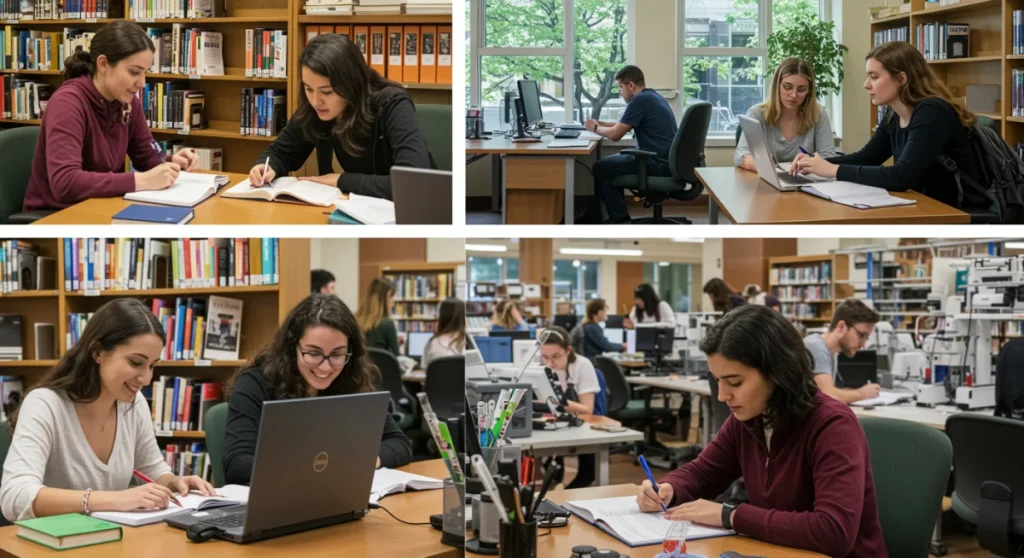
- Variety of Jobs: Positions range from library assistants and lab technicians to administrative support and community service roles.
In essence, the FWS program is a win-win: students gain practical experience and earn money, while institutions and communities benefit from their contributions. It’s a cornerstone of federal financial aid, designed to make higher education more accessible and affordable for a broad spectrum of students.
Eligibility Requirements for 2025
To qualify for the Federal Work-Study Program in 2025, students must meet specific criteria established by the U.S. Department of Education. These requirements ensure that the aid is directed to those who need it most and are prepared to succeed in their academic pursuits. Understanding these prerequisites is the first step toward securing this valuable financial assistance.
The primary determinant for FWS eligibility is financial need, as assessed through the FAFSA. Students must also maintain satisfactory academic progress and be enrolled at an eligible institution. It’s important to note that merely meeting the basic requirements doesn’t guarantee a work-study award, as funding is limited and distributed by individual schools.
Key Eligibility Criteria
Prospective FWS participants must fulfill several conditions to be considered for the program. These include demonstrating financial need, being a U.S. citizen or eligible non-citizen, and being enrolled in a degree or certificate program at an eligible institution.
- Financial Need: Demonstrated through the FAFSA, indicating that the family’s contribution is insufficient to cover educational costs.
- Enrollment Status: Must be enrolled at least half-time in an eligible undergraduate or graduate program.
- Academic Progress: Maintain satisfactory academic progress according to the institution’s policies, which typically includes a minimum GPA.
- Citizenship/Residency: Must be a U.S. citizen or eligible non-citizen with a valid Social Security number.
Additionally, students cannot be in default on a federal student loan or owe a refund on a federal student grant. Each school has its own process for awarding FWS, so early application and communication with the financial aid office are critical. Meeting these criteria ensures that students are considered for a program that can significantly lighten their financial load.
Applying for Federal Work-Study: The FAFSA Process
The gateway to Federal Work-Study, like most federal student aid, is the Free Application for Federal Student Aid (FAFSA). For the 2025-2026 academic year, the FAFSA process has been streamlined, but it remains a crucial step. Completing the FAFSA accurately and on time is paramount for students hoping to access FWS funds.
When you complete the FAFSA, you indicate your interest in federal work-study. Your school’s financial aid office then uses the information from your FAFSA to determine your eligibility and the amount of FWS funds you might receive. It’s not a direct application for a job, but rather an application for eligibility and an allocation of funds that your school can then offer to you.
Steps to Apply Through FAFSA
The FAFSA collects financial information to assess your need for federal aid. It’s essential to complete it as soon as it becomes available for the relevant academic year, typically in October of the preceding year. This maximizes your chances of receiving aid, including FWS, as funds are often limited.
- Gather Documents: Collect necessary financial documents such as tax returns, W-2 forms, and bank statements.
- Complete FAFSA Online: Fill out the FAFSA at studentaid.gov, ensuring all information is accurate and complete.
- Indicate Interest: On the FAFSA, answer ‘Yes’ to the question asking if you are interested in Federal Work-Study.
- Review Aid Offer: After your FAFSA is processed, your school will send you a financial aid offer package, which may include FWS.

Don’t assume you won’t qualify; many students are surprised by the aid they are eligible for. Even if you think your family’s income is too high, it’s always worth completing the FAFSA. The earlier you submit it, the better your chances of receiving an FWS award, as some schools operate on a first-come, first-served basis for limited funds.
Finding and Securing a Work-Study Job
Once you’ve been awarded Federal Work-Study as part of your financial aid package, the next step is to find an actual job. While the FWS award indicates your eligibility and the maximum you can earn, it doesn’t automatically assign you a position. This process usually involves actively searching for and applying to available work-study jobs through your college or university.
Many institutions have dedicated portals or offices that list work-study opportunities. These jobs are specifically designed to accommodate student schedules, often allowing for flexibility around classes and exams. The types of positions available can vary widely, from administrative tasks to roles directly related to your major, providing invaluable experience.
Strategies for Job Search Success
Securing a work-study job requires a proactive approach. It’s similar to applying for any other job, involving resumes, applications, and sometimes interviews. Start your search early, ideally before the academic year begins, to have the best selection of available positions.
- Utilize Campus Resources: Check your school’s financial aid office, career services, or student employment website for listings.
- Network: Talk to professors, department heads, and upperclassmen about potential openings or departments that commonly hire FWS students.
- Tailor Application Materials: Customize your resume and cover letter for each position, highlighting relevant skills and availability.
- Be Persistent: If you don’t find a suitable position immediately, continue checking for new postings and follow up on applications.
Remember that FWS jobs are competitive, especially those offering highly desirable skills or flexible hours. Presenting yourself professionally and demonstrating enthusiasm for the role can significantly increase your chances of being hired. This hands-on experience not only provides income but also builds your resume and professional network.
Benefits Beyond Earning: Skill Development and Networking
While the primary benefit of Federal Work-Study is undoubtedly the financial assistance it provides, the program offers much more than just a paycheck. Participating in FWS can be a transformative experience, equipping students with essential skills, fostering professional connections, and enhancing their overall college experience. These intangible benefits often prove to be as valuable as the monetary earnings.
Work-study jobs provide a realistic introduction to professional environments, teaching students about workplace etiquette, time management, and responsibility. Whether working in a library, a research lab, or a community outreach program, students gain practical experience that complements their academic learning and prepares them for future careers.
Developing Key Professional Skills
The structured environment of a work-study job encourages the development of a wide array of soft and hard skills that are highly sought after by employers. These skills are transferable to any career path and contribute significantly to a student’s personal and professional growth.
- Time Management: Balancing academic demands with work responsibilities teaches effective scheduling and prioritization.
- Communication: Interacting with colleagues, supervisors, and the public enhances verbal and written communication abilities.
- Problem-Solving: Addressing daily challenges in a work setting helps develop critical thinking and practical solutions.
- Teamwork: Collaborating with others on projects fosters cooperation and interpersonal skills.
Furthermore, many FWS positions offer opportunities to apply academic knowledge in a real-world context, strengthening understanding and making learning more concrete. This integration of theory and practice is a unique advantage of the program, setting work-study students apart in the job market after graduation.
Maximizing Your Federal Work-Study Earnings
For students relying on Federal Work-Study to help cover their educational expenses, maximizing the potential earnings of up to $3,000 annually is a key objective. While the total award amount is determined by your financial need and your school’s funding, there are strategies you can employ to ensure you make the most of your allocated funds and gain valuable experience simultaneously.
The amount you earn through FWS is directly tied to the hours you work and your hourly wage, which must be at least the federal minimum wage. Therefore, understanding your award limits and actively managing your work schedule are essential for reaching your earning potential. Communication with your supervisor and the financial aid office plays a crucial role in this process.
Tips for Earning More and Managing Funds
To effectively maximize your Federal Work-Study earnings, it’s important to be proactive and informed. Don’t wait until the last minute to find a job, and ensure you understand the terms of your award. Planning ahead can make a significant difference in your financial well-being.
- Understand Your Award Limit: Know the maximum amount you are allowed to earn for the academic year. This helps you plan your hours.
- Communicate with Your Supervisor: Discuss your schedule and earning goals with your supervisor to ensure you’re meeting required hours without exceeding your award.
- Track Your Hours: Keep a personal record of your hours worked to monitor your progress towards your earning limit.
- Budget Wisely: Plan how you will use your earnings for tuition, books, or living expenses to make the most of the funds.
Some schools may offer opportunities for additional hours during breaks or summer terms, depending on funding availability and your continued eligibility. Inquire about these possibilities early on. By strategically managing your work-study role, you can effectively reach your earning potential and significantly reduce your reliance on loans.
Changes and Updates for the 2025 Program Year
The landscape of federal student aid is continually evolving, and the Federal Work-Study Program is no exception. For the 2025 program year, students should be aware of any potential changes or updates that might impact their eligibility, application process, or the benefits they receive. Staying informed is crucial for navigating the financial aid system effectively.
While the core principles of FWS remain consistent—providing part-time employment to help students pay for education—updates can occur in areas like funding allocations, eligibility criteria adjustments, or changes to the FAFSA form itself. These modifications are often designed to improve accessibility or streamline processes, but they require students to remain vigilant.
Anticipated Adjustments and What They Mean
The most significant changes in recent years have revolved around the simplification of the FAFSA, which aims to make the application process easier and more intuitive for families. These changes directly impact how financial need is calculated and, consequently, who qualifies for FWS.
- FAFSA Simplification Act: This act has revised how financial need is determined, replacing the EFC with the Student Aid Index (SAI), which may affect eligibility for some students.
- Increased Funding Potential: Advocacy groups consistently push for increased funding for federal aid programs, which could lead to more FWS awards or higher individual allocations.
- Emphasis on Community Service: There’s an ongoing push to encourage more FWS positions in community service, aligning with the program’s broader goals.
Students should regularly check the official Federal Student Aid website (studentaid.gov) and their institution’s financial aid page for the most up-to-date information regarding the 2025 Federal Work-Study Program. Proactive engagement with these resources ensures you are fully prepared to apply and benefit from any enhancements or adjustments to the program.
| Key Aspect | Brief Description |
|---|---|
| Program Goal | Provides part-time jobs for students to earn money for educational expenses, reducing loan dependence. |
| Eligibility | Based on demonstrated financial need via FAFSA, satisfactory academic progress, and enrollment status. |
| Earning Potential | Students can earn up to $3,000 annually, varying by school and individual award limits. |
| Benefits | Financial support, valuable work experience, skill development, and professional networking opportunities. |
Frequently asked questions about federal work-study
While the specific amount varies by institution and individual financial need, many students can earn up to $3,000 annually through the Federal Work-Study Program. Your school’s financial aid office will specify your maximum award in your financial aid package. It’s crucial to consult this offer to understand your personal earning potential.
To apply for Federal Work-Study, you must complete the Free Application for Federal Student Aid (FAFSA) for the 2025-2026 academic year. On the FAFSA, ensure you indicate your interest in Federal Work-Study. Your eligibility will then be determined by your school’s financial aid office based on your demonstrated financial need.
No, not all Federal Work-Study jobs are on campus. While many positions are found within the university, such as in libraries or administrative offices, the program also partners with approved off-campus non-profit organizations and sometimes private employers. These off-campus opportunities often involve community service, providing diverse experiences.
No, Federal Work-Study earnings are not loans and do not need to be repaid. The money you earn through the program is paid directly to you for the hours you work. It is considered financial aid that helps cover your educational expenses, similar to a grant or scholarship, but earned through employment.
If you are awarded Federal Work-Study but cannot find a job, you will not receive those funds, as they are earned through employment. The award is an eligibility to earn, not a guaranteed payment. It’s essential to actively search for positions and communicate with your school’s financial aid and career services offices for assistance.
Conclusion
The Federal Work-Study Program remains an invaluable resource for countless students across the United States, offering a practical and empowering way to finance their higher education. By combining financial assistance with meaningful work experience, it not only eases the burden of college costs but also contributes significantly to students’ personal and professional development. For 2025, understanding the application process, eligibility requirements, and strategies for maximizing earnings will be key for students aiming to leverage this exceptional opportunity. With careful planning and proactive engagement, the Federal Work-Study Program can be a cornerstone of a successful and affordable academic journey, allowing students to focus on their studies while building a foundation for their future careers.