Budgeting for 2026: The 50/30/20 Rule for US Households to Save 20% More Annually
Anúncios
In the ever-evolving landscape of personal finance, establishing a robust budgeting strategy is more crucial than ever. As we look towards 2026, United States households are increasingly seeking effective methods to not only manage their money but also to significantly boost their savings. Enter the 50/30/20 budgeting rule – a simple yet powerful framework designed to streamline your financial life and help you achieve remarkable saving goals. This comprehensive guide will delve deep into how this rule works, its benefits, practical implementation tips, and how it can empower you to save 20% more annually, fostering greater financial security and peace of mind.
Understanding the 50/30/20 Budgeting Rule
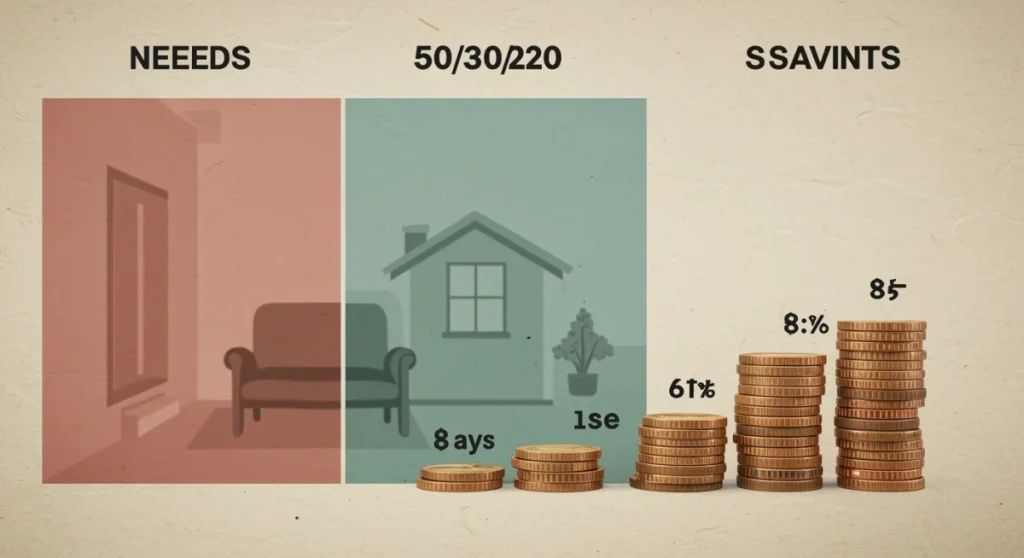
The 50/30/20 budgeting rule is a straightforward personal finance guideline that suggests dividing your after-tax income into three main categories: 50% for needs, 30% for wants, and 20% for savings and debt repayment. This rule, popularized by Senator Elizabeth Warren in her book ‘All Your Worth: The Ultimate Lifetime Money Plan,’ offers a balanced approach that allows individuals and families to cover essential expenses, enjoy their lives, and build a secure financial future simultaneously.
Anúncios
The Foundation: Why the 50/30/20 Rule Works
The beauty of the 50/30/20 budgeting rule lies in its simplicity and adaptability. Unlike overly restrictive budgets that can lead to burnout, this rule provides a flexible framework that acknowledges the importance of both financial discipline and personal enjoyment. It helps prevent common financial pitfalls such as overspending on non-essentials or neglecting savings, by clearly delineating how your income should be allocated. For US households aiming to save 20% more annually, this structure provides a clear roadmap.
Diving Deeper: The Three Categories Explained
To effectively implement the 50/30/20 budgeting rule, it’s crucial to understand what falls into each category:
50% for Needs
This portion of your income covers essential expenses that you cannot live without. These are the non-negotiable costs that keep a roof over your head, food on your table, and ensure your basic well-being. Examples include:
Anúncios
- Housing: Rent or mortgage payments, property taxes, homeowner’s insurance.
- Utilities: Electricity, gas, water, internet, and essential phone service.
- Groceries: Food and basic household supplies.
- Transportation: Car payments, fuel, public transport fares, car insurance, essential maintenance.
- Healthcare: Health insurance premiums, essential medical expenses.
- Minimum Loan Payments: The minimum required payments on student loans, credit cards, or other debts to avoid penalties.
It’s important to differentiate between a ‘need’ and a ‘want.’ While a basic internet connection might be a need for work or education, a premium cable package with hundreds of channels might lean more towards a want. The goal here is to keep your needs at or below 50% of your after-tax income. If your needs exceed this, it’s a strong indicator that you might need to re-evaluate your living situation, transportation costs, or other core expenses to bring them back into alignment.
30% for Wants
The ‘wants’ category encompasses all the discretionary spending that enhances your lifestyle but isn’t strictly necessary for survival. These are the things that bring you joy and comfort, but you could technically live without them. Examples include:
- Entertainment: Streaming services, movie tickets, concerts, gaming.
- Dining Out: Restaurant meals, coffee shop visits.
- Hobbies: Sports equipment, art supplies, club memberships.
- Vacations and Travel: Trips, weekend getaways.
- Shopping: New clothes, gadgets, non-essential home decor.
- Premium Services: High-end internet plans, gym memberships (if not medically necessary), subscription boxes.
- Haircuts and Beauty Treatments: Beyond basic hygiene.
This 30% allows for flexibility and enjoyment, preventing your budget from feeling too restrictive. The key is to be mindful of your spending in this category. If you find yourself consistently exceeding the 30% mark, it’s a clear signal to cut back on some discretionary items to free up funds for savings or to reduce your overall spending.
20% for Savings and Debt Repayment
This is arguably the most critical component of the 50/30/20 budgeting rule, especially for US households aiming to save 20% more annually. This 20% of your after-tax income is dedicated to building your financial future. This includes:
- Emergency Fund: A crucial safety net, ideally 3-6 months’ worth of living expenses.
- Retirement Savings: Contributions to a 401(k), IRA, or other retirement accounts.
- Investments: Brokerage accounts, mutual funds, stocks.
- Debt Acceleration: Paying off high-interest debts faster than the minimum required (e.g., credit cards, personal loans, student loans).
- Future Goals: Saving for a down payment on a house, a child’s education, a new car, or any other significant financial objective.
The goal here is not just to save, but to save smart. Prioritizing high-interest debt repayment can save you thousands in interest over time, while consistent contributions to retirement accounts can leverage the power of compound interest. This 20% allocation is where the real impact on your long-term financial health is made, paving the way for substantial annual savings.
Implementing the 50/30/20 Rule in 2026: A Step-by-Step Guide
Ready to put the 50/30/20 budgeting rule into practice for 2026? Here’s a detailed guide to get you started:
Step 1: Calculate Your After-Tax Income
Your after-tax income is your net pay – the amount of money you actually take home after all deductions (taxes, health insurance premiums, retirement contributions, etc.) have been removed from your gross salary. This is the starting point for all your budgeting calculations. If your income varies, consider using an average of your last few months’ paychecks or err on the side of caution with a slightly lower estimate.
Step 2: Categorize Your Expenses
This is where the rubber meets the road. Go through your bank statements, credit card bills, and receipts for the past few months. Assign each expense to one of the three categories: Needs, Wants, or Savings/Debt Repayment. Be honest with yourself about what constitutes a ‘need’ versus a ‘want.’ This exercise can be incredibly eye-opening.

Step 3: Adjust and Optimize
Once you’ve categorized your past spending, compare your actual percentages to the 50/30/20 ideal. Don’t be discouraged if they don’t align perfectly at first – this is common. The next step is to make adjustments:
- If Needs > 50%: Look for areas to cut back. Can you refinance your mortgage, find a cheaper rental, reduce utility consumption, or carpool? Even small changes can make a big difference.
- If Wants > 30%: This is often the easiest area to trim. Identify discretionary spending that you can reduce or eliminate. Do you really need all those streaming subscriptions? Can you cook at home more often instead of dining out?
- If Savings < 20%: Your goal is to reach this 20%. By reducing spending in your ‘needs’ and ‘wants’ categories, you can free up funds to allocate to savings and debt repayment.
Remember, the goal is to make sustainable changes. Don’t cut so drastically that your budget becomes unbearable, as this often leads to failure. Start with manageable adjustments and gradually work your way towards the ideal percentages.
Step 4: Automate Your Savings
One of the most effective strategies for increasing savings is to automate the process. Set up automatic transfers from your checking account to your savings account, investment accounts, or debt repayment accounts immediately after you get paid. This ensures that your 20% for savings and debt is allocated before you have a chance to spend it. “Out of sight, out of mind” works wonders for building wealth.
Step 5: Regularly Review and Adapt
Life changes, and so should your budget. Review your budget monthly or quarterly to ensure it still aligns with your financial goals and current circumstances. Income changes, new expenses, or shifting priorities might require adjustments to your 50/30/20 allocations. Flexibility is key to long-term budgeting success.
The Financial Impact: Saving 20% More Annually
Adopting the 50/30/20 budgeting rule can have a profound financial impact on US households, especially when consistently applied to save 20% more annually. Let’s explore the benefits:
Accelerated Debt Reduction
By consistently allocating 20% of your income to savings and debt repayment, you can significantly accelerate the payoff of high-interest debts like credit card balances or personal loans. Reducing debt frees up more of your income in the long run, giving you greater financial flexibility and reducing stress.
Robust Emergency Fund
A dedicated 20% allocation ensures you’re building a solid emergency fund. Having 3-6 months’ worth of living expenses saved can protect you from unexpected job loss, medical emergencies, or unforeseen home repairs, preventing you from falling into debt when crises strike.
Enhanced Retirement Readiness
Consistent contributions to retirement accounts, even starting with 20% of your income, can lead to substantial wealth accumulation over time, thanks to the power of compound interest. The earlier you start and the more consistently you contribute, the more secure your retirement will be.
Achieving Financial Goals Faster
Whether you’re saving for a down payment on a home, a child’s education, or a dream vacation, dedicating 20% of your income specifically for these goals will help you reach them much faster than if you were saving sporadically or without a clear plan.
Reduced Financial Stress
Knowing exactly where your money is going and having a clear plan for your financial future can significantly reduce financial stress and anxiety. The 50/30/20 rule provides clarity and control, empowering you to make informed financial decisions.
Increased Financial Literacy and Discipline
The act of budgeting itself, especially with a structured approach like the 50/30/20 rule, improves your financial literacy and discipline. You become more aware of your spending habits, learn to prioritize, and develop healthy money management skills that will serve you throughout your life.
Common Challenges and How to Overcome Them
While the 50/30/20 budgeting rule is highly effective, you might encounter some challenges during implementation. Here’s how to navigate them:
Challenge 1: Needs Exceed 50%
Solution: This is a common hurdle, especially in high cost-of-living areas. First, scrutinize every ‘need’ to ensure it truly is. Could you get a cheaper phone plan? Cook more meals at home? If essential costs are still too high, consider larger changes like finding a more affordable living situation, downsizing a car, or even exploring opportunities for a higher-paying job or a side hustle to increase your income.
Challenge 2: Overspending on Wants
Solution: The 30% for wants is there to be enjoyed, but it requires discipline. Use budgeting apps or spreadsheets to track your spending in real-time. Set weekly or bi-weekly mini-budgets for your wants. Practice mindful spending by pausing before making a non-essential purchase and asking yourself if it aligns with your financial goals. Consider a “no-spend” challenge for a week or a month to reset your habits.

Challenge 3: Inconsistent Income
Solution: For those with variable incomes (e.g., freelancers, commission-based employees), budgeting can be tricky. Base your 50/30/20 allocations on your lowest expected monthly income. When you have months with higher income, allocate the extra funds disproportionately to savings and debt repayment, or build a buffer in your checking account to cover leaner months.
Challenge 4: Lack of Motivation or Discipline
Solution: Financial goals need to be clear and motivating. Define exactly what you’re saving for and why it’s important to you. Visualize your future self free of debt or enjoying a comfortable retirement. Share your goals with a trusted friend or partner for accountability. Celebrate small wins along the way to maintain momentum. Remember, consistency over perfection.
Beyond the Basics: Advanced Tips for US Households
Once you’ve mastered the fundamentals of the 50/30/20 budgeting rule, consider these advanced strategies to further optimize your finances in 2026:
Optimize Your Needs
- Shop for Better Rates: Regularly compare insurance quotes (car, home, health), internet providers, and phone plans. Loyalty often costs more.
- Energy Efficiency: Invest in energy-efficient appliances, seal drafts, and adjust your thermostat to lower utility bills.
- Meal Planning: Plan your meals to reduce food waste and impulse grocery purchases, significantly cutting down on your food budget.
Maximize Your Wants
- Find Free Entertainment: Explore free local events, parks, libraries, and hiking trails.
- DIY Projects: Instead of buying new, consider DIYing home decor, repairs, or gifts.
- Secondhand Shopping: For clothes, furniture, or books, explore thrift stores, consignment shops, and online marketplaces.
Supercharge Your Savings & Debt Repayment
- Employer Match: If your employer offers a 401(k) match, contribute at least enough to get the full match – it’s free money!
- High-Yield Savings Accounts: Ensure your emergency fund is in a high-yield savings account to earn more interest.
- Debt Snowball/Avalanche: Once minimum payments are covered, choose a debt repayment strategy (snowball for motivation, avalanche for maximum interest savings) to tackle debts more aggressively.
- Increase Income: Look for opportunities to earn extra money through a side hustle, freelance work, or negotiating a raise. Any additional income can be primarily directed towards your 20% category.
Financial Planning for 2026 and Beyond
The 50/30/20 budgeting rule is not just for a single year; it’s a foundational principle for lifelong financial wellness. As US households navigate economic shifts and personal milestones, maintaining a clear and adaptable budget will be paramount. By consistently applying this rule, you’re not just saving money; you’re building habits that foster financial resilience, independence, and the ability to achieve your most ambitious financial dreams.
As you approach 2026, commit to reviewing your financial situation, setting clear goals, and embracing the simplicity and effectiveness of the 50/30/20 budgeting rule. With dedication and consistent effort, saving 20% more annually is not just an aspiration – it’s an achievable reality that will profoundly impact your financial future.
Conclusion: Your Path to Financial Empowerment
The 50/30/20 budgeting rule stands as a beacon of clarity in the often-complex world of personal finance. For United States households aiming for greater financial stability and significant savings in 2026, this rule offers a practical, balanced, and highly effective framework. By diligently allocating 50% of your income to needs, 30% to wants, and a crucial 20% to savings and debt repayment, you set yourself on a clear path to saving 20% more annually. This isn’t just about cutting expenses; it’s about intentional spending, strategic saving, and ultimately, building a financial future that supports your aspirations and provides lasting peace of mind. Start today, and watch your financial landscape transform.