Medicare Savings Programs (MSPs) 2025: Reduce Healthcare Costs

Anúncios
Medicare Savings Programs (MSPs) in 2025 offer crucial financial assistance to eligible Medicare beneficiaries, helping to cover premiums, deductibles, and co-insurance, thereby significantly reducing out-of-pocket healthcare expenses.
Navigating healthcare costs can be a daunting challenge, especially for those on fixed incomes. Understanding how Medicare Savings Programs (MSPs) in 2025: How to Reduce Out-of-Pocket Healthcare Costs can be a game-changer for many Americans.
Anúncios
Understanding Medicare Savings Programs (MSPs)
Medicare Savings Programs (MSPs) are state-administered programs designed to help low-income Medicare beneficiaries pay for their Medicare premiums, deductibles, co-insurance, and co-payments. These programs are vital for individuals who struggle to afford the full cost of their healthcare, ensuring they can access necessary medical services without undue financial strain.
The federal government sets the general guidelines for MSPs, but each state has the flexibility to administer the programs and may offer additional assistance beyond the federal minimums. This means that while the core benefits are similar nationwide, specific eligibility requirements and application processes can vary slightly from state to state. It’s crucial for beneficiaries to understand these nuances to maximize their potential savings and ensure continuous access to care.
Anúncios
Who Qualifies for MSPs?
- Income Limitations: Eligibility for MSPs is primarily based on your income relative to the Federal Poverty Level (FPL). These limits are updated annually, so what qualified you last year might be different in 2025.
- Resource Limits: In addition to income, most MSPs also have resource limits, which include savings accounts, stocks, and bonds. However, certain assets like your home, one car, and personal belongings are typically not counted.
- Medicare Enrollment: You must be enrolled in Medicare Part A (Hospital Insurance) to be eligible for any MSP.
MSPs can significantly reduce your financial burden related to Medicare. For many, this means freeing up funds for other essential living expenses, or simply ensuring they can afford their medications and doctor visits without having to make difficult choices. It’s a cornerstone of support for vulnerable populations.
Types of Medicare Savings Programs in 2025
In 2025, there are four main types of Medicare Savings Programs, each designed to assist with different aspects of Medicare costs. Understanding the distinctions between these programs is key to determining which one might be most beneficial for your specific financial situation.
These programs are often referred to by their acronyms, which can sometimes be confusing. However, each one targets a particular level of financial need and offers corresponding benefits. It’s important to remember that you only need to qualify for one of these programs to receive significant financial relief.
Qualified Medicare Beneficiary (QMB) Program
The QMB program is the most comprehensive MSP. If you qualify for QMB, Medicaid will pay for your Medicare Part A and Part B premiums, deductibles, co-insurance, and co-payments. This means virtually all your out-of-pocket Medicare costs are covered, providing substantial financial relief.
- Benefits: Covers Part A and Part B premiums, deductibles, co-insurance, and co-payments.
- Eligibility: Income at or below 100% of the FPL.
- Impact: Eliminates most out-of-pocket Medicare expenses.
Specified Low-Income Medicare Beneficiary (SLMB) Program
The SLMB program offers assistance with Medicare Part B premiums only. While not as comprehensive as QMB, the savings from Part B premiums can still be significant, especially for those on a tight budget.
- Benefits: Covers Medicare Part B premiums.
- Eligibility: Income above 100% but below 120% of the FPL.
- Impact: Reduces monthly healthcare expenses by covering Part B premium.
Qualifying Individual (QI) Program
Similar to SLMB, the QI program also helps pay for Medicare Part B premiums. The key difference lies in the income eligibility thresholds, as QI is for individuals with slightly higher incomes than SLMB beneficiaries.
- Benefits: Covers Medicare Part B premiums.
- Eligibility: Income above 120% but below 135% of the FPL.
- Funding: The QI program is funded by a limited federal block grant, so applications are processed on a first-come, first-served basis.
Qualified Disabled and Working Individuals (QDWI) Program
The QDWI program is unique, designed for certain disabled individuals under 65 who have returned to work, lost their premium-free Medicare Part A due to their income, but still have limited income and resources. This program helps pay for Medicare Part A premiums.
- Benefits: Covers Medicare Part A premiums.
- Eligibility: Must be disabled, under 65, working, and meet specific income and resource limits.
- Purpose: Helps disabled individuals maintain Part A coverage while re-entering the workforce.
Each of these programs serves a crucial role in providing financial assistance. Even if you don’t qualify for the most extensive program, the benefits of SLMB, QI, or QDWI can still make a substantial difference in managing your healthcare costs.
Eligibility Requirements for MSPs in 2025
Eligibility for Medicare Savings Programs in 2025 is determined by a combination of factors, primarily income and resources. These thresholds are updated annually, reflecting changes in the Federal Poverty Level (FPL) and other economic indicators. Understanding the precise criteria for each program is essential for a successful application.
It’s important to note that states sometimes have slightly higher income and resource limits than the federal minimums, offering more people the opportunity to qualify. Checking with your state’s Medicaid office or State Health Insurance Assistance Program (SHIP) is always recommended to get the most accurate and up-to-date information.
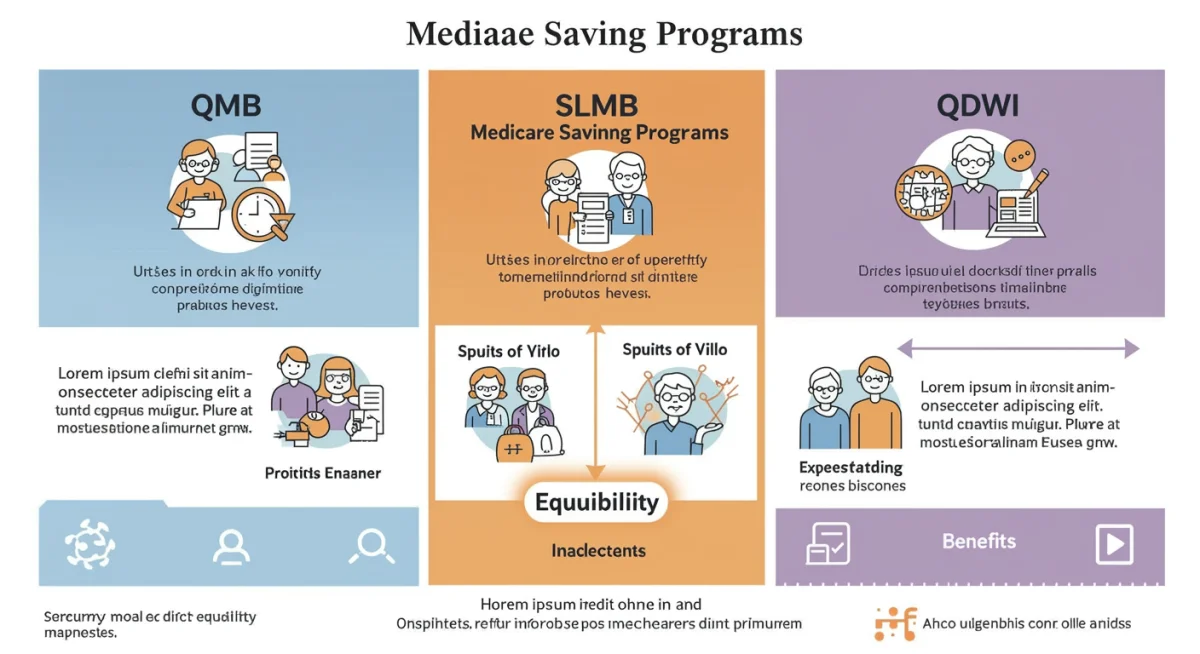
Income Limits for 2025 (Federal Guidelines)
The income limits for MSPs are tied to the Federal Poverty Level (FPL). For 2025, while exact figures are typically released later in the year, they are expected to be similar to 2024 with slight adjustments for inflation. Here’s a general overview:
- QMB: Income at or below 100% of the FPL.
- SLMB: Income above 100% but below 120% of the FPL.
- QI: Income above 120% but below 135% of the FPL.
- QDWI: Income at or below 200% of the FPL, but specific limits apply.
When calculating income, Social Security benefits, Railroad Retirement benefits, and certain pensions are usually counted. However, some income, such as Supplemental Security Income (SSI), is generally excluded. A $20 general income disregard is often applied, meaning the first $20 of your monthly income is not counted.
Resource Limits for 2025
Resource limits also play a significant role. For 2025, the federal resource limits for QMB, SLMB, and QI are typically:
- Individuals: Around $9,900
- Married Couples: Around $14,860
These limits are set to increase slightly each year. Resources include money in checking and savings accounts, stocks, and bonds. However, your primary residence, one vehicle, household goods, and personal effects are typically not counted towards these limits. This distinction is crucial, as many people mistakenly believe their home equity will disqualify them.
It’s vital to gather all necessary financial documentation before applying to ensure an accurate assessment of your eligibility. Even if you think you might be slightly over the limit, it’s worth checking, as various disregards and deductions can sometimes bring you within the qualifying range.
Benefits of Enrolling in an MSP
Enrolling in a Medicare Savings Program can bring profound financial relief and peace of mind to beneficiaries. The benefits extend beyond simply covering premiums; they can significantly reduce the overall burden of healthcare costs, making essential medical care more accessible and affordable.
For many, these savings mean not having to choose between paying for medication and buying groceries. It can also open doors to other assistance programs that are often linked to MSP enrollment, further enhancing financial stability.
Reduced Out-of-Pocket Costs
The most immediate and tangible benefit of MSP enrollment is the reduction of out-of-pocket expenses. Depending on the program you qualify for:
- Part A and B Premiums: QMB covers both, while SLMB and QI cover Part B. This alone can save hundreds or even thousands of dollars annually.
- Deductibles and Co-insurance: QMB pays for Medicare deductibles, co-insurance, and co-payments, effectively eliminating these costs for beneficiaries.
- Medication Costs: Qualification for any MSP automatically qualifies you for Extra Help (Low-Income Subsidy) with Medicare Part D prescription drug costs. This means significantly lower prescription drug premiums, deductibles, and co-payments.
The cumulative effect of these savings can be substantial, allowing beneficiaries to allocate their limited income to other necessary expenses or even build a small emergency fund. This financial breathing room is invaluable for maintaining overall well-being.
Access to Extra Help for Prescription Drugs
One of the most powerful secondary benefits of MSP enrollment is automatic qualification for the Extra Help program (also known as the Low-Income Subsidy, or LIS). Extra Help assists with Medicare Part D prescription drug plan costs, including:
- Reduced or eliminated Part D premiums: Depending on your income and resources, your monthly premium could be fully covered.
- Lower deductibles: The annual deductible for prescription drugs can be significantly reduced or waived.
- Lower co-payments or co-insurance: Your out-of-pocket costs at the pharmacy counter will be substantially lower.
This automatic qualification simplifies what can often be a complex application process for Extra Help, ensuring that those who need assistance with medication costs receive it promptly. Access to affordable prescription drugs is critical for managing chronic conditions and maintaining health.
How to Apply for Medicare Savings Programs in 2025
Applying for Medicare Savings Programs can seem daunting, but with the right information and resources, the process is manageable. Understanding the steps involved and knowing where to seek assistance can make a significant difference in a successful application.
While the exact process might vary slightly by state, the core requirements and general steps remain consistent across the United States. Proactive preparation and attention to detail are key to ensuring your application is processed efficiently.
Gathering Necessary Documentation
Before you begin the application, it’s crucial to collect all required documents. This will streamline the process and prevent delays. Typically, you’ll need:
- Proof of Identity: Driver’s license, state ID, or other government-issued identification.
- Proof of Age: Birth certificate or other official document.
- Medicare Card: To verify your enrollment in Part A.
- Proof of Income: Social Security award letters, pension statements, pay stubs, tax returns, or bank statements showing direct deposits.
- Proof of Resources: Bank statements for checking and savings accounts, statements for stocks, bonds, or other investments.
- Proof of Residency: Utility bills, lease agreements, or mail with your current address.
Having these documents organized and readily available will help you complete the application accurately and efficiently. If you’re unsure about any specific document, it’s better to gather more than you think you’ll need.
Where to Apply
The application process for MSPs is handled by your state’s Medicaid agency. You can typically apply in a few ways:
- Online: Many states offer online application portals through their Medicaid or Department of Health Services websites.
- By Mail: You can download application forms from your state’s website and mail them in.
- In Person: Visit your local Medicaid office or Department of Social Services for assistance with the application.
Additionally, your State Health Insurance Assistance Program (SHIP) can provide free, unbiased counseling and help you complete the application. They are an excellent resource for personalized guidance.
Tips for a Smooth Application Process
To ensure your application goes as smoothly as possible, consider these tips:
- Be Thorough: Fill out every section of the application completely and accurately. Incomplete applications are often delayed.
- Provide Copies: Never send original documents. Always submit copies and keep the originals for your records.
- Keep Records: Make copies of your completed application and any documents you submit. Note the date you applied and who you spoke with if you sought assistance.
- Follow Up: If you don’t hear back within a reasonable timeframe (e.g., 30-45 days), follow up with your state’s Medicaid office.
Even if you’ve been denied in the past, it’s worth reapplying if your financial situation has changed or if income/resource limits have been updated. Circumstances can change, and so can eligibility.
Common Misconceptions About MSPs
Many individuals who could benefit from Medicare Savings Programs don’t apply due to common misconceptions or a lack of understanding about how these programs work. Dispelling these myths is crucial to ensure that eligible individuals receive the financial assistance they deserve.
Often, people assume they won’t qualify because they own a home or have a small savings account, leading them to miss out on significant benefits. It’s important to rely on accurate information rather than assumptions when it comes to government benefits.
Myth 1: Owning a Home Disqualifies You
A widespread misconception is that owning a home will make you ineligible for MSPs. This is generally false. Your primary residence is typically not counted as a resource when determining MSP eligibility. This means that even if you own a valuable home, you can still qualify for assistance if you meet the income and other resource criteria.
The focus of MSPs is on liquid assets and income, not on the value of your dwelling. This policy ensures that homeowners who are struggling financially can still receive help with their healthcare costs without being forced to sell their homes.
Myth 2: Having Some Savings Makes You Ineligible
While MSPs do have resource limits, these limits are often higher than what many people assume. For 2025, the resource limits for individuals are around $9,900 and for married couples, around $14,860. This means that having a moderate amount in savings or investments does not automatically disqualify you.
Furthermore, certain resources are always exempt, such as one car, household goods, and personal belongings. It’s crucial to understand what counts and what doesn’t count towards the resource limit before making any assumptions about your eligibility.
Myth 3: MSPs Are Only for the Very Poor
While MSPs are designed for low-income individuals, the income thresholds extend beyond what many consider to be “very poor.” For example, the QI program allows for incomes up to 135% of the Federal Poverty Level. This means that individuals with modest incomes, who might not consider themselves to be in extreme poverty, can still qualify for valuable assistance.
The goal of these programs is to alleviate financial strain for anyone struggling with Medicare costs, not just those at the absolute lowest income levels. Many people who are just above the official poverty line still find it challenging to cover healthcare expenses, and MSPs are there to help bridge that gap.
Potential Changes and Updates for 2025
Medicare Savings Programs are subject to annual adjustments, and 2025 will likely bring some changes. These updates typically include shifts in income and resource limits, reflecting inflation and changes in the Federal Poverty Level. Staying informed about these potential modifications is crucial for current beneficiaries and those considering applying.
While major structural overhauls are less common, minor adjustments can still impact eligibility and benefits. Keeping an eye on announcements from Medicare and your state’s Medicaid office will help you prepare for any changes that may affect your coverage or application.
Anticipated Adjustments to Income and Resource Limits
Each year, the Centers for Medicare & Medicaid Services (CMS) and state Medicaid agencies update the income and resource thresholds for MSPs. These adjustments are usually tied to the Federal Poverty Level (FPL), which is revised annually by the Department of Health and Human Services. For 2025, expect a slight increase in these limits, which could potentially make more people eligible or allow current beneficiaries to retain their benefits.
- Income Thresholds: Likely to increase slightly in line with FPL adjustments, offering a bit more flexibility for applicants.
- Resource Limits: Federal resource limits are also typically adjusted upwards each year, providing a bit more leeway for savings and investments.
- State-Specific Changes: Some states may choose to increase their limits beyond federal minimums, expanding eligibility within their borders.
It’s advisable to check the official Medicare website or contact your State Health Insurance Assistance Program (SHIP) for the most accurate 2025 figures once they are released. These small changes can sometimes be the difference between qualifying and not qualifying for a program.
State-Specific Program Enhancements or Changes
While federal guidelines provide the framework, states have the authority to implement their own enhancements or make specific changes to how MSPs are administered. These state-level variations can include:
- Higher Income/Resource Limits: Some states choose to set their income and resource limits higher than the federal minimums, allowing more residents to qualify.
- Simplified Application Processes: States may streamline their application procedures, making it easier for beneficiaries to apply and renew.
- Additional Benefits: A few states might offer supplementary benefits or assistance programs that complement the federal MSPs.
It is always a good practice to consult your local State Health Insurance Assistance Program (SHIP) or your state’s Medicaid agency directly. They can provide the most current and localized information regarding MSPs in your specific area, ensuring you are aware of any unique opportunities or requirements.
Maximizing Your Healthcare Savings Beyond MSPs
While Medicare Savings Programs offer significant relief, there are other strategies and resources available to further reduce your out-of-pocket healthcare costs. Combining MSP benefits with other forms of assistance can create a comprehensive financial safety net, ensuring you get the care you need without undue financial burden.
Being proactive and informed about all available options is the best way to maximize your savings. Don’t limit your search to just one program; explore a range of resources designed to help Medicare beneficiaries.
Exploring Extra Help (Low-Income Subsidy) for Part D
As mentioned, qualifying for any MSP automatically enrolls you in Extra Help for Medicare Part D. However, even if you don’t qualify for an MSP, you might still be eligible for Extra Help based on its separate (and often higher) income and resource limits. Extra Help significantly lowers prescription drug costs by reducing premiums, deductibles, and co-payments.
- Check Eligibility Separately: If you don’t qualify for an MSP, apply for Extra Help directly through the Social Security Administration.
- Significant Savings: Can save thousands of dollars annually on prescription medications.
- Simplified Process: The application is relatively straightforward and can be completed online or by mail.
Ensuring affordable access to necessary medications is a critical component of managing overall health and preventing more serious, costly health issues down the line.
Understanding Medicare Advantage Plans (Part C)
Medicare Advantage plans, offered by private companies approved by Medicare, combine Part A and Part B coverage and often include Part D prescription drug coverage. Many of these plans offer additional benefits like vision, dental, and hearing coverage, and some have $0 premiums.
- $0 Premium Plans: Many Medicare Advantage plans have no monthly premium beyond your Part B premium (which an MSP could cover).
- Additional Benefits: Often include services not covered by Original Medicare.
- Managed Care: Typically operate through network providers, which can help manage costs.
If you’re enrolled in an MSP, a low-premium or $0 premium Medicare Advantage plan with Part D coverage can provide comprehensive benefits with minimal out-of-pocket costs. It’s essential to compare plans in your area to find one that best suits your health and financial needs.
Utilizing State Health Insurance Assistance Programs (SHIP)
SHIPs are federally funded programs that offer free, unbiased counseling on all Medicare-related issues. They are an invaluable resource for understanding your options, comparing plans, and applying for assistance programs like MSPs and Extra Help.
- Personalized Counseling: SHIP counselors can help you navigate complex Medicare rules and options.
- Application Assistance: They can help you fill out applications for MSPs, Extra Help, and other programs.
- Plan Comparisons: Get help comparing different Medicare Advantage and Part D plans.
Don’t hesitate to reach out to your local SHIP for expert guidance. Their services are free, confidential, and designed to empower you to make informed decisions about your healthcare.
| Key Program | Primary Benefit |
|---|---|
| QMB | Covers Medicare Part A/B premiums, deductibles, co-insurance, and co-payments. |
| SLMB | Covers Medicare Part B premiums only. |
| QI | Covers Medicare Part B premiums only, with slightly higher income limits. |
| Extra Help | Reduces Medicare Part D prescription drug costs (premiums, deductibles, co-pays). |
Frequently Asked Questions About Medicare Savings Programs
Income limits for MSPs in 2025 are tied to the Federal Poverty Level (FPL) and are expected to increase slightly from 2024. For QMB, income must be at or below 100% FPL; for SLMB, below 120% FPL; and for QI, below 135% FPL. Exact figures are published annually by CMS.
Yes, generally you need to reapply for Medicare Savings Programs annually. Your state Medicaid agency will usually send you a renewal form. It’s crucial to complete and return this form promptly to ensure your benefits continue without interruption, as income and resource limits can change.
Yes, you can be enrolled in both an MSP and a Medicare Advantage Plan (Part C). In fact, an MSP can significantly enhance the affordability of a Medicare Advantage plan by covering your Part B premium, making many $0 premium Advantage plans truly free for you.
Even if your income or resources are slightly above the federal limits, it’s worth applying. States often have their own higher limits or apply income disregards that could make you eligible. Consult your State Health Insurance Assistance Program (SHIP) for personalized advice.
If you qualify for any Medicare Savings Program, you automatically qualify for Extra Help (Low-Income Subsidy) for Medicare Part D. This program significantly reduces your prescription drug premiums, deductibles, and co-payments, making medications much more affordable.
Conclusion
Understanding and utilizing Medicare Savings Programs (MSPs) in 2025: How to Reduce Out-of-Pocket Healthcare Costs is an indispensable step for many Medicare beneficiaries seeking financial relief. These programs offer a critical lifeline, covering premiums, deductibles, and co-payments, and granting access to additional benefits like Extra Help for prescription drugs. By staying informed about eligibility requirements, actively applying, and dispelling common myths, individuals can significantly alleviate their healthcare financial burdens. Proactive engagement with resources like State Health Insurance Assistance Programs can ensure beneficiaries maximize their savings and access the comprehensive care they deserve, contributing to a more secure and healthier future.