Commodity Prices 2025: Gold, Oil, Agriculture Outlook
Anúncios
Expert forecasts for commodity prices in 2025 suggest continued volatility influenced by geopolitical shifts, global economic growth, and evolving supply chain dynamics across gold, oil, and agricultural sectors.
As we approach the new year, the burning question for investors and consumers alike is: what will happen with commodity prices in 2025? From the shimmering allure of gold to the essential energy of oil and the foundational sustenance of agricultural goods, these markets are profoundly impacted by a confluence of global events. Understanding these dynamics is not just for the seasoned trader; it’s vital for everyone concerned with economic stability and future planning.
Anúncios
Understanding the Global Drivers of Commodity Prices
Commodity markets are inherently global, meaning their prices are influenced by a vast array of international factors. Everything from geopolitical tensions to technological advancements can send ripples through these essential sectors. Predicting their movements requires a nuanced understanding of these interconnected forces.
The global economic landscape stands as a primary driver. Periods of robust economic growth typically fuel demand for industrial commodities like oil and base metals, while economic slowdowns tend to dampen this appetite. Central bank policies, particularly interest rate decisions, also play a significant role by affecting the cost of holding commodities and the strength of currencies, which in turn influences prices for international buyers.
Geopolitical Influences on Supply Chains
Geopolitical events often introduce significant uncertainty and volatility into commodity markets. Conflicts, trade disputes, and political instability in key producing regions can disrupt supply chains, leading to price spikes. Conversely, diplomatic resolutions can ease tensions and stabilize markets.
Anúncios
- Regional Conflicts: Disruptions in major oil-producing regions can immediately impact crude prices.
- Trade Policies: Tariffs and trade agreements directly affect the flow and cost of agricultural goods.
- Political Stability: Stable governance in mining regions ensures consistent supply of precious metals.
Furthermore, climate change and extreme weather events are increasingly impacting agricultural yields and energy infrastructure, adding another layer of unpredictability to commodity prices. These environmental factors necessitate continuous monitoring and adaptation by market participants.
Gold in 2025: A Safe Haven or a Speculative Play?
Gold has historically been viewed as a safe haven asset, attracting investors during times of economic uncertainty and geopolitical turmoil. Its performance in 2025 will likely be shaped by a complex interplay of interest rate expectations, inflation trends, and global risk appetite.
Many analysts anticipate that if global inflation remains persistent, gold could continue its upward trajectory as investors seek to preserve purchasing power. However, a significant rise in real interest rates could make non-yielding assets like gold less attractive compared to bonds or other interest-bearing investments. The U.S. dollar’s strength also plays a crucial role; a stronger dollar typically makes gold more expensive for holders of other currencies, potentially dampening demand.
Key Factors Influencing Gold Prices
Several fundamental factors will determine gold’s direction next year. Central bank gold purchases, for instance, have been a consistent source of demand, reflecting a broader de-dollarization trend among some nations. Investment demand through ETFs and futures markets also provides significant price support or resistance.
- Inflation Outlook: Higher inflation tends to boost gold’s appeal as a hedge.
- Interest Rate Environment: Rising real rates can pressure gold prices.
- Geopolitical Risk: Escalating global tensions typically lead to increased safe-haven demand.
- U.S. Dollar Strength: A weaker dollar often correlates with higher gold prices.
Ultimately, gold’s path in 2025 will hinge on the evolving macroeconomic narrative. If global economic growth slows and central banks pivot towards more accommodative monetary policies, gold could see substantial gains. Conversely, a robust global recovery coupled with aggressive rate hikes could cap its upside potential. Investors will need to closely monitor these indicators to navigate the gold market effectively.
Oil Price Projections for 2025: Navigating Supply and Demand
The oil market is perpetually in a state of flux, balanced precariously between global supply and demand dynamics, often exacerbated by geopolitical events. For 2025, analysts are forecasting a nuanced environment, with several key factors set to dictate crude prices.
On the supply side, OPEC+ production policies will remain paramount. Any decisions by the cartel to increase or decrease output will have immediate repercussions on global availability. Non-OPEC supply, particularly from the United States shale industry, also plays a critical role, with technological advancements and investment levels influencing its responsiveness to price signals.
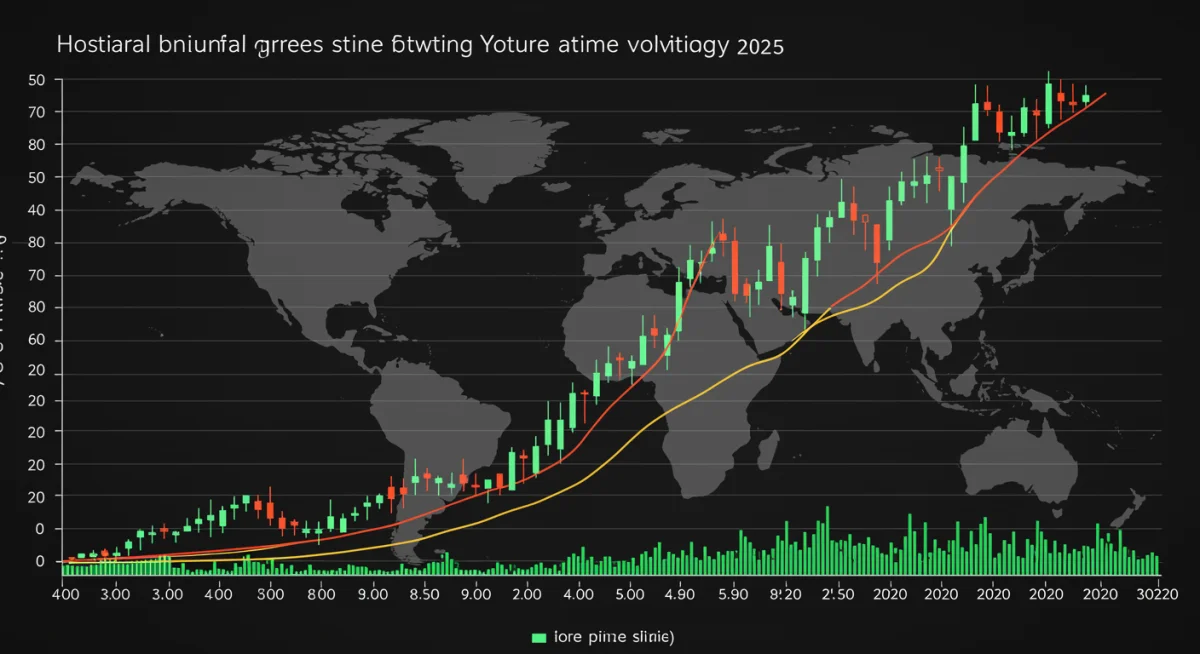
Demand, meanwhile, is heavily tied to global economic growth. A robust recovery, particularly in major consuming nations like China and India, would bolster demand. Conversely, an economic slowdown or recession would likely lead to reduced consumption. The ongoing energy transition also presents a long-term headwind, though its immediate impact on 2025 demand might be limited.
Factors Shaping Crude Oil Futures
Several other elements will contribute to oil’s trajectory. Strategic petroleum reserve releases, inventory levels, and the pace of renewable energy adoption all weave into the complex tapestry of oil price forecasts.
- OPEC+ Decisions: Production cuts or increases directly impact supply.
- Global Economic Growth: Stronger economies drive higher demand for transportation and industrial uses.
- Geopolitical Tensions: Conflicts in oil-producing regions can disrupt supply.
- U.S. Shale Production: The ability of shale producers to ramp up or down output quickly influences market balance.
The outlook for oil in 2025 suggests a tight market, with prices likely to remain elevated compared to historical averages, albeit with potential for significant volatility. The interplay between geopolitical stability and the health of the global economy will be crucial in determining its definitive path.
Agricultural Goods in 2025: Food Security and Climate Challenges
Agricultural commodity markets are perhaps the most sensitive to immediate environmental and geopolitical shifts, directly impacting global food security. For 2025, the outlook for grains, edible oils, and other staples is complicated by climate change, supply chain vulnerabilities, and evolving consumption patterns.
Weather events, such as droughts, floods, and extreme temperatures, are increasingly frequent and severe, posing significant risks to crop yields in major producing regions. These events can trigger price spikes and contribute to food inflation. Beyond weather, geopolitical conflicts can disrupt agricultural exports, particularly from major breadbasket nations, further exacerbating supply concerns.
Key Influencers on Agricultural Prices
Beyond environmental factors, government policies, trade agreements, and technological advancements in farming will all play a role. Subsidies, export restrictions, and bio-fuel mandates can significantly alter market dynamics.
- Climate Patterns: Extreme weather events directly affect crop yields and livestock.
- Geopolitical Stability: Conflicts can disrupt trade routes and agricultural output.
- Input Costs: Prices of fertilizers, fuel, and labor impact production costs.
- Global Stock Levels: Low inventories can amplify price volatility during supply shocks.
The global population continues to grow, driving a steady increase in demand for food. However, supply responses are often constrained by land availability, water resources, and climate pressures. Consequently, agricultural commodity prices in 2025 are expected to remain sensitive to any significant supply disruptions or unexpected shifts in demand, with food security remaining a central concern for many nations.
Impact of Interest Rates and Inflation on Commodity Markets
The macroeconomic environment, particularly the trajectory of interest rates and inflation, casts a long shadow over all commodity markets. Central bank decisions in major economies, especially the Federal Reserve, have a profound impact on investor sentiment, currency valuations, and the cost of capital, all of which feed directly into commodity prices.
Higher interest rates typically increase the cost of holding inventories for commodity traders and can strengthen the U.S. dollar. A stronger dollar makes dollar-denominated commodities more expensive for international buyers, potentially dampening demand. Conversely, lower rates can stimulate economic activity, boost demand, and weaken the dollar, making commodities more attractive.
Monetary Policy and Market Reactions
Inflation, on the other hand, often provides a tailwind for commodities, particularly assets like gold, which are seen as hedges against rising prices. When inflation is high, the real return on cash or fixed-income investments diminishes, pushing investors towards real assets. However, aggressive monetary tightening to combat inflation can lead to economic slowdowns, which then suppress overall demand for industrial commodities.
- Fed Policy: Interest rate hikes can increase the cost of holding commodities and strengthen the dollar.
- Inflation Expectations: High inflation often drives investment into real assets like commodities.
- Currency Strength: A strong U.S. dollar can make commodities more expensive globally.
- Economic Growth: Monetary easing can stimulate growth, increasing demand for raw materials.
The delicate balance between controlling inflation and fostering economic growth will be a critical determinant for commodity prices in 2025. Any significant deviation from expected monetary policy paths could trigger substantial market reactions across all commodity sectors, making central bank communications a key focus for market participants.
Technological Advancements and Their Role in Commodity Markets
Beyond traditional supply and demand dynamics, technological advancements are increasingly playing a transformative role in shaping commodity markets. From extraction and production to logistics and consumption, innovation is creating new efficiencies and challenges.
In the energy sector, advancements in renewable energy technologies are gradually shifting the global energy mix, potentially reducing long-term reliance on fossil fuels. While this transition is slow, it influences investment decisions in oil and gas infrastructure, affecting future supply. Similarly, enhanced oil recovery techniques and shale extraction methods continue to boost crude oil production capacity, altering global supply dynamics.
Innovation Across Sectors
Agriculture is experiencing its own technological revolution with precision farming, genetic engineering, and advanced analytics. These innovations can lead to higher yields, more efficient resource use, and increased resilience to climate challenges, potentially stabilizing food supplies and prices.
- Renewable Energy: Reduces demand for traditional fossil fuels over time.
- Precision Agriculture: Increases crop yields and resource efficiency.
- Mining Technologies: Improves extraction efficiency and access to new reserves.
- Logistics Optimization: Reduces transportation costs and supply chain bottlenecks.
Furthermore, blockchain technology and artificial intelligence are beginning to find applications in commodity trading and supply chain management, offering greater transparency and efficiency. These technological shifts, though often gradual, are fundamental in reshaping the cost structures, supply availability, and overall market stability of various commodities heading into and beyond 2025.
Investment Strategies for the 2025 Commodity Landscape
Navigating the complex and often volatile world of commodity markets in 2025 requires a thoughtful and diversified investment strategy. Given the multitude of factors influencing prices, a one-size-fits-all approach is unlikely to yield optimal results. Investors should consider their risk tolerance, investment horizon, and specific objectives when allocating capital to commodities.
Diversification is key. Instead of concentrating on a single commodity, consider a basket that includes exposure to energy, metals, and agriculture. This approach can help mitigate risks associated with sector-specific downturns. Exchange-Traded Funds (ETFs) and mutual funds that track commodity indices offer a convenient way to achieve broad diversification without direct physical ownership.
Strategic Approaches to Commodity Investing
For those with a higher risk appetite, direct investment in futures contracts can offer significant leverage, but also carries substantial risk. Understanding the underlying fundamentals of each commodity, including supply forecasts, demand trends, and geopolitical risks, is paramount for successful futures trading. Technical analysis can also provide valuable insights into short-term price movements.
- Diversify Broadly: Spread investments across various commodity types to reduce risk.
- Consider ETFs/Mutual Funds: Gain exposure to commodity indices efficiently.
- Analyze Fundamentals: Understand supply-demand balances and geopolitical impacts.
- Hedge Against Inflation: Gold and other precious metals can serve as inflation hedges.
Furthermore, staying informed about global economic indicators, central bank policies, and major geopolitical developments is crucial. The commodity landscape is dynamic, and successful investors will be those who can adapt their strategies to evolving market conditions, making informed decisions based on comprehensive analysis rather than speculative impulses.
| Key Commodity | 2025 Outlook |
|---|---|
| Gold | Potential gains amid inflation concerns, tempered by rising real interest rates and dollar strength. |
| Oil | Elevated prices due to tight supply-demand balance and geopolitical risks; volatility expected. |
| Agriculture | High sensitivity to climate events and geopolitical disruptions; food security remains a key concern. |
| General Outlook | Overall market volatility driven by macroeconomic policies, geopolitical events, and technological shifts. |
Frequently Asked Questions About 2025 Commodity Prices
Robust global economic growth typically increases demand for industrial commodities like oil and metals, pushing prices higher. Conversely, a slowdown can lead to decreased demand and lower prices across the board. The pace of recovery in major economies will be a key determinant.
Geopolitical tensions, especially in major oil-producing regions, can significantly disrupt supply chains and create uncertainty, leading to sudden price spikes. Any escalation or de-escalation of conflicts will be closely watched by the oil markets in 2025.
Gold’s role as an inflation hedge will depend on the persistence of inflation and real interest rates. If inflation remains high and real rates stay low or negative, gold could continue to perform well. However, rising real rates may diminish its appeal.
The main risks for agricultural commodity prices include extreme weather events due to climate change, which can significantly impact crop yields. Geopolitical conflicts disrupting trade routes and supply chain vulnerabilities also pose substantial threats to stability.
Technological advancements in areas like renewable energy, precision agriculture, and efficient extraction methods can influence both supply and demand dynamics. These innovations may lead to increased efficiency, potentially stabilizing prices or shifting market dependencies over time.
Conclusion
The outlook for commodity prices in 2025 paints a picture of continued complexity and potential volatility. Gold, oil, and agricultural goods will each navigate distinct challenges and opportunities, driven by a powerful mix of macroeconomic forces, geopolitical developments, and evolving technological landscapes. Investors and consumers must remain vigilant, adapting to rapid changes and understanding the intricate web of global factors that dictate these essential market movements. Strategic planning and informed decision-making will be paramount in capitalizing on the opportunities and mitigating the risks that the coming year will undoubtedly present across the commodity spectrum.