Real Estate Rebound: Analyzing US Market Factors in Early 2025

Anúncios
The potential US real estate rebound in early 2025 hinges on pivotal factors like stabilizing interest rates, increasing housing inventory, and sustained economic growth, offering crucial insights for future investment strategies.
Is the U.S. housing market poised for a significant turnaround? As we approach early 2025, many homeowners, prospective buyers, and investors are keenly watching for signs of a US real estate rebound. Understanding the forces at play is crucial for navigating what could be a dynamic period for property values and market activity.
Anúncios
Understanding the Current Real Estate Landscape
Before we delve into the future, it’s essential to grasp the present state of the U.S. real estate market. The past few years have been characterized by unprecedented volatility, driven by a confluence of economic factors, global events, and shifts in consumer behavior. High demand, low inventory, and fluctuating interest rates have created a complex environment, making market predictions challenging.
The market has experienced a cooling period following the frenetic pace of 2020-2022. While some areas saw significant price corrections, others maintained their value, indicating a geographically diverse market. This mixed performance underscores the importance of granular analysis when considering regional variations in the upcoming rebound.
Recent Market Dynamics
The latter half of 2023 and early 2024 saw a stabilization in some housing metrics, albeit at elevated price points compared to pre-pandemic levels. The bidding wars of previous years have largely subsided, replaced by a more balanced, though still competitive, environment in many areas. This shift provides a foundation for potential future growth.
Anúncios
- Home Prices: While not plummeting universally, price growth has decelerated significantly.
- Sales Volume: Transaction numbers have been lower, reflecting affordability challenges and buyer hesitation.
- Days on Market: Properties are generally taking longer to sell, particularly in less competitive segments.
Despite these challenges, underlying demand for housing remains robust. Demographic shifts, including a large millennial cohort entering prime homebuying years, continue to provide a structural tailwind for the market. The persistent housing shortage, a long-standing issue, also contributes to sustained demand, even in the face of higher costs.
Factor 1: The Trajectory of Interest Rates
Perhaps no single factor influences the real estate market as profoundly as interest rates. For much of 2023 and early 2024, rising mortgage rates significantly dampened buyer enthusiasm and affordability. As we look towards early 2025, the anticipated direction of these rates will be a critical determinant of any potential real estate rebound.
The Federal Reserve’s monetary policy decisions, particularly regarding the federal funds rate, directly impact mortgage rates. A sustained period of high inflation led the Fed to implement aggressive rate hikes, making borrowing more expensive. However, as inflation shows signs of cooling, expectations for rate cuts have begun to emerge, offering a glimmer of hope for the housing market.
Anticipated Fed Actions and Mortgage Rates
Economists and market analysts are closely watching inflation data and employment figures for clues about the Fed’s future moves. While the Fed remains data-dependent, a consensus is building around the possibility of rate reductions in late 2024 or early 2025. Such cuts would directly translate to lower mortgage rates, enhancing affordability for potential buyers.
- Impact on Affordability: Lower rates mean lower monthly mortgage payments, making homeownership accessible to a larger pool of buyers.
- Buyer Confidence: A decline in rates often boosts consumer confidence, encouraging hesitant buyers to re-enter the market.
- Refinancing Opportunities: Existing homeowners might find opportunities to refinance, freeing up capital for other investments or home improvements.
A modest decrease in mortgage rates could significantly stimulate demand. Even a reduction of 50 to 100 basis points can make a substantial difference in a buyer’s purchasing power, potentially unlocking a new wave of market activity. This renewed affordability could be the catalyst for a strong US real estate rebound.
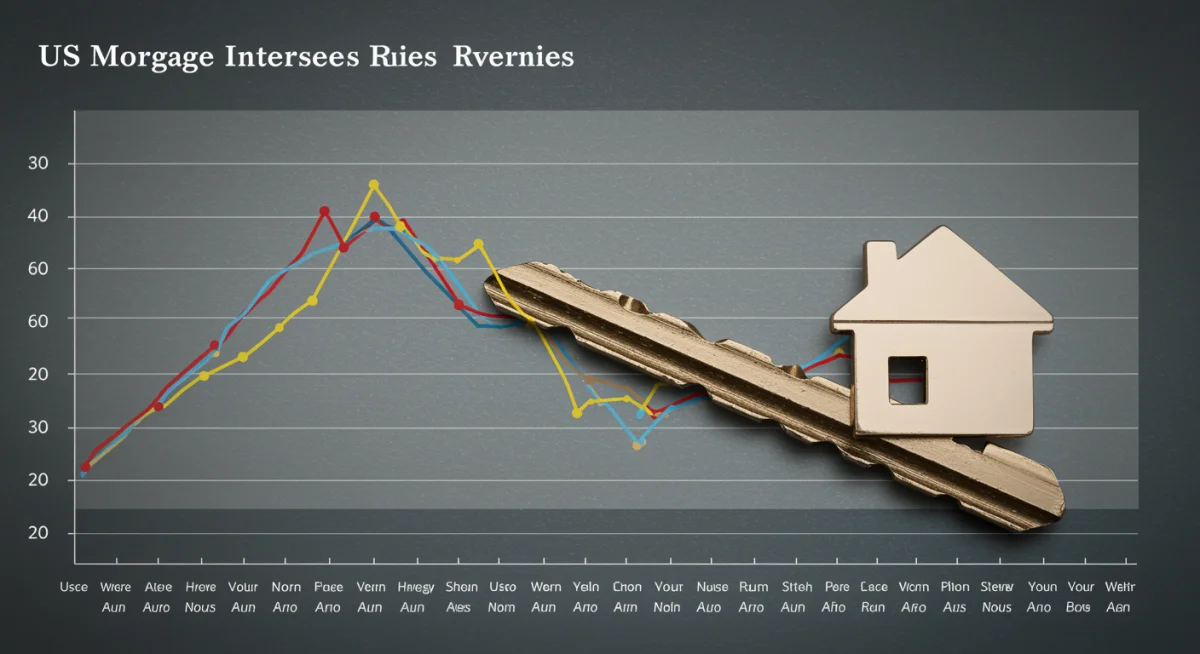
However, it’s important to note that the extent and timing of these rate cuts are not guaranteed. Unexpected economic data or persistent inflationary pressures could lead to a more conservative approach from the Fed, tempering the pace of any potential market recovery. Therefore, vigilance in monitoring economic indicators will be key.
Factor 2: Housing Inventory Levels and New Construction
The chronic shortage of housing inventory has been a persistent challenge in the U.S. market, contributing to escalating prices and intense competition. As we look ahead to early 2025, the evolution of inventory levels and the pace of new construction will play a crucial role in determining the nature and sustainability of a real estate rebound.
For years, demand has outstripped supply, a fundamental imbalance exacerbated by underbuilding since the 2008 financial crisis. This scarcity has kept prices elevated, even when demand softened due to higher interest rates. A healthy market requires a more balanced supply-demand dynamic, which hinges on new homes entering the market and existing homeowners feeling more comfortable selling.
The Role of New Construction
Builders have faced numerous headwinds, including labor shortages, supply chain disruptions, and rising material costs. Despite these obstacles, there has been a noticeable uptick in new housing starts in some regions. This increase, if sustained, could gradually alleviate some of the inventory pressures.
- Single-Family Starts: A focus on smaller, more affordable units could attract first-time homebuyers.
- Multi-Family Developments: Apartment complexes and townhomes continue to address the rental market and provide alternative ownership options.
- Government Incentives: Potential local or federal incentives for affordable housing could further boost construction.
The pace of new construction is critical. If builders can accelerate their output, particularly in high-demand areas, it could help to normalize inventory levels. This would lead to a more balanced market, where buyers have more choices and sellers face more realistic pricing expectations, fostering a more stable US real estate rebound rather than another speculative bubble.
Existing Home Sales and ‘Rate Lock-In’
Another aspect of inventory involves existing homeowners. Many homeowners who locked in historically low mortgage rates during the pandemic are reluctant to sell, fearing they would have to finance their next home at a much higher rate. This ‘rate lock-in’ effect has significantly constrained the supply of resale homes.
A decline in interest rates, as discussed earlier, could unlock some of this frozen inventory. If rates fall sufficiently, more homeowners may feel comfortable selling their current homes and purchasing new ones, thereby increasing the supply of existing properties on the market. This dual increase in both new and existing inventory would provide a much-needed boost to market fluidity.
Factor 3: Broader Economic Growth and Stability
The health of the overall economy is inextricably linked to the performance of the real estate market. A strong economy, characterized by robust job growth, stable wages, and consumer confidence, provides the foundation for a thriving housing sector. Conversely, economic uncertainty or recessionary fears can quickly undermine buyer demand and investment.
As we head into early 2025, the outlook for broader economic growth in the U.S. will be a major factor in determining the strength and duration of any real estate rebound. Key economic indicators, such as GDP growth, employment rates, and inflation, will heavily influence market sentiment and purchasing power.
Employment and Wage Growth
A robust job market is paramount for housing demand. When people feel secure in their employment and see their wages growing, they are more likely to make large financial commitments like buying a home. Sustained job creation across various sectors, particularly in high-wage industries, will be a powerful driver for the housing market.
- Low Unemployment: A healthy unemployment rate encourages job security and spending.
- Real Wage Increases: Wages growing faster than inflation increase purchasing power, making housing more affordable.
- Sectoral Growth: Expansion in technology, healthcare, and manufacturing can create new housing demand hotspots.
Conversely, any significant slowdown in job growth or an increase in unemployment could quickly dampen housing demand, even if interest rates are favorable. The ability of the U.S. economy to avoid a significant downturn and maintain a steady growth trajectory will be critical for a sustained US real estate rebound.
Consumer Confidence and Inflation Control
Consumer confidence plays a vital psychological role in the housing market. When consumers are optimistic about their financial future and the broader economy, they are more inclined to invest in big-ticket items like homes. Inflation control is directly linked to this confidence, as high inflation erodes purchasing power and creates economic uncertainty.
If the Federal Reserve successfully brings inflation back to its target without triggering a severe recession, it would significantly boost consumer confidence. A stable inflationary environment, coupled with a strong labor market, creates ideal conditions for housing market recovery. This stability allows households to plan their finances with greater certainty, encouraging long-term investments in real estate.
Regional Variations and Market Hotspots
It’s crucial to remember that the U.S. real estate market is not a monolith. While national trends provide a broad overview, regional variations can be significant. A US real estate rebound in early 2025 is likely to manifest differently across various metropolitan areas and states, with some regions experiencing stronger and faster recoveries than others.
Factors such as population growth, local economic drivers, housing supply dynamics, and state-specific regulations all contribute to these regional differences. Understanding these nuances is essential for both buyers and investors looking to make informed decisions.
Emerging Growth Areas
Certain regions, often characterized by strong job markets in growing industries (e.g., tech, healthcare, logistics), lower costs of living, or favorable tax policies, tend to outperform national averages. These areas may see earlier and more robust price appreciation and higher sales volumes during a rebound.
- Sun Belt States: Many southern and southwestern states continue to attract population migration and corporate relocations.
- Affordable Metro Areas: Cities offering a blend of job opportunities and relatively lower housing costs often see sustained demand.
- Tech Hubs (Secondary Markets): Beyond traditional tech centers, growing tech industries in secondary cities can drive housing demand.
Conversely, some markets that experienced rapid price escalation during the pandemic, particularly those heavily reliant on remote work migration, might see a more gradual recovery or even further price adjustments. Overvalued markets may take longer to stabilize, while more fundamentally sound markets could bounce back quicker.
Local Economic Drivers
The presence of major employers, robust infrastructure projects, and a diversified local economy are key indicators of a resilient housing market. Regions with strong economic foundations are better positioned to withstand economic headwinds and capitalize on national tailwinds. For instance, areas with significant investments in renewable energy or advanced manufacturing could see sustained demand for housing.
Investors should conduct thorough due diligence, analyzing local employment figures, demographic trends, and future development plans before making investment decisions. A national rebound may mask localized stagnation or even decline, making regional analysis indispensable for identifying true market hotspots for a strong US real estate rebound.
Investment Strategies for a Rebounding Market
For investors, a potential US real estate rebound in early 2025 presents both opportunities and challenges. Strategic planning and a clear understanding of market dynamics will be crucial for maximizing returns while mitigating risks. The approach to investment may need to adapt to a potentially more balanced, but still competitive, market.
Gone are the days of guaranteed double-digit appreciation across the board. The upcoming period will likely favor investors who focus on value, long-term growth, and properties that meet evolving buyer demands. Diligence in market research and financial analysis will be more important than ever.
Focus on Value and Long-Term Growth
Instead of chasing speculative gains, investors should prioritize properties with strong underlying fundamentals. This includes homes in desirable neighborhoods, with good schools, access to amenities, and strong rental potential. Long-term appreciation in real estate is often driven by these intrinsic qualities rather than short-term market fluctuations.
- Cash Flow Positive Properties: Ensure rental income covers expenses, providing stability even if appreciation slows.
- Undervalued Assets: Look for properties that may be temporarily undervalued due to market sentiment but have strong potential.
- Diversification: Consider diversifying investments across different property types (e.g., single-family, multi-family, commercial) or geographic regions.
For those looking to enter the market, a focus on properties that might require minor renovations to increase value (value-add strategy) can be particularly effective. As interest rates potentially stabilize, the cost of financing these improvements could become more manageable, leading to higher returns upon sale or refinancing.
Adaptation to Evolving Buyer Demands
The pandemic shifted buyer preferences, with an increased demand for larger homes, dedicated home offices, and outdoor spaces. While some of these trends may normalize, others, like the desire for efficient layouts and smart home technology, are likely to persist. Investors who understand and cater to these evolving demands will have a competitive edge.
Furthermore, the growing emphasis on sustainability and energy efficiency means that properties with features like solar panels, energy-efficient appliances, or smart thermostats may command a premium. Investing in such upgrades can not only attract more buyers or tenants but also potentially qualify for various incentives, enhancing the overall profitability of the investment during a market rebound.
Navigating Challenges and Future Outlook
While the prospect of a US real estate rebound in early 2025 is encouraging, it’s important to acknowledge potential challenges and maintain a realistic outlook. The market remains susceptible to various external shocks, and a smooth, uninterrupted recovery is not guaranteed. Preparedness for different scenarios will be key for all market participants.
Economic forecasting is inherently complex, and unforeseen events can quickly alter trajectories. Geopolitical developments, unexpected inflation spikes, or domestic policy changes could all introduce new variables into the housing market equation. Therefore, agility and adaptability will be critical for navigating the coming months.
Potential Headwinds
Despite positive indicators, several factors could still impede a robust rebound. Sustained high living costs, even with cooling inflation, could limit disposable income for housing. Labor market weakness, if it materializes, would directly impact affordability and demand. Furthermore, regulatory changes or shifts in lending standards could also affect market accessibility.
- Persistent Inflation: If inflation proves stickier than anticipated, it could delay Fed rate cuts.
- Economic Slowdown: A deeper-than-expected economic slowdown could dampen consumer confidence and job growth.
- Geopolitical Instability: Global events can create uncertainty, impacting financial markets and investment decisions.
The pace of new home construction, while improving, still needs to significantly ramp up to address the long-term housing shortage. If supply continues to lag behind demand, even with favorable interest rates, price appreciation could outstrip wage growth, leading to renewed affordability issues and potentially slowing the recovery.
Long-Term Market Resilience
Despite these potential challenges, the underlying resilience of the U.S. housing market remains a significant factor. Historically, real estate has proven to be a sound long-term investment, appreciating over time. Demographic trends, particularly the large millennial and Gen Z cohorts entering prime homebuying ages, suggest sustained demand for years to come.
Innovation in construction techniques, coupled with evolving financial products, could also contribute to a more stable and accessible housing market in the future. The conversation around housing affordability and supply continues to gain traction, potentially leading to policy solutions that support a healthier market. A measured and sustained US real estate rebound, even with bumps along the way, appears to be the most likely scenario.
| Key Factor | Impact on Rebound |
|---|---|
| Interest Rates | Anticipated cuts could boost affordability and buyer confidence. |
| Housing Inventory | Increased new construction and existing home sales crucial for balance. |
| Economic Growth | Strong jobs and consumer confidence underpin sustained demand. |
| Regional Variations | Rebound will vary significantly by local market conditions. |
Frequently Asked Questions About the US Real Estate Rebound
While significant decreases are not guaranteed, many economists anticipate modest reductions in mortgage rates by early 2025, contingent on inflation trends and Federal Reserve policy. These potential cuts could improve affordability and stimulate buyer activity in the housing market.
Increased housing inventory, driven by new construction and more existing homes coming onto the market, is crucial for a balanced and sustainable rebound. A greater supply would offer buyers more choices and help moderate price growth, preventing another overheated market.
Key indicators include consistent job growth, stable wage increases, and controlled inflation. Positive trends in these areas typically boost consumer confidence and purchasing power, creating a supportive environment for a strong real estate market recovery.
No, the US real estate market is highly localized. Rebound strength and timing will vary significantly by region, influenced by local job markets, population shifts, and specific housing supply and demand dynamics. Investors should research individual markets carefully.
Major risks include persistent high inflation delaying interest rate cuts, an unexpected economic recession impacting job security, and geopolitical instability. These factors could undermine consumer confidence and slow down any anticipated market recovery.
Conclusion
The prospect of a US real estate rebound in early 2025 is a complex narrative shaped by the interplay of interest rates, housing inventory, and broader economic stability. While a definitive trajectory remains elusive, the convergence of potentially stabilizing interest rates and a gradual increase in housing supply, underpinned by a resilient economy, sets the stage for a more dynamic market. Understanding these three key factors is not just about prediction, but about informed decision-making for homeowners, buyers, and investors navigating the evolving landscape of American real estate. Vigilance and adaptability will be essential in capitalizing on opportunities and mitigating risks in the months ahead.