Apprenticeship Programs US 2025: Paid Experience & Certifications

Anúncios
Apprenticeship programs in the US for 2025 offer a unique pathway to gain invaluable paid work experience and industry-recognized certifications, typically within 12 to 24 months, accelerating career growth and financial independence.
Are you looking for a direct route to a rewarding career without accumulating significant student debt? Apprenticeship programs US for 2025 provide an unparalleled opportunity to gain paid experience and earn valuable certifications within 12 to 24 months, setting you up for long-term success. This guide will walk you through everything you need to know about these transformative programs.
Anúncios
Understanding Apprenticeship Programs
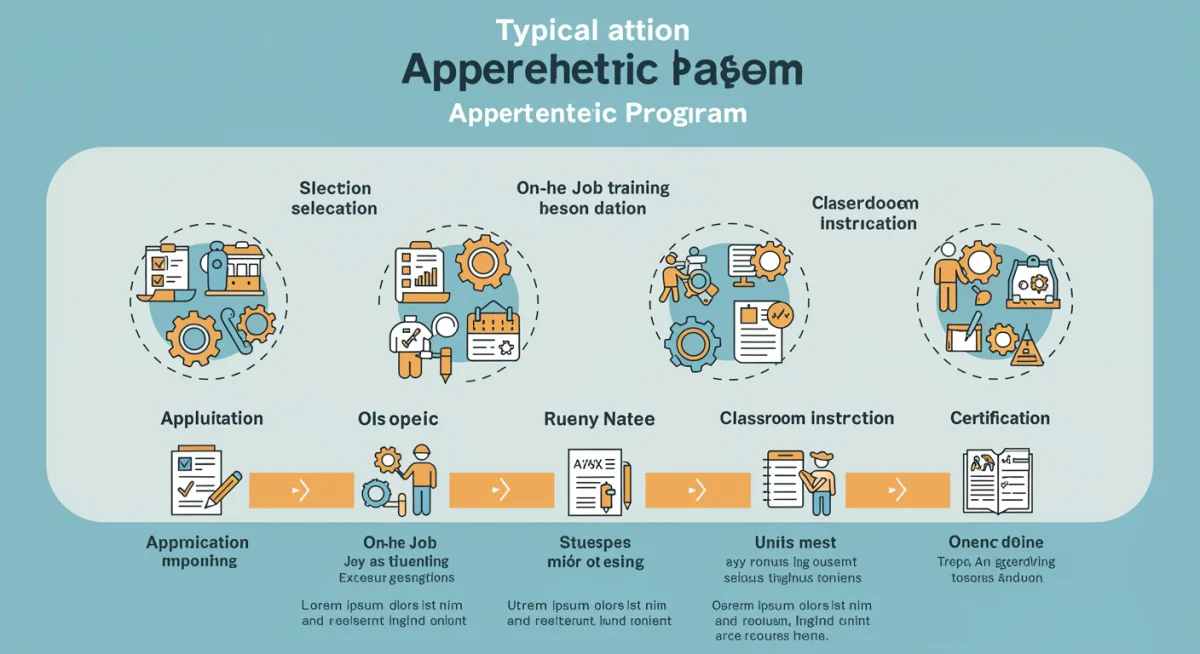
Apprenticeship programs are structured training initiatives that combine on-the-job learning with related technical instruction. These programs are a time-tested model for workforce development, allowing individuals to earn a wage while they learn, often leading to industry-recognized credentials and a stable career.
Anúncios
In the United States, apprenticeships are increasingly recognized as a vital pathway to skilled trades and emerging industries, moving beyond traditional perceptions to include fields like IT, healthcare, and advanced manufacturing. The focus is on practical skills and direct application of knowledge, ensuring apprentices are job-ready upon completion.
The Core Components of an Apprenticeship
- Paid Work Experience: Apprentices are employees from day one, earning a salary that increases as their skills develop. This financial independence is a major draw.
- On-the-Job Training: A significant portion of learning occurs directly in the workplace, under the guidance of experienced mentors. This hands-on experience is invaluable.
- Related Technical Instruction: Alongside practical work, apprentices receive classroom or online instruction to build theoretical knowledge and foundational skills.
- Mentorship: Experienced professionals guide apprentices, providing not only technical instruction but also career advice and support.
- Industry-Recognized Certification: Upon successful completion, apprentices earn a national credential that validates their skills and qualifications, enhancing their career prospects.
The blend of earning, learning, and mentorship makes apprenticeships a robust alternative to traditional higher education, particularly for those who prefer a more hands-on approach to career development. These programs are meticulously designed to meet industry standards, ensuring the skills acquired are highly relevant and in demand.
Benefits of Apprenticeships for Career Growth
Embarking on an apprenticeship offers a multitude of advantages that can significantly accelerate your career trajectory and financial stability. Unlike traditional education paths, apprenticeships provide immediate entry into the workforce with tangible benefits.
One of the most compelling benefits is the ability to earn while you learn. This addresses a major concern for many individuals: the cost of education. Apprentices avoid student loan debt while simultaneously building a solid financial foundation, often starting with competitive wages that increase with skill progression.
Financial Advantages and Earning Potential
The financial aspect of apprenticeships cannot be overstated. From the moment you begin, you are compensated for your work, which is a stark contrast to college tuition. This not only covers living expenses but also allows for savings and investment in your future.
- No Student Debt: A primary benefit, allowing apprentices to start their careers debt-free.
- Progressive Wage Increases: As skills and knowledge advance, so does the apprentice’s pay, reflecting their growing value to the employer.
- High Earning Potential: Many skilled trades and technical professions accessed through apprenticeships offer competitive salaries, often surpassing those of some bachelor’s degree holders.
- Benefits Package: Most apprenticeships include health insurance, retirement plans, and other employee benefits from day one.
Beyond the immediate financial gains, the long-term earning potential for certified apprentices is often very strong. Employers value the practical experience and proven skills demonstrated through these programs, leading to better job security and opportunities for advancement.
Finding the Right Apprenticeship Program in 2025
Identifying the ideal apprenticeship program requires careful research and an understanding of your career aspirations. The landscape of apprenticeships is continuously expanding, offering opportunities across various sectors in the US.
Start by exploring industries that genuinely interest you and align with your aptitudes. Whether it’s a traditional trade or an emerging tech role, there’s likely an apprenticeship pathway. Resources are available at both federal and state levels to help guide your search.
Key Resources and Search Strategies
Several platforms and organizations are dedicated to connecting prospective apprentices with suitable programs. Leveraging these resources can streamline your search process and increase your chances of finding a perfect match.
- Apprenticeship.gov: The official federal government website is an invaluable hub for registered apprenticeship programs across the nation, allowing searches by occupation and location.
- State Apprenticeship Agencies: Many states have their own apprenticeship offices or departments that can provide localized information, resources, and direct connections to employers.
- Industry Associations: Professional organizations in specific fields (e.g., construction, manufacturing, IT) often sponsor or know of apprenticeship opportunities within their sector.
- Community Colleges and Vocational Schools: These institutions frequently partner with local businesses to offer apprenticeship-related technical instruction and can be a good starting point for inquiries.
Networking is also crucial; attend career fairs, speak with professionals in your desired field, and use online professional platforms like LinkedIn to discover potential leads. Don’t underestimate the power of direct outreach to companies you admire, as some may offer informal or developing apprenticeship opportunities.
Application Process and What to Expect
Once you’ve identified potential apprenticeship programs, understanding the application process is the next critical step. While requirements can vary, there are common elements to prepare for, ensuring you present yourself as a strong candidate.
The application process for an apprenticeship is often thorough, designed to assess your aptitude, commitment, and readiness for a demanding yet rewarding learning environment. It typically involves several stages, from initial application to interviews and sometimes skills assessments.
Preparing Your Application and Interview
A successful application highlights your interest, relevant skills, and dedication to the chosen trade or profession. Tailoring your application to each specific program is essential, emphasizing how your background aligns with their needs.
- Resume and Cover Letter: Craft a resume that emphasizes any relevant experience, even if informal, and highlight your eagerness to learn. Your cover letter should express genuine interest in the specific trade and program.
- Transcripts and References: Be prepared to provide academic transcripts and professional or personal references who can speak to your work ethic and character.
- Skills Assessments: Some programs may require aptitude tests or basic skills assessments to gauge your foundational knowledge in areas like math, reading comprehension, or mechanical reasoning.
- Interviews: Prepare for interviews by researching the company and industry. Be ready to discuss why you are interested in an apprenticeship, your career goals, and how you handle challenges.
Demonstrating enthusiasm, a strong work ethic, and a willingness to commit to the program’s duration are key factors that impress hiring managers. Remember, apprenticeships are an investment for employers, so they seek candidates who will see the program through to completion and become valuable assets.
Key Sectors for Apprenticeship Growth in 2025
While traditional trades continue to offer robust apprenticeship opportunities, several emerging sectors are experiencing significant growth in their apprenticeship offerings. This expansion reflects the evolving demands of the US economy and the need for a skilled workforce in new areas.
Understanding these growth sectors can help you identify innovative career paths and ensure your skills remain relevant in the future job market. These fields often combine cutting-edge technology with practical application, making them exciting prospects for apprentices.
Emerging and High-Demand Industries
Beyond construction and manufacturing, which remain strong, new industries are embracing the apprenticeship model to cultivate specialized talent. These areas often offer competitive salaries and excellent long-term career prospects.
- Information Technology (IT): Areas like cybersecurity, software development, network administration, and data analytics are rapidly adopting apprenticeships to fill critical skill gaps.
- Healthcare: Medical assistants, pharmacy technicians, surgical technologists, and even specialized nursing roles are increasingly available through apprenticeship pathways.
- Advanced Manufacturing: With the rise of automation and smart factories, apprenticeships in robotics, mechatronics, and industrial maintenance are in high demand.
- Clean Energy: As the nation shifts towards sustainable practices, roles in solar panel installation, wind turbine maintenance, and energy efficiency are growing.
These sectors not only offer diverse roles but also a chance to be at the forefront of technological and societal change. Exploring these areas can lead to highly rewarding careers that are both financially stable and intellectually stimulating, demonstrating the modern relevance of apprenticeships.
Maximizing Your Apprenticeship Experience
Completing an apprenticeship is a significant achievement, but truly maximizing the experience involves proactive engagement and strategic planning. Your time as an apprentice is a unique opportunity for accelerated learning and professional networking.
To get the most out of your program, focus not just on completing tasks but on understanding the ‘why’ behind every process. Engage with your mentors, ask questions, and seek out additional learning opportunities both within and outside your structured training.
Tips for Success and Post-Apprenticeship Planning
Being a successful apprentice goes beyond technical skills; it involves developing professional habits and planning for your future career growth. Cultivating a proactive mindset will serve you well during and after your program.
- Embrace Learning: Be open to new ideas and methods. Ask for feedback regularly and apply it to improve your performance.
- Network Actively: Build relationships with colleagues, mentors, and other professionals in your industry. These connections can be invaluable for future opportunities.
- Document Your Achievements: Keep a record of projects you’ve worked on, skills you’ve mastered, and any certifications earned. This portfolio will be useful for future job applications.
- Plan for the Future: Consider what your next steps will be after certification. Will you stay with your current employer, seek advancement, or explore new roles? Start planning early.
The skills and professional network you develop during your apprenticeship are foundational. By actively participating and strategically planning, you can leverage this experience to secure a fulfilling and prosperous long-term career, making your 12-24 month investment truly pay off.
| Key Aspect | Description |
|---|---|
| Paid Experience | Apprentices earn a wage from day one, avoiding student debt while gaining professional skills. |
| Certifications | Programs lead to nationally recognized credentials, enhancing employability and career prospects. |
| Duration | Most programs are completed within 12-24 months, offering a fast track to a skilled career. |
| Growth Sectors | Opportunities expanding beyond trades into IT, healthcare, and advanced manufacturing. |
Frequently Asked Questions About Apprenticeships
Apprenticeship programs in the US typically range from 12 to 24 months, though some highly specialized trades might extend to 3-5 years. The duration depends on the complexity of the skills to be learned and the specific industry requirements for certification.
Yes, apprentices are paid employees from day one. Their wages often start lower than a fully qualified worker but increase progressively as they gain skills and experience throughout the program. This allows them to earn while learning without accumulating student debt.
Upon successful completion, apprentices earn industry-recognized certifications, which are national credentials validating their mastery of specific skills and knowledge. These certifications are highly valued by employers and enhance career mobility and earning potential in their chosen field.
While apprenticeships are strong in traditional trades, they have expanded significantly. Today, you can find apprenticeship opportunities in high-growth sectors such as information technology (IT), healthcare, advanced manufacturing, and clean energy, reflecting the evolving needs of the modern workforce.
The best starting point is Apprenticeship.gov, the official federal website for registered programs. You can also explore state apprenticeship agencies, industry associations, and local community colleges or vocational schools, which often partner with businesses to offer programs.
Conclusion
Apprenticeship programs US for 2025 represent an exceptional avenue for individuals seeking practical, paid experience and valuable certifications within a condensed timeframe. By combining on-the-job training with structured instruction, these programs provide a debt-free path to a rewarding career, equipping participants with in-demand skills and a strong professional network. As industries evolve, apprenticeships continue to adapt, offering dynamic opportunities across traditional trades and emerging high-growth sectors, making them a smart choice for career-minded individuals ready to invest in their future.