Navigating the Economic Tides: Essential Budgeting for Inflation in 2026
The economic landscape is in constant flux, and one of the most persistent challenges individuals and families face is inflation. As we look ahead to 2026, understanding and adapting your personal finances to combat rising costs becomes not just prudent, but essential. The purchasing power of your money can erode silently, making it harder to meet your financial goals or even cover daily expenses. This comprehensive guide will delve into the critical aspects of budgeting for inflation, providing four essential adjustments you must make to ensure your money goes further in the coming years.
Inflation is not merely an abstract economic concept; it’s a tangible force that impacts everything from the price of your groceries to the cost of your utility bills. While central banks and governments work to manage it, individuals must take proactive steps to safeguard their financial well-being. Ignoring inflation is akin to sailing without a compass in choppy waters – you might stay afloat for a while, but you’re unlikely to reach your desired destination. Preparing for 2026 means re-evaluating your current financial habits and implementing strategies that build resilience against inflationary pressures. This article will equip you with the knowledge and actionable steps to do just that, focusing on practical adjustments that yield significant results.
Anúncios
Understanding the Impact of Inflation on Your Personal Budget
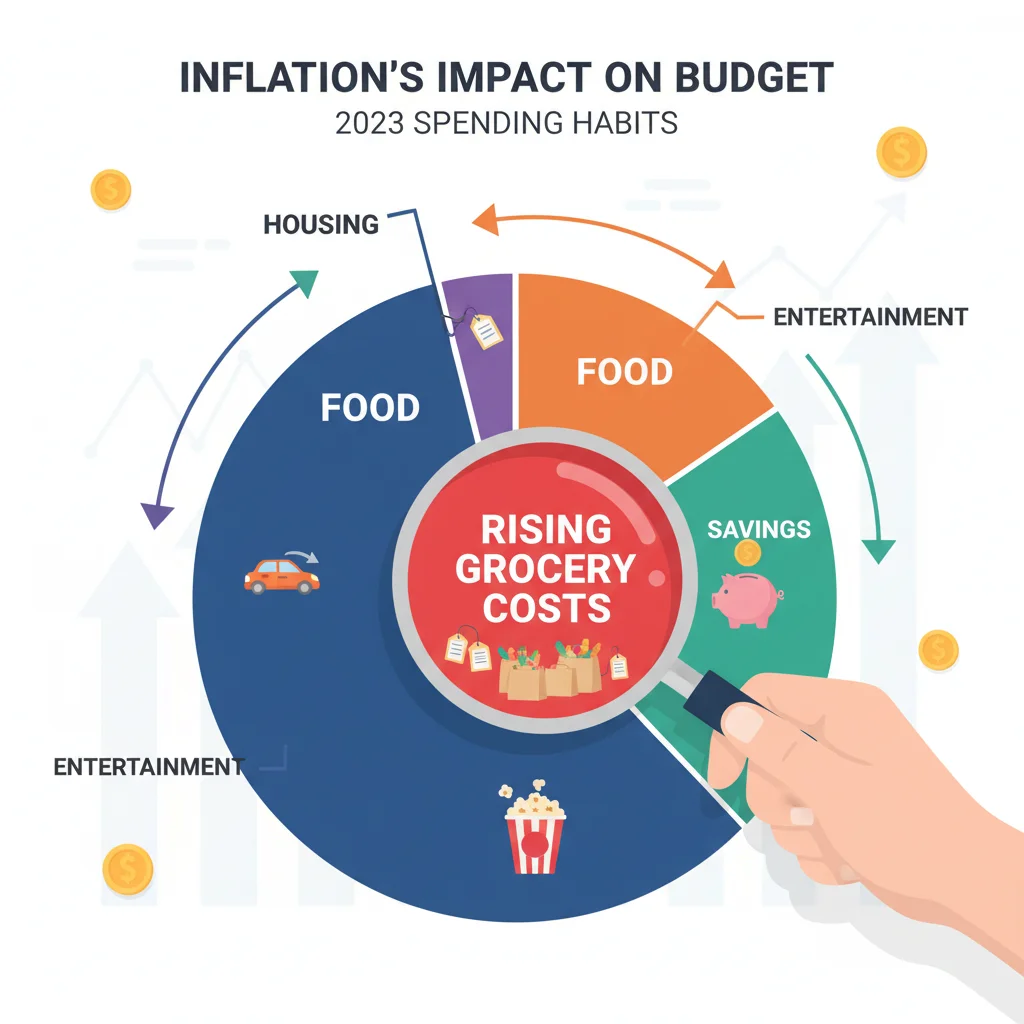
Before we dive into solutions, it’s crucial to grasp how inflation specifically affects your personal budget. At its core, inflation means that the same amount of money buys fewer goods and services over time. This erosion of purchasing power can manifest in several ways:
- Increased Cost of Living: Everyday expenses like food, housing, transportation, and healthcare become more expensive. Your current salary might not stretch as far as it used to, leading to a feeling of financial squeeze.
- Reduced Savings Value: Money held in traditional savings accounts with low-interest rates loses value. If the interest earned is less than the inflation rate, your savings are effectively shrinking.
- Higher Debt Burden: While inflation can sometimes erode the real value of fixed-rate debt over a very long period, rising interest rates often accompany inflationary environments, making new borrowing more expensive and increasing payments on variable-rate loans.
- Pressure on Discretionary Spending: As essential costs rise, there’s less money available for non-essential items like entertainment, dining out, or vacations, impacting your quality of life.
The key to successful budgeting for inflation is acknowledging these impacts and creating a budget that actively mitigates them. It’s not about cutting every expense, but rather strategically reallocating resources and finding efficiencies to protect your financial future. The year 2026 might seem distant, but the financial adjustments made today will have a profound impact on your stability then.
Anúncios
Adjustment 1: Re-evaluate and Optimize Your Spending Categories
The first and most fundamental step in adapting your budget for inflation is a thorough re-evaluation of your spending habits. Many people create a budget once and then rarely revisit it. However, in an inflationary environment, this static approach is detrimental. Prices for different goods and services don’t all rise at the same rate. Some categories might see significant spikes, while others remain relatively stable.
Detailed Steps for Re-evaluation:
- Track Everything Meticulously: For at least a month, meticulously track every dollar you spend. Use budgeting apps, spreadsheets, or even a notebook. This will give you an accurate picture of where your money is actually going, not just where you think it’s going.
- Identify Inflation Hotspots: Compare your current spending with previous months or years. Where have you noticed the most significant price increases? Groceries, gas, and utilities are common culprits during inflationary periods.
- Categorize and Prioritize: Divide your expenses into ‘needs’ (housing, food, utilities, transportation to work, healthcare) and ‘wants’ (entertainment, dining out, subscriptions, new gadgets). Within ‘needs,’ prioritize those that are absolutely non-negotiable.
- Seek Alternatives and Discounts: For inflation-hit categories, actively seek ways to reduce costs. Can you switch to generic brands for groceries? Cook more at home? Carpool or use public transport more often? Shop around for better utility providers or insurance rates? This active search for value is crucial for effective budgeting for inflation.
- Cut Unnecessary Subscriptions and Services: Review all your monthly subscriptions (streaming services, gym memberships, apps). Are you using them enough to justify the cost? Even small, recurring expenses add up quickly.
By diligently going through this process, you’ll uncover areas where you can trim expenses without significantly impacting your quality of life. The goal isn’t deprivation, but rather smart allocation of your increasingly valuable dollars. This dynamic approach to your budget ensures that you’re always one step ahead of rising costs, making your money work harder for you in 2026.
Adjustment 2: Boost Your Income and Diversify Revenue Streams
While cutting expenses is vital, there’s a limit to how much you can cut. To truly get ahead in an inflationary environment, you must also focus on the other side of the equation: increasing your income. Relying solely on your primary job for income can leave you vulnerable if your salary increases don’t keep pace with inflation.
Strategies to Increase and Diversify Income:
- Negotiate Salary or Seek Raises: Don’t be afraid to advocate for yourself. Research industry standards and come prepared with your accomplishments to negotiate a higher salary or annual raise that at least matches the inflation rate. This is a direct way to combat the erosion of your purchasing power.
- Explore Side Hustles: The gig economy offers countless opportunities to earn extra income. Consider freelancing in your area of expertise, driving for a ride-share service, selling crafts online, or tutoring. Even a few hundred extra dollars a month can make a significant difference in your ability to cope with rising costs.
- Monetize Hobbies or Skills: Do you have a hobby that could generate income? Photography, writing, graphic design, web development, or even pet sitting can be turned into a profitable side venture. Leveraging existing skills is an efficient way to boost your income without extensive new training.
- Invest in Skills Development: Acquire new skills or certifications that are in high demand. This can lead to promotions, better job opportunities, or higher-paying freelance work, directly improving your earning potential and making your income more inflation-resistant.
- Consider Rental Income: If you have spare property or even a spare room, consider renting it out. This can provide a steady stream of passive income that helps offset inflationary pressures on your housing costs.
Diversifying your income streams creates a financial buffer, reducing your reliance on a single source of income and providing more flexibility in your budgeting for inflation strategy. The more avenues you have for generating money, the better equipped you will be to absorb price increases and maintain your desired lifestyle as we approach and move through 2026.
Adjustment 3: Strategic Savings and Investment for Inflation Protection
Simply saving money in a traditional low-interest savings account is often not enough to beat inflation. In fact, it can lead to a real loss of wealth. Strategic savings and smart investments are crucial components of effective budgeting for inflation.
Key Strategies for Savings and Investments:
- High-Yield Savings Accounts (HYSAs): While HYSAs might not always beat inflation, they offer significantly better returns than traditional savings accounts. Look for accounts with competitive interest rates to minimize the erosion of your cash reserves.
- Inflation-Protected Securities (e.g., TIPS): Treasury Inflation-Protected Securities (TIPS) are U.S. Treasury bonds that are indexed to inflation. Their principal value increases with inflation and decreases with deflation, offering a direct hedge against rising prices.
- Diversified Investment Portfolio: A well-diversified investment portfolio is your best defense against inflation in the long term. This typically includes a mix of stocks, bonds, real estate, and potentially commodities.
- Stocks: Companies that can pass on higher costs to consumers tend to perform well during inflationary periods. Investing in strong companies across various sectors can offer growth potential.
- Real Estate: Historically, real estate has been a good hedge against inflation, as property values and rental income tend to rise with general price levels.
- Commodities: Gold, silver, oil, and other commodities can perform well during inflationary times, as their prices often increase with the cost of living. However, they can also be volatile.
- Review Retirement Accounts: Ensure your 401(k) or IRA is adequately diversified and positioned to grow faster than inflation. Consult with a financial advisor to optimize your retirement savings strategy.
- Pay Down High-Interest Debt: While not strictly an investment, paying down high-interest debt (like credit card debt) is a guaranteed return on your money. The interest you save is money you keep, which is particularly valuable when everything else is becoming more expensive.
The goal here is to make your money work as hard as possible for you, ensuring that your savings and investments are not just growing, but growing at a rate that outpaces or at least keeps pace with inflation. This requires a proactive approach and regular review of your financial portfolio. Don’t let your hard-earned money lose its value; make strategic choices for 2026 and beyond as part of your budgeting for inflation plan.
Adjustment 4: Build and Maintain a Robust Emergency Fund
An emergency fund is always important, but its significance amplifies during periods of high inflation. Unexpected expenses, job loss, or medical emergencies can be devastating when the cost of everything else is also rising. A robust emergency fund provides a crucial safety net, preventing you from going into high-interest debt or liquidating investments at an inopportune time.
Building Your Inflation-Proof Emergency Fund:
- Target 6-12 Months of Living Expenses: While the traditional advice is 3-6 months, in an inflationary environment, aiming for 6-12 months of essential living expenses is a safer bet. This provides a larger buffer against unexpected costs and potential income disruptions.
- Factor in Inflation When Calculating: When determining your ‘living expenses,’ remember to account for potential future price increases. Don’t just base it on today’s costs; project what those expenses might look like in 2026. This forward-thinking approach is key to effective budgeting for inflation.
- Keep it Liquid but Accessible: Your emergency fund should be easily accessible but not too tempting to dip into for non-emergencies. A high-yield savings account is an ideal place for this fund, offering liquidity and a better return than a checking account.
- Automate Your Savings: Set up automatic transfers from your checking account to your emergency fund each payday. This ‘pay yourself first’ strategy ensures consistent growth without requiring constant effort.
- Replenish as Needed: If you have to use your emergency fund, make replenishing it a top financial priority. Treat it like a non-negotiable bill until it’s back to your target level.
A well-funded emergency reserve offers not just financial security but also peace of mind. It allows you to weather economic storms without compromising your long-term financial goals, making it an indispensable part of your strategy for budgeting for inflation in 2026. This fund acts as your personal shield against the unpredictable nature of economic shifts, ensuring that you can maintain stability even when external factors are challenging.

Beyond the Four Adjustments: Continuous Monitoring and Adaptability
While these four adjustments form the bedrock of effective budgeting for inflation, the economic climate is dynamic. What works today might need slight modifications tomorrow. Therefore, continuous monitoring and a willingness to adapt are paramount for sustained financial health. Think of your budget not as a static document, but as a living, breathing financial plan that evolves with your circumstances and the broader economy.
Key Principles for Ongoing Financial Resilience:
- Regular Budget Reviews: Schedule monthly or quarterly reviews of your budget. Compare your actual spending against your planned budget, identify discrepancies, and make necessary adjustments. This regular check-up allows you to catch minor issues before they become major problems.
- Stay Informed: Keep an eye on economic news and inflation reports. Understanding broader economic trends can help you anticipate future challenges and make proactive financial decisions. Knowledge is power when it comes to protecting your wealth.
- Financial Education: Continuously educate yourself about personal finance, investment strategies, and economic principles. The more you know, the better equipped you’ll be to make informed decisions and navigate complex financial landscapes.
- Seek Professional Advice: If you find yourself overwhelmed or need specialized guidance, don’t hesitate to consult a certified financial planner. They can offer tailored advice based on your unique financial situation and goals, helping you optimize your strategy for budgeting for inflation.
- Embrace Frugality Mindset: While not about deprivation, adopting a mindset of conscious spending and seeking value can significantly aid your efforts. This means questioning every purchase and prioritizing needs over wants, especially when prices are on an upward trend.
The journey of budgeting for inflation is ongoing. It requires discipline, foresight, and a commitment to continuous learning. By embedding these practices into your financial routine, you’re not just reacting to inflation; you’re building a robust financial framework that can withstand economic pressures and help you achieve your financial aspirations in 2026 and well beyond.
The Long-Term Vision: Securing Your Financial Future Against Inflation
The strategies discussed for budgeting for inflation are not just about surviving 2026; they are about building long-term financial resilience. Inflation is a recurring economic phenomenon, and developing habits that address it will serve you well throughout your financial life. By making these adjustments, you are essentially investing in your future self, ensuring that your hard work and savings retain their value.
Consider the cumulative effect of small, consistent changes. Reducing a few unnecessary expenses here, earning a little extra income there, and making smarter investment choices can lead to substantial financial gains over time. The power of compounding works not only for your investments but also for the savings generated through diligent budgeting. Every dollar saved or earned more efficiently is a dollar that combats inflation’s erosive effect.
Moreover, a well-managed budget provides a sense of control and reduces financial stress. When you know where your money is going and have a plan to address rising costs, you can make decisions with confidence, rather than anxiety. This psychological benefit is often overlooked but is incredibly valuable for overall well-being.
In conclusion, as we approach 2026, the imperative to master budgeting for inflation becomes increasingly clear. By re-evaluating spending, boosting income, making strategic investments, and fortifying your emergency fund, you are not just reacting to economic pressures; you are proactively shaping a secure and prosperous financial future. Start today, stay vigilant, and empower your money to work for you, no matter what the economic climate brings.