Navigating Digital Consumer Rights: A 2026 Guide to Online Purchase Protection and Recent Updates
In an increasingly digital world, online shopping has become an indispensable part of our daily lives. From groceries to gadgets, virtually everything is just a few clicks away. However, with the convenience comes a new set of challenges, particularly concerning consumer protection. As technology evolves, so do the regulations designed to safeguard buyers. This comprehensive guide delves into the current landscape of digital consumer rights in 2026, highlighting recent updates, common pitfalls, and effective remedies for online purchases.
Understanding your rights as an online consumer is more critical than ever. The legal frameworks governing e-commerce are constantly adapting to new technologies, payment methods, and cross-border transactions. This article aims to empower you with the knowledge needed to navigate the complexities of online commerce with confidence, ensuring you are well-equipped to handle any issues that may arise.
Anúncios
The Evolving Landscape of Digital Consumer Rights in 2026
The year 2026 marks a significant period for digital consumer rights, with several key legislative and technological advancements shaping the way we shop online. Governments and international bodies are continually working to harmonize laws, address emerging threats like AI-driven fraud, and ensure a level playing field for consumers globally. This evolution is driven by the rapid pace of digital innovation and the increasing sophistication of online marketplaces.
One of the most notable developments is the increased emphasis on data privacy and security. Consumers are becoming more aware of the value of their personal data, and regulations such as GDPR (General Data Protection Regulation) and CCPA (California Consumer Privacy Act) have set a precedent for stricter controls. In 2026, we see these principles being further embedded into new legislation, requiring online retailers to be more transparent about how they collect, use, and protect customer information. This focus on data protection directly impacts digital consumer rights, as it ensures that personal information used during online transactions is handled responsibly, reducing the risk of identity theft and other cybercrimes.
Anúncios
Another crucial area of development is the regulation of digital content and services. Unlike physical goods, digital products (e.g., software, e-books, streaming subscriptions) present unique challenges regarding ownership, refunds, and ongoing access. Recent updates in consumer law are beginning to provide clearer guidelines on these matters, ensuring that consumers have similar protections for digital purchases as they do for tangible items. This includes rights concerning faulty digital content, the ability to cancel subscriptions, and clarity on licensing agreements. These protections are vital for a modern economy where digital goods constitute a significant portion of consumer spending.
Key Pillars of Digital Consumer Rights
At its core, digital consumer rights are built upon several fundamental principles designed to ensure fairness, transparency, and accountability in the online marketplace. These pillars provide a framework for resolving disputes and protecting consumers from deceptive practices.
Right to Information and Transparency
Every online consumer has the right to clear, accurate, and comprehensive information about the product or service they are purchasing. This includes details about the seller, the total price (including all taxes and fees), delivery costs, payment methods, and estimated delivery times. In 2026, regulations are even more stringent, requiring sellers to disclose any use of AI in product recommendations, dynamic pricing, or customer service interactions. The right to information extends to terms and conditions, privacy policies, and return policies, which must be easily accessible and understandable. Lack of transparency can often be a red flag, and consumers are encouraged to scrutinize these details before making a purchase.
Right to a Safe and Secure Transaction
Security is paramount in online transactions. Consumers have the right to expect that their personal and financial information will be protected from unauthorized access, fraud, and cyberattacks. This means online retailers must employ robust security measures, including encryption (SSL/TLS), secure payment gateways, and compliance with data protection regulations. Should a security breach occur, consumers have rights to notification and, in some cases, compensation. The emphasis on secure transactions reinforces the trust essential for the growth of e-commerce and directly impacts how consumers perceive their digital consumer rights.
Right to Fair Terms and Conditions
Online contracts, often presented as ‘click-wrap’ agreements, must be fair and not contain unreasonable clauses that disadvantage the consumer. Unfair contract terms, such as those that severely limit a consumer’s rights to seek remedies or impose excessive penalties, are increasingly being challenged and invalidated by regulatory bodies. Consumers should always read the terms and conditions, even if it’s a lengthy document, to ensure they understand their obligations and rights. This right ensures that businesses cannot exploit consumers through one-sided agreements.
Right to Redress and Remedies
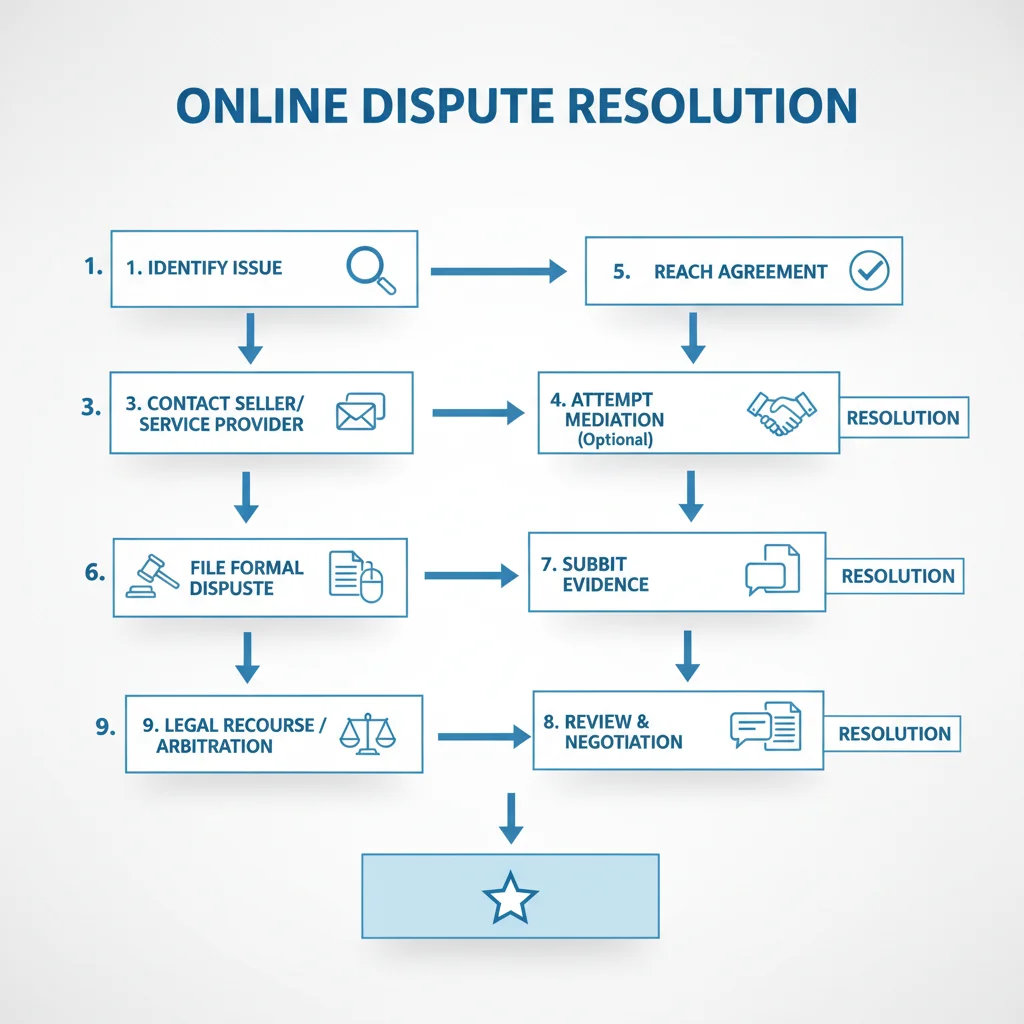
Perhaps one of the most critical aspects of digital consumer rights is the ability to seek redress when something goes wrong. This includes the right to a refund, replacement, repair, or compensation for faulty products, services not rendered, or misrepresentations. The process for lodging complaints and seeking remedies should be straightforward and accessible. In 2026, there’s a growing push for more efficient online dispute resolution (ODR) mechanisms to handle consumer complaints swiftly and effectively, reducing the need for costly and time-consuming litigation. This ensures that consumers are not left without recourse when problems arise with their online purchases.
Recent Updates and Emerging Trends in 2026
The landscape of digital consumer rights is dynamic, with continuous updates reflecting technological advancements and evolving societal expectations. Here are some of the most significant recent developments and trends observed in 2026:
AI and Algorithmic Transparency
The pervasive use of Artificial Intelligence (AI) in e-commerce, from personalized recommendations to dynamic pricing, has introduced new complexities. Consumers now have a growing right to understand when they are interacting with AI, how AI-driven decisions are made (especially those impacting pricing or access to services), and the ability to opt-out of certain AI-driven processes. This trend emphasizes algorithmic transparency, ensuring that AI systems are used ethically and do not lead to discriminatory or unfair outcomes. This is a frontier area for digital consumer rights, as regulators grapple with how to govern these powerful new tools.
Cross-Border Consumer Protection
With global marketplaces, consumers often purchase from sellers located in different countries. This can complicate dispute resolution due to varying legal jurisdictions. In 2026, there’s a concerted effort among international bodies to strengthen cross-border consumer protection. This includes agreements for mutual recognition of consumer judgments, simplified procedures for international complaints, and enhanced cooperation between national consumer protection agencies. The goal is to ensure that a consumer’s rights are protected regardless of where the seller is based, making international online shopping safer and more reliable.
Sustainability and Ethical Sourcing Disclosures
As environmental and social consciousness grows, consumers are increasingly demanding transparency about product sustainability and ethical sourcing. New regulations in 2026 are beginning to mandate clear disclosures from online retailers regarding the environmental impact of their products, labor practices in their supply chains, and whether products are genuinely ‘green’ or ‘eco-friendly’ as advertised. Misleading claims in this area can now be challenged as deceptive trade practices, falling under the umbrella of broader digital consumer rights. This shift reflects a move towards more responsible consumption and production.
Enhanced Protections for Digital Services and Subscriptions
The subscription economy continues to boom, and with it, the need for stronger protections for digital services. Recent updates ensure easier cancellation processes, clearer terms for auto-renewals, and the right to access digital content even if a service provider goes out of business. There’s also an increased focus on the ‘right to repair’ for digital devices and software, ensuring consumers aren’t locked into proprietary ecosystems for maintenance and updates. These measures are crucial for protecting consumers in a world increasingly reliant on digital subscriptions and services.
Common Issues and How to Exercise Your Rights
Despite robust digital consumer rights, problems can still arise. Knowing how to effectively address these issues is key to a positive online shopping experience. Here are some common problems and the steps you can take:
Non-Delivery or Late Delivery
If your item doesn’t arrive or is significantly delayed, first contact the seller directly. Most retailers have a clear policy for lost or delayed shipments. If the seller is unresponsive or unhelpful, check their terms and conditions for their resolution process. You may be entitled to a refund or a replacement. If purchased with a credit card, you might be able to initiate a chargeback. Keep all communication records as evidence.
Faulty or Damaged Goods
Upon receiving a faulty or damaged item, document the issue immediately with photos or videos. Contact the seller as soon as possible to report the problem. Under digital consumer rights, you typically have the right to a repair, replacement, or refund, depending on the severity and timing of the defect. Be aware of return windows and conditions. Many jurisdictions have ‘implied warranties’ that goods must be fit for purpose and of satisfactory quality, regardless of the seller’s stated warranty.
Misleading Product Descriptions
If a product you receive does not match its description or images online, this constitutes a misrepresentation. Gather evidence of the discrepancy and contact the seller to demand a refund or exchange. If the seller refuses, you can escalate the complaint to consumer protection agencies or use online dispute resolution platforms. False advertising is a serious breach of digital consumer rights.
Unauthorized Charges or Fraud
Discovering an unauthorized charge on your bank statement or credit card is alarming. Immediately contact your bank or credit card provider to report the fraudulent activity. They can often reverse the charges and issue a new card. Also, inform the online retailer if you can identify them. Regular monitoring of your financial statements is a crucial preventative measure against such fraud.
Remedies and Resolution Mechanisms
When direct communication with the seller fails, various avenues are available to resolve disputes and enforce your digital consumer rights.
Online Dispute Resolution (ODR) Platforms
Many jurisdictions and e-commerce platforms offer ODR services. These platforms provide a neutral third party to mediate or arbitrate disputes between consumers and sellers. They are often quicker and less expensive than traditional legal routes, making them an attractive option for resolving common online shopping issues. Familiarize yourself with ODR options available in your region or through the platform you used for your purchase.
Consumer Protection Agencies
Government consumer protection agencies (e.g., Federal Trade Commission in the US, Citizens Advice in the UK, ACCC in Australia) are vital resources. They can provide advice, mediate disputes, and, in some cases, take enforcement action against businesses that repeatedly violate digital consumer rights. Filing a complaint with these agencies can often prompt a resolution, as businesses are keen to avoid regulatory scrutiny.
Chargebacks and Payment Protection
Credit card companies and some payment services (like PayPal) offer chargeback mechanisms. This allows you to dispute a transaction and potentially get your money back if the seller fails to deliver the goods or services as promised, or if there’s fraud. Understanding the chargeback process and its time limits is essential for leveraging this powerful consumer protection tool. This is a direct and often effective way to enforce your digital consumer rights when a seller is uncooperative.
Small Claims Court
For larger disputes or when other avenues have failed, pursuing a claim in small claims court might be an option. These courts are designed to handle disputes involving smaller monetary amounts without the need for extensive legal representation, making them more accessible to individual consumers. While more formal, it provides a legal avenue to enforce your digital consumer rights.
Preventative Measures for Smart Online Shopping
While knowing your digital consumer rights and remedies is crucial, prevention is always better than cure. Here are some best practices for smart online shopping:
- Research Sellers Thoroughly: Before making a purchase, especially from an unfamiliar site, check reviews, ratings, and the seller’s reputation. Look for contact information and a physical address.
- Read the Fine Print: Always review the terms and conditions, return policy, and privacy policy. Pay close attention to shipping costs, warranty details, and any subscription auto-renewal clauses.
- Use Secure Payment Methods: Opt for credit cards or secure payment services like PayPal, which offer stronger consumer protections than debit cards or bank transfers. Avoid paying via wire transfer or cryptocurrency for unknown sellers.
- Keep Records: Save copies of your order confirmation, product descriptions, communication with the seller, and any transaction details. This documentation is invaluable if a dispute arises.
- Monitor Bank Statements: Regularly check your bank and credit card statements for any unauthorized or suspicious transactions.
- Use Strong Passwords and Two-Factor Authentication (2FA): Protect your online accounts with unique, strong passwords and enable 2FA wherever possible to prevent unauthorized access.
- Be Wary of Phishing Scams: Be cautious of unsolicited emails or messages asking for personal information or directing you to suspicious websites. Always verify the sender and the legitimacy of links.
- Understand Return Policies: Different retailers have different return policies. Ensure you understand the conditions, timeframe, and who bears the cost of return shipping before making a purchase.
The Future of Digital Consumer Rights: What’s Next?
The journey of digital consumer rights is far from over. As technology continues its relentless march forward, new challenges and opportunities for consumer protection will emerge. Looking ahead, we can anticipate several key areas of focus:
Regulation of the Metaverse and Virtual Economies
The rise of the metaverse and virtual economies presents a new frontier for consumer protection. As people increasingly spend money on virtual goods, NFTs (Non-Fungible Tokens), and experiences within these digital realms, questions of ownership, refunds, and fraud prevention become paramount. Future legislation will likely extend digital consumer rights into these immersive digital spaces, ensuring that transactions in virtual worlds are as protected as those in the physical one.
Personalized Pricing and Algorithmic Fairness
The debate around personalized pricing (where different customers see different prices for the same product) and algorithmic fairness will intensify. Regulators will likely impose stricter rules to prevent discriminatory pricing practices and ensure that AI algorithms do not create unfair advantages or disadvantages for certain consumer groups. Transparency in how prices are determined will be a key aspect of future digital consumer rights.
Enhanced Data Portability and Control
While GDPR and similar laws have provided significant data privacy rights, the future may bring even greater emphasis on data portability and consumer control over their digital footprint. This could mean easier ways to transfer personal data between services, more granular control over data sharing, and stronger penalties for companies that misuse consumer data. Empowering consumers with greater control over their data is a fundamental aspect of evolving digital consumer rights.
Global Harmonization of E-commerce Laws
The push for greater international cooperation in e-commerce law will continue. As online trade becomes increasingly global, a harmonized set of digital consumer rights across different jurisdictions would simplify cross-border transactions and dispute resolution, offering more consistent protection to consumers worldwide. This involves complex negotiations and agreements among nations but is a necessary step for a truly global digital marketplace.

Conclusion: Empowering the Digital Consumer
The world of online shopping offers unparalleled convenience and choice, but it also demands a proactive approach to consumer protection. By staying informed about your digital consumer rights, understanding recent updates, and knowing how to navigate potential issues, you can safeguard your online purchases and enjoy a more secure and satisfying e-commerce experience.
In 2026, the framework for digital consumer rights is more robust than ever, with a clear trend towards greater transparency, security, and accountability from online sellers. As consumers, our role is to leverage these rights, engage responsibly with online platforms, and advocate for further protections as the digital landscape continues to evolve. Empower yourself with knowledge, exercise your rights, and shop online with confidence.