Dynamic Pricing Explained: Algorithms, Retailers, and Your Wallet in 2026

Anúncios
In the rapidly evolving landscape of 2026, the way we shop and the prices we pay are more fluid than ever before. Welcome to the age of Dynamic Pricing Algorithms, a sophisticated system where the price of a product or service isn’t static but constantly adjusts based on a myriad of factors. This isn’t just about sales or seasonal discounts; it’s a fundamental shift in how retailers set prices, driven by powerful artificial intelligence and vast amounts of data. Understanding this phenomenon is crucial for both consumers and businesses as we navigate the future of commerce.
For decades, pricing was a relatively straightforward affair. Retailers would set a price, perhaps adjust it for promotions, and that was that. Today, however, the digital revolution, coupled with advancements in AI and big data analytics, has given birth to a new era. Retailers, from e-commerce giants to brick-and-mortar stores, are now armed with algorithms that can recalibrate prices in real-time, sometimes multiple times a day, or even within minutes. This article delves deep into what Dynamic Pricing Algorithms are, how they work, the implications for retailers and consumers in 2026, and how you can best adapt to this intelligent pricing environment.
Anúncios
What Are Dynamic Pricing Algorithms?
At its core, Dynamic Pricing Algorithms refer to the practice of adjusting prices for products or services in response to market demand, competitor pricing, customer behavior, and other external factors. Unlike traditional fixed pricing, dynamic pricing is fluid and responsive. These algorithms are the brains behind this flexibility, using complex mathematical models and AI to analyze data and determine the optimal price at any given moment.
Think of it as a constant, automated negotiation between the retailer and the market. The goal for retailers is to maximize revenue and profit margins, while for consumers, it means prices can fluctuate significantly, sometimes within a single shopping session. This strategy is not entirely new; airlines and hotels have famously used it for years. However, in 2026, its application has broadened exponentially, touching almost every sector of retail.
The Core Mechanics: How Algorithms Work
The power of Dynamic Pricing Algorithms lies in their ability to process and interpret vast datasets at an incredible speed. Here’s a breakdown of the key components and how they interact:
Anúncios
- Data Collection: Algorithms feed on data. This includes historical sales data, competitor prices, inventory levels, customer demographics, browsing history, purchase patterns, time of day, day of the week, seasonality, local events, weather, and even macroeconomic indicators.
- Predictive Analytics: Using machine learning models, these algorithms can predict future demand and pricing trends. They analyze past behavior to forecast how likely a customer is to buy at a certain price point.
- Optimization: The algorithms then use optimization techniques to calculate the price that will yield the best outcome for the retailer, whether that’s maximizing profit, clearing inventory, or gaining market share.
- Real-time Adjustment: Prices are not set and forgotten. They are continuously monitored and adjusted in real-time. If a competitor drops their price, the algorithm can respond instantly. If demand for a product suddenly spikes, the price can increase.
The sophistication of these algorithms varies. Some are rule-based, following predefined conditions (e.g., "if competitor price drops by 5%, match it"). Others are highly advanced, employing deep learning to identify subtle patterns and make nuanced pricing decisions that human analysts might miss. The continuous learning aspect means these algorithms become more accurate and effective over time, constantly refining their strategies based on new data and outcomes.
Retailers Embracing Dynamic Pricing Algorithms in 2026
In 2026, Dynamic Pricing Algorithms are no longer a niche strategy; they are a mainstream tool for competitive retailers. E-commerce platforms were early adopters, but now traditional brick-and-mortar stores are also integrating these systems, often through digital price tags and integrated inventory management systems.
E-commerce Dominance
Online retailers are particularly adept at using dynamic pricing due to the ease of changing prices digitally and the wealth of data they collect on user behavior. Amazon, for example, is renowned for its constant price adjustments, often changing millions of prices multiple times a day. This allows them to react instantly to competitor moves, manage inventory efficiently, and offer personalized pricing based on a user’s browsing history or location.
Brick-and-Mortar Integration
Physical stores are catching up. Electronic shelf labels (ESLs) are becoming more common, allowing stores to instantly update prices across thousands of products with a click of a button. This enables them to participate in the dynamic pricing game, responding to online competitor prices, local demand fluctuations, or even in-store traffic patterns. Imagine a grocery store adjusting the price of fresh produce based on predicted spoilage rates or a fashion retailer discounting items more aggressively on a rainy day when foot traffic is low.
Industry-Specific Applications
- Travel & Hospitality: Airlines, hotels, and ride-sharing services (like Uber and Lyft) are prime examples. Prices for flights, rooms, and rides fluctuate based on demand, time of booking, availability, and even surge pricing during peak hours or events.
- Retail Goods: From electronics and apparel to groceries and home goods, almost any product sold by a major retailer can be subject to dynamic pricing. Limited stock, high demand, or competitor promotions can trigger price changes.
- Event Ticketing: Concerts, sports events, and theater tickets often use dynamic pricing, where prices increase as the event date approaches or as demand for certain seating sections rises.
- Subscription Services: While less overt, some subscription services might dynamically adjust introductory offers or renewal rates based on user engagement or competitor offerings.
How Dynamic Pricing Affects You, The Consumer
The widespread adoption of Dynamic Pricing Algorithms has profound implications for consumers. While it can sometimes lead to lower prices, it also introduces complexity and the potential for frustration.
Potential Benefits for Consumers
- Lower Prices: In a competitive market, dynamic pricing can drive prices down as retailers race to offer the best deal, especially for products with high inventory or low demand. Flash sales and promotions can be more targeted and frequent.
- Better Availability: By optimizing prices, retailers can better manage inventory, potentially leading to fewer stockouts of popular items.
- Personalized Deals: Algorithms can identify your preferences and offer deals on items you’re likely to buy, enhancing the shopping experience (though this also raises privacy concerns).
Challenges and Concerns for Consumers
- Price Volatility: The most immediate effect is that prices are less predictable. The price you see today might be different tomorrow, or even an hour later. This can lead to "buyer’s remorse" if you buy something only to see its price drop shortly after.
- Feeling Manipulated: Some consumers might feel that dynamic pricing is designed to exploit their urgency or lack of information, leading to a sense of unfairness.
- Price Discrimination: Algorithms can potentially offer different prices to different customers based on their perceived willingness to pay, their location, browsing history, or even the device they are using. While often aiming for personalization, this can feel like discrimination.
- Difficulty in Comparison Shopping: With prices constantly changing, it becomes harder to compare deals across different retailers, as the "best price" can shift rapidly.
- Urgency and Impulse Buying: The fear of missing out on a good price can push consumers into making quicker purchasing decisions than they might otherwise.
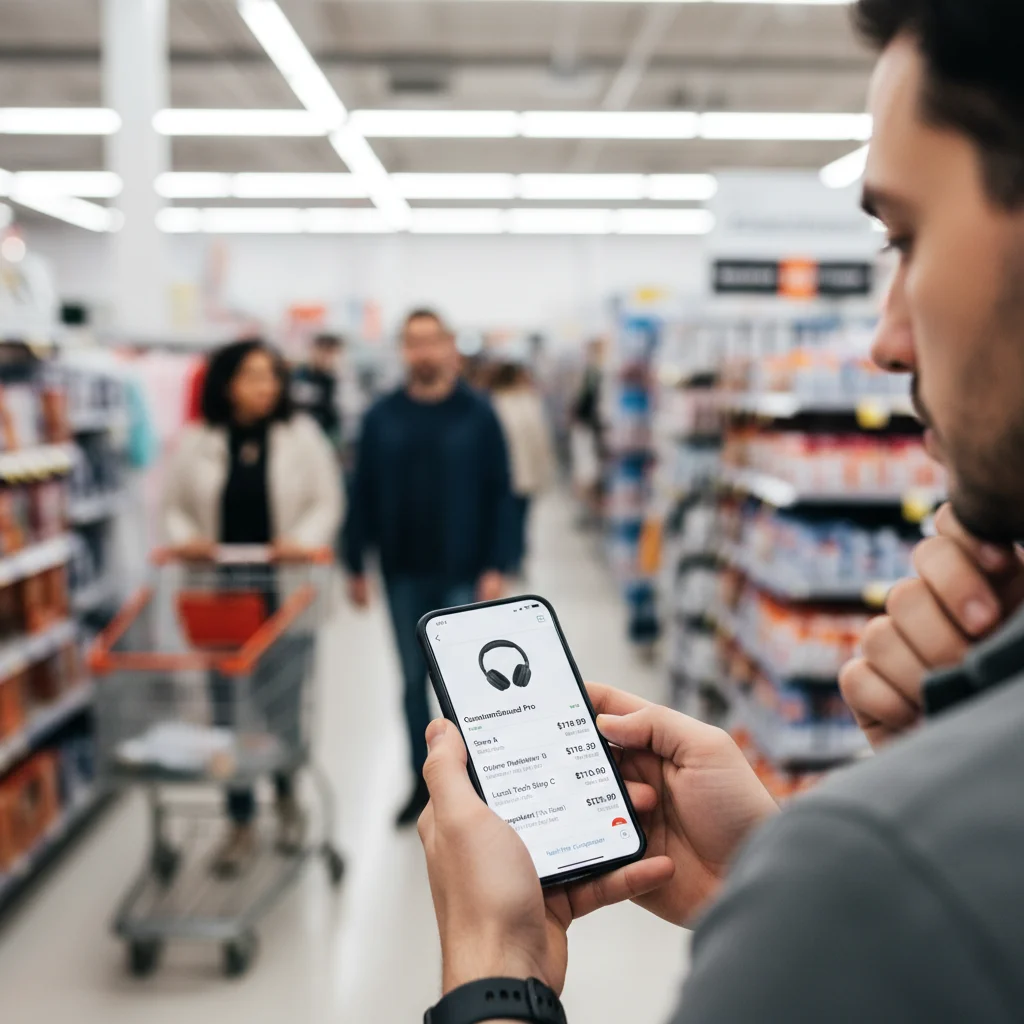
Navigating the Dynamic Pricing Landscape: Consumer Strategies
As Dynamic Pricing Algorithms become more pervasive, consumers need to adapt their shopping strategies to get the best value. Here are some tips:
- Track Prices Diligently: Use price tracking tools and browser extensions that monitor price changes on your desired products. Many services will alert you when a price drops to a certain threshold.
- Shop Around (Even for a Moment): Don’t settle for the first price you see. Check multiple retailers, even if it’s just refreshing the page or checking an aggregator site. Prices can vary significantly.
- Be Flexible with Purchase Times: If possible, avoid buying during peak demand times. For example, airline tickets are often cheaper mid-week, and popular electronics might see price drops during off-peak seasons.
- Clear Your Cookies/Use Incognito Mode: Some algorithms might track your browsing history and adjust prices based on your perceived interest. Clearing cookies or using incognito mode might present you with a "fresh" price.
- Leverage Price Match Policies: Many retailers still offer price matching. If you find a lower price elsewhere, ask if they will match it.
- Understand the Value, Not Just the Price: With fluctuating prices, it’s easy to get caught up in finding the absolute lowest number. Remember to also consider factors like warranty, return policy, customer service, and delivery speed when making a purchase decision.
- Be Wary of Urgency Tactics: "Only 3 left in stock!" or "Price expires in 10 minutes!" alerts are often used to trigger impulse buys. While some may be genuine, always take a moment to consider if the purchase is truly necessary.
The Ethical and Regulatory Considerations of Dynamic Pricing Algorithms
The rise of Dynamic Pricing Algorithms also brings forth important ethical and regulatory questions. While retailers aim to optimize their profits, concerns about fairness, transparency, and potential discrimination are growing.
Fairness and Transparency
One of the primary concerns is the lack of transparency. Consumers often don’t know why a price is what it is, or why it might be different for someone else. This can lead to a perception of unfairness. Regulators are beginning to explore whether consumers have a right to know how prices are determined and if certain types of price discrimination should be prohibited.
Algorithmic Bias
If the data fed into these algorithms contains biases (e.g., historical purchasing power differences across demographics), the algorithms could inadvertently perpetuate or even amplify those biases, leading to discriminatory pricing practices. Ensuring algorithms are fair and unbiased is a significant challenge for developers and retailers.
Regulatory Landscape
Governments and consumer protection agencies are increasingly scrutinizing dynamic pricing. While direct regulation is still nascent, discussions are ongoing regarding:
- Price Gouging: Laws against price gouging during emergencies are being re-evaluated in the context of algorithmic pricing.
- Consumer Protection: Measures to protect vulnerable consumers from potentially exploitative pricing are being considered.
- Data Privacy: The vast amounts of data collected to fuel these algorithms raise significant privacy concerns, leading to stricter data protection regulations.
The balance between a retailer’s right to set prices and a consumer’s right to fair and transparent treatment is a complex issue that will continue to evolve as dynamic pricing matures.
The Future of Dynamic Pricing: What to Expect Beyond 2026
Looking beyond 2026, the capabilities of Dynamic Pricing Algorithms are only expected to grow. Here’s what we might anticipate:
Hyper-Personalization
Expect even more granular personalization. Algorithms might soon be able to predict your exact willingness to pay for a specific item at a precise moment, tailoring offers that are almost impossible to resist. This could involve real-time offers pushed to your smart devices as you walk past a store or browse online.
AI-Driven Negotiation
The lines between fixed prices and negotiation could blur. Imagine AI-powered chatbots that can "negotiate" prices with you in real-time, offering discounts based on your loyalty, purchase history, or even your current mood detected through facial recognition (with consent, of course).
Predictive Logistics Integration
Dynamic pricing will become even more intertwined with supply chain and logistics. Algorithms will not only optimize prices but also anticipate demand to adjust inventory, shipping routes, and staffing levels, creating a highly efficient, self-optimizing retail ecosystem.
Ethical AI and Explainable AI (XAI)
As concerns about fairness and transparency grow, there will be a greater push for ethical AI in pricing. This includes developing Explainable AI (XAI) models that can articulate *why* a particular price was set, offering more transparency to both retailers and consumers. Regulatory frameworks will likely mature to guide these developments.

Conclusion: Adapting to the Algorithmic Marketplace
The era of Dynamic Pricing Algorithms is firmly established in 2026, fundamentally reshaping the retail landscape for both businesses and consumers. For retailers, it offers unprecedented opportunities for efficiency, revenue optimization, and competitive advantage. For consumers, it presents a complex environment where price literacy and savvy shopping strategies are more important than ever.
As these algorithms continue to evolve, becoming more sophisticated and pervasive, the dialogue around their ethical implications, regulatory oversight, and impact on consumer behavior will intensify. The key for success, whether you’re a retailer or a shopper, lies in understanding these dynamics, adapting to the changes, and leveraging available tools and information to make informed decisions. The future of shopping is intelligent, fluid, and constantly recalibrating, and being prepared is the best way to thrive in this new algorithmic marketplace.