Federal vs. State Benefits 2026: Which Programs Offer More?
Anúncios
Understanding the intricacies of federal versus state-administered benefits in 2026 is crucial for maximizing support, as programs vary significantly in scope, eligibility, and generosity across different government levels.
As we approach 2026, navigating the landscape of government assistance can feel like a complex puzzle. For many Americans, understanding the differences when comparing Federal vs State Benefits is paramount to accessing the support they need. This exploration will delve into the nuances of these critical programs, helping you discern where greater advantages might lie.
Anúncios
Understanding the Federal Framework of Benefits
Federal benefits form the bedrock of the nation’s social safety net, established to provide a baseline of support across all states. These programs are typically funded and overseen by the U.S. government, ensuring a degree of uniformity in their application and availability. However, even federally funded programs can have state-level variations in administration.
The primary goal of federal benefit programs is to address widespread societal needs, such as retirement security, healthcare access, and unemployment protection. They often represent significant financial commitments from the national budget, reflecting a collective responsibility to support citizens through various life stages and challenges.
Key Federal Programs and Their Scope
Several prominent federal programs directly impact millions of Americans. Understanding their structure is vital for anyone seeking assistance.
Anúncios
- Social Security: Provides retirement, disability, and survivor benefits, funded through payroll taxes. It offers a consistent income stream across all states, though cost-of-living adjustments can vary.
- Medicare: A national health insurance program primarily for people aged 65 or older, and some younger people with disabilities. Its benefits are uniform nationwide, covering hospital stays, medical services, and prescription drugs.
- Unemployment Insurance (UI): While federally mandated, UI is a joint federal-state program. Federal law sets broad guidelines, but states administer their own programs, determining specific benefit amounts, duration, and eligibility criteria.
Federal Funding and State Implementation
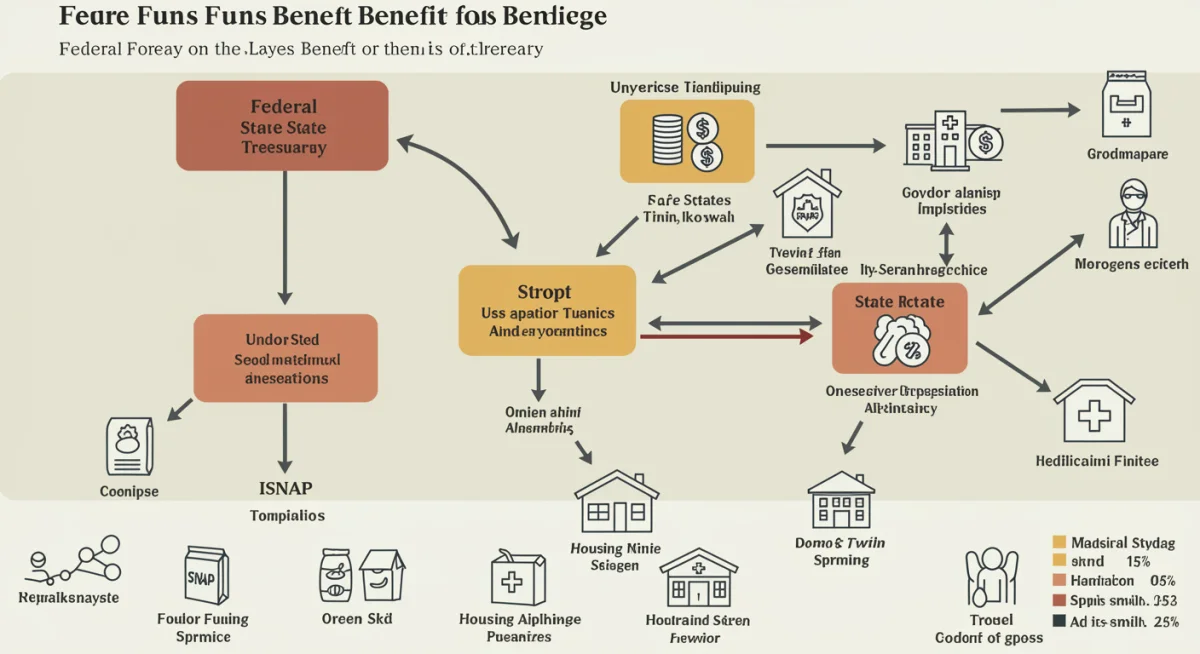
Many federal programs operate as a partnership, with federal funds dispersed to states for local administration. This model allows for federal oversight while enabling states to tailor certain aspects to their unique populations. For instance, Medicaid is a prime example where federal guidelines are strict, but states have considerable flexibility in implementation, leading to varying coverage and eligibility thresholds.
The federal government often sets minimum standards or provides matching funds, incentivizing states to participate and expand their services. This collaborative approach aims to balance national priorities with local needs, though it can create complexities for individuals trying to understand their entitlements.
In essence, the federal framework provides the foundational elements of many benefit programs. While offering broad coverage and a degree of standardization, the actual experience for recipients often depends on how these programs are interpreted and managed at the state level. This interplay between federal design and state execution is a recurring theme in the benefits landscape.
The Role of State-Administered Benefits
State-administered benefits play a crucial, often complementary, role to federal programs. These programs are either entirely funded and managed by individual states or involve a significant state contribution alongside federal funds. Their existence allows states to address specific local needs, demographic challenges, and economic conditions that might not be fully covered by federal initiatives alone.
The diversity among state-administered benefits is vast, reflecting the unique priorities and resources of each state. This can lead to significant variations in eligibility requirements, benefit amounts, and the scope of services offered. For residents, this means that the level of support available can differ dramatically simply by crossing state lines.
Examples of State-Specific Programs
States often innovate and create programs tailored to their populations, filling gaps left by federal legislation or enhancing existing services. These can range from housing assistance to educational grants.
- Medicaid Expansion: While a federal program, states had the option to expand Medicaid under the Affordable Care Act, significantly altering healthcare access for low-income adults. States that expanded offer broader coverage than those that did not.
- Temporary Assistance for Needy Families (TANF): Although federally funded, states have substantial flexibility in how they use TANF funds, leading to wide variations in cash assistance, work requirements, and family support services.
- State-Specific Housing Programs: Many states operate their own rental assistance, homelessness prevention, or affordable housing initiatives, often supplementing federal Section 8 or public housing programs.
Impact of State Discretion on Benefits
The degree of state discretion is a critical factor in determining the generosity and accessibility of benefits. States can set their own poverty thresholds, define what constitutes an eligible household, and establish different application processes. This autonomy allows for localized solutions but also introduces potential inequities.
For example, a family in one state might qualify for a certain level of food assistance or childcare subsidies, while a similar family in an adjacent state with a higher cost of living might receive less support or not qualify at all. These disparities highlight the importance of understanding your specific state’s benefits landscape.
Ultimately, state-administered benefits are designed to be responsive to local conditions. While this localized approach can be highly effective in addressing community-specific needs, it necessitates that individuals thoroughly research and understand the programs available in their particular state to ensure they are accessing all eligible forms of assistance.
Key Differences in Eligibility and Application Processes
One of the most significant areas where federal and state benefits diverge is in their eligibility criteria and the procedures required to apply for them. While federal programs aim for a degree of national standardization, state-administered programs often introduce additional layers of requirements that can complicate access.
For federal programs, eligibility is typically determined by national guidelines, often based on factors like age, income, disability status, or work history. The application process, while sometimes complex, generally follows a uniform structure across the country. However, when states administer federal programs or manage their own initiatives, these processes can become more localized and nuanced.
Varying Income Thresholds and Asset Limits
A primary difference lies in financial qualifications. Federal programs like Social Security or Medicare have relatively consistent income and asset rules. However, for programs like Medicaid or SNAP (Supplemental Nutrition Assistance Program), which are jointly funded, states can set their own income thresholds and asset limits, often influenced by local economic conditions and cost of living.
- Federal Consistency: Programs like Social Security Disability Insurance (SSDI) generally have a uniform definition of disability and work credit requirements nationwide.
- State Variation: State-specific programs, or state-administered federal programs, might have different definitions of ‘poverty level’ or ‘countable assets,’ leading to different eligibility outcomes for similar individuals in different states.
- Application Burden: Some states may require more extensive documentation or have more frequent re-certification processes, increasing the administrative burden on applicants.
Navigating State-Specific Documentation and Deadlines
Beyond financial criteria, states often impose their own documentation requirements and application deadlines. This can include specific forms, proofs of residency, or additional interviews not uniformly mandated by federal guidelines. Missing these state-specific details can lead to delays or denials, even if an applicant meets federal criteria.
For example, while federal law sets broad parameters for unemployment benefits, each state dictates the specific weekly benefit amount, the maximum number of weeks benefits can be received, and the exact process for filing claims and appeals. This means that a person moving from one state to another might find a completely different set of rules governing their eligibility and benefits.
Understanding these differences is crucial for anyone seeking assistance. It underscores the need to research the specific requirements of your state and the particular program you are interested in, rather than relying solely on general federal information. The devil, as they say, is often in the state-specific details.
Comparing Benefit Amounts and Generosity in 2026
One of the most pressing questions for individuals seeking assistance is where they can expect to receive more support: from federal programs or state-administered ones. The answer is not straightforward, as it depends heavily on the specific program, the individual’s circumstances, and their state of residence. In 2026, these disparities are expected to persist, if not widen, in certain areas.
Federal programs, by their nature, aim to provide a baseline of support that is consistent across the nation. This means that the core benefit amounts for programs like Social Security or Medicare are generally uniform, though cost-of-living adjustments can vary regionally. However, state-administered programs, whether fully state-funded or federally supplemented, often have the flexibility to offer more or less generous benefits based on state budgets and policy choices.
Where Federal Programs Offer a Baseline
For foundational support, federal programs often provide a reliable, if sometimes modest, safety net. Social Security retirement benefits, for instance, are calculated based on an individual’s earnings history and remain consistent regardless of the state they reside in. Medicare provides a standardized level of health coverage nationwide.
However, even within these federal programs, there can be state-level administrative differences that impact the perceived generosity. For example, while Medicare coverage is uniform, the availability and cost of supplemental insurance plans (Medigap) can vary by state, influencing out-of-pocket expenses.

State Flexibility and Enhanced Benefits
States have the discretion to supplement federal programs or create their own initiatives, potentially offering more generous benefits. This is particularly evident in areas like Medicaid, where states that expanded coverage offer a broader range of services and lower eligibility thresholds than non-expansion states. Similarly, unemployment benefits, while federally mandated, see significant state-to-state variations in weekly payments and duration.
Consider the example of food assistance: while SNAP is a federal program, states can implement different deduction policies for housing or medical expenses, which can affect the final benefit amount. Some states also offer their own supplementary food programs or farmers’ market incentives that add to the federal benefit.
The key takeaway for 2026 is that while federal programs ensure a minimum level of support, states often hold the key to enhanced or specialized benefits. Residents in states with strong social welfare policies and robust budgets may find a more comprehensive and generous package of assistance available to them. This makes understanding your state’s specific offerings incredibly important when assessing overall benefit generosity.
Recent Trends and Future Outlook for 2026
The landscape of federal and state benefits is dynamic, constantly evolving in response to economic shifts, legislative changes, and societal needs. As we look towards 2026, several trends are emerging that will likely shape the availability and generosity of these programs, impacting individuals across the United States.
One significant trend is the ongoing debate around federal program funding and potential reforms. Discussions concerning the long-term solvency of Social Security and Medicare continue, and any legislative changes could have profound implications for future beneficiaries. Similarly, federal funding allocations to states for programs like Medicaid and SNAP are subject to political and economic pressures, which can influence state-level budgeting and benefit levels.
Impact of Economic Conditions and Policy Shifts
The overall state of the economy plays a critical role. During periods of economic growth, states might have more revenue to invest in their own benefit programs or to supplement federal ones. Conversely, economic downturns can strain state budgets, potentially leading to cuts or tighter eligibility for state-administered aid.
- Inflation Adjustments: Federal benefits like Social Security are typically adjusted annually for inflation (Cost-of-Living Adjustments, or COLAs), ensuring purchasing power is maintained. State-level programs may or may not have similar automatic adjustments.
- Legislative Priorities: New federal or state legislation can introduce new benefit programs, expand existing ones, or impose new restrictions. Healthcare, childcare, and workforce development are areas often subject to legislative focus.
- Technological Integration: Both federal and state agencies are increasingly utilizing technology to streamline application processes and improve accessibility. This can lead to more efficient delivery of benefits, though it also raises concerns about digital divides for some populations.
Anticipated Changes in Program Focus
We can anticipate a continued focus on specific areas of need. For instance, with an aging population, federal and state efforts to support elder care, home health services, and caregiver assistance are likely to grow. Similarly, addressing housing insecurity and food deserts remains a priority, potentially leading to new or expanded programs in these sectors.
The interplay between federal mandates and state innovation will remain a defining characteristic. States often serve as laboratories for new approaches to social welfare, and successful state-level initiatives can sometimes influence federal policy. For instance, state experiments with universal basic income or expanded paid family leave could gain national traction.
In summary, the 2026 outlook for benefits is one of cautious optimism tempered by potential challenges. While federal programs will continue to provide a foundational safety net, the generosity and accessibility of benefits will increasingly depend on economic performance, legislative action at both federal and state levels, and the willingness of states to invest in comprehensive social support systems.
Maximizing Your Benefits: Federal and State Strategies
Given the intricate nature of federal and state-administered benefits, a strategic approach is essential to ensure you are maximizing the support available to you. It’s not enough to simply be aware of programs; understanding how to navigate the system and combine different types of aid can significantly enhance your overall well-being.
The first step in maximizing your benefits involves a thorough assessment of your needs and circumstances. Are you primarily concerned with healthcare, income support, housing, or educational assistance? Identifying your priorities will help you narrow down the vast array of available programs.
Understanding Program Stacking and Interaction
Many benefit programs are designed to complement each other, but some have restrictions on how they can be combined. This concept, often referred to as ‘program stacking,’ is crucial to understand.
- Complementary Programs: Often, federal and state programs can be used together. For example, an individual receiving federal Social Security disability benefits might also be eligible for state-administered Medicaid and local housing assistance.
- Benefit Reductions: Receiving one type of benefit might reduce the amount you receive from another. For instance, an increase in Social Security income might affect eligibility or benefit levels for certain state-level assistance programs based on income thresholds.
- Reporting Requirements: It’s vital to accurately report all income and changes in circumstances to all relevant agencies. Failure to do so can lead to overpayments that must be repaid, or even penalties.
Tips for Navigating the Application Process
The application process itself can be daunting, but a structured approach can ease the burden.
Start by gathering all necessary documentation, such as proof of identity, income statements, residency, and any medical records if applying for disability-related benefits. Be meticulous in filling out forms, ensuring all information is accurate and complete. Many agencies offer assistance with applications, either through phone support, online resources, or in-person counselors.
It’s also advisable to check for local advocacy groups or non-profits that specialize in helping individuals access benefits. These organizations often have up-to-date information on state-specific programs and can provide personalized guidance. Regularly reviewing your eligibility and benefits is also important, as life changes can impact what you qualify for.
Ultimately, maximizing your benefits in 2026 requires diligence and a proactive stance. By understanding the interplay between federal and state programs, carefully navigating application processes, and seeking expert advice when needed, you can build a more secure financial and social safety net for yourself and your family.
Advocacy and Future Directions for Benefits
The landscape of federal and state benefits is not static; it is continually shaped by public discourse, advocacy efforts, and legislative action. Understanding the mechanisms of change and how individuals can contribute to future directions is vital for ensuring that benefit programs remain responsive and adequate for the needs of the population.
Advocacy plays a critical role in highlighting gaps in existing programs, championing the rights of beneficiaries, and proposing new solutions. This can take many forms, from grassroots organizing to lobbying efforts at the state and federal levels. For individuals, staying informed and participating in these conversations is a powerful way to influence the future of benefits.
The Power of Citizen Engagement
Engaged citizens can significantly impact the direction of benefit programs. This includes participating in public hearings, contacting elected officials, and supporting organizations that advocate for social welfare policies. Sharing personal stories and experiences can often provide a human face to policy debates, making a compelling case for change.
- Voting: Electing representatives who prioritize robust social safety nets is a direct way to influence legislative outcomes at both federal and state levels.
- Community Organizing: Joining local groups focused on specific issues, such as housing rights or disability advocacy, can amplify collective voices and drive local policy changes.
- Digital Advocacy: Utilizing online petitions, social media campaigns, and digital platforms to raise awareness and pressure policymakers is an increasingly effective strategy.
Potential Legislative Reforms and Innovations
Looking ahead to 2026 and beyond, there are ongoing discussions about potential legislative reforms aimed at strengthening the benefits system. These may include adjustments to eligibility criteria, expansions of coverage, or innovations in how benefits are delivered. For example, some proposals focus on simplifying application processes across federal and state programs to reduce administrative burdens.
There’s also growing interest in exploring new models of social support, such as pilot programs for universal basic income or expanded child tax credits. While these are often initiated at the state or local level, successful outcomes could eventually influence federal policy. The goal is often to create a more efficient, equitable, and comprehensive system that effectively addresses poverty and inequality.
In conclusion, the future of federal and state benefits in 2026 will be shaped not only by economic realities but also by the collective will of citizens and the responsiveness of their elected representatives. Active engagement and informed advocacy are essential tools for ensuring that these vital programs continue to evolve and provide meaningful support to those who need it most.
| Key Aspect | Brief Description |
|---|---|
| Funding Source | Federal programs are federally funded; state programs use state funds, often supplementing federal aid. |
| Eligibility Rules | Federal rules are nationwide; state rules vary significantly by state, impacting access and amounts. |
| Benefit Generosity | Federal programs provide a baseline; state programs can offer more or less generous aid based on state policy. |
| Program Administration | Some federal programs are state-administered, leading to local variations despite federal oversight. |
Frequently Asked Questions About Federal and State Benefits
The main difference lies in funding and administration. Federal benefits are funded and largely overseen by the U.S. government, aiming for national consistency. State benefits are either solely state-funded or involve significant state discretion in administering federal funds, leading to variations in eligibility and generosity across states.
Not necessarily. Federal benefits often provide a consistent baseline of support. However, some states, due to their economic conditions or policy priorities, may offer more generous state-specific programs or significantly enhance federally funded programs like Medicaid or unemployment insurance, leading to higher overall benefits for residents.
To determine your eligibility, visit your state’s official government website, which typically has sections on social services, health, and family assistance. Local government offices, community centers, and non-profit organizations can also provide personalized guidance and up-to-date information on state-specific programs and application procedures.
Yes, many individuals are eligible for and receive both federal and state benefits concurrently. For example, a person receiving federal Social Security may also qualify for state-administered Medicaid or housing assistance. It’s crucial to understand how different programs interact, as some may affect eligibility or benefit amounts for others.
In 2026, expect continued adjustments to federal programs for inflation, and potential legislative reforms impacting Social Security and Medicare. State benefits will likely evolve based on state budgets and unique needs, with possible expansions in areas like healthcare, housing, and childcare. Economic conditions will also play a significant role in program generosity.
Conclusion
Navigating the complex world of federal and state-administered benefits in 2026 requires a nuanced understanding of their distinct characteristics and interdependencies. While federal programs provide a crucial national safety net with a degree of uniformity, state-administered benefits offer vital flexibility, addressing localized needs and often determining the true generosity of available support. For individuals, proactive research into both federal guidelines and state-specific offerings is paramount to maximizing eligible assistance. The ongoing evolution of these programs, shaped by economic factors, legislative priorities, and citizen advocacy, underscores the importance of staying informed and engaged to ensure these vital resources continue to serve communities effectively.