FTC Subscription Rules 2026: Navigating Easy Cancellation for US Consumers
FTC Subscription Rules 2026: What Consumers in the US Need to Know About Subscription Service Cancellations (RECENT UPDATES)
Anúncios
In an increasingly digital world, subscription services have become an integral part of our daily lives. From streaming entertainment and news to software and fitness programs, consumers in the United States are often enrolled in multiple recurring payment plans. While these services offer convenience and access to a wealth of content and tools, the process of canceling them has historically been fraught with frustration. Lengthy phone calls, hidden menus, and convoluted cancellation flows have often made opting out a significant hurdle, leading to unwanted charges and consumer dissatisfaction. This is precisely the problem the Federal Trade Commission (FTC) aims to address with its impending new regulations.
The year 2026 marks a significant turning point for consumer protection in the realm of subscription services. The FTC is rolling out a comprehensive set of rules designed to simplify the cancellation process, making it as straightforward as signing up. These new FTC subscription rules are a direct response to years of consumer complaints regarding deceptive practices and unnecessary obstacles in ending recurring subscriptions. For consumers across the US, understanding these updates is not just beneficial; it’s essential for protecting your financial well-being and exercising your rights in the digital marketplace.
Anúncios
This comprehensive guide will delve deep into the specifics of the new FTC subscription rules coming into effect in 2026. We’ll explore the ‘Click to Cancel’ mandate, examine the implications for businesses and consumers, discuss what constitutes a clear and conspicuous disclosure, and provide actionable advice on how to navigate these changes. Our goal is to empower you with the knowledge needed to confidently manage your subscriptions and ensure you’re never paying for a service you no longer want or need.
The Genesis of Change: Why New FTC Subscription Rules Are Necessary
The current landscape of subscription services is a double-edged sword. On one hand, they offer unparalleled access to products and services. On the other, the dark patterns and manipulative designs employed by some companies to retain subscribers have created a pervasive issue. Consumers often find themselves trapped in subscriptions they no longer use, simply because the cancellation process is intentionally difficult.
Prevalence of Subscription Traps
Studies have consistently shown that a significant percentage of consumers are unknowingly paying for subscriptions. This phenomenon, often dubbed ‘subscription trap’ or ‘zombie subscriptions,’ contributes to billions of dollars in wasted consumer spending annually. The tactics used by companies range from requiring phone calls during limited business hours to burying cancellation links deep within websites, or even necessitating physical mail requests.
Anúncios
Consumer Complaints and FTC Action
The FTC has received an overwhelming number of complaints from consumers detailing their struggles to cancel subscriptions. These complaints highlight not only financial losses but also the immense time and emotional toll involved in trying to sever ties with unwanted services. Recognizing the systemic nature of the problem, the FTC initiated a rulemaking process to establish clear, enforceable standards for subscription cancellations. The proposed FTC subscription rules are a culmination of extensive research, public comments, and a commitment to fostering a fairer digital economy.
Key Provisions of the New FTC Subscription Rules 2026: ‘Click to Cancel’ and Beyond
The cornerstone of the new FTC subscription rules is the ‘Click to Cancel’ mandate. This provision aims to fundamentally reshape how consumers interact with their subscriptions, ensuring that ending a service is as simple as starting one.
The ‘Click to Cancel’ Mandate Explained
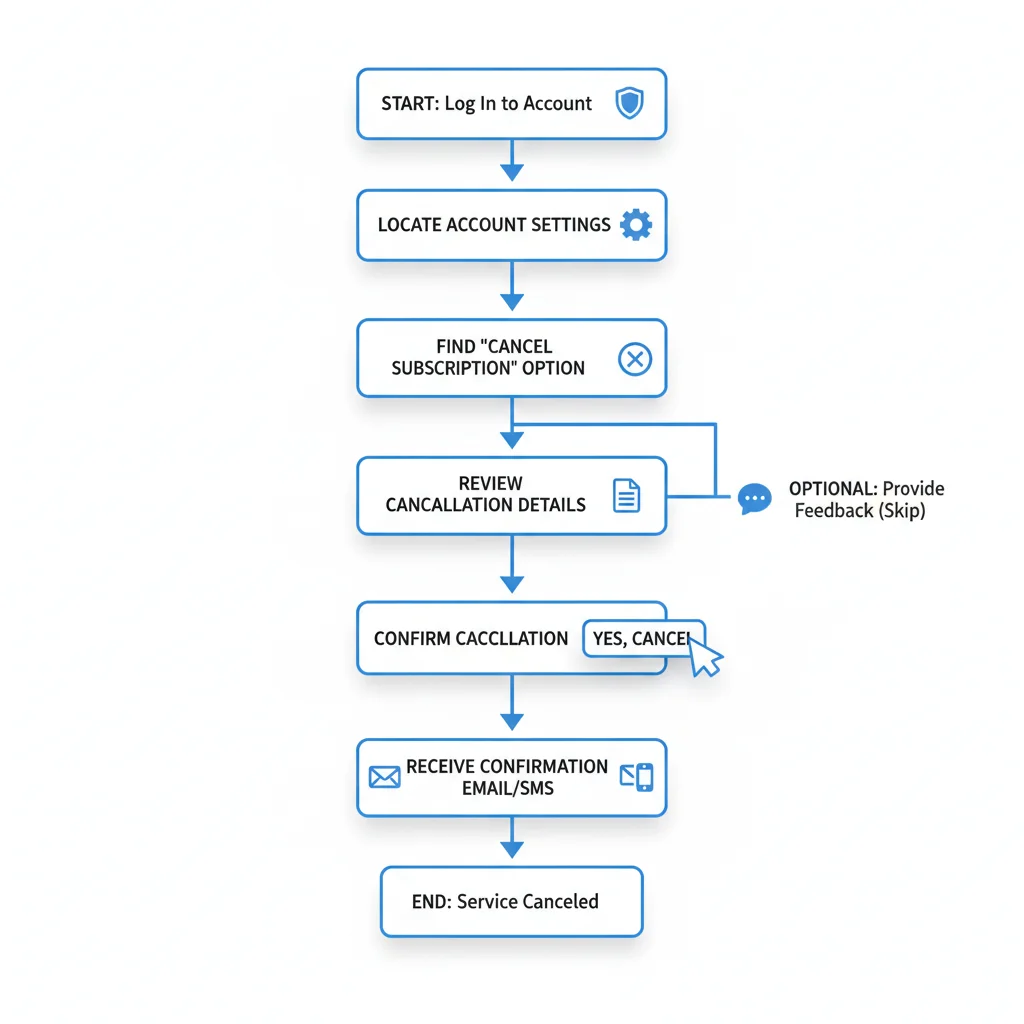
At its core, ‘Click to Cancel’ requires businesses to provide a cancellation mechanism that is at least as easy to use as the method by which the consumer initially subscribed. If you signed up online with a few clicks, you should be able to cancel online with a few clicks. This means no more mandatory phone calls, no more searching for obscure links, and no more being forced to speak to retention specialists to simply end a service.
Specifically, the rule is expected to mandate:
- Online Cancellation for Online Sign-ups: If a consumer subscribed through a website or app, they must be able to cancel through that same website or app, without needing to switch communication channels (e.g., call customer service).
- Direct and Intuitive Pathways: The cancellation option must be easy to find and understand, not hidden behind multiple layers of menus or misleading labels.
- Minimal Steps: The process should require the fewest possible steps to complete the cancellation.
Clear and Conspicuous Disclosures
Beyond easy cancellation, the new FTC subscription rules also emphasize transparency. Companies will be required to provide clear and conspicuous disclosures about the terms of a subscription before a consumer commits to it. This includes:
- Total Cost: A clear breakdown of the recurring charges, including any introductory offers and their expiration dates.
- Billing Cycle: Information about when and how often the consumer will be billed.
- Cancellation Policy: An easily accessible explanation of how to cancel the service, including the specific steps and any deadlines.
- Material Changes: Notification of any significant changes to the subscription terms or pricing.
Annual Reminders for Automatic Renewals
Another crucial aspect of the forthcoming regulations is the requirement for companies to send annual reminders for automatically renewing subscriptions. These reminders will serve as a prompt for consumers to review their active subscriptions and decide whether they wish to continue paying for them. The reminders must:
- Clearly state that the subscription will automatically renew.
- Remind the consumer of the cost and billing frequency.
- Provide clear instructions on how to cancel before the next billing cycle.
This provision is particularly important for services that consumers might sign up for and then forget about, leading to months or even years of unwanted charges.
Impact on Businesses: Adapting to the New FTC Subscription Rules
While the new FTC subscription rules are a win for consumers, they represent a significant shift for businesses operating in the subscription economy. Companies will need to reassess their current practices and make necessary adjustments to ensure compliance by 2026.
Operational Changes Required
Businesses will likely need to implement several operational changes, including:
- Website and App Redesign: User interfaces will need to be updated to incorporate easily accessible ‘Click to Cancel’ buttons and clear disclosure statements.
- Backend System Adjustments: Internal systems that manage subscriptions, billing, and customer data will need to be configured to support streamlined cancellation processes.
- Customer Service Training: While the goal is to reduce the need for customer service intervention in cancellations, staff will still need to be trained on the new rules and how to assist customers efficiently if they do reach out.
- Marketing and Onboarding Revisions: The way subscriptions are presented and sold will need to reflect the new disclosure requirements, ensuring transparency from the outset.
Potential Benefits for Businesses
While the initial adaptation might seem challenging, these new FTC subscription rules also present opportunities for businesses:
- Increased Trust and Loyalty: Companies that embrace transparency and ease of cancellation are likely to build stronger trust with their customer base, potentially leading to higher long-term retention rates for genuinely valued services.
- Reduced Churn from Frustration: By eliminating cancellation hurdles, businesses might see a decrease in ‘forced’ subscriptions and an increase in customers who choose to stay because they genuinely value the service, not because they can’t leave.
- Improved Brand Reputation: Adhering to consumer-friendly practices can enhance a company’s public image and differentiate it from competitors who cling to outdated, deceptive tactics.
- Innovation in Retention: Instead of relying on cancellation friction, companies will be incentivized to focus on providing superior value and customer experience to retain subscribers, fostering innovation in product development and service delivery.
What US Consumers Can Expect and How to Prepare
For US consumers, the upcoming FTC subscription rules herald a new era of control over their recurring expenses. Here’s what you can expect and how to prepare for these changes.
Easier Cancellations and Greater Transparency
The most immediate and noticeable impact will be the simplification of cancellation processes. You should find it much easier to locate and execute cancellation requests for any online subscription. Furthermore, the information regarding subscription terms, pricing, and renewal policies will be more upfront and understandable, empowering you to make informed decisions before committing to a service.
Proactive Management of Subscriptions
With annual renewal reminders becoming standard, you’ll have more opportunities to review your subscriptions and decide whether they still serve your needs. This encourages a more proactive approach to managing your digital spending, helping you avoid unnecessary charges.
Actionable Steps for Consumers
Even before 2026, there are steps you can take to prepare and protect yourself:
- Inventory Your Subscriptions: Make a list of all your active subscriptions, noting their monthly/annual cost and renewal dates. Many budgeting apps can help with this.
- Review Bank Statements Regularly: Keep a close eye on your bank and credit card statements for any unfamiliar or unwanted recurring charges.
- Familiarize Yourself with Current Cancellation Policies: For your existing subscriptions, take a moment to understand their current cancellation procedures. This knowledge will be valuable if you need to cancel before the new rules take effect.
- Report Violations: Once the new rules are in place, if you encounter a company that is not complying, report them to the FTC. Your reports are crucial for enforcement.
The Broader Implications of Stronger Consumer Protections
The implementation of these new FTC subscription rules extends beyond just individual cancellations. It signifies a broader commitment by regulatory bodies to address deceptive practices in the digital economy and foster a more equitable environment for consumers.
Combating Dark Patterns
The ‘Click to Cancel’ rule is a direct blow to ‘dark patterns’ – user interface designs that intentionally trick users into doing things they might not otherwise do, such as signing up for subscriptions or making it difficult to cancel. By mandating clear and easy cancellation, the FTC is setting a precedent that such manipulative designs are unacceptable.
Promoting Fair Competition
When consumers can easily switch between services, it naturally encourages competition. Companies will have to compete on the merits of their product, service quality, and pricing, rather than relying on the difficulty of cancellation to retain customers. This ultimately benefits consumers by driving innovation and better value.
Financial Wellness and Empowerment
For many households, managing recurring expenses is a significant challenge. Unwanted subscriptions can quietly drain bank accounts, impacting financial stability. By simplifying cancellations and increasing transparency, the FTC is empowering consumers to better manage their finances and reduce wasteful spending. This contributes to overall financial wellness and gives individuals more control over their hard-earned money.
The shift towards easier cancellation processes also reduces the mental load and stress associated with trying to navigate complex customer service hurdles. Consumers can feel more confident in trying new services, knowing they won’t be trapped if the service doesn’t meet their expectations.

Addressing Common Questions About the New FTC Subscription Rules
As the 2026 deadline approaches, many consumers and businesses will have questions about the specifics of the new regulations. Here are answers to some frequently asked questions:
Q: Do these rules apply to all types of subscriptions?
A: The FTC subscription rules are broadly aimed at recurring billing arrangements for goods and services, particularly those initiated online. While specific exemptions might apply to highly regulated industries (e.g., certain financial services), the vast majority of digital subscriptions, from streaming to software, are expected to fall under these new regulations.
Q: What if a company only offers phone support for sign-ups?
A: The ‘Click to Cancel’ rule is designed to ensure the cancellation method is at least as easy as the sign-up method. If a company only allows phone sign-ups, then phone cancellation would be acceptable. However, if they offer an online sign-up option, they must also offer an online cancellation option.
Q: What is considered ‘clear and conspicuous’ disclosure?
A: ‘Clear and conspicuous’ means that the information is presented in a way that is easily noticed, read, and understood by an ordinary consumer. This typically involves using prominent font sizes, contrasting colors, simple language, and placing the information in a logical and expected location, rather than burying it in fine print or obscure links.
Q: What happens if a company doesn’t comply with the new rules?
A: The FTC has the authority to take enforcement action against companies that violate its rules. This can include issuing fines, requiring companies to refund consumers, and imposing injunctions to stop unlawful practices. Consumer reports play a vital role in helping the FTC identify non-compliant businesses.
Q: Will this affect free trials that automatically convert to paid subscriptions?
A: Yes, the rules are expected to cover free trials that roll into paid subscriptions. Companies will likely need to provide clear disclosures about the automatic conversion and how to cancel before being charged, as well as an easy cancellation mechanism for the paid service.
The Road Ahead: A Fairer Subscription Economy
The upcoming FTC subscription rules for 2026 represent a monumental step forward for consumer rights in the digital age. By mandating ‘Click to Cancel’ and ensuring greater transparency, the FTC is addressing long-standing frustrations and empowering consumers with more control over their financial commitments. This shift will not only protect individuals from unwanted charges but also foster a more competitive and trustworthy subscription economy where businesses thrive by offering genuine value, not by trapping customers.
As we approach 2026, both consumers and businesses have a role to play. Consumers should familiarize themselves with these new rights and be prepared to exercise them. Businesses, on the other hand, should proactively review their practices and adapt to the new regulatory landscape, recognizing that transparency and ease of use are not just compliance requirements but also opportunities to build stronger, more loyal customer relationships. The future of subscription services in the US promises to be fairer, more transparent, and ultimately, more beneficial for everyone involved.