Future of Consumer Complaints: Online Platforms 2026

Anúncios
In an increasingly digital world, the landscape of consumer-business interactions is constantly evolving. As transactions migrate online, so too do the complexities and potential for disputes. Consumers today expect not only seamless purchasing experiences but also efficient and transparent mechanisms for addressing their concerns when things go awry. Traditional complaint channels, often characterized by lengthy phone calls, endless email chains, and bureaucratic hurdles, are becoming relics of the past. The year 2026 is poised to mark a significant turning point, with the widespread adoption of advanced online dispute resolution platforms that promise to transform how consumer complaints are handled.
This article delves into the exciting future of consumer complaints, exploring the innovative online dispute resolution platforms that are set to redefine fairness, efficiency, and accessibility in conflict resolution. We will examine the technological advancements driving these changes, the benefits they offer to both consumers and businesses, and the challenges that still need to be addressed to ensure their widespread success and equitable application. Get ready to discover a future where resolving consumer issues is no longer a dreaded chore but a streamlined, empowering process.
Anúncios
The Evolution of Consumer Complaints: From Call Centers to Digital Arenas
For decades, the standard procedure for a consumer with a grievance involved navigating automated phone systems, waiting on hold, and often repeating their story to multiple representatives. This process was not only time-consuming and frustrating for consumers but also costly and inefficient for businesses. The rise of e-commerce and global marketplaces has only amplified these issues, making traditional methods even less viable.
The internet, which initially brought about many of these new complexities, is now also providing the solutions. Early iterations of online complaint systems were often little more than web forms or dedicated email addresses. While a step forward, they lacked the sophistication and integration needed for true dispute resolution. However, advancements in artificial intelligence (AI), machine learning (ML), blockchain, and user experience (UX) design have paved the way for a new generation of online dispute resolution platforms.
Anúncios
By 2026, these platforms are expected to be the primary conduit for consumer complaints, offering a stark contrast to the old ways. They will provide structured, guided processes that empower consumers to articulate their issues clearly and provide businesses with the tools to respond effectively and fairly. This shift represents a fundamental re-imagining of consumer protection and customer service, moving from reactive problem-solving to proactive conflict prevention and resolution.
Understanding Online Dispute Resolution Platforms: What Are They?
At its core, an online dispute resolution platform is a digital space designed to facilitate the resolution of disagreements between parties without the need for traditional court proceedings. These platforms leverage technology to streamline communication, manage evidence, and often provide tools for negotiation, mediation, or even arbitration. In the context of consumer complaints, they serve as a neutral ground where consumers can lodge issues against businesses, and both parties can work towards a mutually acceptable solution.
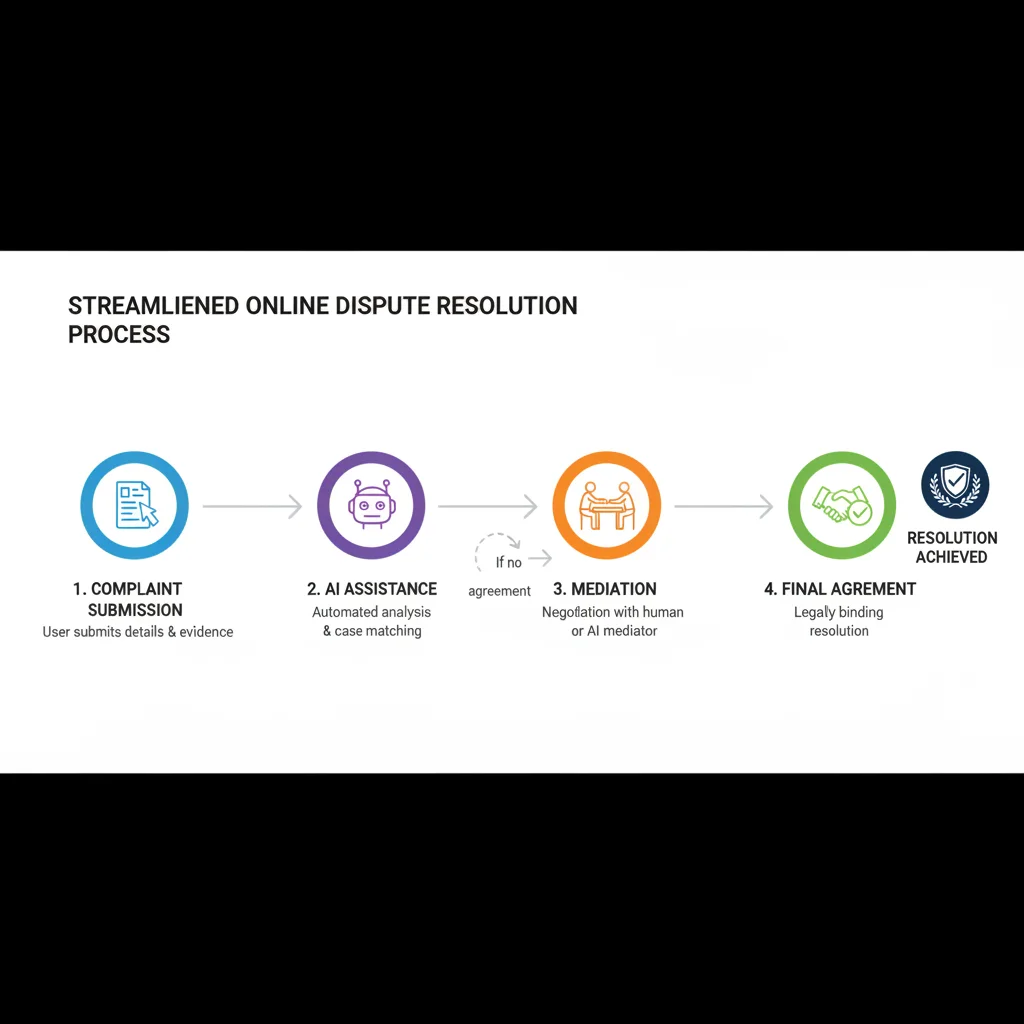
The key differentiator for the platforms emerging by 2026 is their advanced capabilities. They are not just communication channels; they are sophisticated ecosystems built to guide users through the entire dispute lifecycle. This includes everything from initial complaint submission and evidence gathering to negotiation, mediation, and, in some cases, binding arbitration. The goal is to make the process as accessible, transparent, and efficient as possible for everyone involved.
The scope of issues that these online dispute resolution platforms can handle is vast, ranging from product defects and service failures to billing discrepancies and contractual disagreements. Their flexibility and scalability make them ideal for addressing the diverse array of complaints that arise in the modern consumer landscape.
Key Features and Technologies Driving Online Dispute Resolution in 2026
The next generation of online dispute resolution platforms will be characterized by a suite of cutting-edge features and technologies. These innovations are designed to enhance every stage of the dispute resolution process, making it more effective and user-friendly. Understanding these elements is crucial to appreciating the transformative potential of these platforms.
1. AI-Powered Triage and Intelligent Routing
One of the most significant advancements will be the integration of AI for initial complaint handling. When a consumer submits a complaint, AI algorithms will be able to analyze the details, identify keywords, categorize the issue, and even suggest potential solutions based on historical data and company policies. This intelligent triage system will ensure that complaints are routed to the most appropriate department or individual within a business, significantly reducing resolution times and improving first-contact resolution rates. For consumers, this means less time explaining their problem and a quicker path to a solution.
2. Automated Negotiation and Mediation Tools
Many disputes can be resolved through direct negotiation. Online dispute resolution platforms will feature sophisticated tools that facilitate this process. This might include guided negotiation frameworks, automated offer/counter-offer systems, and even AI-powered suggestions for compromise. For more complex cases, AI-driven virtual mediators could guide parties through structured discussions, helping them identify common ground and reach agreements. These tools are designed to empower parties to resolve issues themselves, reducing the need for human intervention unless absolutely necessary.
3. Blockchain for Transparency and Immutability
The inherent trust issues in consumer-business disputes can be significantly mitigated by blockchain technology. By 2026, many online dispute resolution platforms will use blockchain to record every step of the dispute process – from complaint submission and evidence upload to communication logs and final agreements. This creates an immutable, transparent, and verifiable record that cannot be tampered with. This level of transparency builds trust, reduces fraud, and provides a clear audit trail, which is invaluable for both parties and any potential third-party arbitrators.
4. Rich Media Evidence Submission
Gone are the days of trying to describe a faulty product over the phone. Future online dispute resolution platforms will allow consumers to easily upload various forms of evidence, including high-resolution photos, video recordings, audio files, and digital documents. This rich media support provides a much clearer picture of the issue, making it easier for businesses to understand the problem and for arbitrators to make informed decisions. This feature enhances the fairness and accuracy of the resolution process.
5. Data Analytics and Predictive Insights
For businesses, these platforms will be goldmines of data. Advanced analytics will allow companies to identify recurring complaint patterns, pinpoint areas for improvement in products or services, and even predict potential future disputes. This proactive approach to quality control and customer satisfaction can lead to significant cost savings and improved brand reputation. By understanding the root causes of complaints, businesses can implement changes that prevent similar issues from arising in the first place.

Benefits for Consumers: A New Era of Empowerment
The shift towards advanced online dispute resolution platforms offers a multitude of benefits for consumers, fundamentally changing their experience of lodging and resolving complaints.
Increased Accessibility and Convenience
One of the most significant advantages is the 24/7 accessibility of these platforms. Consumers can submit a complaint at any time, from anywhere, using any device with an internet connection. This eliminates the constraints of business hours and geographical barriers, making the process far more convenient than traditional methods. For consumers in remote areas or those with disabilities, this accessibility is particularly transformative.
Enhanced Transparency and Fairness
The transparent nature of these platforms, especially those leveraging blockchain, ensures that consumers have a clear view of the process. They can track the status of their complaint, review all communications, and understand the steps being taken towards resolution. This transparency fosters a sense of fairness and reduces the feeling of being in the dark, which is a common complaint with traditional systems.
Faster Resolution Times
By automating triage, facilitating negotiation, and streamlining evidence submission, online dispute resolution platforms are designed for speed. The days of waiting weeks or even months for a response could become a thing of the past. Quicker resolutions mean less stress for consumers and faster redress for their issues.
Reduced Costs and Stress
Traditional dispute resolution can be expensive, involving legal fees, travel costs, and significant time investment. Online platforms drastically reduce these costs for consumers. The process is often free or involves minimal fees, and the convenience of resolving issues from home reduces associated stress and time off work.
Empowerment Through Information
These platforms often provide consumers with resources, legal information, and guidance on how to best present their case. This educational aspect empowers consumers to advocate for themselves more effectively, leveling the playing field between individuals and large corporations.
Benefits for Businesses: Beyond Just Handling Complaints
While often seen as a consumer-centric development, advanced online dispute resolution platforms offer substantial advantages for businesses as well, moving beyond mere complaint handling to strategic customer relationship management.
Improved Customer Satisfaction and Loyalty
Efficient and fair complaint resolution directly translates to higher customer satisfaction. When businesses demonstrate a commitment to resolving issues quickly and transparently, it builds trust and loyalty, turning potentially negative experiences into opportunities to strengthen customer relationships. A satisfied customer is more likely to return and recommend the business to others.
Cost Reduction and Operational Efficiency
Automating parts of the dispute resolution process, such as triage and initial negotiations, significantly reduces the operational costs associated with customer service departments. Less time spent on phone calls and manual data entry frees up resources that can be reallocated to other areas, such as product development or proactive customer engagement. The scalability of these platforms also means businesses can handle a higher volume of complaints without proportionally increasing staffing.
Enhanced Brand Reputation
In the age of online reviews and social media, how a business handles complaints can make or break its reputation. Platforms that offer transparent and effective resolution mechanisms can boost a company’s image as customer-focused and trustworthy. Positive resolution experiences can even be shared online, acting as powerful testimonials.
Valuable Insights for Product and Service Improvement
As mentioned earlier, the data analytics capabilities of these platforms provide businesses with invaluable insights into common pain points, product flaws, and service deficiencies. This data can be used to inform product development, refine service offerings, and proactively address systemic issues, leading to continuous improvement and fewer complaints in the future.
Reduced Legal Risks and Litigation
By providing an effective alternative to traditional litigation, online dispute resolution platforms can help businesses avoid costly lawsuits and regulatory penalties. Resolving disputes amicably and efficiently outside of court saves legal fees, time, and the potential for negative publicity associated with public legal battles.
Challenges and Considerations for Widespread Adoption by 2026
While the future of online dispute resolution platforms looks promising, several challenges and considerations need to be addressed to ensure their successful and equitable widespread adoption by 2026.
Digital Divide and Accessibility for All
Despite increased internet penetration, a significant digital divide still exists globally. Ensuring that these online platforms are accessible to all consumers, including those with limited internet access, digital literacy, or disabilities, is paramount. Solutions might include hybrid models that integrate offline support or simplified interfaces.
Ensuring Fairness and Preventing Bias
The reliance on AI and algorithms raises concerns about potential biases embedded in the data or programming. Developers must prioritize ethical AI design, regularly audit algorithms for fairness, and ensure human oversight to prevent discriminatory outcomes. The neutrality of the platform must be guaranteed to maintain trust.
Data Privacy and Security
Handling sensitive personal and transactional data requires robust cybersecurity measures. Platforms must comply with stringent data protection regulations (e.g., GDPR, CCPA) and implement advanced encryption to protect user information from breaches and misuse. Trust in data security is fundamental for user adoption.
Standardization and Interoperability
As more platforms emerge, there will be a need for standardization in processes, data formats, and legal frameworks to ensure interoperability. This will allow for seamless transitions between platforms if necessary and create a more cohesive ecosystem for dispute resolution. Without standardization, fragmentation could hinder overall effectiveness.
Legal Recognition and Enforcement
For outcomes from online dispute resolution platforms to be truly effective, they need clear legal recognition and enforceability. Governments and legal systems must adapt to acknowledge and uphold agreements reached through these digital channels, providing mechanisms for enforcement when parties fail to comply.
Consumer Education and Trust Building
A significant effort will be required to educate consumers about the existence, benefits, and proper use of these new platforms. Building trust in these digital systems will be crucial for encouraging widespread adoption, especially among those accustomed to traditional methods. Clear communication and user-friendly interfaces will play a key role.
The Regulatory Landscape and Future Developments
The rapid evolution of online dispute resolution platforms will inevitably necessitate parallel developments in the regulatory landscape. Governments and international bodies are already beginning to explore frameworks to govern these digital spaces, focusing on consumer protection, data integrity, and the legal standing of online resolutions.
By 2026, we can expect to see more harmonized regulations that provide clarity for both platform providers and users. This might include certifications for ODR platforms, guidelines for AI ethics in dispute resolution, and cross-border enforcement agreements for international e-commerce disputes. The goal will be to foster innovation while ensuring accountability and consumer trust.
Furthermore, expect to see the emergence of specialized online dispute resolution platforms tailored to specific industries or types of disputes. For instance, platforms dedicated to travel complaints, fintech disputes, or even peer-to-peer marketplace issues might become commonplace, offering highly specialized knowledge and processes.
The integration of virtual reality (VR) and augmented reality (AR) could also play a role, offering more immersive and engaging mediation experiences, though perhaps on a smaller scale initially. Imagine virtual courtrooms or negotiation tables where participants feel more present and connected, even when physically separated.
Conclusion: A Brighter Future for Consumer-Business Relationships
The year 2026 stands as a horizon point for a significant transformation in how consumer complaints are managed and resolved. The advent of sophisticated online dispute resolution platforms, powered by AI, blockchain, and advanced analytics, promises a future where resolving issues is more accessible, transparent, efficient, and fair for everyone involved.
For consumers, this means empowerment, convenience, and a greater likelihood of achieving satisfactory outcomes without undue stress or cost. For businesses, it translates into improved customer loyalty, operational efficiencies, enhanced brand reputation, and invaluable insights for continuous improvement. While challenges remain, particularly around digital inclusion, bias prevention, and regulatory alignment, the trajectory is clear: the future of consumer complaints is digital, intelligent, and focused on resolution.
As these platforms continue to evolve, they will not only address individual grievances but also contribute to building stronger, more trusting relationships between consumers and businesses worldwide. The era of frustrating, drawn-out complaint processes is drawing to a close, making way for a new, digitally empowered approach to dispute resolution that benefits all stakeholders.