Identity Theft Protection: 5 Crucial Steps for US Citizens in 2026
Anúncios
The digital landscape evolves at an astonishing pace, and with it, the sophistication of cyber threats. For US citizens, safeguarding personal information against identity theft is no longer a passive concern but an active, ongoing responsibility. As we navigate 2026, the methods employed by identity thieves are becoming increasingly intricate, demanding a proactive and informed approach to identity theft protection. This comprehensive guide will delve into five crucial steps every US citizen should implement to fortify their defenses, protect their financial well-being, and maintain peace of mind in an ever-connected world.
Anúncios
The Evolving Threat Landscape: Why Identity Theft Protection is More Critical Than Ever
Identity theft isn’t a new phenomenon, but its manifestations are constantly adapting. In 2026, we’re seeing a surge in AI-powered phishing attacks, deepfake scams, and sophisticated data breaches that expose vast amounts of personal data. Traditional methods of protection, while still relevant, are often insufficient against these advanced threats. The consequences of identity theft can be devastating, ranging from significant financial losses and ruined credit scores to emotional distress and time-consuming recovery processes. Understanding the current threat landscape is the first step towards robust identity theft protection.
The Rise of AI in Cybercrime
Artificial intelligence, while a powerful tool for good, is also being weaponized by cybercriminals. AI algorithms can analyze vast datasets to craft highly personalized and convincing phishing emails, social engineering attacks, and even generate realistic voice or video deepfakes to impersonate individuals. This makes it increasingly difficult to discern legitimate communications from fraudulent ones, highlighting the need for heightened vigilance and advanced identity theft protection strategies.
Data Breaches: A Persistent Vulnerability
Despite advancements in cybersecurity, data breaches continue to be a significant source of compromised personal information. Major corporations, government agencies, and even small businesses can fall victim, exposing names, addresses, Social Security numbers, financial details, and more. Once this data is in the hands of criminals, it can be used for a myriad of identity theft schemes. Therefore, assuming your data may have been compromised at some point is a reasonable stance, prompting continuous monitoring and proactive identity theft protection measures.
Anúncios
The Interconnectedness of Our Digital Lives
From online banking and shopping to social media and smart home devices, our lives are increasingly intertwined with digital platforms. Each connection point represents a potential vulnerability. The more personal data we share online, directly or indirectly, the larger our digital footprint becomes, offering more opportunities for identity thieves to exploit. Effective identity theft protection in 2026 demands a holistic approach that considers every aspect of our digital presence.
Step 1: Fortify Your Digital Defenses with Strong Authentication and Encryption
The foundation of any effective identity theft protection strategy lies in securing your digital accounts and communications. This goes beyond simply choosing a strong password; it involves implementing multi-layered security protocols that make it significantly harder for unauthorized individuals to gain access to your sensitive information.
Embrace Multi-Factor Authentication (MFA) Everywhere
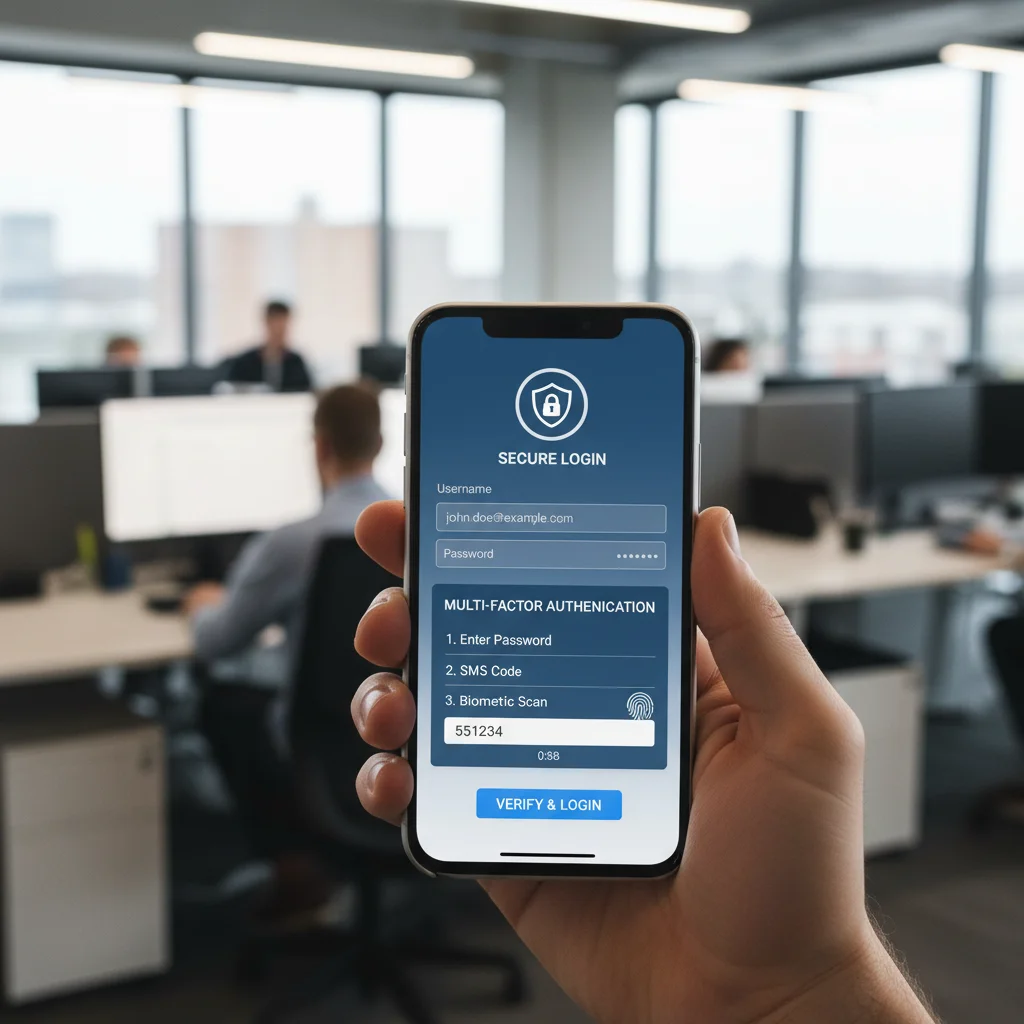
If there’s one non-negotiable step for identity theft protection in 2026, it’s the widespread adoption of Multi-Factor Authentication (MFA). MFA requires you to provide two or more verification factors to gain access to an account. This typically involves something you know (your password), something you have (a code from an authenticator app, a text message to your phone), or something you are (a fingerprint or facial scan). Even if a thief manages to steal your password, they won’t be able to access your account without the second factor.
- Authenticator Apps: Apps like Google Authenticator or Authy are generally more secure than SMS-based MFA, as SMS can be vulnerable to SIM swapping attacks.
- Physical Security Keys: For critical accounts, consider using FIDO2-compliant physical security keys (e.g., YubiKey), which offer the highest level of protection against phishing and account takeovers.
- Enable MFA on All Accounts: Prioritize email, banking, social media, cloud storage, and any other platform containing sensitive personal data. Make it a habit to check for and enable MFA wherever it’s offered.
Master Password Management
Reusing passwords across multiple sites is an open invitation for identity thieves. When one site is breached, all your accounts using that same password become vulnerable. A robust identity theft protection plan includes a sophisticated approach to password management.
- Use a Password Manager: Invest in a reputable password manager (e.g., LastPass, 1Password, Bitwarden). These tools generate strong, unique passwords for all your accounts, store them securely in an encrypted vault, and can autofill them when you log in. This eliminates the need to remember dozens of complex passwords.
- Create Strong, Unique Passwords: For accounts not managed by a password manager, create passwords that are long (12+ characters), complex (mix of uppercase, lowercase, numbers, and symbols), and unique to each site.
- Regularly Update Passwords: While password managers handle this largely, it’s good practice to periodically review and update critical account passwords, especially after any suspected security incident.
Encrypt Your Devices and Communications
Encryption scrambles your data, making it unreadable to anyone without the correct key. This is a vital component of identity theft protection, especially for mobile devices and online communications.
- Device Encryption: Ensure your smartphones, tablets, and laptops are encrypted. Most modern operating systems offer built-in full-disk encryption features (e.g., FileVault for macOS, BitLocker for Windows). This protects your data if your device is lost or stolen.
- Secure Wi-Fi: Always use a Virtual Private Network (VPN) when connecting to public Wi-Fi networks. A VPN encrypts your internet traffic, preventing eavesdropping by malicious actors who might be trying to intercept your data.
- Encrypted Messaging: Use messaging apps that offer end-to-end encryption (e.g., Signal, WhatsApp) for sensitive conversations.
Step 2: Vigilant Monitoring and Rapid Response to Suspicious Activity
Even with the strongest preventative measures, identity theft can still occur. Therefore, continuous monitoring of your personal and financial information is an indispensable part of identity theft protection. Early detection allows for rapid response, minimizing potential damage.
Regularly Review Bank and Credit Card Statements
Make it a habit to scrutinize your financial statements for any unauthorized transactions, no matter how small. Identity thieves often start with small purchases to test the waters before making larger ones. Many banks and credit card companies offer real-time transaction alerts, which you should enable.
- Daily Checks: If possible, check your online banking and credit card accounts daily or every few days.
- Understand All Transactions: If you don’t recognize a transaction, investigate it immediately.
- Report Immediately: If you spot suspicious activity, report it to your financial institution without delay.
Monitor Your Credit Reports
Your credit report is a comprehensive record of your financial history, including accounts opened in your name, loans, and payment history. It’s a primary target for identity thieves. Regularly checking your credit reports for unfamiliar accounts or inquiries is a cornerstone of effective identity theft protection.
- Annual Free Reports: You are entitled to a free credit report from each of the three major credit bureaus (Equifax, Experian, TransUnion) once every 12 months via AnnualCreditReport.com. Stagger these requests throughout the year (e.g., Experian in January, Equifax in May, TransUnion in September) for continuous monitoring.
- Look for Red Flags: Pay attention to accounts you didn’t open, inquiries you didn’t authorize, incorrect personal information, or addresses where you’ve never lived.
- Consider Credit Monitoring Services: While not a replacement for personal vigilance, paid credit monitoring services can alert you to changes on your credit report in near real-time, providing an extra layer of identity theft protection.
Utilize Identity Theft Protection Services
Beyond credit monitoring, dedicated identity theft protection services offer a broader scope of monitoring. These services often track public records, dark web activity, change of address requests, and other potential indicators of identity fraud. Many also provide identity restoration assistance if your identity is compromised.
- Dark Web Monitoring: These services scan the dark web for your personal information (e.g., Social Security number, email addresses, credit card numbers) that may have been leaked in data breaches.
- Social Security Number (SSN) Monitoring: Alerts you if your SSN is being used to open new accounts or for other fraudulent purposes.
- Identity Restoration: If you become a victim, these services often provide dedicated case managers who help you navigate the complex process of restoring your identity.
Step 3: Be Wary of Phishing, Social Engineering, and Public Information
Many identity theft incidents begin not with a sophisticated hack, but with human error. Phishing, social engineering, and oversharing personal information are common tactics used by criminals. Developing a healthy skepticism and understanding the common tricks are vital for effective identity theft protection.
Recognize and Avoid Phishing Scams
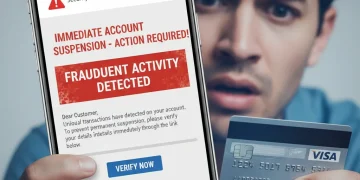
Phishing emails, texts, and calls attempt to trick you into revealing sensitive information or clicking malicious links. They often impersonate legitimate organizations (banks, government agencies, tech companies) and create a sense of urgency or fear.
- Check Sender Details: Always scrutinize the sender’s email address. Even if the display name looks legitimate, the actual email address might be off by a single character or belong to a different domain.
- Hover Over Links: Before clicking, hover your mouse over any links to see the actual URL. If it doesn’t match the expected website, don’t click.
- Look for Red Flags: Poor grammar, spelling errors, generic greetings, and requests for immediate action or personal information are all signs of a phishing attempt. Legitimate organizations rarely ask for sensitive information via email.
- Verify Independently: If you receive a suspicious communication from an organization, contact them directly using a verified phone number or website (not one provided in the suspicious message).
Guard Against Social Engineering Tactics
Social engineering involves manipulating people into divulging confidential information. This can take many forms, from convincing phone calls to seemingly innocuous conversations designed to extract personal details.
- Be Skeptical of Unsolicited Requests: Never provide personal information (SSN, date of birth, mother’s maiden name, account numbers) to unsolicited callers or emailers, even if they claim to be from a trusted entity.
- Verify Identity: If someone calls claiming to be from your bank or a government agency, hang up and call the organization back directly using their official number.
- Beware of Urgency and Threats: Scammers often use high-pressure tactics, threats, or promises of large sums of money to bypass your critical thinking.
Limit Your Digital Footprint and Public Information
The more personal information that is publicly available about you, the easier it is for identity thieves to piece together enough data to impersonate you or answer security questions. This is a crucial aspect of proactive identity theft protection.
- Review Social Media Privacy Settings: Make sure your social media profiles are set to private and that you’re not inadvertently sharing sensitive information (e.g., birthdate, pet names, vacation dates, current location).
- Be Mindful of What You Share: Think twice before posting personal details online, even seemingly harmless ones. Criminals can aggregate small pieces of information to build a profile.
- Shred Documents: Physically shred sensitive documents (bank statements, credit card offers, bills) before discarding them.
- Opt-Out of Data Brokers: Explore options to opt-out of data brokers that collect and sell your personal information.
Step 4: Secure Your Physical Documents and Mail
While much of identity theft happens in the digital realm, physical documents and mail remain significant vulnerabilities. Protecting your physical identity markers is just as important as securing your online accounts for comprehensive identity theft protection.
Safeguard Your Social Security Number (SSN)
Your Social Security Number is the holy grail for identity thieves. It’s often used to open new credit accounts, obtain loans, or even file fraudulent tax returns. Protecting it is paramount.
- Don’t Carry Your SSN Card: Keep your physical SSN card in a secure location at home, not in your wallet.
- Question Requests for Your SSN: Only provide your SSN when absolutely necessary (e.g., for employment, taxes, banking, or medical records). Ask if an alternative identifier can be used.
- Be Wary of SSN Phishing: Government agencies like the IRS will not contact you by phone, email, or social media to demand immediate payment or ask for your SSN.
Secure Important Documents
Birth certificates, passports, tax returns, and other vital documents contain information that can be used for identity theft. Store them securely.
- Locked Safe or Safe Deposit Box: Keep these documents in a fireproof safe at home or a safe deposit box at a bank.
- Shred Sensitive Documents: Before discarding any documents containing personal information (old bills, credit card offers, expired IDs), use a cross-cut shredder.
- Be Careful with Copies: Limit making copies of sensitive documents and ensure any physical copies are also stored securely or properly disposed of.
Protect Your Mail
Mail theft is a common method for obtaining personal information. Pre-approved credit card offers, bank statements, and tax documents can provide criminals with enough information to begin an identity theft scheme.
- Secure Mailbox: If possible, use a locking mailbox.
- Collect Mail Promptly: Don’t leave mail in your mailbox for extended periods.
- Forward Mail When Moving: Ensure your mail is officially forwarded by the USPS when you move to prevent it from going to your old address.
- Opt-Out of Pre-Screened Offers: Reduce the amount of junk mail containing sensitive information by opting out of pre-screened credit and insurance offers at OptOutPrescreen.com.
Step 5: Proactive Measures and What to Do if Identity Theft Occurs
Even with the best preventative measures, identity theft can sometimes occur. Knowing how to react swiftly and effectively is a critical final layer of identity theft protection. Being prepared for the worst can significantly reduce the damage and stress associated with identity fraud.
Freeze Your Credit
A credit freeze (also known as a security freeze) is one of the most powerful tools for preventing new accounts from being opened in your name. It restricts access to your credit report, meaning lenders cannot check your credit history without your explicit permission.
- How it Works: You must place a freeze with each of the three major credit bureaus (Equifax, Experian, TransUnion) individually. It’s free to place and lift a freeze.
- When to Use It: Consider placing a credit freeze proactively, even if you haven’t been a victim of identity theft. Lift it temporarily when you need to apply for new credit (e.g., a loan, credit card, apartment rental).
- Impact: While it offers robust identity theft protection, remember that you’ll need to unfreeze your credit each time you apply for credit, which requires a bit of planning.
Place a Fraud Alert
A fraud alert is another valuable tool. When you place a fraud alert, businesses must take steps to verify your identity before extending new credit. This typically involves them calling you at a phone number you provide.
- Initial Fraud Alert: Placing an initial fraud alert with one credit bureau automatically notifies the other two. It lasts for one year and can be renewed.
- Extended Fraud Alert: If you’re a victim of identity theft, you can place an extended fraud alert, which lasts for seven years.
- Less Restrictive than a Freeze: A fraud alert is less restrictive than a credit freeze and generally doesn’t impact your ability to apply for credit, as long as the lender can verify your identity.
Create an Identity Theft Recovery Plan
Having a plan in place before identity theft strikes can save you valuable time and stress during an already difficult situation. This is a crucial, often overlooked, aspect of comprehensive identity theft protection.
- Keep Important Contact Information Handy: Maintain a secure, readily accessible list of contact numbers for your banks, credit card companies, the three credit bureaus, the Social Security Administration, and the Federal Trade Commission (FTC).
- Understand the Reporting Process: Familiarize yourself with the steps to report identity theft to the FTC (IdentityTheft.gov) and local law enforcement.
- Backup Important Documents: Keep encrypted digital copies of essential documents (passport, birth certificate, insurance cards) in a secure cloud storage or external hard drive.
What to Do if You Become a Victim of Identity Theft
If, despite all your identity theft protection efforts, you discover you’ve been targeted, immediate action is crucial:
- Contact Companies Where Fraud Occurred: Call the fraud departments of the companies where the identity thief opened accounts or made charges. Explain that you are a victim of identity theft.
- Place a Fraud Alert or Credit Freeze: Immediately place a fraud alert on your credit reports with one of the three major credit bureaus, or freeze your credit with all three.
- Report to the FTC: Go to IdentityTheft.gov to report the theft and get a personalized recovery plan. The FTC will provide an Identity Theft Report, which is essential for disputing fraudulent accounts and charges.
- File a Police Report: File a report with your local police department. This can be helpful for certain types of identity theft and when dealing with creditors.
- Contact the Credit Bureaus: Notify each of the three major credit bureaus about the identity theft and provide them with your FTC Identity Theft Report.
- Change All Compromised Passwords: Even if you use a password manager, change passwords for any accounts that may have been compromised.
- Monitor Your Accounts Closely: Continue to monitor your bank accounts, credit cards, and credit reports for any further suspicious activity.
Conclusion: A Proactive Stance for Enduring Identity Theft Protection
The landscape of identity theft is ever-changing, but by adopting a proactive and multi-faceted approach, US citizens can significantly enhance their identity theft protection in 2026 and beyond. From fortifying digital defenses with strong authentication and encryption to vigilant monitoring of financial and personal data, every step contributes to a more secure personal and financial future. Being informed, skeptical, and prepared are your best allies in this ongoing battle against cybercriminals. Implement these five crucial steps today to build a robust shield around your identity and enjoy greater peace of mind in our increasingly digital world.