Inflation Data 2026: Impact on American Household Budgets

Anúncios
Analyzing the 3-Month Trend: What the Latest Inflation Data Means for the Average American Household Budget in 2026
The economic landscape is a dynamic entity, constantly shifting and presenting new challenges and opportunities. For the average American household, understanding these shifts is not just an academic exercise; it’s a critical component of financial stability and future planning. As we delve into the latest 3-month inflation data for 2026, a clearer picture begins to emerge regarding its profound implications for the household budget. Inflation, in its simplest form, represents the rate at which the general level of prices for goods and services is rising, and subsequently, the purchasing power of currency is falling. When inflation is high, every dollar you earn buys less than it did before, directly eroding the value of your savings and increasing the cost of daily living.
Anúncios
The year 2026 has been marked by a complex interplay of global and domestic factors influencing economic indicators. Supply chain disruptions, geopolitical tensions, shifts in consumer demand patterns, and evolving monetary policies have all contributed to the current inflationary environment. For families across the United States, this translates into tangible changes at the grocery store, the gas pump, and when paying monthly utility bills. This comprehensive analysis will break down the key components of the recent inflation data, explain how these trends are impacting the average American household budget, and provide actionable insights for navigating these challenging economic waters. Our goal is to empower you with the knowledge needed to make informed financial decisions and safeguard your financial well-being against the backdrop of persistent inflation.
Understanding the Latest 3-Month Inflation Data for 2026
To truly grasp the impact on the household budget, we must first dissect the latest inflation data. The Consumer Price Index (CPI), a widely used measure of inflation, tracks the average change over time in the prices paid by urban consumers for a market basket of consumer goods and services. The past three months of 2026 have shown a sustained upward trend, albeit with some sector-specific variations. Core inflation, which excludes volatile food and energy prices, has also remained elevated, signaling broader price pressures across the economy rather than just transient fluctuations.
Key sectors contributing to this inflationary surge include housing, transportation, and food. Rental costs and home prices continue to climb, making housing affordability a significant concern for many families. Energy prices, while subject to global oil market dynamics, have seen a consistent rise, directly affecting fuel costs for commuters and heating/cooling expenses for homes. Food prices, perhaps the most visible and frequently encountered aspect of inflation for consumers, have also witnessed substantial increases, forcing households to adjust their grocery shopping habits and dietary choices. The cost of services, from healthcare to personal care, has also contributed to the overall rise in the cost of living, squeezing the household budget from multiple angles.
Anúncios
Economists point to a combination of factors driving these trends. Strong consumer demand, fueled by a robust labor market and accumulated savings from previous years, continues to exert upward pressure on prices. Simultaneously, lingering supply chain bottlenecks, particularly in manufacturing and logistics, mean that the supply of goods struggles to keep pace with demand, leading to higher prices. Wage growth, while beneficial for workers, can also contribute to inflationary spirals if it outpaces productivity gains, as businesses pass on higher labor costs to consumers. Understanding these underlying mechanisms is crucial for appreciating the long-term implications for the average household budget.
Direct Impact on the Average American Household Budget
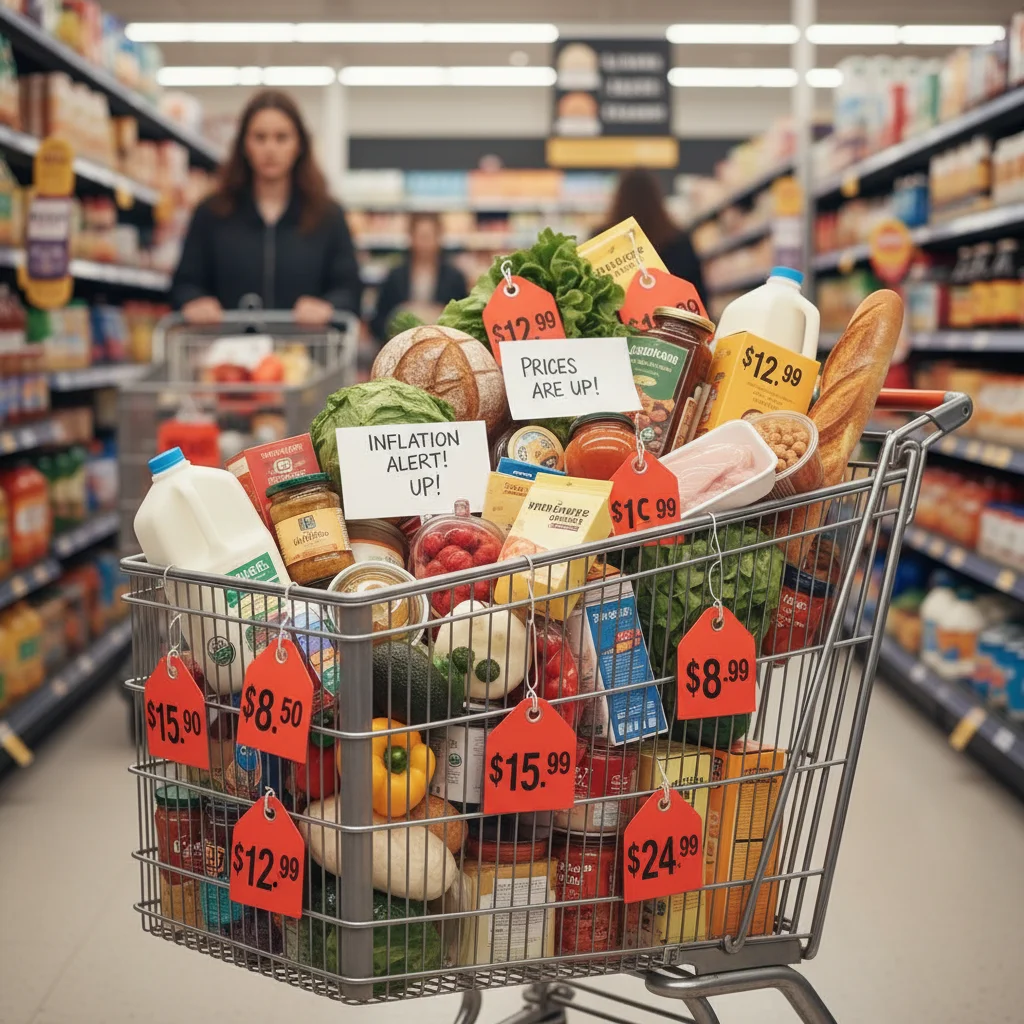
The theoretical concept of inflation becomes very real when it translates into the daily expenses of an American family. The rising cost of living directly diminishes the purchasing power of income, meaning that the same salary buys fewer goods and services than it did just a few months prior. This ‘inflation tax’ disproportionately affects lower-income households, who spend a larger percentage of their income on essential items like food, housing, and transportation, which are often the sectors experiencing the most significant price increases. For these families, the ability to maintain their current standard of living is severely threatened.
Let’s break down the impact on specific components of the household budget:
- Food Costs: Grocery bills have become noticeably higher. Families are reporting having to make tougher choices at the supermarket, opting for cheaper alternatives, reducing portion sizes, or even cutting back on certain food groups. This impacts nutrition and overall well-being.
- Housing Expenses: Whether it’s rising rents or increased mortgage payments (for those with adjustable-rate mortgages), housing remains the largest expense for most households. The scarcity of affordable housing, combined with inflation, exacerbates this challenge, making it harder for individuals and families to secure stable and affordable shelter.
- Transportation: Fuel prices directly affect commuters and those reliant on personal vehicles. Beyond gasoline, the cost of vehicle maintenance, insurance, and public transportation fares has also seen an uptick, adding another layer of strain to the household budget.
- Utilities: Electricity, gas, and water bills have all climbed, driven by higher energy costs and infrastructure investments. These non-negotiable expenses further reduce discretionary income.
- Healthcare: Medical costs continue their upward trajectory, with rising insurance premiums, prescription drug prices, and out-of-pocket expenses putting a considerable burden on families, particularly those with chronic conditions or unexpected medical needs.
The cumulative effect of these increases is a significant squeeze on the household budget, leaving less room for savings, investments, and discretionary spending. This can lead to increased debt, reduced financial security, and heightened stress for many American families.
Understanding the Disproportionate Impact on Vulnerable Households
While inflation affects everyone, its impact is not evenly distributed. Vulnerable households, including those with fixed incomes (like retirees), low-wage earners, and single-parent families, often bear the brunt of rising prices. These groups typically have less disposable income to begin with, making them more susceptible to the erosion of purchasing power. For example, a significant portion of a low-income household’s budget is allocated to necessities, meaning that even a small percentage increase in food or rent prices can have a devastating effect on their ability to meet basic needs. This exacerbates existing inequalities and can push more families into financial hardship, making the management of the household budget a constant struggle.
Forecasting Future Trends and Economic Outlook for the American Household
Looking beyond the immediate 3-month data, what does the future hold for inflation and the American household budget in 2026 and beyond? Economic forecasts are inherently complex, but several factors will likely shape the trajectory of inflation. Central banks, particularly the Federal Reserve, are closely monitoring inflation data and adjusting monetary policy accordingly. Interest rate hikes, while aimed at cooling down the economy and bringing inflation under control, can also have ripple effects, potentially slowing economic growth and impacting employment. The balance between curbing inflation and avoiding a recession is a delicate one.
Global events will also continue to play a significant role. Geopolitical stability, the resolution of supply chain issues, and international energy market dynamics will all influence commodity prices and, by extension, the cost of goods and services domestically. Technological advancements and increased productivity could offer some deflationary pressures in the long run, but their immediate impact might be limited. Consumer behavior itself is a crucial factor; if consumers anticipate continued price increases, they may accelerate purchases, further fueling demand and inflation. Conversely, a pullback in spending could help moderate price growth, easing pressure on the household budget.
For the average American household budget, this means continued vigilance and adaptability will be essential. While some economists predict a gradual easing of inflationary pressures towards the latter half of 2026, the path is unlikely to be smooth. Volatility in specific sectors might persist, and the overall cost of living could remain elevated compared to pre-inflationary periods. Therefore, proactive financial planning and strategic adjustments to spending habits will be more important than ever to maintain financial health and resilience.
Strategies for American Households to Navigate Inflation in 2026
Given the persistent inflationary environment, American households must adopt proactive strategies to protect their household budget and maintain financial stability. Here are several actionable tips:
1. Re-evaluate and Adjust Your Budget (Household Budget Strategies)
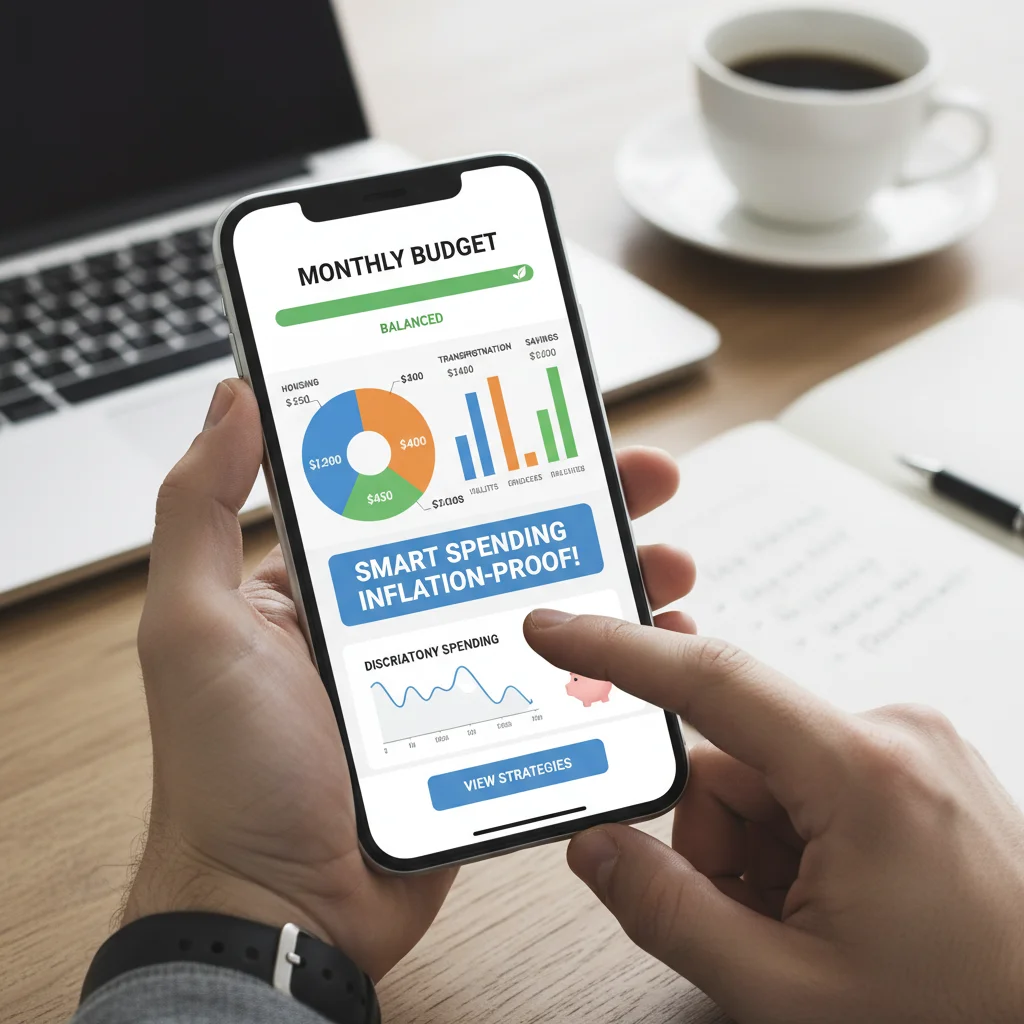
The first step is to meticulously review your current spending. Track every dollar to identify where your money is going. Categorize expenses into needs, wants, and savings. In an inflationary period, it’s crucial to differentiate between essential and non-essential spending. Look for areas where you can cut back, even if it means temporary sacrifices. This might include reducing dining out, canceling unused subscriptions, or finding cheaper alternatives for entertainment. Regularly updating your budget (e.g., monthly or quarterly) ensures it remains relevant to your financial situation and the prevailing economic conditions. This continuous assessment is vital for managing your household budget effectively.
2. Seek Opportunities for Income Growth
One of the most effective ways to combat inflation is to increase your income. This could involve negotiating a raise at your current job, taking on a side hustle, or exploring opportunities for career advancement. If a raise isn’t immediately possible, consider enhancing your skills through online courses or certifications to boost your long-term earning potential. Even small increases in income can significantly offset the rising cost of living and strengthen your household budget.
3. Smart Shopping and Cost-Saving Measures (Personal Finance Strategies)
Become a savvy shopper. This means comparing prices, buying in bulk when appropriate, and taking advantage of sales and discounts. For groceries, plan your meals to minimize waste, use coupons, and consider store-brand alternatives. Explore energy-saving measures at home, such as using energy-efficient appliances, sealing drafts, and adjusting your thermostat. For transportation, consider carpooling, public transport, or combining errands to save on fuel. Every dollar saved directly benefits your household budget.
4. Debt Management and Interest Rates
High inflation often leads to rising interest rates. If you have variable-rate debt, such as credit card balances or certain loans, your monthly payments could increase. Prioritize paying down high-interest debt to minimize the impact of rising rates. Consider consolidating debt or refinancing at a fixed interest rate if favorable options are available. Reducing debt frees up more of your household budget for essential spending and savings.
5. Protect Your Savings and Investments (Financial Planning)
Inflation erodes the value of cash and traditional savings accounts. While maintaining an emergency fund is crucial, consider investing a portion of your long-term savings in assets that historically perform well during inflationary periods, such as inflation-protected securities (TIPS), real estate, or certain commodities. Consult with a financial advisor to tailor an investment strategy that aligns with your risk tolerance and financial goals, ensuring your savings keep pace with or outgrow inflation, thus safeguarding your household budget‘s future purchasing power.
6. Delaying Large Purchases and Negotiating (Inflation Management)
If possible, consider delaying large, non-essential purchases like new cars or home renovations, as these items often see significant price increases during inflationary times. When you do need to make a substantial purchase, practice negotiating prices. Many goods and services, especially in competitive markets, may have room for price adjustments or bundled deals that can save you money, helping to preserve your household budget.
Government and Policy Responses to Combat Inflation
Beyond individual household strategies, government and monetary policy responses play a pivotal role in shaping the broader economic environment and, by extension, the pressures on the household budget. Central banks, like the Federal Reserve, primarily use monetary policy tools to influence inflation. The most common tool is adjusting the federal funds rate, which impacts interest rates across the economy. By raising interest rates, the Fed aims to cool down aggregate demand, making borrowing more expensive for businesses and consumers, thereby reducing spending and theoretically slowing down price increases. This approach, however, carries the risk of dampening economic growth and potentially leading to a recession, highlighting the delicate balancing act central bankers face.
Fiscal policy, enacted by legislative bodies, also plays a role. This includes government spending, taxation, and debt management. While direct fiscal interventions to combat inflation are less common than monetary policy adjustments, targeted measures can help. For instance, subsidies for essential goods or energy, tax breaks for certain industries, or investments in supply chain resilience could alleviate some inflationary pressures. However, poorly timed or excessive fiscal stimulus can also exacerbate inflation by injecting too much money into the economy. Understanding these broader policy responses provides context for the challenges and opportunities facing the average household budget.
Furthermore, international cooperation and trade policies also have an impact. Efforts to resolve global supply chain disruptions through diplomatic means, trade agreements, or investments in domestic production can help stabilize the cost of imported goods and components, reducing inflationary pressures. The effectiveness of these policies often depends on their coordination and timing, as economic forces can be slow to respond. For the American household budget, the interplay of these various policy levers ultimately determines the extent of price stability and economic predictability.
Conclusion: Building Financial Resilience in an Inflationary 2026
The latest 3-month inflation data for 2026 clearly indicates a challenging economic environment for the average American household budget. Rising costs in essential sectors like food, housing, and transportation are exerting significant pressure, eroding purchasing power and demanding careful financial management. While the broader economic outlook is subject to ongoing shifts from monetary policies, global events, and consumer behavior, individual households are not without agency.
By understanding the nuances of inflation, meticulously re-evaluating budgets, seeking opportunities for income growth, adopting smart shopping habits, managing debt strategically, and protecting investments, American families can build greater financial resilience. The key lies in proactive planning and adaptability. The goal is not merely to survive inflationary periods but to thrive by making informed decisions that safeguard your financial future. As we move forward through 2026, continuous vigilance and a commitment to sound financial practices will be your strongest allies in navigating the complexities of the economic landscape and preserving the well-being of your household budget.