PSLF Program 2025: Changes, Requirements & Maximizing Forgiveness

Anúncios
The 2025 Public Service Loan Forgiveness (PSLF) program introduces significant updates impacting eligibility, payment counting, and application processes, aiming to simplify relief for dedicated public servants.
For many dedicated individuals working in public service, the promise of student loan forgiveness through the PSLF 2025 Program Changes offers a beacon of hope. This program, designed to alleviate the financial burden on those who commit to serving their communities, is undergoing important modifications that could significantly impact current and future applicants. Understanding these changes is crucial for anyone pursuing loan forgiveness.
Anúncios
Understanding the Core of PSLF: What Hasn’t Changed?
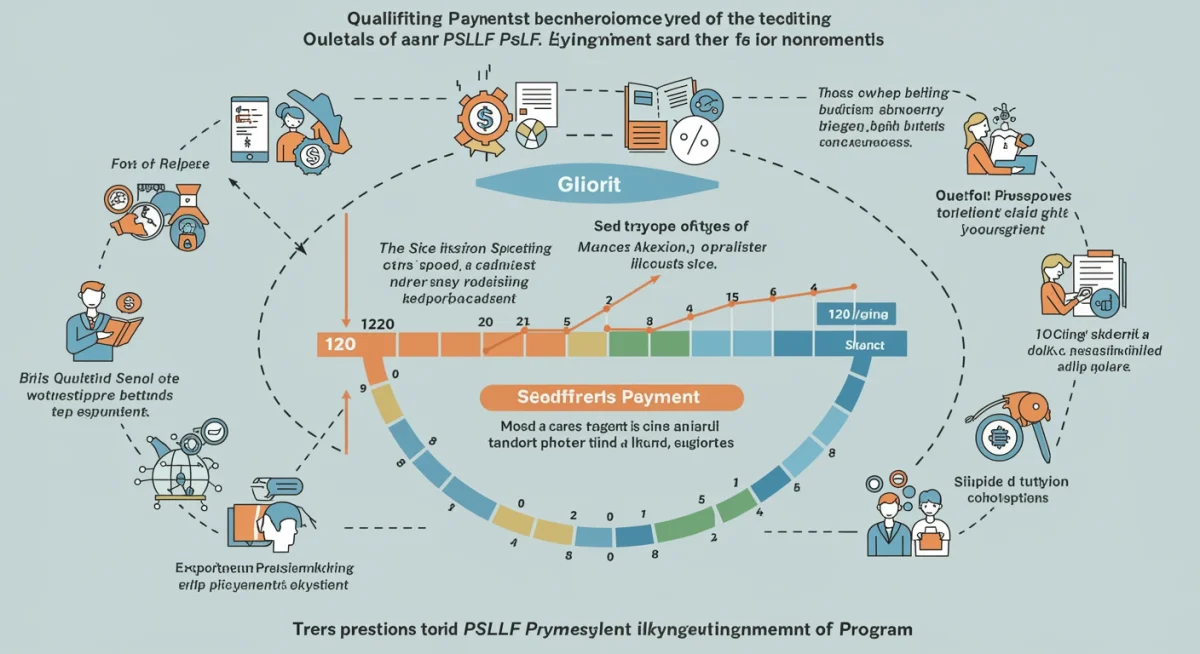
Before diving into the new aspects, it’s essential to grasp the foundational principles of the Public Service Loan Forgiveness (PSLF) program that remain constant. PSLF’s core mission is to encourage and reward individuals for pursuing careers in public service by forgiving the remaining balance on their federal direct loans after they’ve made 120 qualifying monthly payments.
This commitment to public service roles, whether in government or non-profit organizations, continues to be the bedrock of the program. While the road to forgiveness can sometimes feel complex, the underlying goal of supporting those who serve remains unchanged.
Anúncios
Qualifying Employment Remains Key
The definition of qualifying employment is still central to PSLF eligibility. This generally includes:
- Government organizations at any level (federal, state, local, or tribal).
- Not-for-profit organizations that are tax-exempt under Section 501(c)(3) of the Internal Revenue Code.
- Other not-for-profit organizations that provide certain public services.
It’s important to note that employment with labor unions, partisan political organizations, or for-profit organizations does not qualify, regardless of the services they provide. Verification of employment is a continuous process, and maintaining eligible employment throughout the 10-year repayment period is paramount.
Direct Loans Are Still the Focus
Only federal Direct Loans are eligible for PSLF. If you have other types of federal student loans, such as Federal Family Education Loan (FFEL) Program loans or Federal Perkins Loans, you’ll need to consolidate them into a Direct Consolidation Loan to be considered for PSLF. This consolidation process itself doesn’t automatically make past payments count, but it’s a necessary step for future eligibility.
The consistency in these core requirements means that individuals who have been working towards PSLF under the previous rules still have a strong framework to build upon. The changes primarily aim to refine the process, not to overturn the fundamental principles of the program.
In essence, while the landscape of PSLF is evolving, the core commitment to public service and the requirement of federal Direct Loans remain the unwavering pillars of the program. Understanding these enduring elements provides a stable foundation for navigating the upcoming modifications.
Key Changes to PSLF in 2025: What to Expect
The year 2025 brings forth several significant adjustments to the Public Service Loan Forgiveness (PSLF) program, building upon previous temporary waivers and aiming for a more streamlined and equitable process. These changes reflect an ongoing effort to simplify the path to forgiveness for public servants and address some of the historical complexities that have hindered applicants.
Anticipate modifications that could impact how payments are counted, what constitutes eligible employment verification, and the overall application experience. These adjustments are designed to clarify ambiguities and potentially expand access to forgiveness for more borrowers.
Expanded Payment Counting Rules
One of the most impactful changes expected in 2025 revolves around how qualifying payments are calculated. Building on the PSLF Waiver and Income-Driven Repayment (IDR) Account Adjustment, more types of past payments are likely to count towards the 120-payment requirement. This could include:
- Periods of deferment and forbearance that were previously ineligible.
- Partial payments or payments made outside of an income-driven repayment plan, under certain conditions.
- Payments made before consolidation, which were historically often lost.
The goal is to provide a more inclusive view of a borrower’s repayment history, recognizing that many public servants may have faced challenges navigating complex repayment rules. This shift is particularly beneficial for those who believed they were on track for PSLF but were disqualified due to technicalities.
Simplified Employment Certification
The process of certifying employment has often been a hurdle for applicants. The 2025 changes are expected to introduce a more simplified and possibly automated system for employment verification. This might involve:
- More frequent and proactive communication from servicers regarding employment status.
- Streamlined digital tools for employers to verify employment.
- Clearer guidelines on what documentation is required, reducing back-and-forth communication.
The aim is to reduce the administrative burden on both borrowers and employers, making the certification process less intimidating and more efficient. A simpler process means fewer errors and a faster path to forgiveness for eligible individuals.
Greater Transparency and Communication
Borrowers can also anticipate increased transparency from the Department of Education and loan servicers. This includes clearer statements regarding qualifying payments, more accessible resources for understanding PSLF rules, and proactive outreach to borrowers who may be nearing forgiveness or require specific actions. The emphasis is on proactive guidance rather than reactive problem-solving.
These anticipated changes in 2025 represent a significant effort to refine PSLF, making it more accessible and less confusing. Public servants should stay informed and actively engage with their loan servicers to understand how these updates specifically apply to their unique situations.
Eligibility Requirements for 2025: Who Qualifies?
As the Public Service Loan Forgiveness (PSLF) program evolves into 2025, understanding the precise eligibility requirements is paramount for anyone seeking this valuable benefit. While the core tenets of qualifying employment and loan types remain, the nuances of these requirements are crucial for successful application. The program is designed to reward sustained commitment to public service, and eligibility hinges on a clear understanding of these criteria.
Borrowers must meet specific conditions related to their federal student loans, their employment, and their repayment history. Missing even one of these components can lead to delays or denial of forgiveness.
Qualifying Federal Student Loans
The fundamental requirement remains: you must have eligible federal student loans. Specifically, these are:
- Direct Subsidized Loans
- Direct Unsubsidized Loans
- Direct PLUS Loans
- Direct Consolidation Loans
It’s critical to re-emphasize that if you have other federal loan types (like FFEL or Perkins loans), you must consolidate them into a Direct Consolidation Loan to be eligible. This step must be taken before you can accumulate qualifying payments. Private loans are never eligible for PSLF.
Qualifying Employment Criteria
Your employment must meet the PSLF criteria for each of the 120 qualifying payments. This means working full-time for a qualifying employer. Full-time generally means working at least 30 hours per week. If you work multiple part-time jobs, you can meet the full-time requirement if the combined hours equal at least 30 hours per week, and each employer is a qualifying organization.
Qualifying employers include government organizations (federal, state, local, tribal) and not-for-profit organizations that are tax-exempt under Section 501(c)(3) of the Internal Revenue Code. Other not-for-profit organizations that provide specific public services may also qualify. Always use the PSLF Help Tool on studentaid.gov to verify your employer’s eligibility.
Making Qualifying Payments
You must make 120 qualifying monthly payments. These payments must be:
- Made after October 1, 2007.
- Made under a qualifying repayment plan (typically an Income-Driven Repayment plan).
- For the full amount due as shown on your bill.
- Made no later than 15 days after your due date.
- Made while you are employed full-time by a qualifying employer.
The changes in 2025 are expected to be more forgiving regarding past payment issues, but future payments should still adhere to these guidelines as closely as possible. It is highly recommended to enroll in an Income-Driven Repayment (IDR) plan, as these plans typically result in a lower monthly payment, making it easier to meet the 120 payments over ten years without financial strain.
Navigating the PSLF eligibility requirements can be intricate, but staying informed and proactively managing your loans and employment certification will significantly increase your chances of success in 2025 and beyond. Regular use of the PSLF Help Tool is your best defense against potential missteps.
Navigating the Application Process in 2025
The application process for Public Service Loan Forgiveness (PSLF) has historically been a source of confusion and frustration for many borrowers. With the anticipated 2025 changes, there’s a renewed focus on streamlining this process, making it more intuitive and less prone to errors. Understanding the updated steps and available tools will be crucial for a successful application.
The goal is to move towards a more digital and integrated system, reducing the need for extensive paperwork and improving communication between borrowers, employers, and loan servicers. Being prepared for these changes can significantly ease your journey to forgiveness.
The PSLF Help Tool: Your Primary Resource
The PSLF Help Tool on studentaid.gov is expected to remain your primary resource. This tool assists you in:
- Determining if your employer qualifies for PSLF.
- Identifying if your loans are eligible.
- Helping you complete the PSLF form (formerly called the Employment Certification Form or ECF).
- Tracking your progress towards the 120 qualifying payments.
Regularly using this tool, ideally once a year or whenever you change employers, is a best practice. It helps ensure that your employment is certified and your payments are accurately counted, preventing issues from compounding over time.
Submitting the PSLF Form
The PSLF Form is essential for certifying your employment and tracking your qualifying payments. In 2025, expect:
- An even more user-friendly digital submission process.
- Potentially direct electronic submission options from employers.
- Clearer instructions on how to handle employment changes or multiple employers.
After completing the form through the Help Tool, you will typically need to print it, have your employer sign it, and then submit it to MOHELA, the PSLF servicer. The changes aim to reduce the manual steps, making it easier for both borrowers and employers to comply.
Monitoring Your Progress
Once your PSLF Form is processed, your loan servicer (MOHELA) will update your payment count. It’s imperative to regularly check your account with MOHELA to monitor your progress. Look for:
- The total number of qualifying payments made.
- Any periods of employment that need further certification.
- Notifications regarding your eligibility status.
If you notice any discrepancies or have questions, contact MOHELA immediately. Proactive monitoring and communication are key to ensuring a smooth application process and ultimately, receiving your loan forgiveness.

Maximizing Your PSLF Forgiveness: Strategies for Success
Achieving Public Service Loan Forgiveness (PSLF) requires more than just meeting the basic requirements; it demands a proactive and strategic approach. With the 2025 program changes on the horizon, now is the opportune time to refine your strategy to maximize your chances of successful forgiveness. A well-thought-out plan can prevent common pitfalls and ensure you fully benefit from the program.
Focusing on consistent compliance, informed decision-making, and diligent tracking will be your greatest assets in navigating the path to loan forgiveness.
Enroll in the Right Repayment Plan
The most critical step for maximizing PSLF is ensuring you are enrolled in a qualifying income-driven repayment (IDR) plan. These plans (Income-Based Repayment, Pay As You Earn, Revised Pay As You Earn, and Income-Contingent Repayment) typically result in lower monthly payments, which is beneficial for PSLF because the amount forgiven is the remaining balance, not the total amount paid. The less you pay monthly, the more you stand to have forgiven after 120 payments.
Re-certify your income and family size annually, or whenever there’s a significant change, to ensure your payments remain as low as possible. Failing to recertify can lead to your payments reverting to a standard plan, which may not count towards PSLF.
Certify Employment Annually (or More Often)
Don’t wait until you’ve made all 120 payments to certify your employment. Submit the PSLF Form annually, or whenever you change qualifying employers. This proactive approach ensures that:
- Your employment is continuously verified.
- Any issues with employer eligibility can be identified and corrected early.
- Your payment count is updated regularly, giving you a clear picture of your progress.
Annual certification minimizes the risk of discovering problems years down the line when it might be difficult to gather past employment documentation. It also provides peace of mind as you track your journey.
Keep Meticulous Records
While the program aims for greater transparency, maintaining your own comprehensive records is a wise strategy. Keep copies of:
- All submitted PSLF Forms with confirmation of receipt.
- Loan statements and payment confirmations.
- Employment verification documents, including pay stubs and employment letters.
- Correspondence with your loan servicer.
These records can be invaluable in case of discrepancies or disputes regarding your payment count or eligibility. A well-organized file, whether digital or physical, can save you significant stress and time should any issues arise during your pursuit of PSLF.
By actively managing your repayment plan, consistently certifying employment, and maintaining thorough records, you are not just hoping for PSLF forgiveness; you are strategically working towards it, maximizing your chances of a successful outcome under the 2025 program.
Common Pitfalls to Avoid with PSLF in 2025
Despite the efforts to simplify the Public Service Loan Forgiveness (PSLF) program in 2025, certain pitfalls can still derail a borrower’s path to forgiveness. Being aware of these common mistakes and actively working to avoid them is just as important as understanding the requirements. Proactive vigilance can save years of frustration and ensure your dedicated public service culminates in the promised loan relief.
Many borrowers have faced setbacks due to misunderstandings or administrative errors. Learning from these experiences can help you navigate the program more smoothly.
Not Consolidating Ineligible Loans
One of the most frequent mistakes is failing to consolidate non-Direct Federal Loans (such as FFEL or Perkins loans) into a Direct Consolidation Loan. Only Direct Loans qualify for PSLF. If you have these other loan types and don’t consolidate them, any payments made on them will not count towards your 120 qualifying payments. This step must be taken early in your repayment journey.
Incorrect Repayment Plan Enrollment
Another significant pitfall is not being enrolled in a qualifying repayment plan. Only payments made under an Income-Driven Repayment (IDR) plan or the 10-year Standard Repayment Plan count. If you are on an extended, graduated, or any other non-qualifying plan, those payments will not accrue towards PSLF. Regularly confirm with your servicer that you are on an eligible IDR plan.
Failing to Certify Employment Regularly
While you don’t need to submit the PSLF Form every year, it is highly recommended. Delaying employment certification until you’ve made all 120 payments can lead to discovering issues with employer eligibility or missing documentation years after the fact. This can result in significant delays or even denial of forgiveness if past employers or their records are no longer accessible.
Not Tracking Progress and Communication
Assuming that everything is being tracked correctly by your servicer without personal verification is a risky approach. Borrowers should regularly:
- Check their loan servicer account for updated payment counts.
- Review communications from their servicer for important updates or requests.
- Keep their contact information up to date.
Any discrepancies in payment counts or eligibility status should be addressed immediately with MOHELA. Ignoring these issues can lead to compounded problems that are harder to resolve later.
By diligently avoiding these common missteps, public servants can significantly improve their chances of successfully navigating the PSLF program and ultimately achieving the loan forgiveness they have earned through their dedicated service.
The Future of PSLF Beyond 2025: What’s Next?
As the Public Service Loan Forgiveness (PSLF) program enters a new phase with its 2025 changes, many borrowers and advocates are looking ahead, wondering what the future holds for this critical initiative. While specific legislative actions are always subject to political landscapes, the trajectory suggests a continued commitment to refining and improving the program, making it more accessible and effective for public servants.
The ongoing adjustments reflect a recognition of the vital role public service plays in society and the need to support those who choose these careers.
Continued Program Simplification
One clear trend is the drive towards further simplification. The complexities of PSLF have been a major barrier for many, and the Department of Education has shown a consistent effort to reduce administrative burdens. Beyond 2025, we might see:
- Further integration of data between federal agencies to streamline employment verification.
- Automated processes for payment counting and eligibility assessment.
- Even clearer and more concise communication to borrowers.
The goal is to create a PSLF experience where eligible borrowers can focus on their public service work without being bogged down by bureaucratic hurdles.
Addressing Remaining Gaps
Despite the significant improvements, there may still be areas where the PSLF program can be enhanced. Future discussions could revolve around:
- Expanding the definition of qualifying employment to include more types of public service roles.
- Revisiting rules for specific types of deferments or forbearances that still don’t count towards forgiveness.
- Exploring options for borrowers who face temporary periods of unemployment or reduced hours in public service.
Advocacy groups continue to highlight these areas, pushing for a PSLF program that is as inclusive and supportive as possible for all public servants.
Long-Term Stability and Funding
The long-term stability and funding of PSLF will likely remain a topic of discussion. As a federal program, its future is tied to government policies and budget allocations. However, given the bipartisan support for public service and the demonstrated need for student loan relief, it is anticipated that PSLF will continue to be a cornerstone of federal student aid programs.
Borrowers should stay engaged with news from the Department of Education and legislative updates. While the core promise of PSLF is expected to endure, understanding potential future modifications will help in long-term financial planning.
The evolution of PSLF beyond 2025 is likely to be characterized by ongoing efforts to make it more efficient, equitable, and sustainable. For public servants, this means a continued commitment to their work, coupled with informed engagement with their loan repayment journey.
| Key Aspect | 2025 PSLF Program Overview |
|---|---|
| Qualifying Payments | Expanded counting for past payments, including some deferment/forbearance periods. |
| Eligible Employment | Full-time work for government or 501(c)(3) non-profits remains essential. |
| Application Process | Simplified digital tools and clearer guidance for employment certification. |
| Loan Types | Only Direct Loans qualify; consolidation required for other federal loans. |
Frequently Asked Questions About PSLF 2025
The most significant changes in 2025 revolve around expanded payment counting rules, allowing more past payment periods to qualify, and a simplified employment certification process. These updates aim to make PSLF more accessible and reduce historical complexities for borrowers seeking forgiveness.
No, generally you do not need to re-apply if you are already pursuing PSLF. The changes primarily affect how payments are counted and how employment is certified. However, it’s crucial to ensure your contact information is current and to submit new PSLF Forms if you change employers or annually to track progress.
Under the expanded payment counting rules, some previously ineligible periods of deferment, forbearance, or certain repayment plans may now count. This is often tied to the IDR Account Adjustment. Check your loan servicer’s website or studentaid.gov for updates on your specific payment count.
If your employer does not meet the qualifying criteria (government or 501(c)(3) non-profit), your employment will not count towards PSLF. You must work for an eligible employer for the payments to qualify. Use the PSLF Help Tool to verify employer eligibility before or during your employment.
To stay on track, ensure you have Direct Loans, are enrolled in an Income-Driven Repayment plan, work full-time for a qualifying employer, and submit the PSLF Form annually or when changing jobs. Regularly monitor your payment count with MOHELA and keep meticulous records of all correspondence.
Conclusion
The 2025 Public Service Loan Forgiveness (PSLF) program changes represent a pivotal moment for thousands of dedicated public servants across the United States. These modifications, building on previous efforts to simplify and expand access, offer a clearer and potentially faster path to student loan forgiveness. By understanding the updated eligibility criteria, navigating the refined application process, and proactively implementing strategies to maximize forgiveness, borrowers can confidently pursue the relief they’ve earned. While the program continues to evolve, the core commitment to supporting those who serve our communities remains strong. Staying informed, diligent, and engaged with loan servicers will be key to successfully leveraging PSLF in 2025 and beyond.