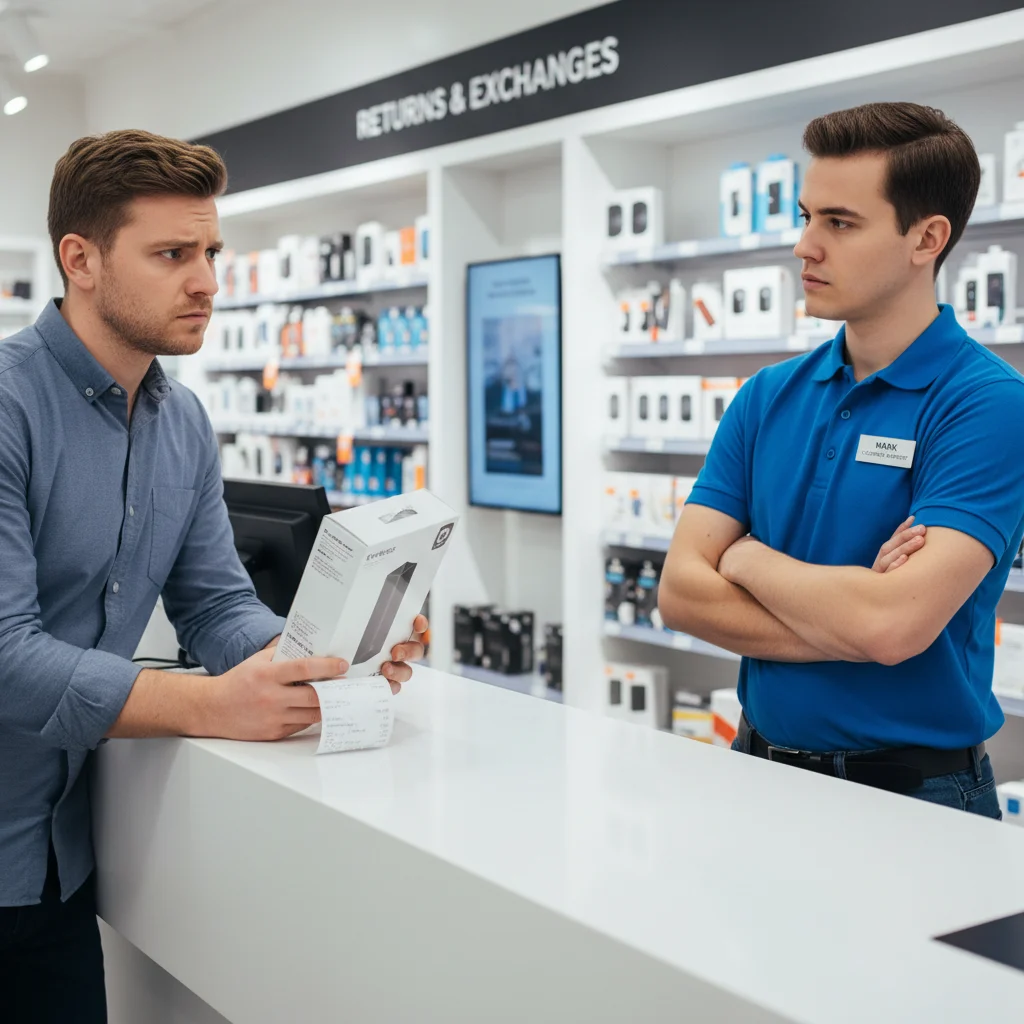
Navigating Return Policies in 2026: What to Do When a Store Refuses Your Refund (Updated Guidance)
In the fast-evolving landscape of retail, consumer rights, and digital commerce, understanding return policies is more crucial than ever. While most transactions proceed smoothly, there are inevitably moments when a store refuses your refund, leaving you feeling frustrated and unsure of your next steps. As we navigate 2026, return policies continue to adapt, influenced by technological advancements, sustainability initiatives, and evolving consumer behavior. This comprehensive guide is designed to empower you with the knowledge and strategies needed to successfully navigate these challenges, ensuring your consumer rights are protected and helping you achieve a satisfactory resolution when faced with a refused refund guidance situation.
The digital age has brought with it both unparalleled convenience and a complex web of terms and conditions. Online purchases, while easy, often come with specific return windows, conditions for item state, and varying processes for initiating a return. Brick-and-mortar stores, too, have refined their policies, often integrating technology to track purchases and returns more rigorously. Our aim is to demystify these processes, provide actionable advice, and equip you with the confidence to assert your rights effectively.
Anúncios
Whether you’ve encountered a faulty product, a change of mind, or an item that simply doesn’t meet expectations, knowing your legal standing and the best practices for resolution is key. We’ll delve into the nuances of different policy types, explore common reasons for refund refusals, and outline a step-by-step approach to escalate your case if initial attempts fail. This isn’t just about getting your money back; it’s about understanding your power as a consumer and advocating for fair treatment in every shopping experience.
Understanding the Evolving Landscape of Return Policies in 2026
Return policies are not static; they are dynamic documents that retailers frequently update to align with business objectives, legal requirements, and industry trends. In 2026, we observe several key trends shaping these policies:
Anúncios
- Shorter Return Windows: To mitigate losses from ‘wardrobing’ (buying, wearing, and returning) and reduce inventory holding costs, many retailers are implementing stricter, shorter return periods.
- Increased Scrutiny on Item Condition: Expect more rigorous checks on whether items are returned in their original, resalable condition, with tags attached and original packaging intact.
- Digital Receipts and Returns: The shift towards digital receipts and online return portals is accelerating, making the process more streamlined but also potentially more impersonal.
- Sustainability Focus: Some retailers are integrating environmental considerations into their return policies, encouraging thoughtful purchases and sometimes charging return fees for non-defective items to offset carbon footprint.
- Personalized Policies: Loyalty programs might offer extended return windows or more lenient conditions to high-value customers, creating tiered return experiences.
- AI and Data Analytics: Retailers are leveraging AI to identify return patterns, potentially flagging customers with high return rates for closer scrutiny or even restricting their return privileges.
Being aware of these trends is the first step in avoiding a refused refund guidance situation. Always review the specific return policy of each retailer before making a purchase, especially for high-value items or those with known variability in quality or fit.
Common Reasons for a Refused Refund and How to Pre-empt Them
When a store refuses your refund, it’s usually for a specific reason. Understanding these common pitfalls can help you prepare and present your case more effectively, or even avoid the refusal altogether. Here are the most frequent reasons:
1. Exceeding the Return Window
This is perhaps the most straightforward reason. Most retailers have a clearly defined period (e.g., 14, 30, 60, or 90 days) within which an item can be returned. If you attempt a return outside this window, the store is generally within its rights to refuse it. Always check the return period at the time of purchase and mark your calendar if necessary.
2. Item Not in Resalable Condition
Products must typically be returned in their original condition, unworn, unwashed, with all original tags, labels, and packaging. For electronics, this often means factory sealed. If an item shows signs of use, damage not present at the time of purchase, or missing components, a refund may be denied. Be meticulous in keeping items in pristine condition if you anticipate a return.
3. Lack of Proof of Purchase
A receipt, order confirmation, or bank statement proving the purchase is almost always required. Without it, the store cannot verify that the item was bought from them, its purchase price, or the date of sale. Digital receipts are increasingly common and should be kept securely. Some stores might offer store credit without a receipt, but a full refund is unlikely.
4. Item is Non-Returnable
Certain categories of items are often explicitly excluded from return policies for hygiene, safety, or intellectual property reasons. These can include underwear, swimwear, earrings, personalized items, software, gift cards, or final sale/clearance items. Always look for ‘final sale’ or ‘non-returnable’ disclaimers before buying.
5. Misunderstanding the Return Policy
Return policies can be complex, with nuances for different product categories, payment methods, or promotional purchases. A misunderstanding of these terms can lead to a refused refund guidance. It’s your responsibility as a consumer to read and understand the policy before purchase.
6. Suspected Abuse of Return Policy
While rare, some stores track return patterns. If a customer has an unusually high return rate or exhibits behavior consistent with ‘wardrobing’ or fraudulent returns, the store may flag their account and refuse future returns, or even ban them from shopping. This is why preserving the item’s condition and adhering to policies is vital.
Your Consumer Rights: What Every Shopper in 2026 Should Know
While retailers set their own return policies, these policies must operate within the framework of consumer protection laws. These laws vary by country and region, but generally provide a baseline of rights that cannot be overridden by a store’s policy. Understanding these fundamental rights is crucial when dealing with a refused refund guidance.
In the United States:
- No Federal Right to Return: Unlike some other countries, there is no federal law in the U.S. that mandates retailers to accept returns. Return policies are largely at the discretion of the retailer.
- Implied Warranty of Merchantability: This is a key protection. When you buy a product, it comes with an ‘implied warranty’ that it will work as expected for its intended purpose. If a product is defective or doesn’t work, you generally have a right to a refund, repair, or replacement, regardless of the store’s stated return policy.
- State Laws: Some states have specific laws regarding returns, especially for certain types of products or if a store advertises a return policy. For example, some states require stores to clearly post their return policies.
- Credit Card Protections: Many credit card companies offer purchase protection or chargeback rights. If a product is defective or not as described and the merchant won’t cooperate, your credit card company might be able to help you dispute the charge.
In the European Union (EU) and United Kingdom (UK):
- Consumer Rights Act 2015 (UK) / Consumer Rights Directive (EU): These laws provide robust protections. Goods must be of satisfactory quality, fit for purpose, and as described. If they are not, you have a legal right to a refund, repair, or replacement.
- Short-Term Right to Reject: In the UK, you have 30 days to return faulty goods for a full refund. In the EU, this period is generally 14 days for online and distance sales (right of withdrawal), even if the goods are not faulty.
- Online and Distance Selling Regulations: For items bought online, over the phone, or by mail order, you typically have a 14-day ‘cooling-off period’ to cancel your order and return the item for a full refund, even if there’s nothing wrong with it. This usually applies from the day you receive the goods.
- Proof of Purchase: You will generally need proof of purchase, but it doesn’t always have to be a receipt; a bank statement or order confirmation can suffice.
General Principles Applicable Everywhere:
- Misleading Information: If a store provides misleading information about a product or its return policy, you may have grounds to challenge a refusal.
- Unfair Contract Terms: Laws often protect consumers from unfair terms in contracts (including return policies) that significantly disadvantage them.
Always research the specific consumer laws in your region. This knowledge forms the bedrock of your strategy when a store refuses your refund.
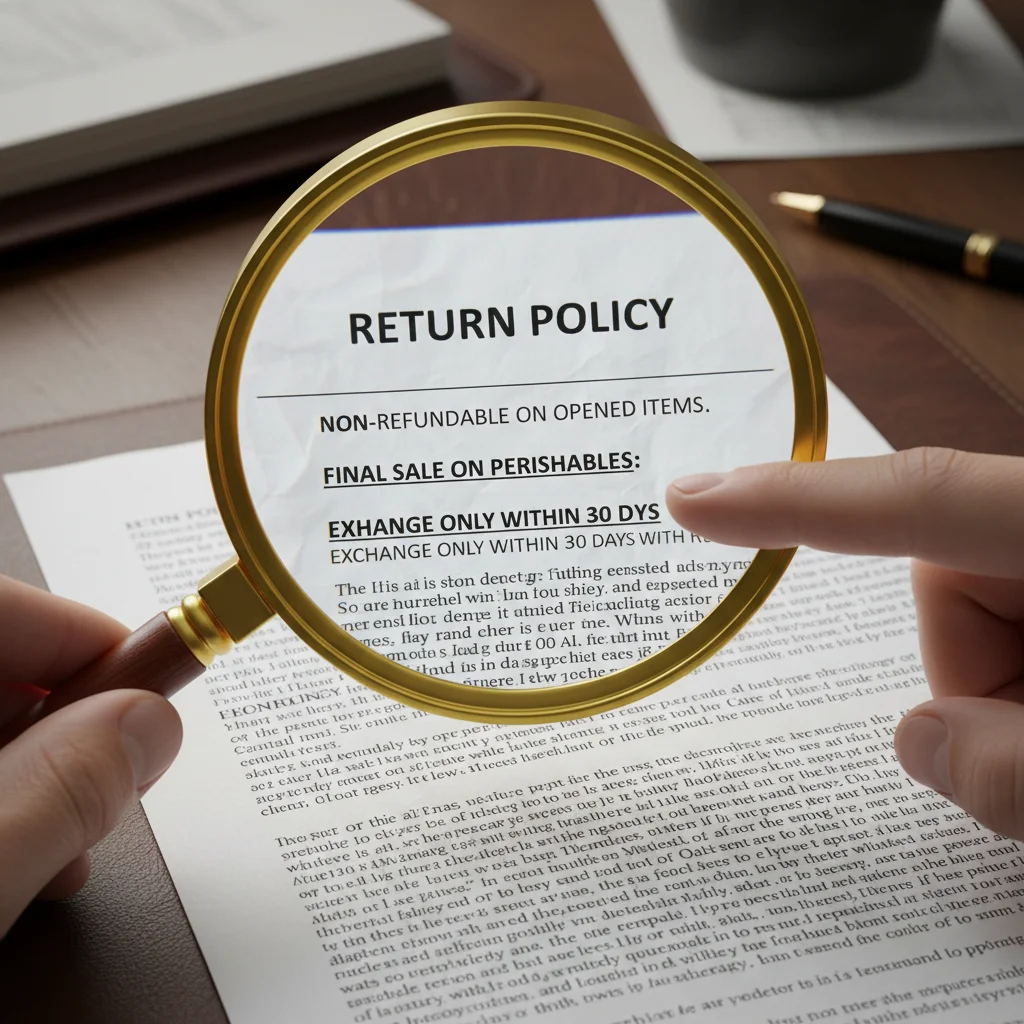
Step-by-Step Guide: What to Do When a Store Refuses Your Refund
Encountering a refused refund guidance can be disheartening, but don’t give up immediately. Follow these steps to maximize your chances of a successful resolution:
Step 1: Understand the Reason for Refusal
Politely ask the store employee or customer service representative for the specific reason they are refusing the refund. Understanding their justification is crucial for formulating your counter-argument. Is it past the return window? Is the item damaged? Do you lack a receipt? Get a clear explanation.
Step 2: Review the Store’s Published Return Policy
Once you know their reason, carefully review the store’s official return policy. This is often available on their website, on the back of your receipt, or posted in the store. Look for clauses that might support your case or confirm their stance. Sometimes, an employee might misinterpret a policy, or there might be exceptions you’re unaware of.
Step 3: Present Your Evidence
Gather all relevant documentation:
- Proof of Purchase: Original receipt, digital receipt, bank statement, credit card statement.
- Product Packaging & Tags: Show that the item is in its original condition, with all accessories, tags, and packaging.
- Communication Records: If you had prior communication with the store regarding the item or return, bring emails or chat logs.
- Evidence of Fault (if applicable): Photos or videos of the defect, or a clear description of the malfunction.
Step 4: Escalate to a Manager or Supervisor
If the initial employee refuses your refund and you believe you have a valid case, politely request to speak with a manager or supervisor. They often have more authority and discretion to make exceptions or interpret policies more favorably. Explain your situation calmly and clearly, referencing the store’s policy and your evidence.
Step 5: Reference Your Consumer Rights
This is where your knowledge of consumer law becomes invaluable. If the item is faulty, not fit for purpose, or not as described, remind them of your statutory rights (e.g., implied warranty of merchantability in the US, Consumer Rights Act in the UK). Frame your argument around these legal protections, which supersede store policies for defective goods.
Step 6: Consider Alternative Resolutions
If a full refund is still off the table, explore other options:
- Exchange: Can you exchange the item for a different size, color, or a completely different product?
- Store Credit: This is often offered when a full refund isn’t possible, especially if you lack a receipt.
- Repair: For faulty electronics or appliances, a repair might be a satisfactory outcome.
- Partial Refund: For minor issues, a partial refund might be an acceptable compromise.
Step 7: Document Everything
Throughout this process, keep a detailed record of:
- Dates and Times: When you attempted the return, spoke to staff, etc.
- Names: Of employees and managers you spoke with.
- What was Said: A brief summary of the conversation and the reasons given for refusal.
- Any Agreements: Details of any offers or compromises made.
This documentation will be vital if you need to escalate further.
Advanced Strategies for Challenging a Refused Refund
When direct communication with the store proves unsuccessful, it’s time to consider more formal avenues. These strategies are particularly effective for significant purchases or when dealing with persistent refused refund guidance situations.
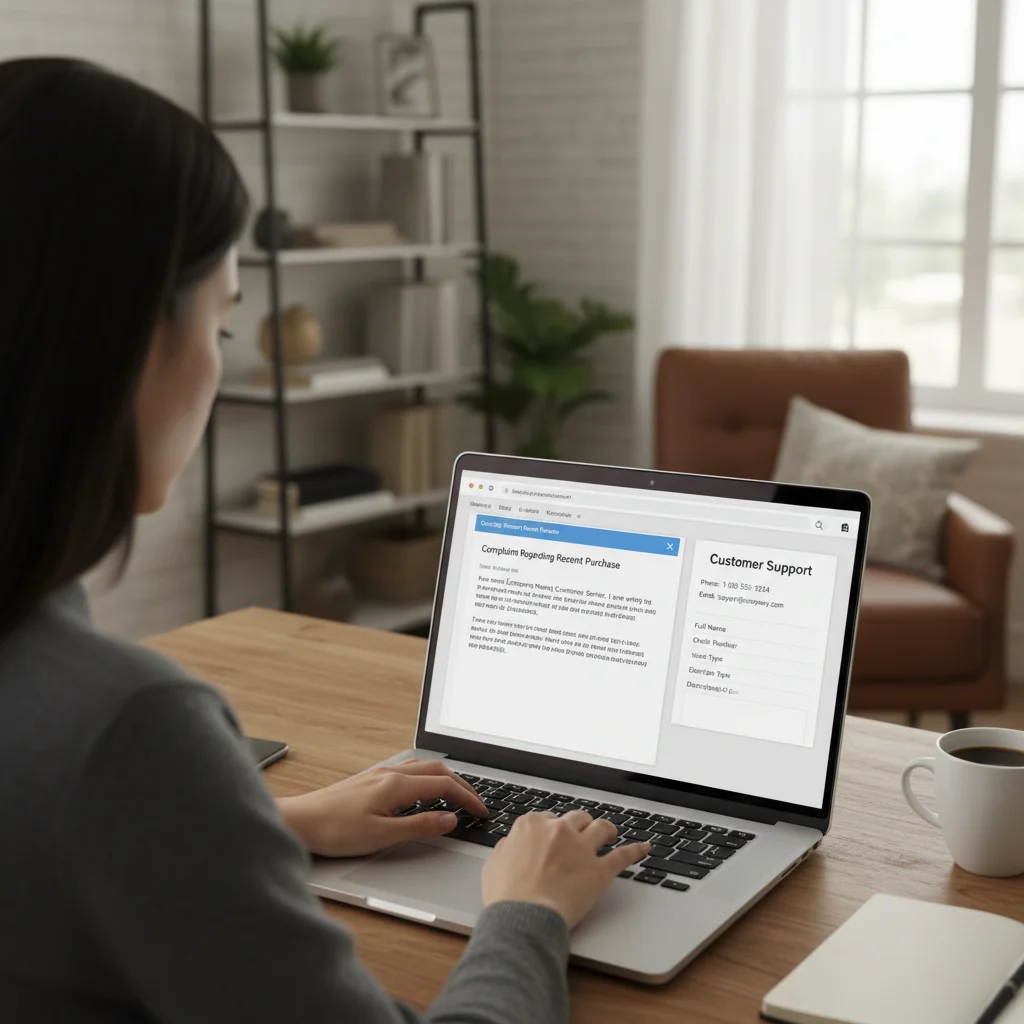
1. Write a Formal Complaint Letter/Email
A well-structured, polite, but firm written complaint can be very effective. Send it to the store’s customer service department, and if possible, copy in senior management. Include:
- Your contact information.
- Details of the purchase (item, date, price, receipt number).
- A clear, chronological account of what happened, including who you spoke with and when.
- The specific reason for the refund refusal.
- Why you believe the refusal is unjust or violates consumer law.
- Your desired resolution (e.g., full refund, exchange).
- A deadline for their response (e.g., 10-14 business days).
- Attach copies of all relevant documents (receipts, photos, etc. – never send originals).
Keep a copy of the letter/email for your records.
2. Contact Your Credit Card Company (Chargeback)
If you paid by credit card, you might be able to initiate a chargeback. This is a powerful tool where your credit card company reverses the transaction, essentially taking the money back from the merchant. Chargebacks are typically available for:
- Merchandise Not Received: You paid but never got the item.
- Services Not Rendered: You paid for a service that was never provided.
- Not as Described/Defective: The item was significantly different from what was advertised or arrived faulty.
- Fraudulent Charges: Unauthorized transactions.
Contact your credit card issuer as soon as possible, as there are usually strict time limits for initiating a chargeback (often 60-120 days from the transaction date or when you became aware of the issue). Provide them with all your documentation, including your attempts to resolve the issue directly with the store. Be aware that chargebacks can sometimes lead to the merchant disputing the chargeback, and it can be a lengthy process.
3. File a Complaint with a Consumer Protection Agency
Depending on your location, there are various government or non-profit organizations dedicated to consumer protection:
- United States:
- Better Business Bureau (BBB): While not a government agency, the BBB mediates disputes and can put pressure on businesses to resolve complaints.
- State Attorney General’s Office: Your state’s Attorney General’s consumer protection division can often intervene or provide guidance.
- Federal Trade Commission (FTC): For federal issues, particularly related to unfair or deceptive practices.
- United Kingdom:
- Citizens Advice: Offers free, impartial advice and can guide you through the complaint process, including contacting trading standards.
- Trading Standards: Local government departments responsible for enforcing consumer protection laws.
- European Union:
- European Consumer Centre (ECC): For cross-border disputes within the EU.
- National Consumer Protection Authorities: Each EU member state has its own specific bodies.
These agencies can investigate complaints and, in some cases, help mediate a resolution or take enforcement action against businesses that violate consumer laws. Filing a complaint adds official weight to your case.
4. Social Media and Online Reviews
While not a formal complaint mechanism, publicly sharing your experience on social media platforms (like X, Facebook, Instagram) or review sites (Yelp, Google Reviews) can sometimes prompt a quicker response from the retailer. Companies are often very sensitive to negative public perception. When posting, remain factual, polite, and objective. Avoid aggressive language. Tag the company’s official accounts. This approach should be used as a last resort and with caution, as it can sometimes escalate the situation negatively.
5. Small Claims Court
For significant amounts of money, and if all other avenues have failed, pursuing a claim in small claims court might be an option. This is designed to be a simpler, less expensive way for individuals to resolve disputes without needing a lawyer. You would need to present your case and evidence to a judge. Research the specific procedures and limits for small claims court in your jurisdiction before proceeding.
Preventative Measures: Avoiding Refused Refunds in 2026
The best way to handle a refused refund guidance is to prevent it from happening in the first place. Here are proactive steps you can take:
- Read the Return Policy BEFORE You Buy: This cannot be stressed enough. Dedicate a few minutes to understanding the policy, especially for high-value items or gifts. Pay attention to return windows, condition requirements, and non-returnable items.
- Keep All Packaging and Receipts: Store receipts, tags, and original packaging in a safe place until you are certain you will keep the item. Consider taking a photo of your receipt as a digital backup.
- Inspect Items Immediately: As soon as you receive an item, especially online orders, inspect it thoroughly for defects, damage, or discrepancies. Report any issues to the retailer immediately.
- Understand ‘Final Sale’ or ‘Clearance’: Be very cautious with these purchases, as they are typically non-returnable.
- Ask Questions: If anything about the return policy is unclear, ask a sales associate or customer service before you complete your purchase. Get clarification in writing if possible.
- Use Credit Cards for Purchases: Credit cards often offer better consumer protections (like chargeback options) compared to debit cards or cash.
- Don’t Procrastinate: If you know you need to return an item, do so as quickly as possible, well within the return window.
- Document Item Condition: For expensive items, consider taking photos or videos of the item’s condition when you receive it and before you return it, especially if it’s being shipped.
The Future of Returns: What to Expect Beyond 2026
Looking ahead, the landscape of return policies will continue to evolve. We can anticipate:
- More Personalized Policies: AI will likely enable retailers to offer highly personalized return policies based on individual customer behavior, loyalty status, and purchase history.
- Return Fees: To combat return fraud and the environmental impact of returns, more retailers may implement return fees, especially for non-faulty items or for returns shipped back to the warehouse.
- Augmented Reality (AR) and Virtual Try-On: As AR technology improves, it could significantly reduce returns for clothing and accessories by allowing customers to ‘try on’ items virtually, leading to more confident purchases.
- Blockchain for Transparency: Blockchain technology could be used to create immutable records of purchase, warranty, and return conditions, increasing transparency for both consumers and retailers.
- Hyperlocal Returns: The expansion of services allowing returns at various local drop-off points (e.g., lockers, partner stores) will likely continue, prioritizing convenience.
Staying informed about these future trends will help you remain a savvy consumer, adept at navigating any refused refund guidance scenario.
Conclusion: Empowering Your Consumer Journey
Dealing with a store that refuses your refund can be a stressful experience, but it doesn’t have to be a losing battle. By understanding the nuances of return policies in 2026, knowing your fundamental consumer rights, and employing a structured approach to resolve disputes, you can significantly improve your chances of a successful outcome.
Remember, preparation is key: read policies, keep your documentation, and act promptly. If faced with a refusal, remain calm, articulate your case clearly, and don’t hesitate to escalate through the appropriate channels, from managers to consumer protection agencies. Your power as a consumer lies in your knowledge and persistence. Armed with the guidance in this article, you are well-equipped to navigate the complexities of retail returns in 2026 and beyond, ensuring fair treatment and protecting your hard-earned money.