2026 Consumer Spending Outlook: E-commerce Growth & Key Indicators

Anúncios
Decoding the 2026 Consumer Spending Outlook: Key Indicators Pointing to a 4% Growth in E-commerce
As we navigate the complexities of a rapidly evolving global economy, understanding future consumer behavior is paramount for businesses, policymakers, and investors alike. The 2026 consumer spending outlook presents a fascinating landscape, characterized by both continuity and significant shifts. Projections indicate a robust, albeit measured, growth in overall consumer expenditure, with e-commerce emerging as a pivotal driver, anticipated to expand by a significant 4%.
This comprehensive analysis delves deep into the factors shaping the 2026 consumer spending landscape. We will explore the critical economic indicators that underpin these forecasts, dissect the evolving consumer psyche, and identify the key trends that will define retail in the coming years. From technological advancements to demographic shifts and sustainability concerns, every element plays a crucial role in painting a complete picture of where consumer dollars will be directed.
Anúncios
The Macroeconomic Tapestry: Foundations of 2026 Consumer Spending
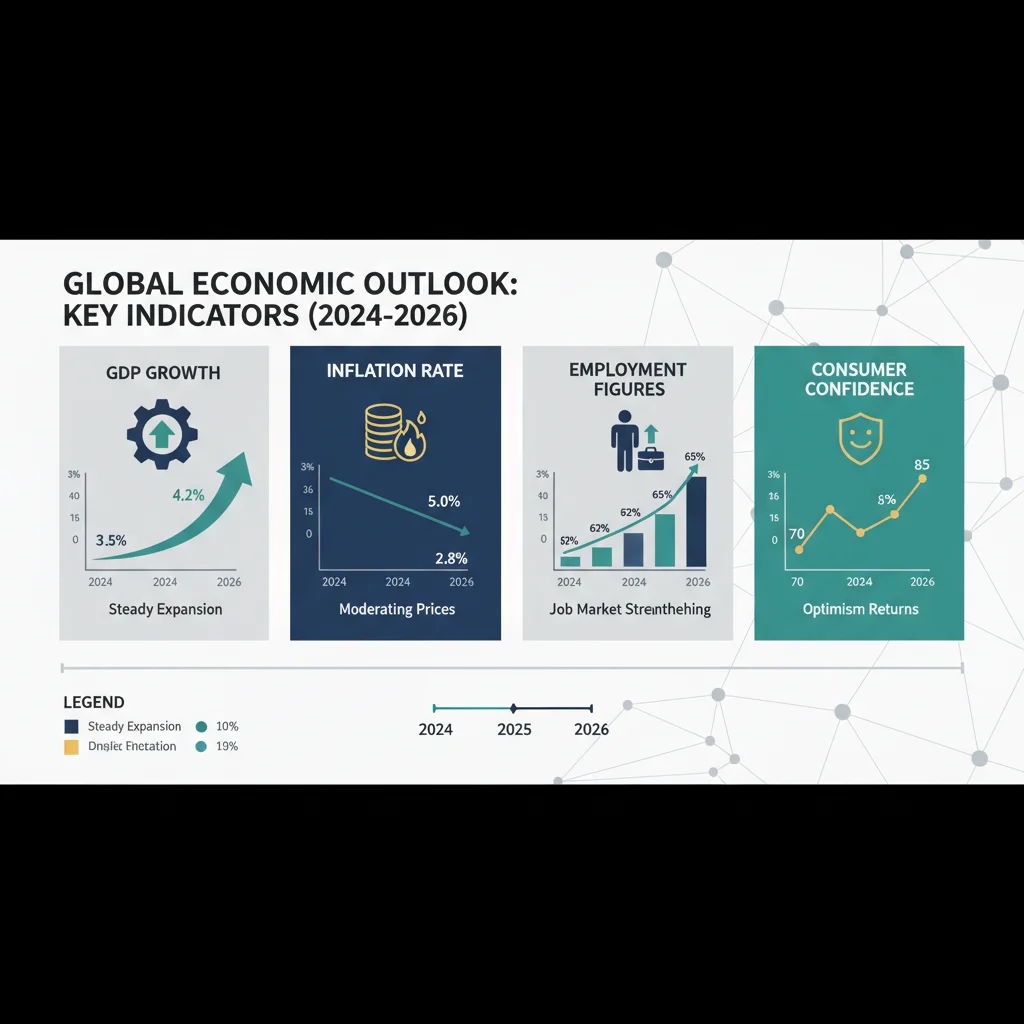
Forecasting 2026 consumer spending requires a thorough understanding of the broader macroeconomic environment. Several key indicators serve as the bedrock for these predictions, offering insights into the health and trajectory of the global economy. These include Gross Domestic Product (GDP) growth, inflation rates, employment figures, interest rates, and consumer confidence indices.
Global GDP Growth: A Steady Ascent
Global GDP growth is a fundamental determinant of consumer purchasing power. While the immediate post-pandemic boom has tapered, economists generally project a steady, albeit moderate, growth trajectory leading up to 2026. This sustained growth, particularly in emerging markets, will contribute to an expanding global middle class, thereby increasing the overall potential for 2026 consumer spending.
Anúncios
Developed economies are expected to maintain stable growth, driven by innovation, technological adoption, and targeted fiscal policies. However, geopolitical stability and trade relations will remain critical variables that could influence these projections. Any significant disruptions could temper consumer enthusiasm and, consequently, spending patterns.
Inflation: A Persistent Watch Factor
Inflation has been a dominant theme in recent years, impacting consumer budgets and purchasing decisions. While central banks worldwide are actively working to bring inflation back to target levels, its persistence or resurgence could significantly erode consumer confidence and discretionary spending. The 2026 consumer spending outlook assumes a gradual moderation of inflation, allowing real wages to catch up and provide consumers with greater financial leeway.
However, unexpected supply chain shocks, energy price volatility, or geopolitical events could reignite inflationary pressures. Businesses must remain agile and adapt their pricing strategies to navigate this potentially volatile environment, ensuring they offer value to consumers without compromising profitability.
Employment and Wage Growth: Fueling Consumption
Robust employment figures and consistent wage growth are direct drivers of consumer spending. A strong job market instills confidence, encouraging consumers to spend more freely on both essential and discretionary goods and services. As we approach 2026, many economies are expected to maintain relatively low unemployment rates, supported by ongoing labor market adjustments and investments in new industries.
Wage growth, particularly in sectors experiencing labor shortages or high demand for specialized skills, will contribute significantly to disposable income. This increased purchasing power is a crucial ingredient for the projected growth in 2026 consumer spending, especially in areas like e-commerce where convenience and product availability are key.
Interest Rates and Credit Availability: Impact on Big-Ticket Items
Interest rates play a critical role in shaping consumer spending, particularly for big-ticket items such as homes, automobiles, and large appliances, which are often financed through loans. Higher interest rates can dampen demand for these items by increasing borrowing costs, while lower rates can stimulate purchases. The trajectory of interest rates leading up to 2026 will be closely watched, as central banks balance inflation control with economic growth.
The availability of credit and consumer debt levels also factor into this equation. Prudent lending practices and manageable household debt are essential for sustainable consumer spending growth. Any tightening of credit conditions could pose a headwind to the overall 2026 consumer spending forecast.
Consumer Confidence: The Intangible Driver
Beyond the hard economic data, consumer confidence is a powerful, albeit often intangible, driver of spending. When consumers feel optimistic about their financial future and the broader economy, they are more likely to spend. Conversely, uncertainty or pessimism can lead to increased savings and reduced discretionary spending.
Factors influencing consumer confidence are diverse, ranging from job security and personal financial situations to political stability and global events. Businesses aiming to capitalize on the 2026 consumer spending trend must understand and respond to shifts in consumer sentiment, tailoring their marketing and product offerings accordingly.
The E-commerce Surge: A 4% Growth Trajectory for 2026
While overall 2026 consumer spending is expected to grow, the e-commerce sector is poised for particularly strong expansion, with projections indicating a 4% increase. This continued surge is not merely a continuation of pandemic-era trends but a deeper, more fundamental shift in how consumers shop and interact with brands.
Digital Transformation and Infrastructure
The relentless pace of digital transformation continues to reshape the retail landscape. Improved internet infrastructure, widespread smartphone adoption, and the proliferation of digital payment solutions have made online shopping more accessible and convenient than ever before. This robust digital ecosystem forms the backbone of the projected 4% e-commerce growth in 2026 consumer spending.
Investments in last-mile delivery, warehouse automation, and advanced logistics further enhance the efficiency and speed of online retail, meeting consumer expectations for rapid fulfillment. As these infrastructures continue to mature, they will unlock new possibilities for e-commerce, drawing in an even broader consumer base.
Personalization and AI-Driven Experiences
E-commerce platforms are increasingly leveraging artificial intelligence (AI) and machine learning to offer highly personalized shopping experiences. From tailored product recommendations to dynamic pricing and customized marketing messages, AI enhances engagement and drives conversions. This focus on individual consumer preferences will be a significant factor in sustaining e-commerce growth within the 2026 consumer spending framework.
The ability to anticipate consumer needs and provide relevant suggestions not only improves the shopping journey but also builds brand loyalty, encouraging repeat purchases and higher lifetime value.
Emergence of New E-commerce Models
Beyond traditional online retail, new e-commerce models are gaining traction. Social commerce, where purchases are made directly through social media platforms, is expanding rapidly, particularly among younger demographics. Live commerce, interactive shopping experiences featuring real-time product demonstrations, is also becoming a powerful sales channel.
Subscription box services, direct-to-consumer (DTC) brands, and re-commerce (resale of pre-owned goods) are further diversifying the e-commerce landscape. These innovative models cater to specific consumer needs and preferences, contributing to the overall expansion of online spending as part of the 2026 consumer spending outlook.
Global Reach and Cross-Border E-commerce
E-commerce inherently transcends geographical boundaries, enabling businesses to reach a global customer base. Cross-border e-commerce is expected to continue its robust growth, driven by improved international shipping logistics, simplified customs procedures, and the increasing availability of localized payment options. This global reach allows consumers access to a wider array of products and competitive pricing, further fueling online spending in 2026 consumer spending projections.
For businesses, expanding into international markets through e-commerce offers significant growth opportunities, diversifying revenue streams and reducing reliance on single domestic markets.
Shifting Consumer Behavior and Preferences
The 2026 consumer spending landscape will also be shaped by profound shifts in consumer values, priorities, and purchasing habits. Understanding these evolving preferences is crucial for businesses to remain relevant and competitive.
Sustainability and Ethical Consumption
A growing segment of consumers is increasingly prioritizing sustainability and ethical considerations in their purchasing decisions. Brands that demonstrate a commitment to environmental responsibility, fair labor practices, and transparent supply chains are gaining favor. This trend will influence not only the types of products consumers buy but also the brands they choose to support.
Businesses that integrate sustainable practices throughout their operations and communicate these efforts effectively will likely capture a larger share of the conscious consumer market, impacting 2026 consumer spending patterns. This includes everything from eco-friendly packaging to energy-efficient production processes.
The Experience Economy
While product quality remains important, consumers are increasingly valuing experiences over mere possessions. This shift towards an ‘experience economy’ means that brands must offer more than just a product; they need to provide memorable and engaging interactions. This can manifest in personalized customer service, unique in-store experiences (for brick-and-mortar), or immersive online journeys.
For e-commerce, this translates into creating engaging content, interactive product showcases, and seamless user experiences that go beyond a simple transaction. The emotional connection cultivated through these experiences will be a key differentiator in influencing 2026 consumer spending.
Health and Wellness Focus
The emphasis on health and wellness, accelerated by recent global events, is set to remain a dominant theme in 2026 consumer spending. This includes spending on health-conscious food and beverages, fitness products and services, mental wellness apps, and preventative healthcare. Consumers are becoming more proactive about their well-being, driving demand for products and services that support a healthy lifestyle.
Brands in these sectors are well-positioned for growth, provided they can genuinely meet consumer needs and offer credible solutions. The convergence of technology and health, such as wearable fitness trackers and telehealth services, will also see continued innovation and adoption.
Value and Discretionary Spending
Even with projected economic growth, consumers will likely remain discerning about value. The memory of inflationary pressures might lead to a continued focus on getting the most for their money. This doesn’t necessarily mean opting for the cheapest option but rather seeking products and services that offer superior quality, durability, or a better overall experience relative to their price point.
Discretionary spending, while expected to rebound, will still be subject to consumer confidence and savings rates. Marketers will need to clearly articulate the value proposition of their offerings to capture a share of this spending in the 2026 consumer spending environment.

Technological Innovations Driving Consumer Spend
Technology is not just an enabler of e-commerce; it’s a transformative force that constantly reshapes how consumers discover, evaluate, and purchase goods and services. Several cutting-edge technologies will play a significant role in influencing 2026 consumer spending.
Augmented Reality (AR) and Virtual Reality (VR) in Retail
AR and VR are moving beyond gaming into practical retail applications. AR allows consumers to virtually ‘try on’ clothes, visualize furniture in their homes, or test out makeup shades, enhancing the online shopping experience and reducing return rates. VR can create immersive virtual storefronts, offering a richer, more engaging way to browse products.
As these technologies become more accessible and sophisticated, they will bridge the gap between online and offline shopping, providing a more confident and satisfying purchasing journey, thereby boosting e-commerce’s contribution to 2026 consumer spending.
The Metaverse and Web3 Commerce
While still in nascent stages, the metaverse and Web3 technologies (like NFTs and blockchain) hold the potential to revolutionize commerce. Virtual economies within the metaverse could unlock new avenues for digital asset purchases, unique brand experiences, and novel forms of interaction. NFTs could represent digital ownership of goods, exclusive access, or loyalty rewards.
Businesses that begin to experiment with these emerging platforms now could position themselves at the forefront of future consumer trends, capturing early adopters and influencing a new wave of 2026 consumer spending in virtual and hybrid environments.
Voice Commerce and Smart Home Integration
Voice assistants and smart home devices are becoming increasingly integrated into daily life. Voice commerce, where purchases are made through voice commands, offers unparalleled convenience for routine purchases or quick reorders. As AI improves natural language processing, voice commerce will become more intuitive and widespread.
The seamless integration of shopping into smart home ecosystems simplifies the consumer journey, making purchasing decisions almost effortless. This convenience factor will undoubtedly contribute to the overall increase in online transactions and influence 2026 consumer spending patterns.
Advanced Analytics and Predictive Modeling
The ability to collect, analyze, and interpret vast amounts of consumer data is becoming increasingly sophisticated. Advanced analytics and predictive modeling allow businesses to anticipate consumer needs, identify emerging trends, and optimize marketing campaigns with unprecedented precision. This data-driven approach enables more efficient operations and more targeted engagement, directly impacting the growth of 2026 consumer spending across various sectors.
Regional Variations in Consumer Spending
While global trends provide a broad overview, it’s essential to acknowledge that 2026 consumer spending will exhibit significant regional variations, influenced by local economic conditions, cultural norms, and technological adoption rates.
Developed Markets: Stability and Innovation
In North America and Western Europe, 2026 consumer spending growth is expected to be steady, driven by innovation, premiumization, and a continued shift towards digital channels. These markets will likely lead in the adoption of new retail technologies and sustainable consumption practices. The focus will be on convenience, personalized experiences, and brand loyalty.
However, aging populations in some developed nations could temper overall growth, shifting spending patterns towards healthcare, leisure, and retirement-related services.
Emerging Markets: Rapid Expansion and Digital Leapfrogging
Asia-Pacific, Latin America, and parts of Africa are projected to experience more rapid growth in 2026 consumer spending. These regions benefit from a burgeoning middle class, younger demographics, and accelerated digital adoption. Many consumers in these markets are ‘digital natives,’ bypassing traditional retail infrastructure entirely and directly embracing e-commerce.
The expansion of internet access and mobile banking solutions in these regions will unlock significant untapped potential for online retail, contributing disproportionately to the global 4% e-commerce growth forecast.
Challenges and Opportunities
Regardless of region, businesses must contend with challenges such as supply chain resilience, cybersecurity threats, and regulatory changes. However, these challenges also present opportunities for innovation and differentiation. Those who can navigate these complexities effectively will be best positioned to capitalize on the 2026 consumer spending opportunities.
Strategies for Businesses to Thrive in 2026
To succeed in the dynamic 2026 consumer spending environment, businesses must adopt forward-thinking strategies that prioritize customer experience, technological integration, and adaptability.
Embrace Omnichannel Retail
The distinction between online and offline shopping continues to blur. Consumers expect seamless transitions across all touchpoints, whether they are browsing in-store, researching online, or making a purchase via a mobile app. An effective omnichannel strategy is no longer a luxury but a necessity to capture and retain customer loyalty.
This includes features like buy online, pick up in-store (BOPIS), in-store returns for online purchases, and personalized recommendations that carry across different channels. Such integration will be key to maximizing 2026 consumer spending.
Invest in Data Analytics and AI
Leveraging data to understand consumer behavior and predict future trends will be critical. Businesses should invest in robust data analytics platforms and AI tools to personalize marketing, optimize inventory, and enhance the customer journey. This data-driven approach allows for more efficient operations and more targeted engagement, directly influencing purchasing decisions.
Focus on Customer Experience
In an increasingly competitive market, exceptional customer service and a positive overall experience can be significant differentiators. This includes fast and reliable shipping, easy returns, responsive customer support, and engaging post-purchase interactions. A superior customer experience fosters loyalty and encourages repeat business, contributing significantly to long-term 2026 consumer spending.
Prioritize Sustainability and Ethical Practices
As consumer awareness grows, businesses that genuinely embed sustainability and ethical practices into their core operations will resonate more deeply. This involves not just marketing claims but demonstrable actions, such as reducing carbon footprint, sourcing ethically, and ensuring fair labor practices. Transparency in these areas can build trust and attract a growing segment of conscious consumers.
Innovate with New Technologies
Staying abreast of technological advancements like AR/VR, the metaverse, and voice commerce is crucial. Businesses should explore how these technologies can enhance their product offerings, marketing efforts, and overall customer experience. Early adoption and experimentation can provide a competitive edge in shaping future 2026 consumer spending trends.
Conclusion: A Dynamic Future for Consumer Spending
The 2026 consumer spending outlook is one of dynamic growth, particularly fueled by the continued expansion of e-commerce. While macroeconomic factors like GDP growth, inflation, and employment will set the broader stage, it is the evolving consumer preferences, technological innovations, and strategic business responses that will truly define the landscape.
A projected 4% growth in e-commerce underscores the irreversible shift towards digital consumption, demanding that businesses adapt and innovate. By focusing on personalization, sustainability, seamless omnichannel experiences, and leveraging cutting-edge technologies, companies can not only meet but exceed consumer expectations, ensuring their relevance and success in the years leading up to and beyond 2026. The future of retail is digital, dynamic, and deeply connected to the ever-changing desires of the global consumer.