Global Economic Headwinds 2026: Impact on US GDP Growth
Anúncios
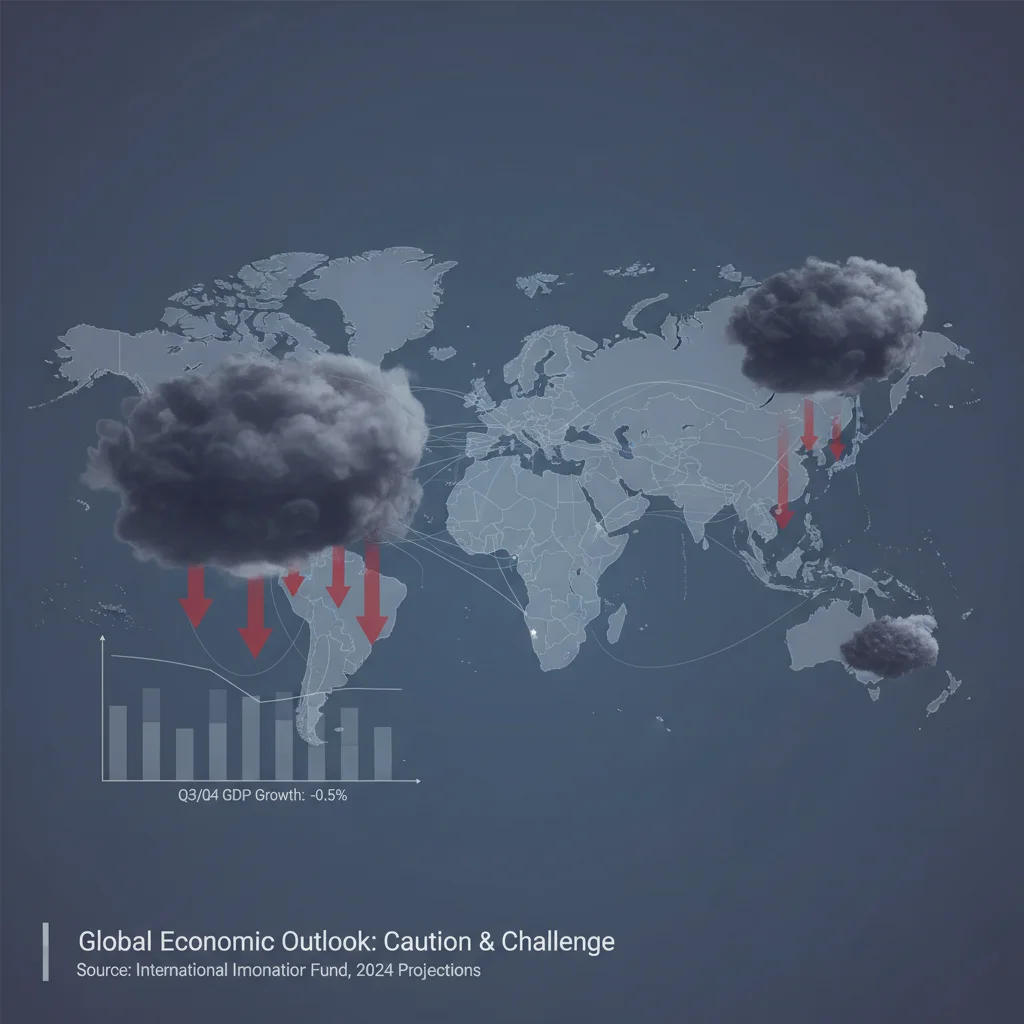
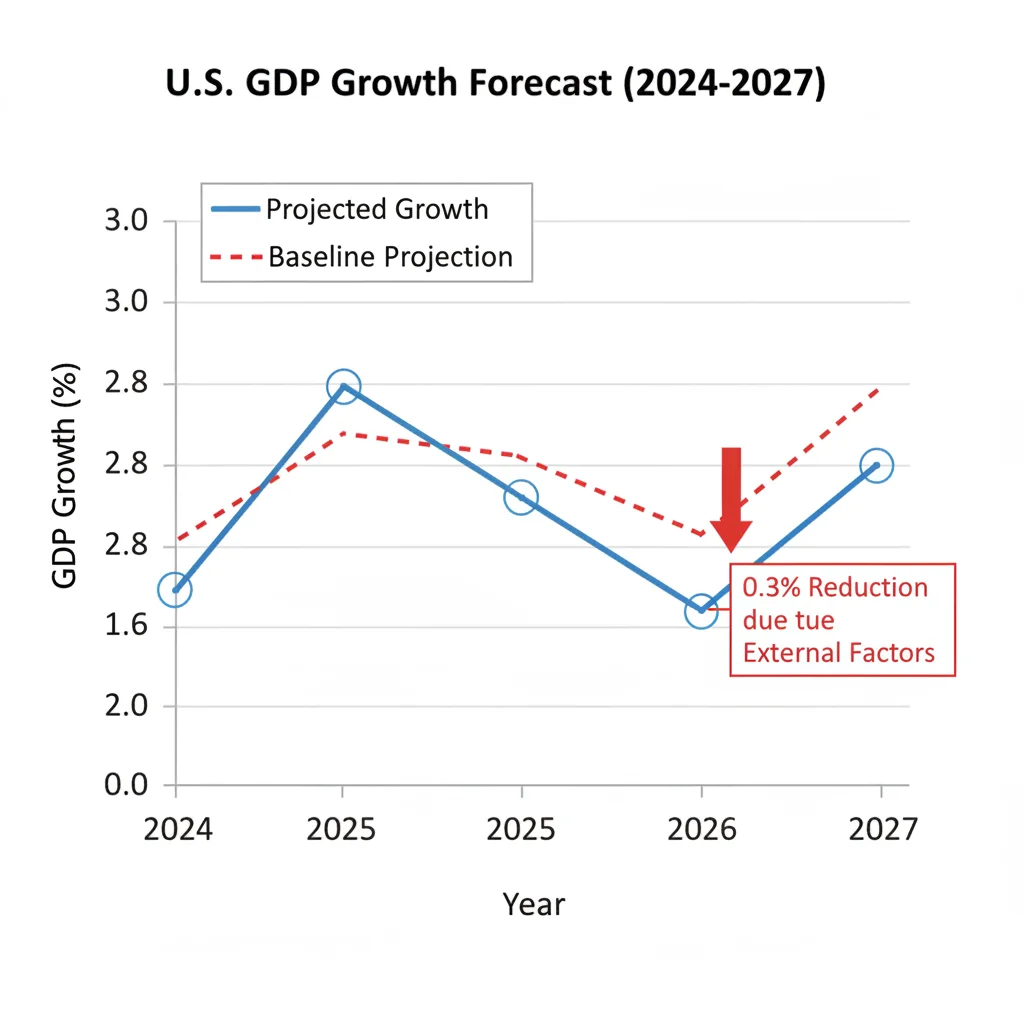
The global economic landscape is a dynamic and intricate web, constantly influenced by myriad factors ranging from geopolitical shifts to technological advancements. As we look towards 2026, a consensus is emerging among economists and financial institutions: the world economy is likely to face a series of global economic headwinds that will inevitably ripple through national economies, including that of the United States. Recent analyses and updated forecasts suggest that these headwinds could collectively shave approximately 0.3% off the projected U.S. Gross Domestic Product (GDP) growth for 2026. This article will delve into the specifics of these anticipated challenges, providing an in-depth comparison of various expert perspectives and offering a comprehensive analysis of their potential impact.
Understanding the nature and magnitude of these global economic headwinds is crucial for policymakers, businesses, and individual investors alike. The interconnectedness of today’s economies means that issues arising in one part of the world can quickly escalate, affecting trade, investment, and consumer confidence globally. By examining the key drivers of these headwinds, we can better prepare for and mitigate their potential adverse effects on the U.S. economy.
Defining Global Economic Headwinds for 2026
Before we dissect the specific impacts, it’s essential to define what constitutes a ‘global economic headwind.’ In economic terms, a headwind refers to any factor or set of factors that impede economic growth or create downward pressure on economic activity. These can be internal or external, but for the purpose of this analysis, we are focusing on those factors that originate globally and then affect national economies. For 2026, several prominent themes are emerging as potential global economic headwinds.
Anúncios
One of the primary concerns revolves around persistent inflationary pressures in major economies. While central banks globally have been aggressively raising interest rates to combat inflation, the effectiveness and timing of these measures remain subjects of intense debate. If inflation proves more stubborn than anticipated, further monetary tightening could lead to slower economic activity, potentially tipping some economies into recession. This, in turn, would reduce demand for U.S. exports and affect global supply chains, directly impacting U.S. GDP.
Another significant headwind is the ongoing geopolitical instability. Conflicts in Eastern Europe and tensions in other strategic regions continue to disrupt global trade routes, affect commodity prices, and create uncertainty for international investment. The long-term implications of these conflicts on energy markets, food security, and defense spending are substantial and can divert resources away from productive economic activities.
Furthermore, the structural challenges in key global economies, such as China’s property market woes and demographic shifts in various developed nations, also contribute to the overall global economic slowdown. China’s economic performance, in particular, has a profound effect on global demand for raw materials and finished goods, and any significant deceleration there will be felt worldwide.
Anúncios
Lastly, climate change and its increasing frequency of extreme weather events pose an escalating threat to economic stability. These events can disrupt agricultural output, damage infrastructure, and displace populations, leading to significant economic costs and humanitarian crises, all of which contribute to the broader picture of global economic headwinds.
The 0.3% Projected Impact on U.S. GDP: A Closer Look
The figure of a 0.3% reduction in U.S. GDP growth for 2026, while seemingly small, represents a significant deceleration in economic expansion. To put this into perspective, for an economy the size of the U.S., even a fraction of a percentage point can translate into billions of dollars in lost output, fewer job creations, and reduced household income. This projection is not a standalone prediction but rather a synthesis of various economic models and expert consensus, reflecting the cumulative effect of the aforementioned global economic headwinds.
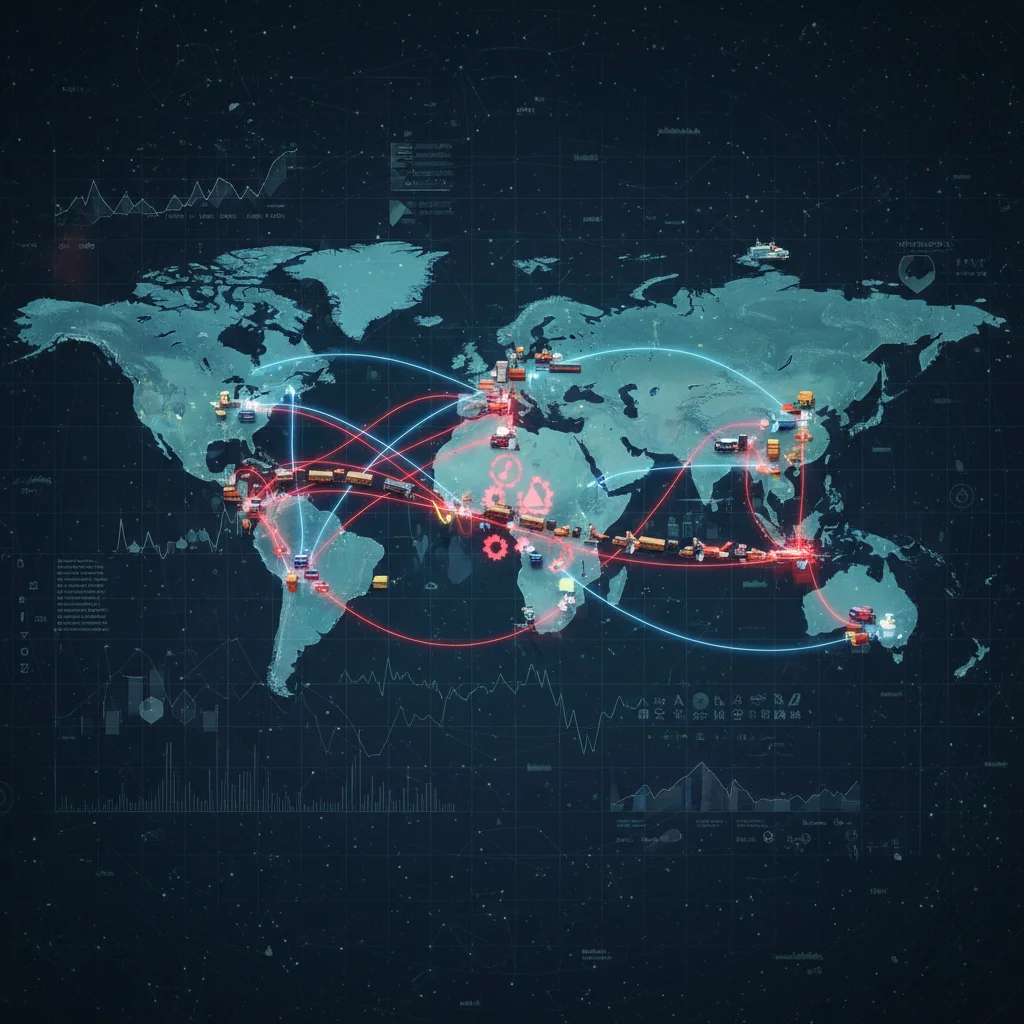
One of the primary channels through which these headwinds will affect the U.S. is international trade. A slowdown in global growth means reduced demand for American goods and services. Export-oriented industries in the U.S., from manufacturing to technology, will likely see a dip in orders, impacting their revenue and employment levels. Conversely, disruptions in global supply chains, driven by geopolitical events or natural disasters, can increase the cost of imports, fueling domestic inflation and squeezing corporate profit margins.
Foreign direct investment (FDI) is another critical component. Economic uncertainty globally can deter foreign companies from investing in the U.S. and vice versa. A reduction in FDI can stifle innovation, limit capital formation, and slow down the expansion of key industries. Moreover, volatility in global financial markets, often a byproduct of economic or geopolitical stress, can lead to capital outflows from the U.S. or increase the cost of borrowing for American businesses and the government.
The U.S. labor market, which has shown remarkable resilience in recent years, could also feel the pinch. Slower economic growth globally could translate into reduced hiring, wage stagnation, or even job losses in sectors heavily reliant on international trade or investment. While the domestic demand remains a strong pillar of the U.S. economy, it is not entirely immune to global trends. Consumer confidence can be affected by news of international crises or a general sense of economic malaise, leading to more cautious spending habits.
Recent Updates and Expert Forecasts: A Comparison
Several prominent economic institutions have recently updated their forecasts for 2026, and while the exact figures may vary, the general direction points towards a more challenging global economic environment. The International Monetary Fund (IMF), for instance, has repeatedly highlighted the risks of “fragmentation” and the need for greater international cooperation to address shared economic challenges. Their latest reports suggest a downward revision of global growth projections, with particular emphasis on the spillover effects on advanced economies like the U.S.
The World Bank’s outlook also echoes similar concerns, pointing to elevated public debt levels in many countries, persistently high inflation, and the lingering effects of the pandemic on productivity and labor markets. These factors, combined with the increasing frequency of climate-related disasters, paint a picture of a world economy grappling with multiple, interconnected challenges. For the U.S., this means a less favorable external environment for its economic expansion.
Private sector analysts, including major investment banks and economic consultancies, largely concur with these assessments. Many have begun to factor in a more subdued global growth trajectory for 2026, adjusting their U.S. GDP forecasts accordingly. The consensus around a 0.3% impact reflects an average of these expert opinions, taking into account various scenarios and risk factors. Some more pessimistic outlooks project an even greater impact, while more optimistic ones suggest that the U.S. economy’s inherent strengths could partially buffer these global economic headwinds.
A key area of divergence among experts often lies in the timing and severity of these headwinds. For example, while most agree that inflation remains a concern, there’s less agreement on how quickly it will normalize and what level of interest rates will be required to achieve that. Similarly, the geopolitical landscape is inherently unpredictable, making precise forecasts challenging. Nevertheless, the general agreement on the existence and potential impact of these headwinds is a strong indicator of the challenges ahead.
Key Drivers of Global Economic Headwinds in Detail
Persistent Inflation and Monetary Policy Tightening
Inflation has been a dominant theme in the global economy since the post-pandemic recovery. While supply chain disruptions and pent-up demand initially fueled price increases, structural factors, such as labor shortages and the green transition, are now contributing to more persistent inflationary pressures. Central banks, led by the Federal Reserve, have responded with aggressive interest rate hikes. While necessary to cool down overheated economies, these measures carry the risk of over-tightening, leading to an economic slowdown or even recession.
For the U.S., higher global interest rates mean a stronger dollar, which can make American exports more expensive and less competitive. It also increases the cost of borrowing for emerging markets, potentially triggering financial instability in those regions, which can then spill over into the U.S. through reduced trade and investment flows. The delicate balance central banks must strike between curbing inflation and avoiding a severe economic downturn is a major source of uncertainty and a significant global economic headwind.
Geopolitical Instability and Fragmentation
The war in Ukraine, tensions in the South China Sea, and other regional conflicts have far-reaching economic consequences. These events disrupt established trade routes, increase shipping costs, and create uncertainty for businesses operating internationally. The weaponization of trade and finance, through sanctions and export controls, further exacerbates these issues, leading to a more fragmented global economy.
For the U.S., geopolitical instability can manifest in several ways: higher energy prices due to supply disruptions, increased defense spending diverting resources from other sectors, and a general erosion of trust in the global trading system. Businesses may choose to reshore or nearshore their operations, leading to higher production costs and potentially less efficient supply chains. The long-term trend towards de-globalization, driven by geopolitical concerns, is a powerful global economic headwind that could reshape the international economic order.
Structural Challenges in Key Economies
China, the world’s second-largest economy, faces significant structural challenges, including a heavily indebted property sector, an aging population, and a shift away from export-led growth. A slowdown in China’s economy has profound implications for global commodity markets, manufacturing supply chains, and international trade. Many countries, including the U.S., rely on China as a major market for their exports. A weaker Chinese economy means reduced demand for these goods and services.
Similarly, demographic shifts in Europe and Japan, characterized by aging populations and declining birth rates, pose long-term challenges to economic growth. These trends can lead to labor shortages, increased healthcare costs, and reduced productivity. While these are long-term issues, their cumulative effect contributes to a less vibrant global economic environment, indirectly affecting the U.S. economy.
Climate Change and Extreme Weather Events
The escalating impacts of climate change are no longer distant threats but present economic realities. Extreme weather events, such as droughts, floods, and severe storms, are becoming more frequent and intense, causing widespread damage to infrastructure, agriculture, and human lives. These events lead to significant economic losses, disrupt supply chains, and can displace populations, creating humanitarian and economic crises.
For the U.S., climate change impacts can affect everything from agricultural output in the Midwest to tourism in coastal regions. The costs associated with rebuilding after disasters, adapting to new climate realities, and transitioning to a greener economy are substantial. While this transition also presents opportunities, the short-to-medium term costs and disruptions act as a significant global economic headwind, impacting productivity and investment.
Comparison and Analysis: How Various Factors Intersect
The 0.3% impact on U.S. GDP growth is not attributable to a single factor but rather the complex interplay of these various global economic headwinds. For instance, geopolitical tensions can exacerbate inflationary pressures by disrupting energy and food supplies. Climate change can further strain supply chains and agricultural output, adding to inflationary woes. Monetary policy tightening, while aiming to curb inflation, can inadvertently slow down economies already struggling with other headwinds.
Consider the scenario where persistent inflation forces central banks to maintain high interest rates for longer than anticipated. This would not only dampen domestic demand in the U.S. but also likely lead to slower growth in other major economies. A global slowdown would then reduce demand for U.S. exports and potentially lead to a stronger dollar, making U.S. goods even less competitive internationally. This cyclical effect demonstrates how interconnected these headwinds are and how their combined force can have a greater impact than the sum of their individual parts.
Moreover, the U.S. economy’s inherent strengths, such as its robust innovation ecosystem, dynamic labor market, and relatively stable political environment, provide some resilience. However, even the strongest economy cannot entirely insulate itself from significant global disruptions. The U.S. is deeply integrated into the global economy, and what happens abroad inevitably affects its domestic performance. The 0.3% projected reduction is a testament to this interconnectedness, highlighting the vulnerability of even large, diversified economies to external shocks.
Analysts are also closely watching how policy responses unfold globally. Coordinated international efforts to address inflation, climate change, or geopolitical conflicts could mitigate some of these headwinds. Conversely, a lack of cooperation or the pursuit of protectionist policies could amplify their negative effects. The effectiveness of global governance in navigating these turbulent waters will be a critical determinant of the ultimate impact on U.S. GDP.
Mitigation Strategies and Policy Responses
Given the anticipated global economic headwinds, what strategies can be employed to mitigate their impact on the U.S. economy? Policymakers at both the national and international levels will need to adopt a multifaceted approach.
Domestic Policy Responses
Domestically, the U.S. government can focus on strengthening economic resilience. This includes investing in infrastructure to improve supply chain efficiency, promoting innovation and technological advancement to boost productivity, and implementing policies that support workforce development and adaptability. Fiscal policy can play a crucial role in cushioning the impact of a slowdown, for example, through targeted spending programs or tax incentives that stimulate demand and investment.
The Federal Reserve will continue its delicate balancing act of managing inflation without triggering a severe recession. Clear communication and data-driven decisions will be paramount to maintaining market confidence and guiding expectations. Furthermore, regulatory frameworks can be adapted to enhance financial stability and protect consumers and businesses from economic shocks.
International Cooperation
On the international front, the U.S. can champion greater cooperation among nations to address shared challenges. This includes working with international bodies like the IMF and World Bank to coordinate monetary and fiscal policies, especially in tackling persistent inflation. Collaborative efforts to resolve geopolitical conflicts and de-escalate tensions are also vital for restoring stability to global trade and investment flows.
Addressing climate change through international agreements and shared investments in renewable energy and sustainable practices can turn a significant headwind into an opportunity for green growth. By diversifying supply chains and building more resilient global networks, nations can reduce their vulnerability to disruptions caused by geopolitical events or natural disasters. Promoting free and fair trade, while addressing issues of economic fragmentation, will also be crucial for fostering global prosperity.
The Role of Businesses and Individuals
Businesses will also need to adapt to this challenging environment. Diversifying supply chains, investing in automation and digital transformation, and exploring new markets can help companies build resilience against global economic headwinds. Prudent financial management, including maintaining healthy cash reserves and managing debt levels, will be more important than ever. Companies that can innovate and adapt quickly to changing market conditions will be better positioned to weather the storm.
For individuals, understanding these economic trends can inform personal financial decisions. This might involve building emergency savings, diversifying investment portfolios, and investing in skills development to enhance career resilience. Staying informed about economic forecasts and policy developments will enable individuals to make more informed choices in a volatile environment.
Conclusion: Navigating the Economic Currents of 2026
The anticipated global economic headwinds of 2026 are a complex mix of persistent inflation, geopolitical instability, structural economic challenges, and the escalating impacts of climate change. While the projected 0.3% reduction in U.S. GDP growth may seem modest, its implications are significant, affecting trade, investment, employment, and overall economic well-being. This forecast is a call to action for policymakers, businesses, and individuals to prepare for a more challenging economic landscape.
By understanding the nature of these headwinds, comparing expert forecasts, and analyzing their interconnectedness, we can develop more effective mitigation strategies. Domestic policies focused on resilience and international cooperation to address shared global challenges will be crucial. While the path ahead may be bumpy, a proactive and informed approach can help the U.S. economy navigate these currents and emerge stronger on the other side. The ability to adapt, innovate, and collaborate will be the key to minimizing the adverse effects of these global economic headwinds and ensuring continued prosperity.