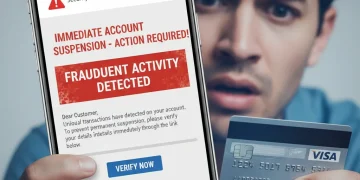
Mastering Dark Patterns: Identify and Avoid Deceptive Design Online in 2026
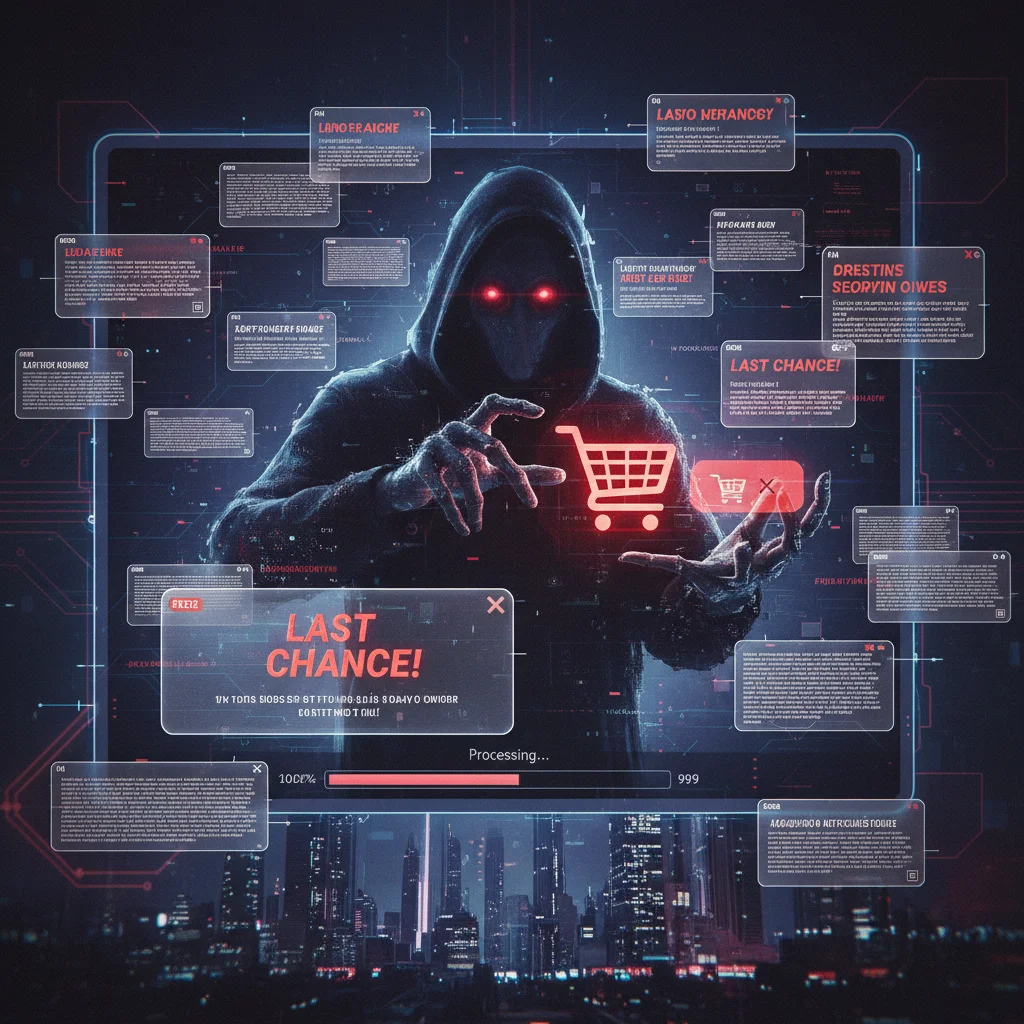
Anúncios
In the vast and ever-expanding digital marketplace of 2026, where convenience reigns supreme and transactions are often just a click away, a subtle yet powerful force known as Dark Patterns Deceptive Design is at play. These aren’t just annoying pop-ups or confusing layouts; they are meticulously crafted user interface (UI) and user experience (UX) designs intended to trick, cajole, or outright manipulate users into making decisions they might not otherwise make. From subscribing to unwanted newsletters to inadvertently sharing personal data, dark patterns are the digital equivalent of a magician’s sleight of hand, designed to benefit the website or app at the user’s expense.
The rise of dark patterns is not a new phenomenon, but their sophistication and prevalence have grown exponentially, particularly in the realm of online shopping. As AI and machine learning become more integrated into web design, these deceptive tactics are becoming increasingly personalized and harder to detect. For the average consumer, navigating the online world has become a minefield of psychological nudges and hidden traps. This comprehensive guide aims to arm you with the knowledge and tools to identify, understand, and ultimately avoid these manipulative designs, ensuring a safer and more ethical online shopping experience in 2026.
Anúncios
What Exactly Are Dark Patterns Deceptive Design?
Coined by UX designer Harry Brignull in 2010, the term Dark Patterns Deceptive Design refers to user interfaces that have been carefully crafted to trick users into doing things. Unlike accidental bad design, dark patterns are intentional, unethical, and often exploit cognitive biases to achieve commercial goals. They are the antithesis of good UX, which aims to create intuitive, transparent, and user-friendly experiences.
The Psychology Behind the Deception
Understanding why dark patterns work requires a brief delve into human psychology. Our brains are wired with cognitive biases – systematic errors in thinking that affect the decisions and judgments that people make. Dark patterns often leverage these biases, such as:
- Loss Aversion: The tendency to prefer avoiding losses to acquiring equivalent gains. Dark patterns might warn you about losing a discount if you don’t act immediately.
- Scarcity Principle: The idea that things are more attractive when their availability is limited. Think of ‘only 3 items left!’ messages.
- Authority Bias: The tendency to attribute greater accuracy to the opinion of an authority figure and be more influenced by that opinion. Fake testimonials or endorsements fall into this category.
- Confirmation Bias: The tendency to search for, interpret, favor, and recall information in a way that confirms one’s preexisting beliefs or hypotheses.
- Anchoring Bias: Relying too heavily on the first piece of information offered (the ‘anchor’) when making decisions. Original prices crossed out next to a seemingly large discount.
By exploiting these inherent human tendencies, designers can subtly guide users towards desired actions, often without the user even realizing they’re being manipulated. The ethical implications of such design practices are significant, raising questions about consumer autonomy and fair trade in the digital age. As we move further into 2026, the sophistication of these psychological exploits continues to grow, making it even more crucial for consumers to be vigilant.
Anúncios
Common Types of Dark Patterns Deceptive Design in 2026
Dark patterns come in various forms, each with its own devious method of manipulation. Recognizing these specific types is the first step towards protecting yourself. Here are some of the most prevalent dark patterns you’ll encounter in online shopping today:
1. "Bait and Switch"
This classic tactic involves advertising one thing but then, when the user tries to get it, a different, less desirable thing is presented. For instance, you might click on a link for a free trial, only to find yourself signed up for a paid subscription with a very short trial period that’s hard to cancel.
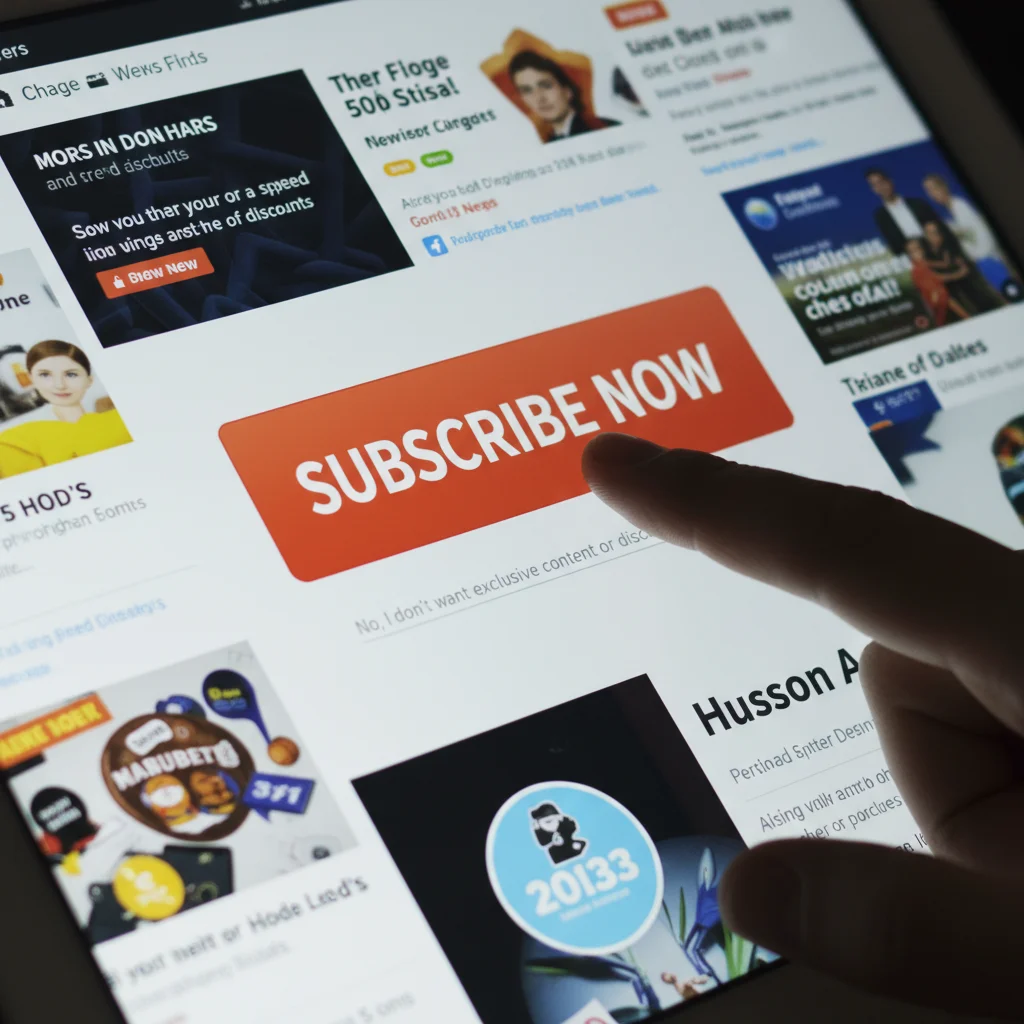
2. "Confirmshaming"
Confirmshaming attempts to guilt the user into opting into something. When presented with an option to decline, the negative choice is phrased in a way that makes the user feel bad or ashamed for not agreeing. Examples include "No thanks, I don’t want to save money" or "I prefer to pay full price." This technique plays on our desire to conform and avoid negative self-perception.
3. "Disguised Ads"
These are advertisements that are designed to look like other types of content or navigation, making it difficult for users to distinguish between genuine content and paid promotions. This can lead to users clicking on ads unintentionally, sometimes even installing unwanted software or being redirected to suspicious sites.
4. "Forced Continuity"
This occurs when a free trial ends and your credit card is automatically charged without any warning or easy way to cancel before the charge. Many services require your payment details upfront for a "free" trial, making it convenient for them to transition you to a paid subscription without explicit consent at the point of charge.
5. "Friend Spam"
A product or service asks for your email or social media permissions under the guise of finding friends or offering a benefit, but then it spams all your contacts with messages trying to promote the service. LinkedIn faced a notable lawsuit over this practice years ago.
6. "Hidden Costs"
You proceed to the final stage of the checkout process, only to find unexpected charges added to your total, such as delivery fees, taxes, or "processing fees" that were not clearly displayed earlier. This is a particularly frustrating form of Dark Patterns Deceptive Design.
7. "Misdirection"
This involves using visual hierarchy and layout to focus your attention on one thing in order to distract you from another. For example, making the desired action button brightly colored and large, while the less desired (for the company) action is small, grey, or hidden in a corner.
8. "Price Comparison Prevention"
Websites might make it difficult to compare the price of an item with other items, or with a competitor’s price. This could involve removing product codes, obscuring item specifications, or having convoluted pricing structures.
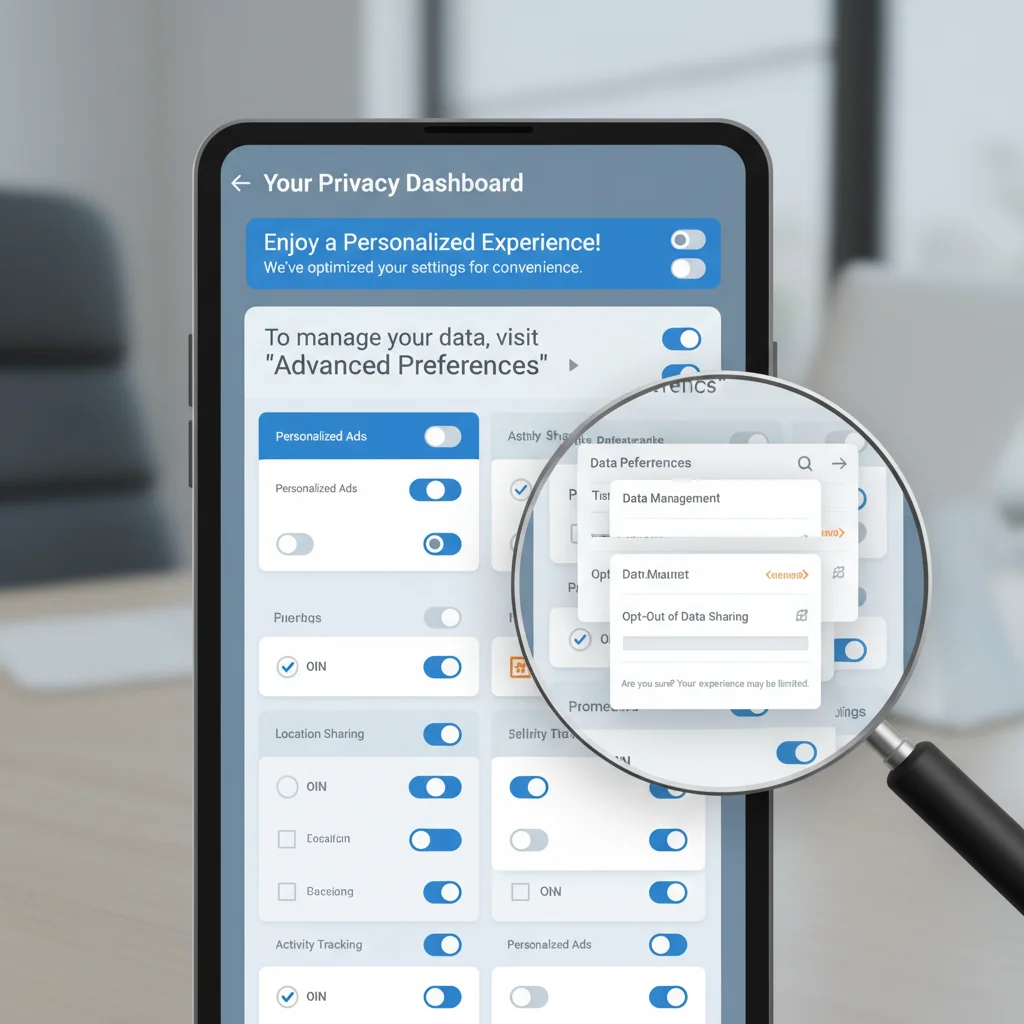
9. "Privacy Zuckering" (Named after Mark Zuckerberg)
This is a dark pattern where you are tricked into publicly sharing more information about yourself than you intended. It often involves complex privacy settings where the default options are set to maximize data sharing, and opting out requires significant effort or knowledge.
10. "Roach Motel"
It’s easy to get into a certain situation, but very hard to get out of it. This is commonly seen with subscriptions or memberships where signing up is effortless, but canceling requires navigating a labyrinthine process, calling customer service, or sending physical mail.
11. "Scarcity"
This involves creating a false sense of urgency or limited availability to pressure users into making a quick purchase. Phrases like "Only 2 left in stock!" or "Deal ends in 10 minutes!" are common examples, even if the scarcity isn’t genuine.
12. "Urgency"
Similar to scarcity, urgency patterns create a time-sensitive pressure to act immediately. Countdown timers for sales, "Book now to avoid disappointment," or "X people are looking at this item right now" are designed to bypass rational decision-making.
13. "Trick Questions"
These are questions or statements during a signup or checkout process that are worded in a confusing or ambiguous way to trick you into agreeing to something you wouldn’t normally. Double negatives or complex sentence structures are often employed.
The Impact of Dark Patterns on Consumers and Businesses
The proliferation of Dark Patterns Deceptive Design has far-reaching consequences, affecting both consumers and the broader digital economy. For consumers, the impact is often immediate and negative, ranging from financial loss to privacy breaches and increased frustration. For businesses, while dark patterns might offer short-term gains, they can severely damage brand reputation, erode customer trust, and lead to regulatory penalties.
Consumer Detriment
- Financial Loss: Unwanted subscriptions, hidden fees, and coerced purchases directly impact consumers’ wallets.
- Privacy Invasion: Privacy Zuckering and friend spam lead to unauthorized sharing of personal data, compromising privacy and potentially exposing users to further risks.
- Increased Stress and Frustration: Navigating confusing interfaces, trying to cancel subscriptions, or dealing with unexpected charges creates a negative user experience, leading to stress and dissatisfaction.
- Erosion of Trust: When users feel tricked, their trust in the brand and online platforms diminishes, making them wary of future interactions.
- Time Waste: The effort spent identifying and circumventing dark patterns, or rectifying their consequences, is a waste of valuable time for users.
Business Repercussions
- Damaged Brand Reputation: In an age of instant information sharing, negative experiences due to dark patterns can quickly go viral, severely harming a brand’s image and public perception.
- Loss of Customer Loyalty: Customers who feel manipulated are unlikely to return, leading to reduced customer lifetime value and churn.
- Legal and Regulatory Scrutiny: Governments and regulatory bodies worldwide are increasingly aware of dark patterns. Laws like the GDPR, CCPA, and upcoming digital services acts are starting to specifically target and penalize deceptive design practices. Fines can be substantial, and legal battles can be costly.
- Reduced Conversion Quality: While dark patterns might boost conversion rates in the short term, these conversions are often from unwilling or unhappy customers, leading to higher return rates, customer service complaints, and ultimately, lower quality business.
- Negative Impact on Innovation: Focusing on deceptive tactics can divert resources and attention away from genuine user-centric innovation and ethical product development.
In 2026, the stakes are higher than ever. As consumers become more educated and regulations tighten, businesses that continue to employ Dark Patterns Deceptive Design risk not only financial penalties but also a significant loss of market share and public goodwill. Ethical design is not just a moral imperative; it’s a strategic business advantage.
How to Identify and Avoid Dark Patterns Deceptive Design
Empowering yourself against Dark Patterns Deceptive Design is crucial for a safe and enjoyable online experience. Here’s a practical guide on how to spot these manipulative tactics and what steps you can take to avoid falling victim to them.
Be Skeptical and Vigilant
- Read Everything Carefully: Especially terms and conditions, privacy policies, and any fine print associated with offers, subscriptions, or purchases. Don’t skim.
- Question Urgency and Scarcity Claims: If a deal seems too good to be true, or if you’re pressured to act immediately, take a moment to verify the claims. Often, the "limited time" or "few items left" messages are fabricated.
- Look for Hidden Defaults: Many dark patterns rely on pre-selected checkboxes or default settings that opt you into services, newsletters, or data sharing. Always review and uncheck anything you don’t explicitly want.
- Identify Misdirection: Pay attention to the visual hierarchy. Is a "Decline" or "Opt-out" button intentionally made less prominent or harder to find than the "Accept" or "Continue" button?
Practical Strategies for Avoiding Dark Patterns
- Use Ad Blockers and Privacy Extensions: Many browser extensions are designed to block intrusive pop-ups, disguised ads, and tracking cookies that are often part of dark patterns. Look for reputable privacy-focused extensions.
- Scrutinize Checkout Pages: Before finalizing any purchase, thoroughly review your cart total, ensuring there are no unexpected fees or added items. Look for opt-out options for insurance, extended warranties, or subscriptions you didn’t intend to add.
- Be Wary of "Free" Trials: If a free trial requires your credit card information, set a reminder to cancel before the trial period ends. Better yet, use virtual credit card numbers or privacy-focused payment methods if available, which allow you to set spending limits or easily block future charges.
- Check Privacy Settings Regularly: For social media platforms, apps, and online services, make it a habit to periodically review and adjust your privacy settings. Defaults often favor data sharing.
- Report Dark Patterns: If you encounter a particularly egregious dark pattern, consider reporting it to consumer protection agencies, privacy organizations, or even directly to the platform (though this might be less effective). Websites like darkpatterns.org also document and shame such practices.
- Read Reviews and Research: Before committing to a new service or making a large purchase, read reviews from independent sources. Other users often highlight deceptive practices.
- Practice Mindful Browsing: Instead of mindlessly clicking through prompts, take a moment to pause and understand what you are agreeing to. This small habit can significantly reduce your vulnerability to manipulation.
The Future of Dark Patterns and Regulatory Landscape in 2026
As we navigate further into 2026, the cat-and-mouse game between designers employing Dark Patterns Deceptive Design and consumers, regulators, and ethical advocates will undoubtedly intensify. The sophistication of these patterns is evolving, with AI playing an increasingly significant role in their creation and deployment. However, so too is the awareness and the regulatory response.
AI and the Evolution of Deception
The integration of artificial intelligence and machine learning into web design means that dark patterns can become even more personalized and effective. AI can analyze vast amounts of user data to understand individual vulnerabilities, preferences, and decision-making patterns. This allows for the dynamic generation of interfaces that are specifically tailored to manipulate a particular user at a particular moment. Imagine an "urgency" timer that adjusts based on your past browsing behavior, or "confirmshaming" language that resonates most effectively with your psychological profile. This level of algorithmic manipulation poses new challenges for identification and avoidance.
Growing Regulatory Scrutiny
Fortunately, governments and international bodies are recognizing the severity of the problem. Laws like the General Data Protection Regulation (GDPR) in Europe and the California Consumer Privacy Act (CCPA) in the United States already contain provisions that can be interpreted to cover certain types of dark patterns, particularly those related to privacy. However, specific legislation directly targeting dark patterns is emerging:
- EU Digital Services Act (DSA): Expected to be fully implemented, the DSA explicitly addresses dark patterns, requiring platforms to design their interfaces in a way that does not deceive or manipulate users. It aims to ensure that users can make free and informed choices.
- US State-Level Laws: Beyond California, other US states are introducing or strengthening their privacy and consumer protection laws, many of which are beginning to include clauses that could curb deceptive design.
- International Cooperation: There’s a growing global effort among consumer protection agencies to share information and coordinate enforcement actions against companies employing unethical design practices.
These regulations are pushing companies to rethink their design ethics. Non-compliance can result in hefty fines, legal battles, and significant reputational damage, making it a costly endeavor to continue using manipulative tactics. The trend suggests a future where ethical design is not just a "nice-to-have" but a legal requirement.
The Role of Ethical Design and User Advocacy
Beyond legislation, there’s a burgeoning movement within the design community advocating for ethical UX. Designers are increasingly empowered to push back against requests for manipulative features, highlighting the long-term negative impact on users and brand trust. User advocacy groups continue to play a vital role in raising awareness, documenting dark patterns, and lobbying for stronger consumer protections.
For consumers in 2026, staying informed about these developments is key. Understanding the evolving landscape of Dark Patterns Deceptive Design, coupled with personal vigilance, will be your strongest defense against manipulation in the digital realm. The future demands a more transparent and user-centric online experience, and collective action is paving the way for it.
Conclusion: Empowering Your Online Experience Against Dark Patterns Deceptive Design
The digital world offers unparalleled convenience and access, but it also presents a landscape where the lines between persuasive marketing and manipulative design can often blur. Dark Patterns Deceptive Design represents the darker side of this landscape, intentionally exploiting human psychology to guide users towards actions that primarily benefit the platform or business, often at the consumer’s expense.
As we’ve explored, these insidious tactics range from "Confirmshaming" and "Hidden Costs" to "Roach Motels" and "Privacy Zuckering," each designed to subtly or overtly trick you. The impact on consumers is significant, leading to financial losses, privacy breaches, and a general erosion of trust in online interactions. For businesses, while short-term gains might be tempting, the long-term consequences of damaged reputation, lost customer loyalty, and increasing regulatory penalties far outweigh any perceived benefits.
In 2026, navigating this complex digital environment requires a heightened sense of awareness and strategic vigilance. By understanding the common types of dark patterns, meticulously reviewing every step of your online journey, and leveraging available tools like ad blockers and privacy extensions, you can significantly reduce your vulnerability to manipulation. Practicing mindful browsing and questioning urgent or scarcity-driven prompts are simple yet powerful habits that empower you to make informed decisions.
Furthermore, the future holds promise for a more ethical digital space. The increasing sophistication of dark patterns, driven by AI, is being met with a robust and growing regulatory response, particularly in regions like the EU with its Digital Services Act. This legislative push, coupled with a strong ethical design movement and active consumer advocacy, is gradually shifting the balance towards greater transparency and user autonomy.
Ultimately, your power as a consumer lies in your knowledge and your choices. By staying informed, being skeptical, and advocating for ethical design, you contribute to a safer, more trustworthy online ecosystem for everyone. Let this guide be your shield in the digital marketplace of 2026, helping you to identify and avoid Dark Patterns Deceptive Design, and ensuring that your online experience remains empowering, not exploitative.