Healthcare Spending Outlook 2026: 6% Increase & Economic Drivers
Anúncios
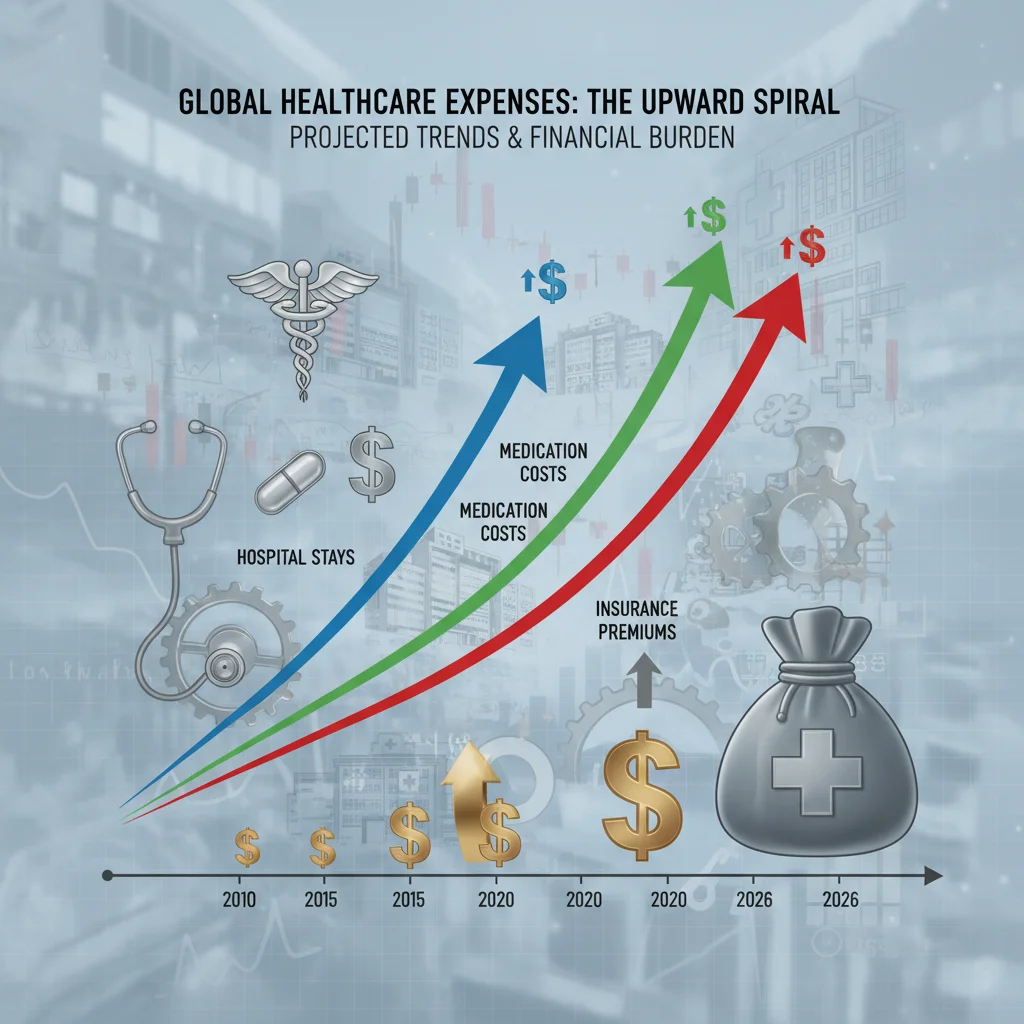
The global healthcare sector is a colossal and ever-expanding entity, constantly influenced by a myriad of factors ranging from technological advancements to demographic shifts. As we look towards the middle of the decade, projections indicate a significant uptick in healthcare expenditure. Specifically, experts forecast a 6% increase in healthcare spending by 2026. This isn’t just a number; it represents a profound shift with far-reaching economic implications that will touch governments, businesses, and individual citizens alike. Understanding the underlying drivers of this anticipated surge is crucial for policymakers, healthcare providers, insurers, and consumers to prepare effectively for the future.
The trajectory of healthcare spending has always been a topic of intense debate and analysis. Historically, it has consistently outpaced general economic growth in many developed nations, fueled by an aging population, the rising prevalence of chronic diseases, and the continuous development of expensive new treatments and technologies. The projected 6% increase by 2026 is a continuation of this trend, albeit with some specific accelerators that warrant closer examination. This article will delve deep into the economic forces at play, dissecting the various components that contribute to this growth and exploring the potential consequences for different stakeholders.
The Current Landscape of Healthcare Spending
Before we project forward, it’s essential to understand the current state of healthcare spending. Globally, healthcare consumes a substantial portion of national GDPs. In countries like the United States, healthcare spending per capita significantly exceeds that of other developed nations. This high expenditure doesn’t always translate to superior health outcomes, leading to ongoing discussions about efficiency, value, and equitable access. The current landscape is characterized by a complex interplay of public and private funding, diverse delivery models, and a rapidly evolving regulatory environment.
Anúncios
Several factors have shaped the present situation. The COVID-19 pandemic, for instance, dramatically altered healthcare spending patterns, leading to initial surges in emergency care and later, significant investments in vaccine development, testing, and public health infrastructure. While some of these pandemic-related expenditures may normalize, the underlying pressures on healthcare systems remain. These include an increasing demand for services, a workforce grappling with burnout and shortages, and the persistent challenge of managing chronic conditions effectively.
Moreover, the digitalization of healthcare, while promising efficiency gains, also requires substantial upfront investment in infrastructure, cybersecurity, and training. Telemedicine, AI in diagnostics, and data analytics are transforming how care is delivered, but their widespread adoption comes with a price tag. The current environment is thus a dynamic one, where innovation, demand, and economic realities are constantly clashing and converging.
Anúncios
Key Economic Drivers Behind the 6% Increase in Healthcare Spending 2026
The anticipated 6% increase in healthcare spending 2026 is not a monolithic phenomenon but rather the result of several interconnected economic drivers. Understanding these drivers is paramount to grasping the full scope of the financial challenges and opportunities ahead.
1. Demographic Shifts: An Aging Population
One of the most significant and undeniable drivers is the global aging population. As life expectancy increases in many parts of the world, the proportion of elderly individuals requiring more intensive and frequent medical care also rises. Older adults typically have higher rates of chronic conditions such as heart disease, diabetes, and Alzheimer’s, which necessitate ongoing management, specialized treatments, and often, long-term care. This demographic shift places immense pressure on healthcare systems, increasing demand for geriatric services, pharmaceuticals, and home healthcare aides.
The ‘baby boomer’ generation, now entering their senior years, represents a large cohort that will require substantial healthcare resources. This demographic bulge will continue to drive up healthcare spending 2026 and beyond, as their healthcare needs become more complex and their usage of medical services intensifies.
2. Advancements in Medical Technology and Pharmaceuticals
Innovation is a double-edged sword in healthcare economics. While new medical technologies, diagnostic tools, and pharmaceutical breakthroughs offer improved outcomes and extended lives, they often come with a hefty price tag. Gene therapies, personalized medicine, advanced imaging techniques, and robotic surgery are just a few examples of cutting-edge interventions that, while revolutionary, are incredibly expensive to develop and implement.
The pharmaceutical industry, driven by research and development, continuously introduces new drugs for various conditions. These new medications, particularly those for rare diseases or complex cancers, can be priced exceptionally high, significantly contributing to the overall increase in healthcare spending 2026. The cost of bringing a new drug to market is astronomical, and these costs are ultimately passed on to consumers and payers.
3. Rising Prevalence of Chronic Diseases
The global burden of chronic diseases continues to grow, fueled by lifestyle factors, environmental influences, and improved diagnostics. Conditions such as obesity, type 2 diabetes, cardiovascular disease, and various forms of cancer require long-term management, frequent medical visits, and often, expensive medications or procedures. The management of these conditions accounts for a significant portion of healthcare expenditures, and their increasing prevalence is a major contributor to the projected rise in healthcare spending 2026.
Preventative care initiatives, while crucial, often struggle to keep pace with the rising tide of chronic illness. The downstream costs of managing these conditions are substantial and represent a persistent challenge for healthcare systems worldwide.
4. Healthcare Workforce Shortages and Wage Inflation
The healthcare sector is highly labor-intensive. Shortages of qualified professionals, including doctors, nurses, and allied health workers, are a growing concern in many regions. This scarcity drives up labor costs as healthcare organizations compete for talent, leading to higher wages, signing bonuses, and increased reliance on expensive temporary staffing agencies. These elevated personnel costs are directly reflected in the overall healthcare spending 2026.
Furthermore, burnout and attrition among healthcare workers, exacerbated by events like the pandemic, mean that retaining staff is becoming increasingly difficult and costly. Investing in workforce development, education, and retention strategies will be critical but will also add to expenditure.
5. Inflation and Supply Chain Costs
Like every other sector of the economy, healthcare is not immune to general inflationary pressures. The cost of medical supplies, equipment, utilities, and even administrative services has been on an upward trend. Global supply chain disruptions, which became particularly evident during the pandemic, have also driven up the cost of essential medical goods, from personal protective equipment to specialized pharmaceuticals.
These increased operational costs are absorbed by healthcare providers and ultimately passed on to payers and patients, contributing to the overall increase in healthcare spending 2026. Managing these inflationary pressures while maintaining quality of care is a delicate balancing act for healthcare organizations.

6. Administrative Costs and Regulatory Compliance
The administrative burden in healthcare is notoriously high. Complex billing systems, insurance claims processing, electronic health record (EHR) management, and adherence to an ever-evolving landscape of regulatory compliance all contribute significantly to operational costs. While necessary for accountability and quality, these administrative overheads can consume a substantial portion of healthcare budgets without directly contributing to patient care.
The push for interoperability and data security, while beneficial, also requires substantial investment in IT infrastructure and personnel, adding another layer to the administrative costs that will influence healthcare spending 2026.
Financial Implications for Stakeholders
The projected 6% increase in healthcare spending 2026 will have profound financial implications across various segments of society. Understanding these impacts is crucial for strategic planning and mitigating potential negative consequences.
For Governments and Public Health Systems
Governments, especially those with universal healthcare systems or significant public funding for healthcare, will face increased fiscal pressure. Higher spending means larger portions of national budgets will be allocated to healthcare, potentially diverting funds from other critical sectors like education, infrastructure, or defense. This can lead to difficult policy choices and pressure to find more efficient ways to deliver care or increase taxation.
Public health systems will need to balance the rising cost of advanced treatments with the need to maintain accessible and equitable basic care for all citizens. This could involve exploring new funding models, negotiating better prices for drugs and equipment, and investing more heavily in preventative care to reduce future costs.
For Businesses and Employers
Businesses that provide health insurance to their employees will likely see a continued rise in premiums and out-of-pocket costs. This directly impacts their bottom line, potentially leading to increased operational expenses, reduced profits, or a need to pass on costs to employees through higher deductibles, co-pays, or reduced benefits. For smaller businesses, these rising costs can be particularly challenging, potentially hindering growth or even leading to difficult decisions about offering health coverage at all.
Employers may also need to invest more in employee wellness programs to promote healthier lifestyles and reduce the incidence of chronic diseases, thereby mitigating future healthcare costs. The competitiveness of a business can be directly affected by its ability to manage healthcare benefit expenses.
For Healthcare Providers and Hospitals
While increased spending might seem beneficial for providers, it also comes with increased pressure. Hospitals and healthcare systems will need to manage rising operational costs (labor, supplies, technology) while often facing reimbursement challenges from insurers and government programs. They will need to invest in new technologies and infrastructure to keep pace with medical advancements, requiring significant capital expenditure.
The focus will likely shift even more towards value-based care models, where providers are reimbursed based on patient outcomes rather than the volume of services. This incentivizes efficiency and quality but also demands significant changes in practice and data management. Providers will also continue to grapple with workforce shortages, necessitating innovative approaches to recruitment and retention.
For Insurers and Pharmaceutical Companies
Insurers will face the challenge of pricing their plans appropriately to cover the increasing costs of care while remaining competitive and affordable for consumers and employers. This often involves intricate actuarial calculations and a delicate balance between premium increases and benefit design. They may also intensify their efforts in care management, utilization review, and negotiating discounts with providers and pharmaceutical companies.
Pharmaceutical companies, while benefiting from the demand for new drugs, will also face scrutiny over pricing and potentially increased pressure for transparency and value-based pricing agreements. The landscape for drug development and commercialization will continue to be complex and highly regulated.
For Individuals and Patients
For individuals, the 6% increase in healthcare spending 2026 will likely translate into higher out-of-pocket costs, including increased premiums, deductibles, co-payments, and prescription drug costs. This can make healthcare less affordable and accessible, especially for those with chronic conditions or limited incomes. Financial toxicity from medical bills is already a significant issue, and this trend could exacerbate it.
Patients may also experience longer wait times for certain procedures or specialist appointments as systems struggle to meet demand. The need for individuals to be more proactive in managing their health and understanding their insurance coverage will become even more critical.

Strategies to Mitigate Rising Healthcare Spending
Addressing the projected increase in healthcare spending 2026 requires a multi-faceted approach involving innovation, policy changes, and individual responsibility. No single solution will suffice, but a combination of strategies can help mitigate the financial burden and improve the value derived from healthcare investments.
1. Investing in Preventative Care and Public Health
One of the most effective long-term strategies is to shift focus from reactive treatment of illness to proactive prevention of disease. Investing in public health initiatives, vaccination programs, health education, and promoting healthy lifestyles can reduce the incidence of chronic diseases and the need for expensive interventions down the line. Preventative care, while requiring upfront investment, has a proven track record of reducing overall healthcare costs and improving population health outcomes.
Examples include programs to combat obesity, reduce smoking rates, manage hypertension, and improve access to mental health services, all of which can significantly impact future healthcare spending 2026 and beyond.
2. Promoting Value-Based Care Models
Moving away from fee-for-service models, which incentivize volume, towards value-based care, which rewards positive patient outcomes and efficiency, is crucial. These models encourage providers to coordinate care, reduce unnecessary procedures, and focus on holistic patient well-being. By aligning financial incentives with quality and efficiency, value-based care can help control costs while improving patient satisfaction and health results.
This includes bundled payments, accountable care organizations (ACOs), and patient-centered medical homes, all designed to optimize resource utilization and improve care coordination.
3. Leveraging Technology for Efficiency and Access
While new technology can be expensive, strategic adoption can also drive efficiency and improve access. Telemedicine, for instance, can reduce travel time and costs for patients and providers, and expand access to specialists in rural areas. Artificial intelligence and machine learning can optimize administrative tasks, improve diagnostic accuracy, and personalize treatment plans, potentially leading to more effective and less wasteful care.
Digital health tools, remote monitoring, and health apps can empower patients to better manage their own health, reducing the need for costly hospital visits. However, careful implementation and robust cybersecurity measures are essential to realize these benefits.
4. Addressing Pharmaceutical Costs
The high cost of prescription drugs is a significant component of rising healthcare spending 2026. Strategies to address this include negotiating drug prices, encouraging generic and biosimilar competition, increasing transparency in drug pricing, and exploring international reference pricing models. Policies that support innovation while ensuring affordability are critical for sustainable healthcare.
Furthermore, promoting rational prescribing practices and reducing medication waste can also contribute to cost savings without compromising patient care.
5. Workforce Development and Retention
To combat workforce shortages and wage inflation, significant investment in healthcare education and training programs is necessary. This includes expanding medical and nursing school capacities, offering incentives for healthcare professionals to work in underserved areas, and creating career pathways for allied health workers. Retention strategies, such as improving working conditions, addressing burnout, and offering competitive compensation and benefits, are also vital.
Exploring innovative staffing models and leveraging technology to augment human capabilities can also help alleviate pressure on the existing workforce.
6. Streamlining Administrative Processes
Simplifying complex billing and coding systems, promoting interoperability of electronic health records, and reducing unnecessary paperwork can significantly cut down on administrative overhead. Standardization and automation of routine tasks can free up resources that can be redirected to direct patient care. Regulatory bodies can also play a role by ensuring that compliance requirements are clear, efficient, and do not impose undue burdens on providers.
The Role of Policy and Regulation
Government policies and regulations play a pivotal role in shaping the healthcare landscape and influencing spending. Legislative action can address issues such as drug pricing, insurance market stability, and access to care. Policies that promote competition among providers and insurers, while ensuring consumer protection, can help moderate costs.
Regulation also sets standards for quality and safety, which are essential but can also add to compliance costs. Striking the right balance between necessary oversight and avoiding excessive administrative burden is a continuous challenge for policymakers. International cooperation on health policy and research can also provide valuable insights and foster global solutions to shared challenges in healthcare spending 2026.
Conclusion: Navigating the Future of Healthcare Spending
The projected 6% increase in healthcare spending 2026 is a clear indicator that the healthcare sector will continue to be a dominant force in national economies. This growth is driven by a confluence of factors, including an aging population, technological advancements, the rising prevalence of chronic diseases, workforce dynamics, and general economic inflation. While these drivers present significant challenges, they also highlight opportunities for innovation, efficiency, and improved health outcomes.
For governments, businesses, providers, insurers, and individuals, proactive engagement and strategic planning are essential. This means investing in prevention, embracing value-based care, leveraging technology wisely, addressing pharmaceutical costs, supporting the healthcare workforce, and streamlining administrative processes. The future of healthcare spending is not just about the numbers; it’s about how effectively we can manage these economic realities to build a more sustainable, accessible, and high-quality healthcare system for everyone.
By understanding the economic drivers and their implications, stakeholders can collaborate to implement effective strategies that not only manage the rising costs but also enhance the overall value and impact of healthcare services in the years leading up to and beyond 2026. The conversation around healthcare spending 2026 is an urgent one, demanding attention and concerted action from all corners of society.