Estate Planning in a Changing Climate: 5 Critical Updates for US Families in 2026
Anúncios
Estate Planning in a Changing Climate: 5 Critical Updates for US Families in 2026
The landscape of estate planning is constantly evolving, but perhaps never more rapidly than in response to the growing impacts of climate change. For US families looking ahead to 2026, traditional approaches to securing a legacy may no longer suffice. Extreme weather events, shifting property values, and new legal considerations demand a proactive and adaptive strategy. This comprehensive guide will explore five critical updates you need to consider for your climate estate planning, ensuring your family’s future is protected against unforeseen environmental and economic shifts.
As we navigate the complexities of the mid-2020s, the implications of a changing climate are becoming increasingly tangible. From coastal erosion to wildfires, and from prolonged droughts to severe storms, these phenomena directly impact asset valuation, insurance availability, and even the very feasibility of maintaining certain properties. Therefore, integrating climate resilience into your estate plan isn’t just prudent; it’s essential for safeguarding your family’s financial well-being and peace of mind.
Anúncios
1. Reassessing Real Estate and Property Protection in High-Risk Zones
One of the most immediate and significant impacts of climate change on estate planning pertains to real estate. Properties once considered stable investments may now be in areas increasingly vulnerable to natural disasters. By 2026, it’s anticipated that more detailed risk assessments will be integrated into property valuations and insurance policies, making it crucial for families to re-evaluate their real estate holdings through a climate lens.
Understanding Climate-Related Property Risks
Families must identify if their properties are located in areas projected to experience increased frequency or intensity of floods, wildfires, hurricanes, or other extreme weather events. This isn’t just about current flood maps; it’s about future projections and the potential for these zones to expand. Consider:
Anúncios
- Flood Plains: Are your properties adjacent to rivers, coastlines, or in low-lying areas? Even properties historically outside flood zones could be at risk.
- Wildfire Zones: For families in western states, proximity to forests or dry brush areas poses a significant threat.
- Coastal Erosion: Coastal properties face not only storm surges but also gradual erosion, potentially devaluing land over time.
- Drought Impact: Agricultural land or properties reliant on specific water sources could be affected by prolonged droughts, impacting their productivity and value.
Strategic Property Management and Protection
For properties in high-risk areas, proactive measures are key:
- Structural Resilience: Invest in climate-resilient upgrades. This could include elevating foundations, reinforcing roofs, installing fire-resistant landscaping, or updating drainage systems. Documenting these improvements can enhance property value and insurance eligibility for future generations.
- Insurance Reviews: Standard homeowners’ insurance often doesn’t cover flood or earthquake damage. By 2026, expect more granular and potentially more expensive climate-specific insurance policies. Regularly review and update your policies to ensure comprehensive coverage. Consider umbrella policies for additional protection.
- Relocation Clauses: For properties that become uninsurable or uninhabitable, consider including clauses in your will or trust that outline procedures for selling, liquidating, or otherwise managing such assets. This forethought can prevent future disputes among heirs.
- Diversification: If a significant portion of your estate is tied to a single, high-risk property, consider diversifying your asset portfolio to mitigate concentrated climate risk. This is a critical component of smart climate estate planning.
The goal is not to abandon valuable assets but to understand and mitigate the risks associated with them, ensuring that your legacy is not diminished by environmental factors. Consulting with a specialist in climate-resilient real estate or an insurance expert familiar with future climate models can provide invaluable insights.
2. Integrating Digital Assets and Environmental Data into Your Estate Plan
In our increasingly digital world, digital assets are becoming as valuable as physical ones. For 2026, your climate estate planning must extend beyond traditional holdings to encompass a growing array of digital properties and data, especially those related to environmental stewardship or impact.
Defining and Documenting Digital Assets
Digital assets include everything from cryptocurrencies and NFTs to online financial accounts, social media profiles, digital photo libraries, and even domain names. Many families overlook these, leading to significant complications for heirs. By 2026, the value and complexity of these assets will only grow. Ensure your estate plan addresses:
- Access Information: Provide clear, secure instructions for accessing all digital accounts, including usernames, passwords, and two-factor authentication methods. Consider using a secure digital vault or password manager.
- Designated Digital Fiduciaries: Appoint a digital executor or fiduciary who understands how to manage and distribute your digital legacy according to your wishes. This person should be tech-savvy and trustworthy.
- Cryptocurrency and Blockchain Assets: These require specialized knowledge. Ensure your plan includes specific instructions for accessing and transferring digital wallets, private keys, and exchange accounts.
- Social Media and Online Presence: Decide whether you want these accounts memorialized, deleted, or managed by a designated individual.
Environmental Data and Records as Digital Assets
Beyond traditional digital assets, consider the increasing importance of environmental data and records. This might include:
- Sustainable Investment Portfolios: Documentation of investments in green technologies, renewable energy, or environmentally conscious companies.
- Carbon Footprint Data: Records of personal or family carbon offsetting efforts, energy consumption data, or certifications for sustainable practices.
- Environmental Easements or Land Trusts: Digital copies of legal documents pertaining to conservation efforts or land designated for environmental protection.
While these may not have direct monetary value in all cases, they represent a family’s commitment to sustainability and can be part of a meaningful legacy. Ensuring these digital records are accessible and understood by heirs is crucial for maintaining the continuity of your values. This aspect of climate estate planning is rapidly gaining prominence.
3. Adapting Trusts and Beneficiary Designations for Climate Volatility
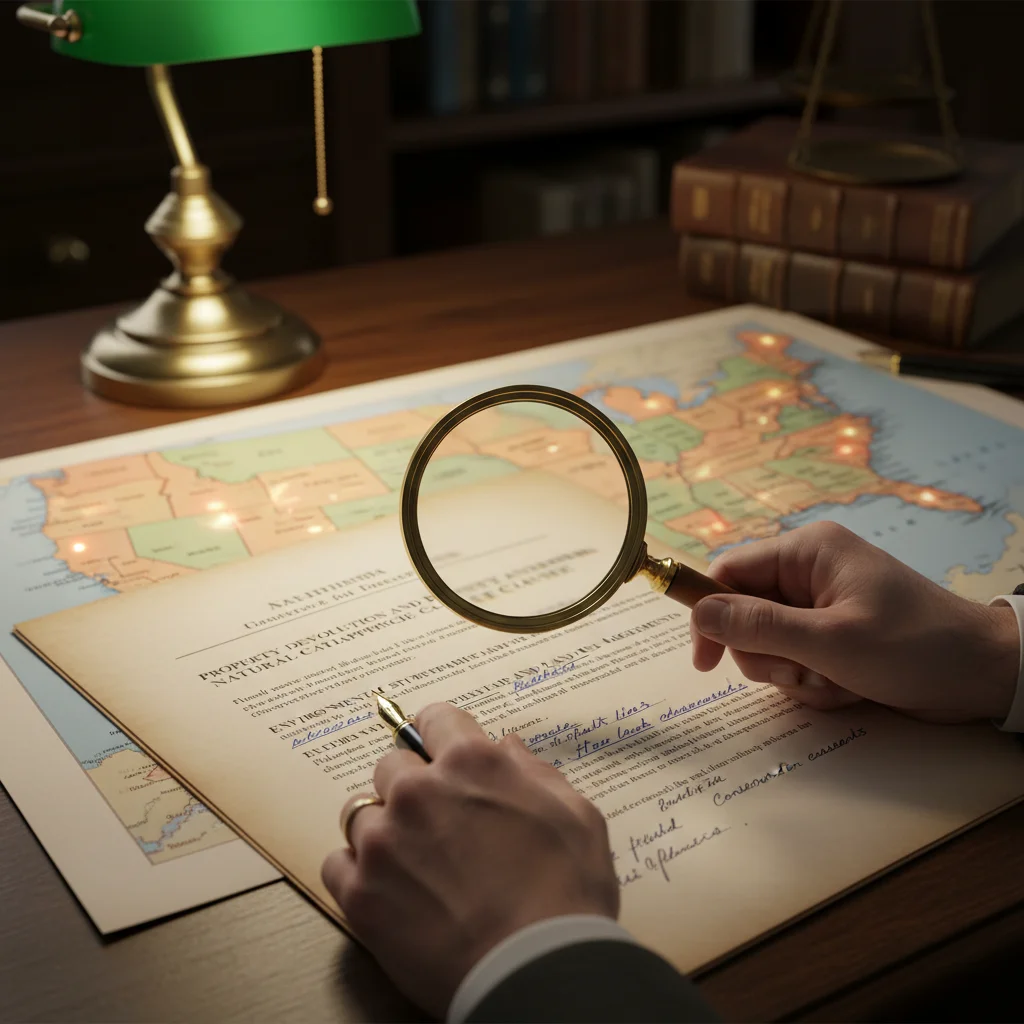
Traditional trusts and beneficiary designations may not be robust enough to handle the financial volatility introduced by climate change. By 2026, estate plans should incorporate greater flexibility and specificity to address potential climate-related impacts on beneficiaries and assets.
Flexible Trust Structures
Consider establishing trusts that allow for greater adaptability in asset distribution and management. For example:
- Discretionary Trusts: These trusts give trustees the power to make decisions about how and when trust assets are distributed, based on the beneficiaries’ needs. This flexibility can be crucial if a beneficiary’s financial situation is unexpectedly impacted by a climate-related event (e.g., loss of property, displacement).
- Spendthrift Provisions: If heirs are likely to face significant financial challenges due to climate events, spendthrift provisions can protect trust assets from creditors or imprudent spending, ensuring long-term support.
- Environmental Trusts: For families passionate about conservation, an environmental trust can be established to hold and manage land for ecological preservation, or to fund environmental initiatives. This ensures a lasting legacy of sustainability.
Conditional Beneficiary Designations
It may be prudent to consider conditional beneficiary designations, especially for assets highly susceptible to climate risks. For instance:
- If a specific property is damaged beyond repair or becomes unsellable due to a climate event, the will could specify alternative assets or distributions for the intended beneficiary.
- Conversely, if an intended beneficiary is disproportionately affected by a climate disaster, the plan could allow for accelerated or increased distributions to help them recover.
This level of foresight in climate estate planning can prevent family conflict and ensure that your beneficiaries are well-supported, no matter what environmental challenges arise. Regular reviews of these provisions with your estate planning attorney are essential.
4. Sustainable Legacy Planning: Beyond Financial Assets
As awareness of climate change grows, many families are looking to leave a legacy that extends beyond financial wealth. Sustainable legacy planning incorporates environmental values into your estate, ensuring your impact on the planet is positive and enduring. This is a crucial aspect of modern climate estate planning for 2026 and beyond.
Green Philanthropy and Impact Investing
Consider how your estate can support environmental causes:
- Charitable Bequests: Designate a portion of your estate to environmental non-profits, conservation organizations, or research institutions focused on climate solutions.
- Donor-Advised Funds (DAFs): Establish a DAF with a focus on environmental giving, allowing your heirs to continue supporting causes important to your family.
- Impact Investing: Direct your investments, within your estate plan, towards companies and funds that demonstrate strong environmental, social, and governance (ESG) practices. This not only aligns with your values but can also offer competitive returns.
Intergenerational Knowledge Transfer
A sustainable legacy also involves passing down knowledge and values. Share your commitment to environmental stewardship with your heirs:
- Educate them on sustainable living practices.
- Involve them in decisions regarding green investments or charitable giving.
- Document your family’s environmental initiatives or conservation efforts.
This transfer of values ensures that your legacy of sustainability continues through future generations, making your climate estate planning truly holistic.

5. Proactive Legal and Financial Counsel for 2026 and Beyond
The dynamic nature of climate change and its legal and financial ramifications means that your estate plan cannot be a static document. By 2026, regular, proactive engagement with legal and financial professionals will be more critical than ever for effective climate estate planning.
Annual Reviews and Updates
Commit to reviewing your entire estate plan annually. This review should specifically address climate-related factors:
- Legal Changes: New environmental regulations, zoning laws, or property rights legislation related to climate change could impact your assets.
- Tax Implications: Changes in tax codes related to climate-resilient investments, disaster relief, or environmental charitable giving could affect your estate’s value and distribution.
- Asset Valuation: Property values in vulnerable areas can fluctuate rapidly. Re-evaluate asset valuations regularly to ensure your plan accurately reflects your net worth.
- Beneficiary Circumstances: The financial stability or needs of your beneficiaries might change due to climate events, requiring adjustments to distributions.
Engaging Specialized Professionals
Beyond a general estate planning attorney, consider consulting specialists:
- Climate Risk Assessors: Professionals who can provide detailed analyses of climate risks to your specific properties and investments.
- Environmental Lawyers: Experts in environmental law who can advise on conservation easements or compliance.
- Sustainable Financial Advisors: Advisors who specialize in ESG investing and green financial products, aligning your wealth with your values.
- Insurance Brokers Specializing in Climate Risk: These brokers can help you navigate complex and evolving insurance markets for properties in high-risk zones.
These experts can provide tailored advice, helping you construct a truly resilient and forward-thinking climate estate planning strategy that accounts for the unique challenges of the coming years.
The Future of Estate Planning: Resilience and Responsibility
As we look towards 2026 and beyond, the concept of estate planning is expanding beyond mere wealth transfer. It’s evolving into a comprehensive strategy for resilience and responsibility in the face of a changing climate. For US families, this means not only protecting accumulated assets but also ensuring that those assets can withstand environmental pressures and contribute to a more sustainable future.
The five critical updates outlined here – reassessing real estate, integrating digital assets and environmental data, adapting trusts, embracing sustainable legacy planning, and seeking proactive professional counsel – form the cornerstone of effective climate estate planning. Ignoring these evolving considerations could leave your legacy vulnerable to forces beyond your control, potentially diminishing the inheritance you intend for your loved ones.
The time to act is now. Engage with your family, consult with specialized professionals, and begin the process of fortifying your estate plan against the challenges and opportunities presented by a changing climate. By doing so, you are not only securing your family’s financial future but also contributing to a more resilient and sustainable world for generations to come. Your proactive approach to climate estate planning will be a testament to your foresight and commitment to your family’s well-being and the health of the planet.
Key Takeaways for Your 2026 Climate Estate Plan:
- Property Re-evaluation: Understand and mitigate climate risks to your real estate.
- Digital Asset Inclusion: Securely plan for all digital holdings, including environmental data.
- Flexible Trusts: Utilize adaptive trust structures and conditional beneficiary designations.
- Sustainable Legacy: Integrate green philanthropy and intergenerational values.
- Proactive Counsel: Seek specialized legal and financial advice and conduct annual reviews.
By diligently addressing these areas, US families can transform the challenges of climate change into an opportunity to build a stronger, more responsible, and enduring legacy for 2026 and far into the future. Your climate estate planning journey is an investment in security and sustainability.