Navigating Data Breaches in 2026: Your Guide to Personal Data Protection

Anúncios
The digital landscape is constantly evolving, bringing with it both unprecedented convenience and persistent threats. As we delve deeper into 2026, the concept of personal data protection has never been more critical. Data breaches are no longer abstract news headlines; they are a tangible risk that can impact anyone, anywhere. From sophisticated phishing attacks to large-scale corporate database compromises, our personal information is under constant siege. This comprehensive guide aims to equip you with the knowledge and practical strategies needed to navigate this complex environment, safeguarding your digital footprint and ensuring robust personal data protection in the years to come.
Anúncios
Understanding the Evolving Threat Landscape in 2026
Before we can effectively implement personal data protection measures, it’s crucial to understand the nature of the threats we face. The cyber threat landscape in 2026 is characterized by increasing sophistication, automation, and a wider attack surface. Artificial intelligence (AI) and machine learning (ML), while powerful tools for defense, are also being weaponized by malicious actors to create more convincing phishing campaigns, bypass traditional security measures, and launch highly targeted attacks. The proliferation of IoT devices, the continued reliance on cloud services, and the blurring lines between personal and professional digital lives all contribute to a heightened risk of data breaches.
The Rise of AI-Powered Attacks
AI is revolutionizing how cyberattacks are conducted. Generative AI can craft highly personalized and grammatically perfect phishing emails, making them almost indistinguishable from legitimate communications. Deepfake technology can be used to impersonate individuals in voice or video calls, leading to social engineering attacks that bypass even the most vigilant employees or individuals. Understanding these AI-powered threats is the first step towards building a resilient strategy for personal data protection.
Supply Chain Vulnerabilities
Many data breaches in recent years haven’t originated from direct attacks on an organization’s primary systems, but rather through vulnerabilities in their supply chain. A breach at a third-party vendor that handles your data can expose your information, even if you’ve taken all necessary precautions yourself. This highlights the interconnected nature of digital security and the importance of scrutinizing the data protection practices of any service or company you interact with.
Anúncios
The IoT Expansion
Smart homes, wearables, connected vehicles, and other Internet of Things (IoT) devices are becoming ubiquitous. While convenient, many of these devices are designed with functionality over security, creating new entry points for attackers. Unsecured IoT devices can be exploited to gain access to your home network, monitor your activities, or even launch further attacks. Ensuring the security of your IoT ecosystem is a vital component of holistic personal data protection.
Fundamental Pillars of Personal Data Protection
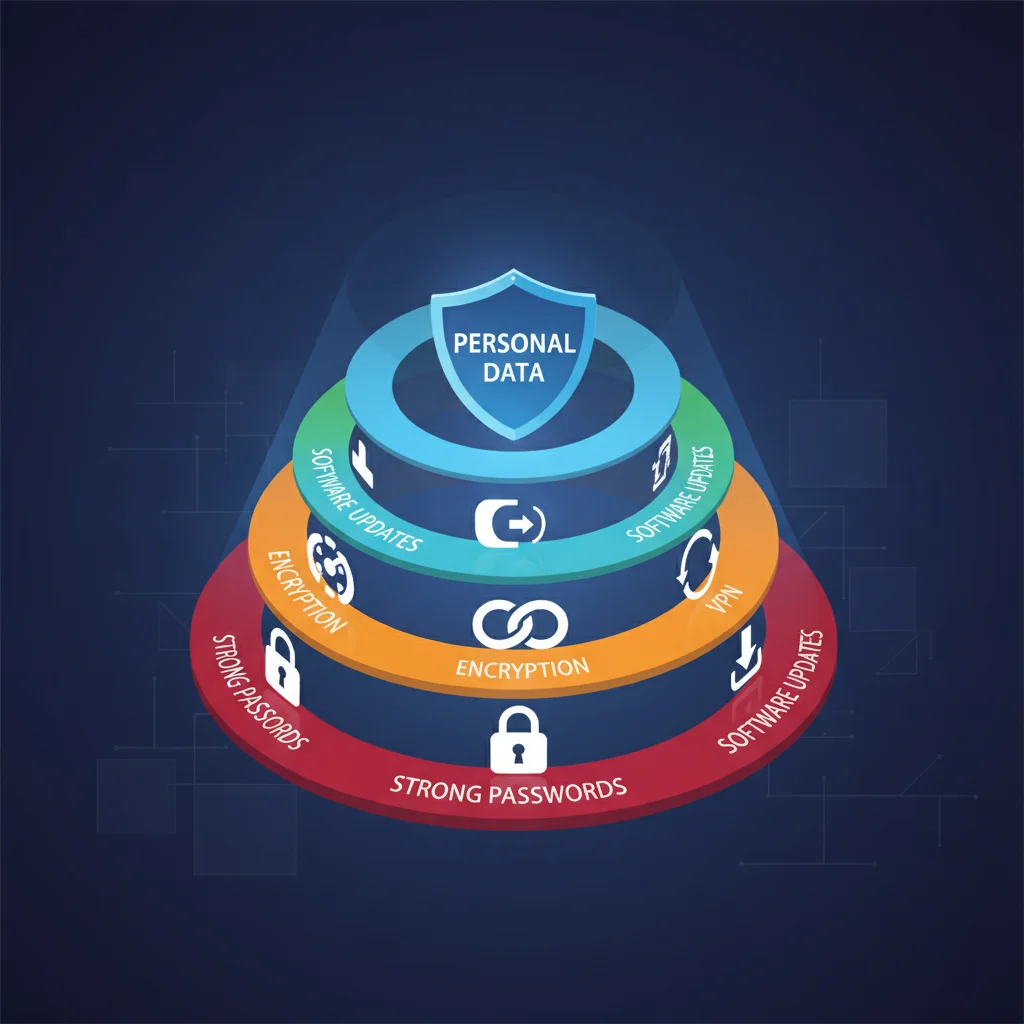
Effective personal data protection isn’t about a single solution; it’s about adopting a multi-layered approach. Here are the fundamental pillars that form the bedrock of a robust security posture:
1. Strong and Unique Passwords
Despite advancements in biometric authentication, passwords remain a primary line of defense. The key is to use strong, unique passwords for every account. A strong password typically includes a mix of uppercase and lowercase letters, numbers, and symbols, and is at least 12-16 characters long. Password managers are invaluable tools for generating and securely storing these complex passwords, eliminating the need to remember them all yourself.
2. Multi-Factor Authentication (MFA)
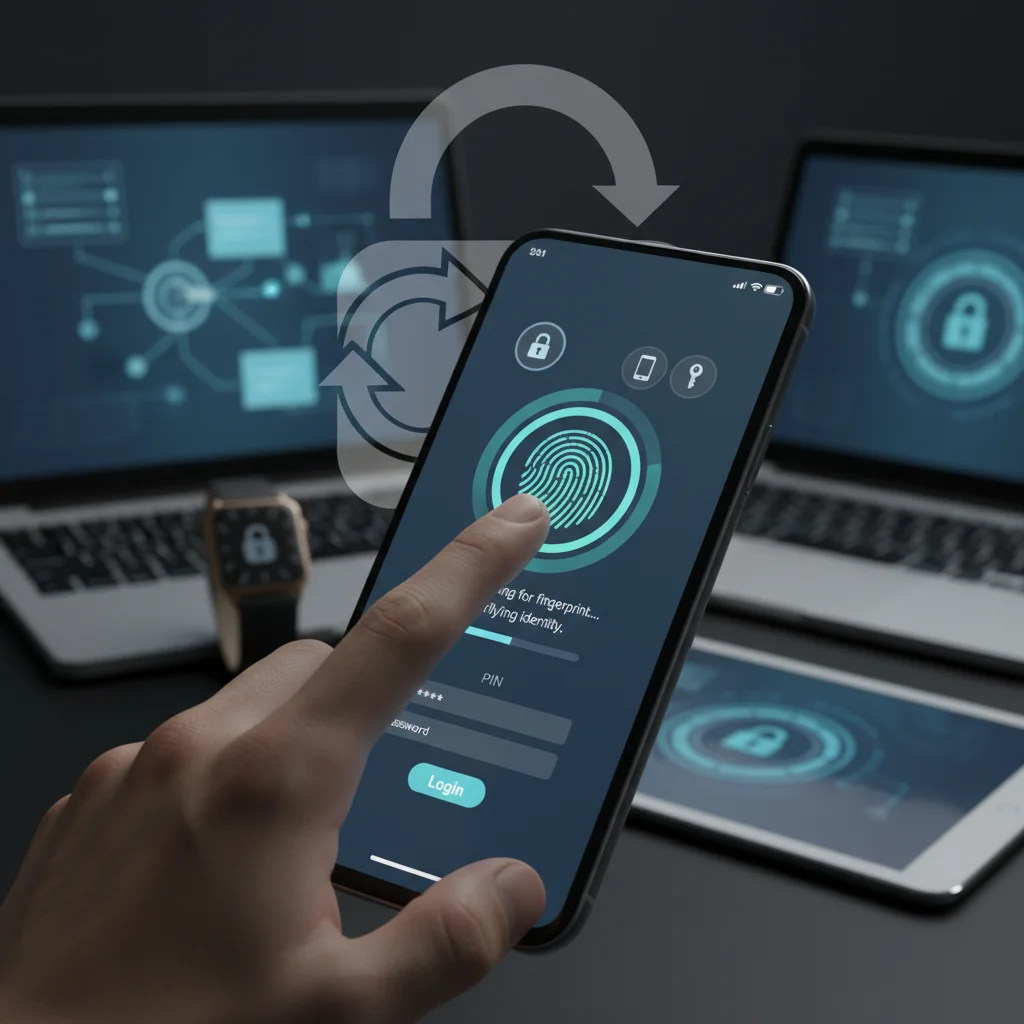
MFA adds an extra layer of security beyond just a password. This usually involves something you know (your password), something you have (a phone or hardware token), or something you are (a fingerprint or facial scan). Enabling MFA on all your critical accounts – email, banking, social media, cloud storage – is one of the most impactful steps you can take for enhanced personal data protection. Even if your password is compromised, an attacker won’t be able to access your account without the second factor.
3. Regular Software Updates
Software vulnerabilities are a common entry point for attackers. Software developers constantly release patches and updates to fix these security flaws. Regularly updating your operating systems, web browsers, applications, and even IoT device firmware is crucial. Enable automatic updates whenever possible to ensure you’re always running the most secure versions of your software. Neglecting updates leaves your systems exposed to known exploits, severely undermining your personal data protection efforts.
4. Data Encryption
Encryption transforms your data into an unreadable format, making it inaccessible to unauthorized individuals. Encrypt your devices (laptops, smartphones) whenever possible. Many modern operating systems offer built-in encryption features. When transmitting sensitive information, use encrypted communication channels (e.g., secure messaging apps, HTTPS websites). Cloud storage providers often offer encryption at rest and in transit; ensure you understand and utilize these features for better personal data protection.
5. Vigilant Phishing Awareness
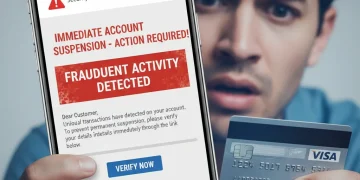
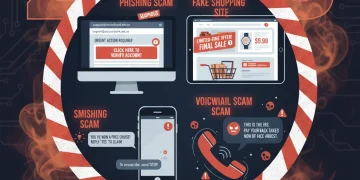
Phishing remains one of the most prevalent and effective attack vectors. Attackers use deceptive emails, messages, or websites to trick you into revealing sensitive information or downloading malicious software. Always be suspicious of unsolicited communications, especially those asking for personal details, login credentials, or urgent actions. Verify the sender’s email address, look for grammatical errors or unusual phrasing, and never click on suspicious links. When in doubt, go directly to the official website or contact the organization through verified channels.
Practical Strategies for Enhanced Personal Data Protection in 2026
Beyond the fundamental pillars, adopting specific habits and tools can significantly bolster your personal data protection. Here’s how you can proactively defend your digital life:
A. Secure Your Home Network
Your home Wi-Fi network is the gateway to all your connected devices. Ensure your router has a strong, unique password (not the default one), and use WPA3 encryption if available. Regularly check for firmware updates for your router. Consider setting up a guest network for visitors to isolate their devices from your main network, further enhancing your personal data protection.
B. Be Mindful of Public Wi-Fi
Public Wi-Fi networks in cafes, airports, or hotels are often unsecured, making your data vulnerable to interception. Avoid accessing sensitive accounts or performing financial transactions on public Wi-Fi. If you must use it, employ a reputable Virtual Private Network (VPN) to encrypt your internet traffic and protect your data from prying eyes. A VPN is an essential tool for maintaining personal data protection when on the go.
C. Regularly Review Privacy Settings
Social media platforms, apps, and operating systems frequently update their privacy settings. Take the time to review and adjust these settings to limit the amount of personal information you share and control who can access it. Be cautious about granting excessive permissions to apps, especially those that request access to your contacts, camera, or microphone without a clear justification.
D. Practice Data Minimization
The less data you share, the less data can be compromised. Adopt a practice of data minimization: only provide necessary information when signing up for services or making purchases. Delete old accounts you no longer use. Be wary of quizzes or surveys that ask for extensive personal details. Every piece of information you share online becomes a potential target, so limiting your digital footprint is a powerful personal data protection strategy.
E. Utilize Secure Browsing Habits
Use a reputable web browser that prioritizes privacy and security. Install browser extensions that block trackers and malicious ads. Be cautious of websites that don’t use HTTPS (indicated by a padlock icon in the address bar), as these connections are not encrypted and can expose your data. Regularly clear your browser’s cache and cookies to reduce tracking.
F. Backup Your Data
While backups don’t prevent a data breach, they are crucial for recovery in case of ransomware attacks or data loss. Regularly back up your important files to an external hard drive or a secure cloud storage service. Ensure these backups are encrypted and stored separately from your main devices to prevent them from being compromised in a breach.
Responding to a Data Breach: Your Action Plan
Despite all precautions, data breaches can still occur. Knowing how to respond swiftly and effectively can significantly mitigate the damage. Here’s a step-by-step action plan for personal data protection in the aftermath of a breach:
1. Identify the Source and Scope
As soon as you suspect a breach, try to identify which account or service has been compromised. Check official notifications from companies, monitor your financial statements, and review login activity on your accounts. The more you know about the breach, the better you can tailor your response.
2. Change Passwords Immediately
Change the password for the compromised account first. If you’ve reused that password anywhere else (which you shouldn’t!), change those passwords too. Prioritize your most critical accounts: email, banking, and primary social media.
3. Enable Multi-Factor Authentication (MFA)
If you haven’t already, enable MFA on all accounts, especially those affected by the breach. This adds a critical layer of security even if your password has been exposed.
4. Monitor Your Accounts
Keep a close eye on your credit reports, bank statements, and credit card activity for any suspicious transactions or new accounts opened in your name. Consider placing a fraud alert or credit freeze on your credit reports, which can prevent new credit from being opened without your authorization. This is a crucial step in maintaining your personal data protection.
5. Report the Breach
Report the breach to the relevant authorities, such as the Federal Trade Commission (FTC) in the U.S., or your country’s equivalent. If the breach involves a company, notify them as well. This helps them investigate and potentially prevent further damage.
6. Be Wary of Recovery Scams
Unfortunately, data breaches often lead to follow-up scams. Be suspicious of anyone claiming to be able to recover your data or offering special protection services in exchange for payment or personal information. Stick to official channels and trusted cybersecurity resources.
The Future of Personal Data Protection: What to Expect Beyond 2026
The journey of personal data protection is continuous. As technology advances, so too will the methods of attack and defense. Looking beyond 2026, several trends are likely to shape the future of digital security:
Decentralized Identity
Traditional identity management relies on centralized databases, which are prime targets for attackers. Decentralized identity systems, often built on blockchain technology, aim to give individuals more control over their digital identities, allowing them to selectively share verified credentials without exposing underlying personal data. This paradigm shift could fundamentally change how we approach personal data protection.
Enhanced Biometrics and Behavioral Analytics
While current biometrics are useful, future systems will likely incorporate more sophisticated methods, such as continuous authentication based on behavioral patterns (e.g., typing rhythm, gait analysis). This could offer more seamless and robust security, making it harder for unauthorized users to maintain access even if initial authentication is bypassed.
Quantum-Resistant Cryptography
The advent of quantum computing poses a potential threat to current encryption standards. Researchers are actively developing quantum-resistant cryptography to ensure that our encrypted data remains secure against future quantum attacks. The transition to these new standards will be a significant undertaking for future personal data protection.
AI-Powered Cyber Defense
Just as AI is used for attacks, it will also be a critical tool for defense. AI-powered security systems will be able to detect anomalies and respond to threats much faster than human operators, offering proactive defense against emerging attack patterns. This continuous learning and adaptation will be vital for effective personal data protection.
Conclusion: Your Role in Personal Data Protection
In 2026 and beyond, personal data protection is not just a technical challenge; it’s a personal responsibility. The digital world offers immense opportunities, but it demands vigilance and proactive engagement from each of us. By understanding the evolving threats, adopting robust security practices, and staying informed about new technologies and risks, you can significantly enhance your ability to protect your personal information.
Remember, every click, every download, and every piece of information you share online has implications for your digital security. Make strong passwords and multi-factor authentication your default. Be skeptical of unsolicited communications. Prioritize software updates and encrypt your devices. By making these practices a routine part of your digital life, you are not just reacting to threats; you are actively building a resilient shield around your valuable personal data protection. The future of your digital privacy is in your hands.