Future-Proof Your Career: High-Growth U.S. Sectors by 2026

Anúncios
Future-Proofing Your Career: 4 High-Demand U.S. Sectors Projected to Grow 10% by 2026 (INSIDER KNOWLEDGE)
In an ever-evolving global economy, understanding where the job market is heading is not just an advantage; it’s a necessity for anyone looking to build a resilient and rewarding career. The United States, a hub of innovation and economic dynamism, consistently offers a landscape of emerging opportunities. For those keen on future-proofing their careers, identifying high-demand U.S. sectors poised for significant growth is paramount. This comprehensive guide delves into four critical sectors projected to expand by 10% or more by 2026, offering insider knowledge to help you navigate your professional journey. These aren’t just fleeting trends; these are fundamental shifts driven by demographic changes, technological advancements, and societal needs, creating a robust demand for skilled professionals.
Anúncios
The U.S. Bureau of Labor Statistics (BLS) provides invaluable insights into future employment projections, highlighting industries that are not only growing but are also creating new types of jobs. Our analysis goes beyond simple statistics, offering a deeper dive into the specific roles, skills, and educational paths that will be most sought after. Whether you’re a recent graduate, a seasoned professional considering a career change, or an entrepreneur looking to invest in burgeoning markets, this article provides the strategic foresight you need. We’ll explore why these sectors are growing, what specific opportunities they present, and how you can position yourself to thrive within them. Understanding these high-demand U.S. sectors is your first step towards a stable and prosperous future.
The Healthcare Sector: A Perennial Powerhouse of Growth
The healthcare sector consistently ranks among the fastest-growing industries in the U.S., a trend that is not only expected to continue but accelerate, with projections indicating over 10% growth by 2026. This sustained expansion is primarily driven by several powerful demographic and societal factors. An aging population, particularly the large baby boomer generation, requires more medical services, from routine check-ups to specialized treatments for chronic conditions. Advances in medical technology and pharmaceuticals also contribute significantly, allowing for more complex procedures and personalized care, which in turn demands a larger and more specialized workforce. Furthermore, increased awareness of health and wellness, coupled with expanding access to health insurance, fuels the demand for a wide array of healthcare professionals.
Within this vast sector, specific areas are experiencing explosive growth. Home healthcare services, for instance, are booming as more individuals prefer to receive care in the comfort of their own homes. This shift is driven by both patient preference and cost-effectiveness. Mental health services are also seeing unprecedented demand, as societal stigmas decrease and awareness of mental well-being increases. The COVID-19 pandemic further highlighted the critical need for robust public health infrastructure and infectious disease specialists, solidifying these roles as essential for the foreseeable future. The demand for nurses, doctors, therapists, and medical technicians remains high, but new roles are also emerging, such as health informatics specialists, genetic counselors, and telemedicine coordinators, reflecting the sector’s embrace of technology and evolving care models.
Anúncios
Key Opportunities and Skills in Healthcare
For those looking to enter or advance within this high-demand U.S. sector, a diverse range of opportunities awaits. Registered Nurses (RNs) continue to be in exceptionally high demand across all specialties, from critical care to community health. Physician assistants (PAs) and nurse practitioners (NPs) are also seeing remarkable growth, stepping into expanded roles to alleviate physician shortages and provide primary care. Physical therapists, occupational therapists, and speech-language pathologists are crucial for rehabilitation and improving patients’ quality of life, especially with an aging demographic.
Beyond direct patient care, significant growth is projected for medical and health services managers, who oversee the operations of hospitals, clinics, and other healthcare facilities. These roles require a blend of clinical understanding and strong administrative skills. Medical records and health information technicians, vital for maintaining accurate patient data and ensuring compliance with privacy regulations, are also essential. The increasing complexity of medical billing and coding necessitates skilled professionals in these areas as well.
Essential skills for success in healthcare extend beyond clinical expertise. Empathy, strong communication, problem-solving abilities, and a commitment to lifelong learning are critical. As technology integrates further into healthcare, digital literacy, data analysis skills, and an understanding of electronic health records (EHR) systems become increasingly important. Adaptability to new technologies and treatment protocols is also key. Educational pathways vary, from vocational training for medical assistants to doctoral degrees for specialized physicians, but continuous professional development is a hallmark of a successful healthcare career.

Information Technology (IT): The Engine of Modern Innovation
The Information Technology (IT) sector remains a relentless engine of innovation and growth, with projections indicating a robust expansion exceeding 10% by 2026. This sector’s continuous evolution is fueled by a pervasive digital transformation across all industries, from manufacturing to finance, and retail to education. As businesses increasingly rely on digital infrastructure, data analytics, and cloud computing to operate and compete, the demand for IT professionals continues to surge. The rapid advancements in artificial intelligence (AI), machine learning (ML), cybersecurity, and big data are not just creating new jobs but are fundamentally reshaping existing roles, making IT one of the most dynamic high-demand U.S. sectors.
The COVID-19 pandemic further accelerated digital adoption, pushing many organizations to embrace remote work, e-commerce, and cloud-based solutions at an unprecedented pace. This shift has solidified the critical importance of robust IT infrastructure and skilled personnel to manage it. Cybersecurity threats are also growing in sophistication and frequency, making cybersecurity experts indispensable for protecting sensitive data and systems. The proliferation of smart devices, the Internet of Things (IoT), and advanced connectivity (like 5G) continues to expand the digital landscape, opening up new frontiers for IT professionals. From developing groundbreaking software to managing complex networks, the IT sector offers a vast array of opportunities for individuals with diverse skill sets and a passion for technology.
Key Opportunities and Skills in IT
Within the expansive IT landscape, several roles are experiencing particularly high demand. Software developers, especially those proficient in popular programming languages and experienced in agile methodologies, are crucial for creating the applications and systems that power modern businesses. Data scientists and analysts are highly sought after to interpret the vast amounts of data generated daily, providing insights that drive strategic decisions. Cloud architects and engineers, specializing in platforms like AWS, Azure, and Google Cloud, are essential for designing, implementing, and managing scalable cloud solutions.
Cybersecurity analysts and engineers are on the front lines of digital defense, protecting organizations from increasingly sophisticated cyber threats. Network architects and administrators ensure the smooth and secure operation of an organization’s internal and external networks. AI and Machine Learning engineers are at the forefront of developing intelligent systems that can automate tasks, analyze patterns, and make predictions. UX/UI designers are critical for creating intuitive and user-friendly digital experiences, ensuring that technology is not only functional but also accessible and enjoyable to use.
The essential skills for thriving in IT are a blend of technical prowess and soft skills. Strong problem-solving abilities, logical thinking, and analytical skills are fundamental. Proficiency in programming languages (e.g., Python, Java, JavaScript, C++), database management, and understanding of operating systems are often prerequisites. Beyond technical skills, adaptability, continuous learning, and strong communication are vital, as the IT landscape changes rapidly. Collaboration and teamwork are also crucial, as many IT projects are complex and require diverse expertise. Certifications (e.g., CompTIA, Cisco, AWS) and a relevant degree (computer science, engineering) can significantly boost career prospects in these high-demand U.S. sectors.
Renewable Energy: Powering a Sustainable Future
The renewable energy sector is witnessing a transformative boom, driven by global climate change concerns, technological advancements, and supportive government policies. Projected to grow well over 10% by 2026, this sector is not just about environmental stewardship; it’s a significant economic engine creating a multitude of new jobs. As nations worldwide commit to reducing carbon emissions and transitioning to cleaner energy sources, the demand for professionals in solar, wind, geothermal, hydroelectric, and bioenergy industries is skyrocketing. This shift represents a fundamental re-imagining of our energy infrastructure, making renewable energy one of the most exciting and impactful high-demand U.S. sectors for career development.
Government incentives, such as tax credits and subsidies, coupled with decreasing costs of renewable technologies, have made solar and wind power increasingly competitive with traditional fossil fuels. This economic viability, combined with growing public awareness and corporate sustainability initiatives, ensures a sustained investment in the sector. The development of advanced energy storage solutions (like battery technology), smart grids, and improved transmission systems further enhances the reliability and efficiency of renewable energy, paving the way for wider adoption. This sector is not only about large-scale power generation but also encompasses decentralized energy solutions, energy efficiency improvements, and the integration of renewable sources into existing infrastructure, creating a diverse range of employment opportunities.
Key Opportunities and Skills in Renewable Energy
Within the rapidly expanding renewable energy sector, numerous specialized roles are emerging. Solar panel installers and wind turbine technicians are on the front lines, responsible for the installation, maintenance, and repair of these critical energy-generating assets. Electrical engineers play a pivotal role in designing and optimizing renewable energy systems, from grid integration to power electronics. Environmental engineers are essential for assessing the environmental impact of projects and ensuring compliance with regulations, as well as developing sustainable solutions.
Project managers with experience in large-scale infrastructure development are crucial for overseeing the planning, execution, and completion of renewable energy projects. Research and development scientists and engineers are continuously innovating, improving the efficiency of existing technologies, and developing new ones. Data analysts specializing in energy consumption and production are needed to optimize grid performance and predict energy needs. Energy auditors and efficiency specialists help businesses and homes reduce their energy footprint, contributing to overall sustainability goals. Policy analysts and regulatory affairs specialists are vital for navigating the complex legal and policy landscape surrounding renewable energy development.
Essential skills for a career in renewable energy include a strong foundation in STEM (Science, Technology, Engineering, Mathematics) principles. Technical proficiency in areas like electrical systems, mechanical engineering, and material science is often required. Problem-solving abilities, critical thinking, and a commitment to sustainability are paramount. As many projects involve cross-functional teams and external stakeholders, strong communication, collaboration, and project management skills are also highly valued. Certifications in specific renewable technologies (e.g., NABCEP for solar) and relevant engineering or environmental science degrees are excellent pathways into these high-demand U.S. sectors. Continuous learning is vital to stay abreast of rapid technological advancements and evolving industry standards.
Logistics and Supply Chain Management: The Backbone of Global Commerce
The logistics and supply chain management sector, often overlooked, is a critical backbone of the U.S. and global economy, projected to experience significant growth exceeding 10% by 2026. This expansion is driven by the relentless rise of e-commerce, increasing globalization of trade, and the imperative for businesses to optimize their supply chains for efficiency and resilience. The COVID-19 pandemic starkly illuminated the vulnerabilities and vital importance of robust supply chains, prompting massive investments in technology, automation, and talent within this sector. As consumer expectations for faster and more reliable delivery continue to escalate, and as companies seek to navigate complex international trade landscapes, the demand for skilled professionals in logistics and supply chain management is reaching unprecedented levels, firmly establishing it as one of the high-demand U.S. sectors.
The sector encompasses everything from warehousing and transportation to inventory management, procurement, and last-mile delivery. Technological innovations such as artificial intelligence, machine learning, robotics, and advanced analytics are revolutionizing how goods are moved, stored, and tracked. Automation in warehouses, predictive analytics for demand forecasting, and real-time tracking systems are transforming operations, making them more efficient and responsive. Furthermore, the increasing complexity of global supply chains, influenced by geopolitical factors, trade agreements, and sustainability concerns, necessitates highly skilled professionals who can manage risks, ensure compliance, and build resilient networks. This sector is not just about moving goods; it’s about strategic planning, data analysis, and seamless coordination across a vast network of suppliers, manufacturers, distributors, and customers.
Key Opportunities and Skills in Logistics and Supply Chain Management
The logistics and supply chain management sector offers a wide array of career opportunities for individuals with diverse skill sets. Supply chain managers are crucial for overseeing the entire process, from sourcing raw materials to delivering finished products, ensuring efficiency and cost-effectiveness. Logistics analysts utilize data to optimize routes, inventory levels, and operational processes, identifying bottlenecks and implementing improvements. Warehouse managers and supervisors are essential for efficient storage, picking, packing, and shipping operations, increasingly leveraging automation and robotics.
Transportation managers coordinate the movement of goods across various modes (truck, rail, air, sea), ensuring timely and cost-effective delivery. Procurement specialists are responsible for sourcing materials and services, negotiating contracts, and managing supplier relationships. E-commerce logistics specialists focus on the unique challenges of online retail, including order fulfillment, last-mile delivery, and reverse logistics (returns management). Data scientists and business intelligence analysts with a specialization in supply chain data are highly sought after to provide predictive insights and optimize complex networks. Customs brokers and compliance specialists navigate international trade regulations, ensuring smooth cross-border movement of goods.
Essential skills for success in logistics and supply chain management include strong analytical and problem-solving abilities. Proficiency in data analysis tools (e.g., Excel, SQL, Python for data), enterprise resource planning (ERP) systems (e.g., SAP, Oracle), and supply chain management software is increasingly important. Excellent communication, negotiation, and interpersonal skills are vital for coordinating with diverse stakeholders, from suppliers to customers. Project management skills are also highly valued for implementing new systems and processes. Adaptability, resilience, and a global mindset are crucial for navigating the dynamic and often unpredictable nature of global supply chains. A bachelor’s degree in supply chain management, logistics, business administration, or engineering, often complemented by certifications (e.g., CSCP, CPIM), provides a strong foundation for a thriving career in these high-demand U.S. sectors.

Strategies for Thriving in High-Demand U.S. Sectors
Navigating the landscape of high-demand U.S. sectors requires a proactive and strategic approach. The key to future-proofing your career lies not just in identifying these growth areas but in actively preparing yourself to meet their evolving demands. This involves a combination of continuous learning, strategic networking, and developing a versatile skill set that transcends specific job titles. The economy of tomorrow will reward those who are adaptable, innovative, and committed to lifelong professional development. Here are some actionable strategies to help you thrive.
Continuous Learning and Skill Development
The pace of change in these high-growth sectors means that what is relevant today might be obsolete tomorrow. Embracing continuous learning is therefore non-negotiable. This doesn’t necessarily mean pursuing another four-year degree, though advanced education can certainly be beneficial. Instead, focus on acquiring specific, in-demand skills through certifications, online courses, bootcamps, and workshops. For instance, in IT, staying current with new programming languages, cloud platforms, or cybersecurity protocols is essential. In healthcare, understanding the latest medical technologies and treatment methodologies is crucial. For renewable energy, knowledge of new energy storage solutions or grid integration techniques can set you apart. In logistics, mastering new supply chain analytics tools or automation technologies will be invaluable.
Consider micro-credentials or specialized certifications offered by industry leaders or reputable educational institutions. These often provide targeted knowledge and demonstrate your commitment to a specific area of expertise. Furthermore, cultivate a habit of reading industry publications, attending webinars, and participating in professional forums to stay informed about emerging trends and best practices. The ability to quickly learn and apply new knowledge is perhaps the most critical skill for long-term career success in any of these high-demand U.S. sectors.
Networking and Mentorship
Building a robust professional network is indispensable for career advancement, especially in dynamic sectors. Attend industry conferences, trade shows, and local meetups relevant to your chosen field. Platforms like LinkedIn are powerful tools for connecting with professionals, joining industry groups, and staying updated on job opportunities. Don’t underestimate the value of informational interviews, where you can speak with experienced professionals to gain insights into their roles, companies, and the broader industry trends. These conversations can often lead to unexpected opportunities or valuable advice.
Seeking out mentors can significantly accelerate your career trajectory. A mentor can provide guidance, share experiences, offer constructive feedback, and introduce you to their network. Look for individuals who have achieved success in the areas you aspire to, and don’t be afraid to reach out respectfully. Mentorship can be a formal arrangement or an informal relationship built over time, but its impact on professional growth is profound. In high-demand U.S. sectors, where specialized knowledge and connections are key, a strong network and supportive mentors can open doors that might otherwise remain closed.
Developing Soft Skills
While technical skills are often the entry point into these high-demand U.S. sectors, it’s the soft skills that often determine long-term success and leadership potential. Employers increasingly value attributes such as critical thinking, problem-solving, adaptability, emotional intelligence, and creativity. In healthcare, empathy and communication are paramount. In IT, collaboration and clear articulation of complex technical concepts are essential. For renewable energy, project management and cross-functional teamwork are crucial. In logistics, negotiation and strategic planning abilities are highly valued.
Focus on honing your communication skills, both written and verbal. The ability to articulate ideas clearly, present solutions effectively, and engage in constructive dialogue is vital in any professional setting. Develop your leadership capabilities, even if you’re not in a managerial role, by taking initiative, mentoring junior colleagues, and leading small projects. Cultivate resilience and a positive attitude, as these qualities are essential for navigating challenges and adapting to change. These transferable soft skills will not only enhance your performance in your current role but will also make you a more versatile and attractive candidate for future opportunities across all high-demand U.S. sectors.
Geographic Considerations and Relocation Flexibility
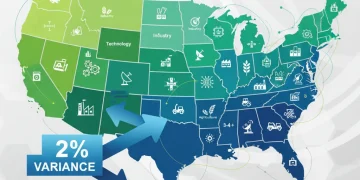
While these high-demand U.S. sectors offer opportunities nationwide, some regions are particularly strong hubs for specific industries. For instance, tech jobs are highly concentrated in Silicon Valley, Seattle, Austin, and Boston, though other emerging tech hubs are growing. Healthcare opportunities are robust in major metropolitan areas with large hospital systems and research institutions, such as New York, Boston, Houston, and the Mayo Clinic region. Renewable energy jobs are often found in states with abundant natural resources for solar (e.g., California, Arizona, Texas) or wind (e.g., Texas, Iowa, Oklahoma), as well as in research and development centers. Logistics and supply chain roles are strong in major port cities, transportation hubs, and areas with large distribution centers.
Being open to relocation, at least early in your career, can significantly broaden your access to prime opportunities and accelerate your professional growth. Research the geographic concentrations of your target industry and consider where your skills will be most valued. Even if you prefer to stay in your current location, understanding these regional dynamics can help you identify local niches or specialized companies that are thriving within these high-demand U.S. sectors. Remote work options have also expanded, particularly in IT and some aspects of logistics, offering more flexibility for certain roles, but on-site presence often remains crucial for hands-on technical and operational positions.
Conclusion: Seizing Tomorrow’s Opportunities Today
The U.S. economy is a dynamic ecosystem, constantly evolving and presenting new avenues for career growth and professional fulfillment. By focusing on the high-demand U.S. sectors of healthcare, information technology, renewable energy, and logistics and supply chain management, you are strategically positioning yourself for a future of stability and opportunity. These industries are not merely experiencing transient booms; they are undergoing fundamental transformations that will reshape the employment landscape for decades to come, driven by irreversible trends such as demographic shifts, technological innovation, and a global imperative for sustainability.
The insights provided here are designed to serve as your compass, guiding you through the complexities of the modern job market. Remember that while identifying these growth areas is crucial, your success ultimately hinges on your proactive engagement with continuous learning, strategic skill development, robust networking, and the cultivation of essential soft skills. Whether you are embarking on a new career path, seeking to advance in your current field, or contemplating a significant professional pivot, the time to invest in your future is now. Embrace the challenges, leverage the opportunities, and commit to becoming a lifelong learner in these vibrant and expanding sectors.
By understanding the underlying drivers of growth in these high-demand U.S. sectors and actively preparing yourself for their specific requirements, you can not only future-proof your career but also contribute meaningfully to the advancements that will shape our society. The journey ahead is filled with potential; seize it with informed decisions and unwavering dedication. Your future in these thriving industries awaits.