Emergency Funds 2026: Essential Savings for US Families

Anúncios
Emergency Funds 2026: How Much Should US Families Save for Unexpected Events?
In an ever-evolving economic landscape, the concept of an emergency fund remains a cornerstone of sound personal finance. For US families looking ahead to 2026, understanding how much to save for unexpected events is more critical than ever. With inflation, potential economic shifts, and the ongoing need for financial resilience, proactive planning is not just advisable – it’s imperative. This comprehensive guide will delve into the nuances of building and maintaining a robust emergency fund specifically tailored for the challenges and opportunities of 2026, ensuring your family’s financial security.
The past few years have underscored the unpredictable nature of life, from global health crises to supply chain disruptions and fluctuating energy prices. These events have a direct impact on household budgets, making a well-stocked emergency fund a non-negotiable component of any financial strategy. By 2026, while some uncertainties may have diminished, new ones will inevitably emerge. Therefore, adapting our savings strategies to reflect future economic realities is paramount. This article aims to provide actionable insights and practical advice, focusing on the specific considerations for US families in the coming years.
Anúncios
What is an Emergency Fund and Why is it Crucial for 2026?
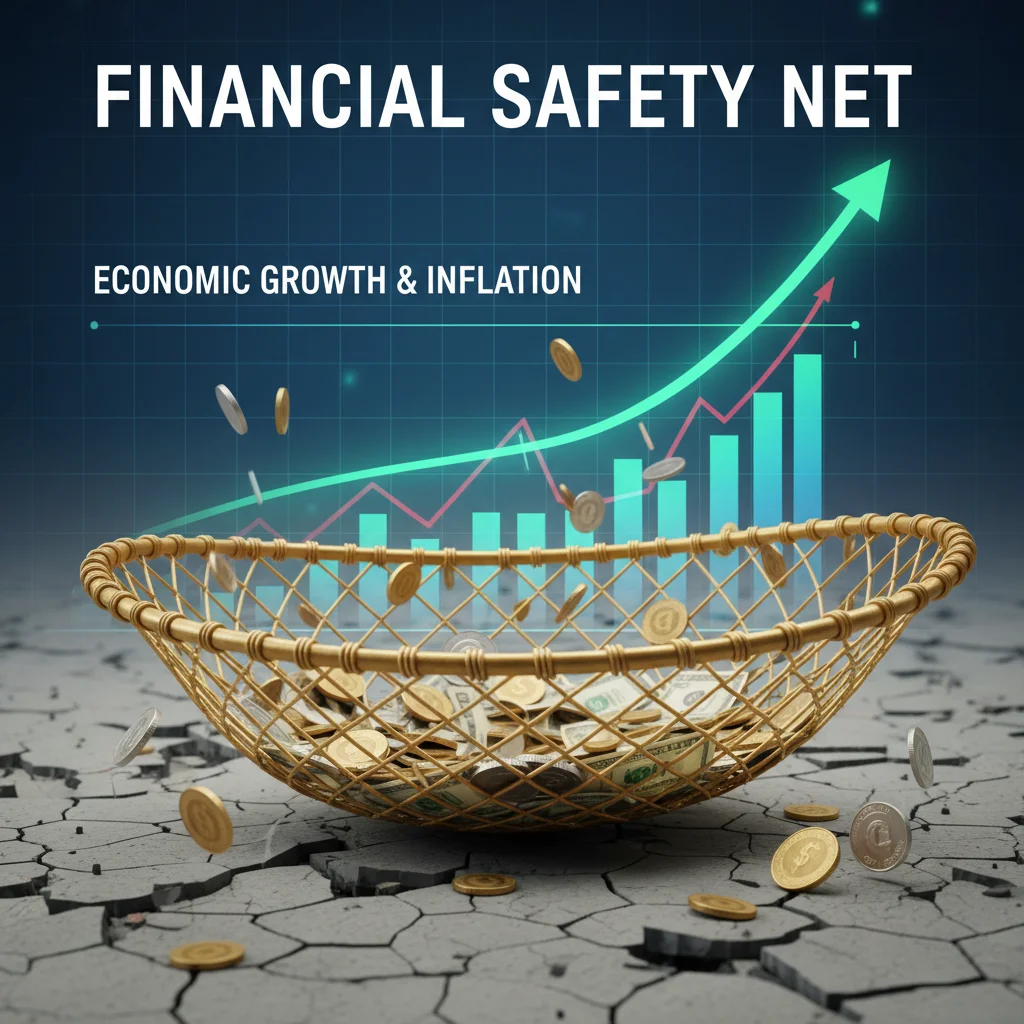
An emergency fund is a readily accessible stash of money set aside specifically to cover unforeseen expenses. These can range from job loss, medical emergencies, car repairs, or unexpected home maintenance. It acts as a financial safety net, preventing you from going into debt or derailing your long-term financial goals when life throws a curveball. For US families in 2026, the importance of this fund cannot be overstated.
The economic outlook for 2026, while projected to be stable in many sectors, still carries inherent risks. Inflation, though potentially moderating, will likely remain a factor, meaning the purchasing power of your dollar needs to be carefully considered. Interest rates, housing costs, and healthcare expenses are all variables that can significantly impact a family’s budget. Having an emergency fund allows you to navigate these uncertainties without resorting to high-interest credit cards or liquidating investments at an inopportune time. It provides peace of mind, knowing that you have a buffer against the unexpected, safeguarding your family’s well-being and financial future.
Anúncios
Think of your emergency fund as insurance – not against specific events, but against the financial fallout of those events. It’s the ultimate self-protection mechanism in personal finance, and its role will only grow in significance as the world continues to evolve.
Traditional Wisdom vs. 2026 Realities: How Much to Save
For years, financial experts have recommended saving 3 to 6 months’ worth of living expenses in an emergency fund. This general guideline provides a solid starting point. However, for Emergency Funds 2026, US families need to consider several additional factors that might necessitate a larger buffer.
Factors Influencing Your Emergency Fund Size in 2026:
- Job Security: If your job or industry is volatile, or if you have a single income household, aiming for 6 to 12 months of expenses might be more prudent. The gig economy and rapid technological advancements can create both opportunities and uncertainties in employment.
- Health Status: Families with chronic health conditions or dependents with special needs may face higher medical costs. A larger fund can cover deductibles, co-pays, and unforeseen treatments.
- Number of Dependents: More mouths to feed and care for means higher monthly expenses. A larger family generally requires a larger emergency fund to cover the same duration of expenses.
- Debt Load: While an emergency fund shouldn’t be used to pay off consumer debt, having a high debt load (especially high-interest debt) can make financial emergencies more stressful. A robust fund can prevent you from adding to that debt.
- Homeownership: Homeowners often face unexpected repair costs (HVAC, roof, plumbing). Renters might have fewer unexpected housing costs but still need to account for potential moves or rent increases.
- Economic Outlook & Inflation: As discussed, persistent inflation means your saved dollars buy less over time. When calculating your Emergency Funds 2026, factor in a conservative estimate for future inflation to ensure your fund retains its purchasing power.
- Lifestyle: A more expensive lifestyle generally requires a larger emergency fund to maintain it during a crisis.
Given these considerations, many financial advisors are now suggesting that 6 to 9 months, or even 9 to 12 months, of living expenses might be a more realistic target for many US families in 2026. This extended buffer provides greater security against longer periods of unemployment or more significant financial shocks.
Calculating Your Monthly Living Expenses for Emergency Funds 2026
Before you can determine how many months to save, you need a clear picture of your essential monthly living expenses. This isn’t just about what you spend, but what you need to spend to keep a roof over your head, food on the table, and essential services running.
Steps to Calculate Essential Monthly Expenses:
- Track Your Spending: For at least a month, meticulously track every dollar you spend. Use budgeting apps, spreadsheets, or a simple notebook.
- Categorize Expenses: Divide your spending into ‘essential’ and ‘discretionary’ categories.
- Essential Expenses: These are non-negotiable costs. Examples include:
- Housing (rent/mortgage, property taxes, home insurance)
- Utilities (electricity, gas, water, internet)
- Food (groceries, not dining out)
- Transportation (car payments, insurance, gas, public transport)
- Healthcare (insurance premiums, essential medications)
- Minimum debt payments (student loans, credit cards – only minimums, not extra payments)
- Childcare/Education (essential costs)
- Discretionary Expenses: These are costs you could cut or eliminate in an emergency. Examples include:
- Dining out, entertainment, vacations
- Gym memberships (that could be paused)
- Subscription services (non-essential)
- New clothes, hobbies
- Sum Essentials: Add up all your essential monthly expenses. This is the baseline figure you’ll use to determine your emergency fund target.
For example, if your essential monthly expenses total $4,000, and you decide on a 6-month buffer, your target for Emergency Funds 2026 would be $24,000. If you opt for 9 months, it would be $36,000. Be realistic and a little conservative in your estimates, especially when looking ahead to 2026, as costs may increase.
Where to Keep Your Emergency Funds 2026
The location of your emergency fund is almost as important as its size. The primary goals are liquidity and safety, not high returns. You need to be able to access these funds quickly without penalty or significant risk.
Ideal Locations for Your Emergency Fund:
- High-Yield Savings Account (HYSA): This is the gold standard. HYSAs offer better interest rates than traditional savings accounts while keeping your money liquid and FDIC-insured. They are a perfect balance of accessibility and modest growth.
- Money Market Account: Similar to HYSAs, money market accounts offer competitive interest rates and easy access to funds, often with check-writing privileges. Also FDIC-insured.
- Short-Term CDs (Certificates of Deposit): If you have a portion of your emergency fund that you anticipate not needing for a few months (e.g., the last 3 months of a 9-month fund), a short-term CD could offer slightly higher returns. However, be mindful of early withdrawal penalties.
- Avoid the Stock Market: While tempting for growth, the stock market is too volatile for emergency funds. You don’t want to be forced to sell investments at a loss during a market downturn just because you need cash.
Ensure your chosen account is separate from your everyday checking account. This makes it less tempting to dip into for non-emergencies and keeps a clear distinction between your spending money and your safety net. Automation is key here; set up automatic transfers each payday to build your Emergency Funds 2026 consistently.
Strategies for Building Your Emergency Funds 2026
Building a substantial emergency fund can seem daunting, but with a strategic approach, it’s entirely achievable. Here are some effective strategies for US families targeting 2026:
1. Make it a Priority:
Just like paying bills or saving for retirement, make your emergency fund a line item in your budget. Treat it as a non-negotiable expense. Even small, consistent contributions add up over time.
2. Automate Your Savings:
Set up automatic transfers from your checking account to your emergency fund account on payday. This ‘set it and forget it’ approach removes the temptation to spend the money before you save it.
3. Cut Discretionary Spending:
Review your discretionary expenses and identify areas where you can temporarily cut back. Dining out less, canceling unused subscriptions, or finding cheaper entertainment options can free up significant funds for your emergency savings. Even small cuts, like brewing coffee at home instead of buying it daily, can contribute meaningfully over a year.
4. Boost Your Income:
Consider temporary side hustles, selling unused items, or taking on extra shifts to accelerate your savings. Any extra income, no matter how small, can be directly channeled into your Emergency Funds 2026.
5. Windfalls and Bonuses:
If you receive a tax refund, work bonus, or unexpected gift, resist the urge to spend it all. Allocate a significant portion, if not all, of these windfalls directly to your emergency fund.
6. Debt Snowball/Avalanche for Emergency Fund:
While often used for debt repayment, you can adapt these methods. Focus intensely on saving a small initial emergency fund (e.g., $1,000) as quickly as possible. This ‘starter fund’ provides immediate peace of mind. Then, continue building the larger fund with the same intensity.
7. Review and Adjust Regularly:
Life changes, and so do expenses. Revisit your budget and emergency fund target at least once a year, or whenever significant life events occur (e.g., marriage, birth of a child, job change). Ensure your Emergency Funds 2026 remains adequate for your evolving needs.

Common Pitfalls to Avoid When Building Emergency Funds 2026
Even with the best intentions, families can make mistakes that hinder their emergency fund progress. Being aware of these pitfalls can help you steer clear of them:
1. Not Starting Soon Enough:
The biggest mistake is delaying. The best time to start an emergency fund was yesterday; the second best time is today. Don’t wait for a crisis to realize its importance.
2. Confusing Emergency Funds with Other Savings Goals:
Your emergency fund is not for a down payment on a house, a vacation, or a new car. It’s for emergencies only. Keeping it separate, both physically and mentally, is crucial.
3. Underestimating Expenses:
Be honest and thorough when calculating your essential monthly expenses. It’s better to overestimate slightly than to find your fund falls short when you truly need it.
4. Keeping Funds Too Accessible (or Not Accessible Enough):
While an emergency fund needs to be liquid, don’t keep it in your checking account where it’s easily spent on non-emergencies. Conversely, don’t put it in an investment that takes weeks to liquidate or carries significant risk.
5. Not Replenishing After Use:
If you have to dip into your emergency fund, make replenishing it your top financial priority. Treat it like a debt that needs to be paid back to yourself.
6. Forgetting About Inflation:
As 2026 approaches, the cost of living will likely increase. A fund that felt adequate a few years ago might not be sufficient today. Regularly review and adjust your target amount to account for inflation.
7. Letting Perfection Be the Enemy of Good:
Don’t get paralyzed by the size of the goal. Start with a smaller, achievable goal (e.g., $1,000), and build from there. Any amount saved is better than nothing.
Adapting to Potential Economic Changes by 2026
The economic landscape is dynamic, and while we can’t predict the future with certainty, we can prepare for various scenarios. As US families plan their Emergency Funds 2026, it’s wise to consider potential shifts:
- Continued Inflationary Pressures: Even if inflation cools, it’s unlikely to return to pre-pandemic levels immediately. Factor in a conservative 2-3% annual increase in your essential expenses when projecting your fund needs.
- Interest Rate Fluctuations: Higher interest rates can impact mortgage payments (for adjustable-rate mortgages), credit card debt, and the cost of new loans. While your emergency fund isn’t for debt repayment, a higher cost of borrowing elsewhere can strain your overall budget, making the fund even more vital.
- Job Market Evolution: Automation and AI continue to reshape industries. While creating new opportunities, this also means some jobs may become obsolete. A larger emergency fund provides a buffer during potential career transitions.
- Healthcare Costs: Healthcare expenses in the US have historically risen faster than inflation. Anticipate these increases and factor them into your long-term emergency planning.
- Geopolitical Events: Global events can have ripple effects on the economy, impacting everything from gas prices to supply chains. A strong emergency fund helps mitigate the personal financial impact of such external shocks.
By staying informed about economic trends and regularly reassessing your financial situation, you can ensure your Emergency Funds 2026 remains robust and relevant.
Beyond the Basics: Advanced Tips for Emergency Fund Optimization
Once you’ve built a solid emergency fund, consider these advanced strategies to optimize its effectiveness and integrate it seamlessly into your broader financial plan:
1. Tiered Emergency Fund Approach:
For those with very large emergency fund goals (e.g., 12 months of expenses), consider a tiered approach. Keep the most immediate portion (e.g., 3-6 months) in a highly liquid HYSA. The next portion (e.g., months 7-9) could be in a short-term CD or a slightly less liquid, but still accessible, investment that offers a bit more return. The final portion (e.g., months 10-12) could be in a low-risk bond fund, though this carries minimal market risk.
2. Emergency Fund for Specific Large Expenses:
While the primary emergency fund is for general living expenses, some families might benefit from a separate, smaller fund for predictable but still unexpected large expenses, like a major car repair that happens every few years. This prevents dipping into the main fund for less severe, though still significant, costs.
3. Integrate with Insurance:
Review your insurance policies (health, auto, home, disability, life) to ensure they are adequate. Robust insurance can reduce the strain on your emergency fund by covering large, specific costs. For instance, strong disability insurance can replace a significant portion of your income if you’re unable to work, thereby preserving your emergency fund.
4. The Role of a Home Equity Line of Credit (HELOC):
For homeowners with significant equity, a HELOC can sometimes serve as a ‘last resort’ emergency fund, but this comes with significant caveats. It’s a loan against your home, meaning your house is collateral. It should only be considered as a backup to a fully funded cash emergency fund, and only if you have excellent financial discipline. Interest rates can be variable, and drawing on it means taking on debt. This isn’t for everyone and requires careful consideration.
5. Educate Your Family:
Ensure all adult members of your family understand the purpose and location of the emergency fund. In a true crisis, quick access and shared understanding are vital. Discuss emergency scenarios and how the fund would be utilized.
6. Stay Disciplined:
The hardest part of maintaining an emergency fund is the discipline not to touch it for non-emergencies. Every time you’re tempted, remind yourself of the peace of mind and security it provides. Imagine the relief of having it when a real crisis strikes.
Conclusion: Securing Your Family’s Future with Emergency Funds 2026
Building and maintaining a robust emergency fund is one of the most impactful financial decisions a US family can make. As we look towards 2026, the need for financial resilience is undeniable. By understanding your essential expenses, setting a realistic savings target (likely 6-12 months for many), choosing the right savings vehicle, and implementing consistent savings strategies, you can establish a powerful financial safety net.
The journey to a fully funded emergency fund may take time and discipline, but the peace of mind it offers is invaluable. It protects your family from unexpected financial shocks, prevents debt accumulation, and ensures that your long-term financial goals remain on track. Start today, stay committed, and by 2026, your family will be well-prepared to face whatever the future may hold, confident in your financial stability.
Remember, an Emergency Funds 2026 is not just about money; it’s about freedom, security, and the ability to navigate life’s inevitable challenges without compromising your family’s future.