The consumer landscape in the United States is constantly evolving, and 2026 promises to bring some of the most significant changes in recent memory. For every shopper, understanding these shifts is not just beneficial, it’s essential. The upcoming legislation, primarily focused on refining and expanding US Consumer Rights 2026 concerning product returns and warranties, aims to provide greater transparency, stronger protections, and clearer avenues for recourse. This comprehensive guide will delve into the nuances of these changes, helping you, the consumer, navigate the new legal terrain with confidence. From online purchases to in-store transactions, from electronics to everyday goods, the impact of these new rules will be far-reaching.
Anúncios
For decades, consumer protection laws have served as the bedrock of fair commercial practices, yet they often struggled to keep pace with the rapid advancements in technology and the complexities of modern commerce. The new legislation, born from extensive deliberation and public feedback, seeks to bridge these gaps. It’s not merely an update; it’s a redefinition of what consumers can expect when things go wrong with a product or service. Whether you’re a seasoned online shopper or prefer the traditional brick-and-mortar experience, these changes will touch every aspect of your purchasing journey. Being informed about US Consumer Rights 2026 will empower you to make smarter decisions and stand up for your entitlements.
The Driving Force Behind the 2026 Legislative Changes
The impetus for these comprehensive legislative changes stems from a variety of factors. Firstly, the exponential growth of e-commerce has introduced new challenges for consumers, particularly regarding returns of items purchased sight-unseen and the enforcement of warranties across different states and even international borders. Secondly, there has been a growing call for greater standardization in return policies, which often vary wildly between retailers, leading to confusion and frustration. Thirdly, the increasing complexity of modern products, especially electronics, has highlighted the need for more robust warranty protections that truly reflect the expected lifespan and performance of goods.
Consumer advocacy groups have played a pivotal role in pushing for these reforms, highlighting common pain points such as unreasonably short return windows, opaque warranty terms, and difficulties in obtaining repairs or replacements for defective products. Lawmakers, recognizing the need to modernize existing statutes, have responded with a legislative package designed to create a more equitable and predictable environment for both consumers and businesses. The goal is not to burden businesses unnecessarily but to foster trust and ensure that consumers receive fair treatment, thereby strengthening the overall economy. Understanding the historical context helps to appreciate the significance of these forthcoming changes in US Consumer Rights 2026.
Anúncios
Key Areas of Impact: Returns, Refunds, and Exchanges
One of the most anticipated aspects of the new legislation pertains to product returns, refunds, and exchanges. Historically, return policies have largely been at the discretion of individual retailers, leading to a patchwork of rules that can be difficult for consumers to navigate. The 2026 legislation aims to introduce a baseline standard for returns, ensuring a more consistent experience nationwide.
Under the new framework, consumers can expect:
- Standardized Return Windows: While specific details are still being finalized, the legislation is expected to mandate a minimum return period for most products, moving away from the often restrictive 7-day or 14-day windows some retailers currently impose. This will likely provide consumers with a more reasonable timeframe to assess their purchases.
- Clearer Refund Processes: The new rules will likely require retailers to be more transparent about their refund processes, including the methods of refund (e.g., original payment method, store credit) and the expected timeline for receiving funds. This aims to reduce ambiguity and prevent undue delays.
- Enhanced Rights for Defective Products: For items that are defective or not fit for purpose, consumers will likely have stronger rights to a full refund or replacement, irrespective of a retailer’s standard ‘no returns on opened items’ policy. The burden of proof may also shift more towards the retailer in certain circumstances.
- Impact on Online vs. In-Store Purchases: The legislation is expected to address some of the unique challenges associated with online shopping, such as the cost of return shipping for defective items and clearer guidelines for returning items that do not match their online description.
It’s important to note that while the legislation will set minimum standards, retailers may still offer more generous return policies. The key takeaway for consumers is that a fundamental level of protection will be guaranteed, making it easier to exercise their rights. This standardization is a significant step forward in bolstering US Consumer Rights 2026.

Warranty Protections: Longer Periods and Broader Coverage
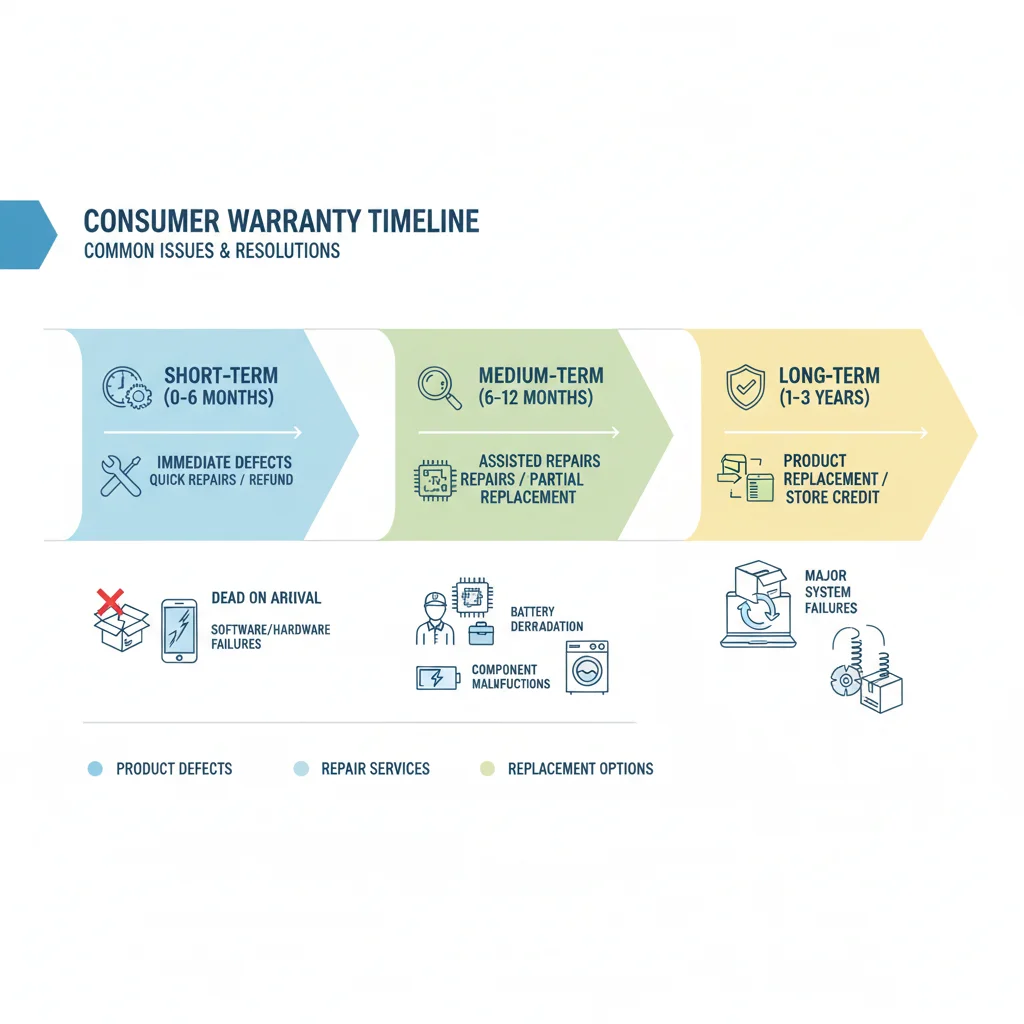
Beyond returns, the 2026 legislation is poised to significantly enhance warranty protections, addressing long-standing concerns about the duration and scope of manufacturer and seller warranties. Many consumers have experienced the frustration of a product failing just outside a short warranty period or discovering that a crucial component isn’t covered. The new laws seek to rectify this by:
- Mandating Minimum Warranty Periods: For certain categories of goods, particularly electronics and major appliances, the legislation is expected to introduce mandatory minimum warranty periods. This means manufacturers and sellers will be legally obligated to offer warranties that reflect the reasonable expected lifespan of these products, moving beyond the often-standard one-year coverage.
- Clarifying Implied Warranties: The concept of implied warranties (e.g., warranty of merchantability, fitness for a particular purpose) will likely be strengthened and clarified, making it easier for consumers to seek recourse when products fail to meet basic expectations of quality and performance, even if an express warranty isn’t explicitly stated.
- Easier Access to Repairs and Replacements: The legislation may also streamline the process for consumers to obtain repairs or replacements under warranty, potentially setting deadlines for service completion and requiring clearer communication from manufacturers.
- Addressing Extended Warranties: There may also be provisions that regulate the sale and terms of extended warranties, ensuring greater transparency and preventing deceptive practices. This is crucial as extended warranties are often a significant point of confusion and contention for consumers.
These changes represent a substantial win for consumers, providing greater peace of mind and ensuring that products are built to last and are supported adequately when issues arise. The emphasis on longer and more comprehensive warranties is a cornerstone of the strengthened US Consumer Rights 2026.
Online Shopping and Digital Goods: Specific Protections
The digital age has brought unprecedented convenience but also unique challenges for consumer protection. The 2026 legislation recognizes this and is expected to introduce specific provisions tailored to online shopping and digital goods and services. This includes:
- Clearer Disclosure Requirements for Online Sellers: E-commerce platforms and online retailers will likely face stricter requirements for disclosing information about products, including country of origin, material composition, and accurate depictions of items. This aims to reduce discrepancies between what is advertised online and what is received by the consumer.
- Enhanced Rights for Digital Product Failures: For software, digital media, and other digital goods, the legislation is expected to establish clearer rights for consumers when these products are defective, do not perform as advertised, or become inaccessible due to platform changes. This could include rights to refunds, replacements, or continued access.
- Data Privacy and Product Functionality: While not exclusively a returns and warranties issue, the legislation may also touch upon how consumer data is used in relation to product functionality and warranty claims, ensuring that privacy is respected even when troubleshooting or servicing products.
- Cross-Border E-commerce Considerations: Given the global nature of online shopping, the legislation may also provide guidance or frameworks for addressing issues that arise when purchasing from international sellers, aiming to provide US consumers with some level of protection even in complex cross-border transactions.
These targeted protections for the digital realm are crucial for ensuring that US Consumer Rights 2026 remain relevant and effective in an increasingly online world. Consumers can look forward to a more secure and transparent digital shopping experience.
How Businesses Will Adapt to the New Regulations
While the new legislation primarily focuses on consumer protection, it will undoubtedly require significant adaptations from businesses, both large and small. Retailers, manufacturers, and service providers will need to review and revise their current policies and practices to ensure compliance by 2026. This will involve:
- Updating Return and Warranty Policies: Businesses will need to meticulously update their publicly stated return and warranty policies to align with the new minimum standards. This includes website disclosures, in-store signage, and terms and conditions.
- Training Staff: Customer service teams, sales associates, and management will require comprehensive training on the new regulations to ensure they can accurately inform consumers of their rights and process returns and warranty claims correctly.
- Supply Chain Adjustments: Manufacturers may need to re-evaluate their quality control processes and supply chain agreements to ensure products meet the higher standards implied by extended warranty periods.
- Technology and Systems Upgrades: Retailers might need to upgrade their point-of-sale (POS) systems, inventory management software, and customer relationship management (CRM) platforms to efficiently handle the new return and warranty protocols.
- Legal Review: Businesses will likely engage legal counsel to ensure full compliance and to understand the potential liabilities and responsibilities under the new laws.
While these changes represent an investment for businesses, they also present an opportunity to build greater customer trust and loyalty. Companies that proactively embrace the new standards and communicate them clearly to consumers are likely to gain a competitive advantage. The transition period leading up to 2026 will be critical for businesses to prepare for the full implementation of these enhanced US Consumer Rights 2026.
What Consumers Can Do Now to Prepare
While the full implementation of the 2026 legislation is still some time away, there are several proactive steps consumers can take to prepare for and benefit from these upcoming changes:
- Stay Informed: Regularly check official government consumer protection websites (e.g., FTC, state consumer affairs departments) and reputable consumer advocacy organizations for updates and detailed guidance as the legislation moves closer to full effect.
- Document Purchases: Continue the good habit of keeping detailed records of all purchases, including receipts, order confirmations, product descriptions, and any communication with sellers or manufacturers. This documentation will be invaluable if you need to exercise your new rights.
- Understand Current Policies: Before 2026, familiarize yourself with the current return and warranty policies of retailers you frequent. This will help you appreciate the improvements and identify situations where your rights are stronger under the new laws.
- Know Your State Laws: While federal legislation will set a baseline, individual states may also have their own consumer protection laws that offer additional rights. Be aware of both federal and state-level protections.
- Engage with Advocacy Groups: Support and follow consumer advocacy groups that are instrumental in shaping these laws. Their resources can often provide practical advice and insights into navigating complex consumer issues.
By taking these steps, you can ensure you are well-positioned to leverage the enhanced US Consumer Rights 2026 when they come into full force. Knowledge is power, especially when it comes to protecting your financial interests and ensuring fair treatment in the marketplace.
Real-World Scenarios: How the New Laws Might Play Out
To better understand the practical implications of the 2026 legislation, let’s consider a few hypothetical scenarios:
- Scenario 1: The Defective Smart Appliance. You purchase a new smart refrigerator that develops a critical software bug six months after purchase, rendering a key feature unusable. Under current laws, if the manufacturer’s warranty was only 90 days for software, you might be out of luck. Under US Consumer Rights 2026, if a mandatory minimum warranty for major appliances extends beyond six months and covers software functionality, you would have a clear right to a repair or replacement, even if the manufacturer’s explicit warranty was shorter.
- Scenario 2: The Online Clothing Return. You order a dress online that looks significantly different in person than it did on the website. The retailer’s current policy only allows returns for unworn items with tags attached within 14 days, and you missed the window. With the new standardized return windows and clearer disclosure requirements for online products, you might have a stronger case for returning the item, especially if the discrepancy between the online description and the actual product is substantial.
- Scenario 3: The Persistent Laptop Glitch. Your new laptop, purchased for professional use, repeatedly crashes due to a manufacturing defect. After several unsuccessful repair attempts under the existing one-year warranty, you’re offered another repair. Under the strengthened warranty provisions of US Consumer Rights 2026, which may include clearer guidelines for repeated failures or ‘lemons,’ you might be entitled to a full replacement or refund much more readily, rather than endless repairs.
These examples illustrate how the new legislation aims to provide more straightforward and robust protections, shifting the balance slightly more in favor of the consumer and reducing the ambiguity that often plagues these situations.
The Broader Impact: Trust, Competition, and Innovation
Beyond the immediate benefits to individual consumers, the 2026 legislation is expected to have broader positive impacts on the economy and market dynamics. By fostering greater consumer trust, these laws can encourage more purchasing activity, as consumers feel more secure in their investments. When consumers know their rights are protected, they are more likely to make purchases, even from new or online retailers.
Furthermore, the standardization of return and warranty policies can create a more level playing field for businesses. Instead of competing solely on restrictive policies, companies will be encouraged to differentiate themselves through product quality, superior customer service, and innovative offerings. This can lead to healthier competition and, ultimately, better products and services for everyone.
While some businesses may initially view these changes as a burden, many will recognize them as an opportunity to enhance their brand reputation and build long-term customer loyalty. Companies that embrace transparency and prioritize consumer satisfaction will thrive in this new environment. The strengthened US Consumer Rights 2026 are not just about protection; they are about fostering a more ethical, transparent, and dynamic marketplace.
Addressing Potential Challenges and Future Evolution
It’s important to acknowledge that implementing such sweeping legislation will not be without its challenges. Businesses may face initial hurdles in adapting their systems and training their staff. There may be debates over the interpretation of specific clauses, and some sectors might require further clarification or industry-specific guidelines. However, the overall intent is clear: to enhance consumer protection in a rapidly changing world.
As technology continues to advance and new forms of commerce emerge (e.g., subscription models for physical goods, metaverse commerce), consumer rights legislation will need to remain agile and adaptable. The 2026 update should be seen not as a final destination but as a significant milestone in an ongoing process of refining and strengthening consumer protections. Future legislative cycles will undoubtedly build upon this foundation, ensuring that US Consumer Rights 2026 and beyond continue to meet the needs of a modern society.
Conclusion: Empowering the Modern Consumer
The upcoming changes to US Consumer Rights 2026 represent a landmark moment for shoppers across the nation. With enhanced protections for returns, longer and more comprehensive warranties, and specific provisions for the digital marketplace, consumers are poised to gain greater confidence and control over their purchasing decisions. These legislative updates reflect a commitment to fairness, transparency, and accountability in commerce.
By understanding these new rules, consumers can empower themselves to navigate the marketplace more effectively, advocate for their rights, and make informed choices. Businesses, in turn, have an opportunity to adapt, innovate, and build stronger, more trusting relationships with their customer base. As we approach 2026, staying informed and proactive will be key to harnessing the full benefits of this transformative legislation, ensuring a more secure and equitable shopping experience for all.