The Impact of New Trade Policies on US Manufacturing: A 2026 Analysis of How Tariffs Could Shift Production by 5%
Anúncios
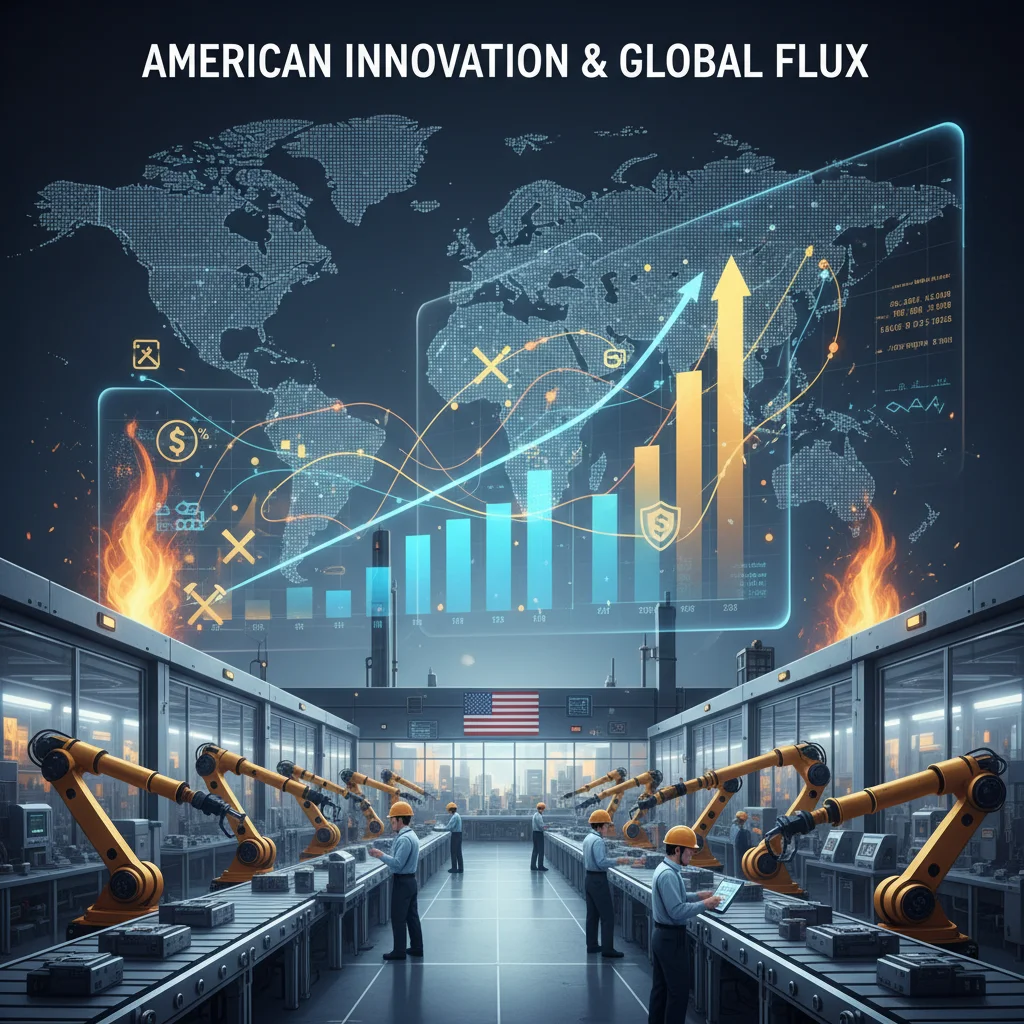
The global economic landscape is in a constant state of flux, shaped by geopolitical tensions, technological advancements, and, perhaps most significantly, evolving trade policies. As we look towards 2026, the potential for new trade policies, particularly the implementation or adjustment of tariffs, looms large over the American manufacturing sector. Understanding the potential ramifications of these shifts is crucial for businesses, policymakers, and consumers alike. This comprehensive analysis will delve into how anticipated trade policies and tariffs could lead to a significant 5% shift in US manufacturing production, exploring the mechanisms, challenges, and opportunities presented by such a transformation.
Understanding the Current Trade Policy Environment and its Evolution
Before projecting into 2026, it’s essential to contextualize the current trade policy environment. Over the past decade, the world has witnessed a pendulum swing in trade philosophies, moving from an era of increasing globalization and free trade agreements to a more protectionist stance in many major economies. The United States, in particular, has utilized tariffs as a strategic tool to address perceived imbalances, protect domestic industries, and exert geopolitical influence. These actions have had ripple effects across global supply chains, prompting companies to re-evaluate their manufacturing locations and sourcing strategies.
Anúncios
The rationale behind tariffs is multifaceted. Proponents argue that tariffs can safeguard domestic jobs, encourage local production, and level the playing field against countries with different labor costs or environmental regulations. They can also be used as leverage in international negotiations, compelling trading partners to adhere to specific standards or open their markets. Conversely, critics highlight that tariffs can increase consumer prices, reduce import competition, stifle innovation, and invite retaliatory measures from other nations, potentially leading to trade wars that harm global economic growth. The ongoing debate underscores the complexity of trade policy and its far-reaching consequences.
Looking ahead to 2026, several factors suggest a continued, if not intensified, focus on trade policy as a lever for economic and political objectives. Geopolitical competition, particularly with major industrial powers, is likely to remain a driving force. Concerns about national security, technological dominance, and supply chain resilience are pushing governments to consider policies that prioritize domestic production in critical sectors. Moreover, domestic political pressures, often fueled by public sentiment regarding job creation and economic sovereignty, will continue to shape policy decisions. Therefore, a scenario where the US actively employs or adjusts tariffs to achieve specific industrial outcomes is highly plausible.
The precise nature of these future trade policies is, of course, subject to political developments and global economic conditions. However, the overarching trend points towards a strategic use of trade instruments to bolster domestic capabilities and reduce reliance on potentially unstable foreign supply chains. This proactive approach to trade policy will inevitably create both challenges and opportunities for US manufacturing, necessitating a careful examination of its potential impacts.
Anúncios
Mechanism of Tariffs: How They Influence US Manufacturing Tariffs
To understand how a 5% shift in US manufacturing production might occur, it’s crucial to grasp the direct and indirect mechanisms through which tariffs operate. Fundamentally, a tariff is a tax imposed on imported goods or services. When a tariff is applied, it increases the cost of foreign goods, making domestically produced alternatives more competitive in terms of price. This price differential is the primary driver behind potential production shifts.
Direct Cost Impact and Domestic Competitiveness
For imported goods that directly compete with US-made products, tariffs make the imports more expensive. This can lead to a decrease in demand for the foreign product and an increase in demand for the domestic substitute. For example, if a 25% tariff is placed on imported steel, the cost of foreign steel rises significantly, making US-produced steel more attractive to American manufacturers. This increased demand for domestic steel can incentivize US steel producers to expand their operations, invest in new technologies, and hire more workers, leading to an increase in domestic production.
The impact is not limited to finished goods. Tariffs on intermediate goods – components or raw materials used in manufacturing – also play a critical role. While these tariffs can increase the cost for US manufacturers who rely on imported inputs, they can also stimulate domestic production of those intermediate goods. For instance, if US manufacturers of electronics face tariffs on imported microchips, they might seek domestic suppliers, or even consider establishing their own chip manufacturing capabilities, if the scale and economic viability support such a move. This could contribute to a broader re-shoring or near-shoring trend.
Supply Chain Reconfiguration and Reshoring Incentives
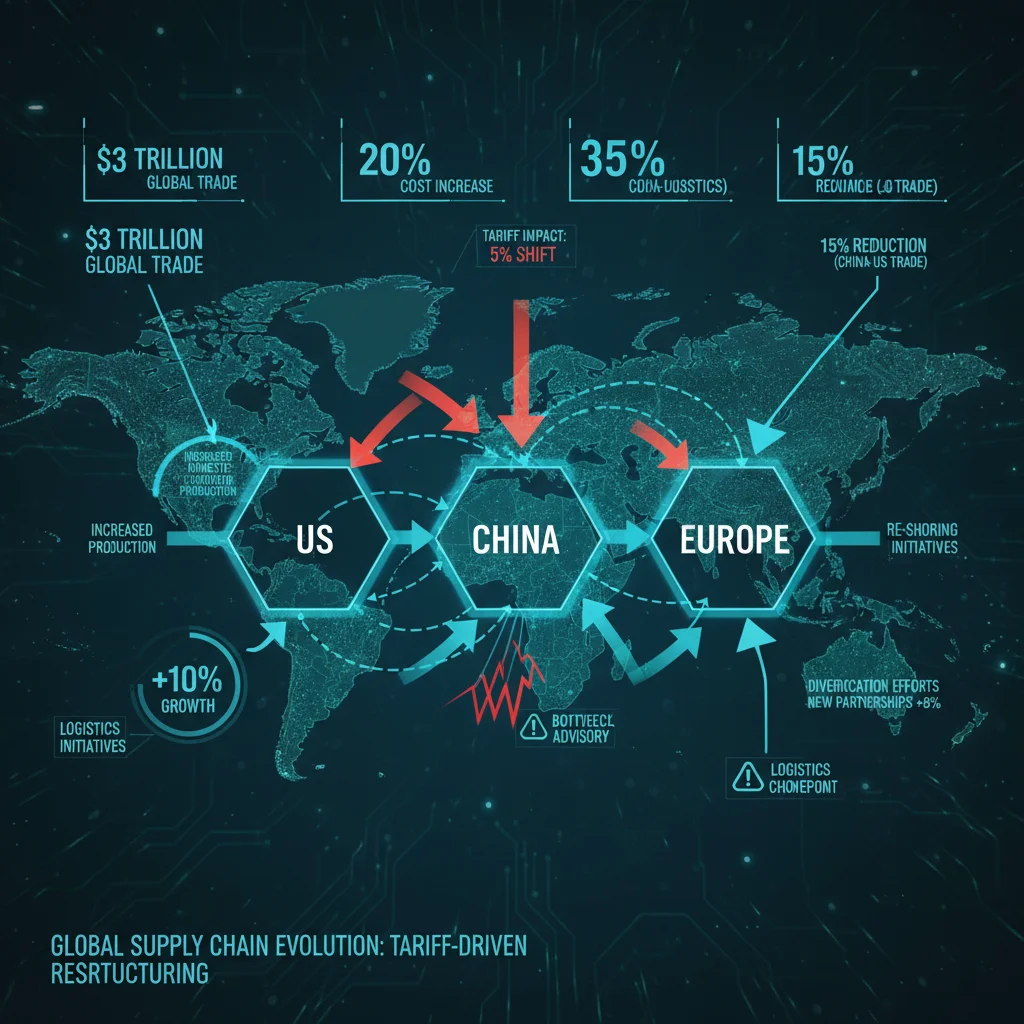
Beyond direct cost impacts, tariffs compel companies to undertake a fundamental re-evaluation of their global supply chains. The uncertainty and increased costs associated with tariffs can make relying on foreign suppliers less predictable and more expensive. This encourages companies to diversify their sourcing, explore new international partners, or, increasingly, to bring production back to the United States – a process known as reshoring or nearshoring.
Reshoring is not merely about avoiding tariffs; it also addresses concerns about supply chain resilience, intellectual property protection, and quality control. The COVID-19 pandemic starkly highlighted the vulnerabilities of extended global supply chains, reinforcing the strategic imperative for greater domestic control over critical manufacturing processes. Tariffs, therefore, act as a powerful financial incentive, accelerating decisions that might otherwise have been postponed or deemed less urgent. The cumulative effect of numerous companies making these strategic adjustments can lead to a measurable shift in overall US manufacturing output.
Investment in Domestic Capacity and Innovation
A sustained period of higher tariffs, or the credible threat of their imposition, can encourage long-term investment in domestic manufacturing capacity. Businesses are more likely to commit capital to build new factories, upgrade existing facilities, and invest in advanced manufacturing technologies (like automation and AI) if they anticipate a favorable domestic market environment. This investment not only increases production volume but also enhances the competitiveness and technological sophistication of US manufacturing. Such investments are crucial for sustaining any production shift in the long run, ensuring that US industries are not just producing more, but producing more efficiently and with higher value.
However, it’s important to acknowledge that these shifts are not without challenges. Reshoring can involve significant upfront costs, a need for skilled labor, and adjustments to existing operational models. The success of a tariff-driven production shift also depends on the availability of domestic resources, infrastructure, and a supportive regulatory environment. The 5% shift is a net figure, representing the aggregate effect of these complex decisions across various industries.
Analyzing the Potential 5% Production Shift in US Manufacturing Tariffs
A 5% shift in US manufacturing production by 2026, while seemingly modest in percentage, represents a substantial economic reallocation when considering the sheer scale of the American industrial base. To put this into perspective, US manufacturing output was approximately $2.5 trillion in 2023. A 5% increase would equate to an additional $125 billion in domestic production. This shift would not be uniform across all sectors but would likely be concentrated in specific industries most affected by tariff policies and strategic national interests.
Key Sectors Likely to Experience Shifts
Several sectors are particularly susceptible to the influence of new trade policies and could see significant production shifts:
- Critical Minerals and Materials: Industries reliant on imported rare earths, specialized metals, and other critical raw materials are prime candidates for reshoring. Governments worldwide are prioritizing secure access to these inputs, making domestic extraction and processing more attractive despite potentially higher costs.
- Semiconductors and Electronics: The global chip shortage and geopolitical tensions have highlighted the vulnerability of relying heavily on foreign semiconductor manufacturing. Significant government incentives and tariffs are already pushing for increased domestic chip production, a trend expected to accelerate by 2026.
- Pharmaceuticals and Medical Devices: The pandemic exposed critical dependencies on foreign supply chains for essential medicines and medical equipment. Policies aimed at bolstering health security could drive substantial reshoring in these areas.
- Automotive and Aerospace Components: These sectors often involve complex global supply chains. Tariffs on specific components or finished vehicles could incentivize manufacturers to localize more of their production, particularly for parts that are high-value or strategically important.
- Clean Energy Technologies: As the US invests heavily in renewable energy, tariffs on imported solar panels, wind turbine components, and battery technology could stimulate domestic manufacturing to meet demand and ensure energy independence.
The 5% shift is an aggregation of growth in these targeted sectors and, potentially, some smaller shifts across a broader range of industries. It implies a strategic redirection of investment and resources towards building a more resilient and domestically focused industrial base.
Economic Implications of the Shift
The economic implications of a 5% production shift are far-reaching:
- Job Creation: Increased domestic manufacturing would lead to job creation in factories, R&D, and supporting industries. These jobs would likely be concentrated in skilled labor and advanced manufacturing roles, requiring investment in workforce training and education.
- Increased Capital Investment: Reshoring and expanded domestic production necessitate significant capital investment in new facilities, machinery, and technology. This investment can stimulate economic growth, boost innovation, and improve overall industrial productivity.
- Supply Chain Resilience: A more localized supply chain reduces vulnerability to geopolitical disruptions, natural disasters, and trade disputes. This enhanced resilience can provide greater stability for businesses and consumers.
- Inflationary Pressures: While tariffs aim to boost domestic production, they can also lead to higher costs for consumers in the short term, as imported goods become more expensive and domestic alternatives might not immediately match the efficiency or scale of foreign competitors. The challenge will be to manage these pressures while fostering long-term competitiveness.
- Innovation and Technological Advancement: Increased domestic production, particularly in high-tech sectors, can spur greater investment in research and development, leading to new innovations and a more technologically advanced manufacturing base. This can create a virtuous cycle of growth and competitiveness for US manufacturing tariffs.
Achieving this 5% shift will require careful policy implementation, strategic industry partnerships, and a supportive ecosystem for manufacturers. It’s not merely about imposing tariffs but about creating an environment where domestic production can thrive and compete effectively on a global stage.
Challenges and Opportunities for US Manufacturing Tariffs in 2026
While the prospect of a 5% shift in US manufacturing production due to trade policies offers significant opportunities, it also presents a complex array of challenges that must be strategically addressed. Navigating these hurdles will be crucial for the long-term success of any reshoring or domestic expansion initiatives.
Key Challenges
- Labor Shortages and Skill Gaps: A significant increase in domestic manufacturing will exacerbate existing labor shortages, particularly for skilled workers in advanced manufacturing, engineering, and technical trades. Attracting and training a new generation of manufacturing workers will be paramount. This requires substantial investment in vocational training, apprenticeships, and STEM education.
- Higher Production Costs: Despite tariff advantages, US manufacturing often faces higher labor costs, regulatory burdens, and energy prices compared to some overseas competitors. Companies reshoring production will need to find ways to offset these costs through automation, process optimization, and value-added manufacturing to remain globally competitive.
- Infrastructure Limitations: An expanded manufacturing base will place increased demands on existing infrastructure, including transportation networks, energy grids, and digital connectivity. Investments in modernizing and expanding this infrastructure will be essential to support growth and efficiency.
- Supply Chain Development: While the goal is to localize supply chains, building out the entire ecosystem of suppliers for critical components and raw materials domestically can take time and significant investment. This ‘chicken-and-egg’ problem—where suppliers are hesitant to invest without sufficient demand, and manufacturers need suppliers—requires coordinated industrial policy.
- Risk of Retaliation: Aggressive tariff policies by the US can provoke retaliatory tariffs from trading partners, potentially harming US export-oriented industries and complicating global trade relations. Balancing protectionist measures with the need for international cooperation remains a delicate act.
- Innovation and R&D Investment: To sustain competitiveness, US manufacturing must continually innovate. While tariffs can provide a short-term shield, long-term success hinges on robust investment in R&D, adoption of cutting-edge technologies (like AI, IoT, additive manufacturing), and fostering a culture of continuous improvement.
Significant Opportunities
- Enhanced Supply Chain Resilience: The primary opportunity is the creation of more robust and less vulnerable supply chains. This reduces dependence on geopolitical adversaries and mitigates risks from global disruptions, ensuring a more stable flow of essential goods.
- Job Growth and Economic Revitalization: Increased domestic production directly translates to job creation across various skill levels, revitalizing communities and contributing to overall economic growth. These jobs often come with higher wages, bolstering the middle class.
- Technological Leadership: A focus on advanced manufacturing and reshoring can accelerate the adoption of cutting-edge technologies, positioning the US at the forefront of industrial innovation. This includes advancements in automation, AI-driven production, and sustainable manufacturing practices.
- Improved Quality Control and IP Protection: Localized production allows for greater oversight of manufacturing processes, leading to higher quality control and better protection of intellectual property, which is particularly crucial for high-value and sensitive products.
- Reduced Environmental Footprint: While not universally true, shorter supply chains can potentially reduce the carbon footprint associated with long-distance shipping. Furthermore, US manufacturing often adheres to stricter environmental standards than some overseas producers, leading to more sustainable production practices.
- National Security Imperatives: For critical industries like defense, aerospace, and advanced electronics, domestic manufacturing is a national security imperative. Trade policies that support this strengthen the nation’s strategic capabilities.
Seizing these opportunities and mitigating the challenges will require a concerted effort from government, industry, and academia. Coordinated policies that support workforce development, infrastructure investment, and R&D are essential to ensure that the 5% shift in US manufacturing tariffs translates into sustainable growth and enhanced global competitiveness.
Policy Recommendations for Sustaining US Manufacturing Tariffs Growth
To effectively manage the projected 5% shift in US manufacturing production by 2026 and ensure its long-term sustainability, a multifaceted policy approach is essential. This approach must go beyond mere tariff imposition and focus on creating a robust and competitive environment for domestic industries. The goal is not just to bring production home, but to make it thrive.
1. Strategic Tariff Application and Review
Tariffs should be applied strategically, targeting specific industries where domestic production is viable and critical for national security or economic resilience. A regular review mechanism is crucial to assess their effectiveness, adjust rates as market conditions evolve, and prevent unintended negative consequences like excessive inflation or retaliatory measures. Transparency in tariff setting and clear sunset clauses can provide predictability for businesses.
2. Investment in Workforce Development and Education
Addressing the skill gap is paramount. This requires significant government and industry investment in:
- Vocational Training Programs: Expanding and modernizing vocational schools, community colleges, and apprenticeship programs to equip workers with the skills needed for advanced manufacturing.
- STEM Education: Strengthening STEM education from K-12 through higher education to build a pipeline of engineers, scientists, and technicians.
- Reskilling and Upskilling Initiatives: Programs for existing workers to adapt to new technologies like automation, AI, and digital manufacturing.
3. Incentives for Domestic Investment and Innovation
Beyond tariffs, direct incentives can accelerate reshoring and domestic expansion:
- Tax Credits and Subsidies: Offering tax credits for capital investment in new manufacturing facilities, R&D, and adoption of advanced technologies. Subsidies for critical infrastructure development can also be effective.
- Grants and Loan Programs: Establishing targeted grant and loan programs for small and medium-sized manufacturers (SMMs) to help them scale up, innovate, and integrate into larger supply chains.
- Regulatory Streamlining: Reducing unnecessary bureaucratic hurdles and accelerating permitting processes for new manufacturing projects, while maintaining environmental and safety standards.
4. Infrastructure Modernization
A modernized manufacturing sector requires world-class infrastructure:
- Transportation Networks: Investing in roads, rail, ports, and airports to efficiently move raw materials and finished goods.
- Energy Infrastructure: Ensuring a reliable, affordable, and sustainable energy supply for industrial operations, including grid modernization and renewable energy integration.
- Digital Connectivity: Expanding high-speed internet access to all manufacturing regions, essential for advanced manufacturing and remote operations.
5. Fostering Research and Development
To maintain a competitive edge, continuous innovation is key:
- Public-Private Partnerships: Encouraging collaboration between government, universities, and industry on R&D initiatives, particularly in emerging technologies like AI, quantum computing, and advanced materials.
- Funding for Basic Research: Sustained government funding for basic scientific research, which often forms the foundation for future industrial breakthroughs.
- Technology Transfer Programs: Facilitating the transfer of research from national labs and universities to commercial applications within manufacturing.
6. International Cooperation and Trade Diplomacy
While protectionist measures might be necessary, engaging in constructive trade diplomacy is equally important. This includes:
- Negotiating New Trade Agreements: Pursuing agreements that protect US interests, ensure fair competition, and open new markets for US exports.
- Addressing Unfair Trade Practices: Working with international partners to counter practices like intellectual property theft, forced technology transfer, and state-sponsored subsidies that distort global markets.
- Building Alliances: Strengthening economic alliances with like-minded nations to create resilient and diversified supply chains that are less vulnerable to geopolitical risks.
By implementing these comprehensive policy recommendations, the US can not only achieve the projected 5% shift in manufacturing production but also build a more resilient, innovative, and globally competitive industrial base for the long term. This strategic approach ensures that US manufacturing tariffs are not just a reactive measure but a proactive investment in the nation’s economic future.
Conclusion: Shaping the Future of US Manufacturing Tariffs
The trajectory of US manufacturing towards 2026 is undeniably intertwined with the evolution of global trade policies, particularly the strategic application of tariffs. Our analysis suggests that new trade policies could indeed precipitate a significant 5% shift in US manufacturing production, driven by a desire for greater supply chain resilience, national security, and domestic job creation. This shift, while presenting substantial economic opportunities in terms of job growth, capital investment, and technological advancement, also brings forth considerable challenges, including labor shortages, potential cost increases, and the need for robust infrastructure.
The success of this transformation hinges on a proactive and integrated policy framework. It requires more than just the imposition of tariffs; it demands a holistic strategy encompassing targeted workforce development, generous incentives for domestic investment and innovation, comprehensive infrastructure modernization, and sustained commitment to research and development. Furthermore, navigating the complex global trade environment will necessitate a delicate balance between protectionist measures and strategic international cooperation. The future of US manufacturing tariffs is not just about what goods are produced where, but how effectively the nation can adapt its industrial base to a rapidly changing world.
As we approach 2026, stakeholders across government, industry, and academia must collaborate to forge an environment where American manufacturers can thrive, innovate, and compete on a global scale. The potential 5% shift is not merely a statistical projection; it represents a pivotal moment for the revitalization of American industry, offering a chance to build a more secure, prosperous, and technologically advanced manufacturing future. By embracing a forward-thinking and comprehensive approach, the United States can solidify its position as a global manufacturing leader, resilient to future economic and geopolitical uncertainties.