Top Consumer Advocacy Groups 2026: Protecting Your Rights

Anúncios
In an increasingly complex marketplace, where consumers are constantly bombarded with new products, services, and digital interactions, the role of Consumer Advocacy Groups has never been more critical. These organizations act as vital watchdogs, ensuring that businesses operate ethically, transparently, and with the best interests of their customers at heart. They champion consumer rights, push for stronger regulations, and provide invaluable resources to individuals who feel wronged or misled. As we navigate 2026, understanding which groups are leading the charge in consumer protection is essential for every informed citizen.
The landscape of consumer issues is ever-evolving. From data privacy concerns in the digital age to product safety recalls, misleading advertising, and unfair financial practices, consumers face a myriad of challenges. Without dedicated advocates, individuals would often find themselves powerless against large corporations and complex legal systems. This article delves into the significance of Consumer Advocacy Groups, highlighting their multifaceted roles and spotlighting some of the most influential organizations making a difference in 2026. We will explore their missions, key achievements, and how they empower consumers to stand up for their rights.
Anúncios
The Indispensable Role of Consumer Advocacy Groups
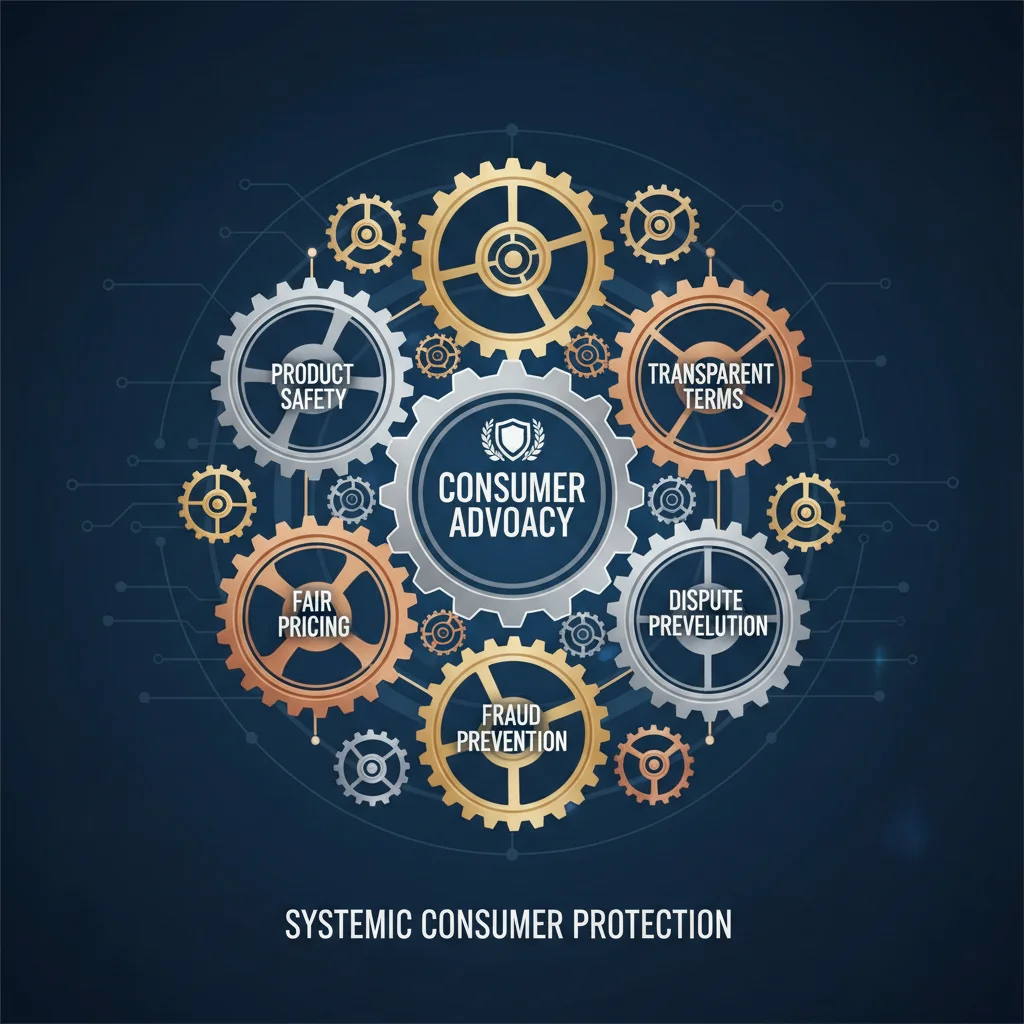
What exactly do Consumer Advocacy Groups do, and why are they so indispensable? At their core, these organizations are dedicated to protecting and enhancing the rights of consumers. This mission encompasses a broad range of activities, from direct assistance to policy lobbying and public education. Their work creates a more equitable marketplace, fostering trust and accountability.
Protecting Consumer Rights in a Dynamic Market
The concept of consumer rights emerged from the recognition that an inherent power imbalance exists between individual consumers and the businesses they interact with. Businesses often possess greater resources, information, and legal expertise. Consumer Advocacy Groups strive to level this playing field. They work to ensure that consumers have the right to safety, the right to be informed, the right to choose, and the right to be heard. In 2026, this also increasingly includes the right to privacy and the right to digital security.
Key Functions and Activities
The functions of Consumer Advocacy Groups are diverse and impactful:
Anúncios
- Education and Awareness: They inform the public about their rights, potential scams, product safety issues, and best practices for making informed purchasing decisions. This often includes publishing reports, creating educational materials, and hosting workshops.
- Policy Advocacy and Lobbying: A significant portion of their work involves influencing legislation and regulatory policies. They lobby lawmakers, testify before government committees, and help draft new laws that strengthen consumer protections.
- Complaint Resolution and Mediation: Many groups offer direct assistance to consumers who have disputes with businesses. This can range from providing advice on how to file a complaint to mediating between parties to reach a resolution.
- Investigations and Research: They conduct independent investigations into corporate practices, product safety, and market trends. This research often uncovers unethical behavior or dangerous products that would otherwise go unnoticed.
- Litigation Support: While not always directly involved in lawsuits, some groups provide legal guidance, connect consumers with legal aid, or even initiate class-action lawsuits on behalf of a large group of affected consumers.
- Product Testing and Ratings: Certain organizations conduct rigorous testing of products and services, providing unbiased reviews and ratings to help consumers make better choices.
The collective efforts of these groups create a powerful force for change, holding corporations accountable and ensuring that the marketplace serves the public good. Without their vigilance, consumers would be far more vulnerable to exploitation and harm.
Spotlight on Leading Consumer Advocacy Groups in 2026
As we look at 2026, several Consumer Advocacy Groups stand out for their sustained impact, innovative approaches, and unwavering commitment to consumer protection. While many excellent organizations exist, we’ll highlight three prominent examples that exemplify the breadth and depth of consumer advocacy today.
1. Consumers International: The Global Voice for Consumers
Mission and Scope: Consumers International (CI) is a unique and powerful federation of over 200 member organizations in more than 100 countries. Founded in 1960, CI serves as the only independent global voice for consumers. Its mission is to champion the rights of consumers everywhere and ensure they are treated safely, fairly, and honestly. In an increasingly globalized economy, CI’s role in addressing cross-border consumer issues, advocating for international standards, and empowering local consumer movements is paramount.
Key Areas of Focus in 2026:
- Digital Rights and Data Privacy: With the explosion of digital services and e-commerce, CI is at the forefront of advocating for stronger global data protection laws, combating online scams, and ensuring fair practices in the digital marketplace. They work to empower consumers to control their personal data and understand the implications of artificial intelligence and algorithmic decision-making.
- Sustainable Consumption: CI actively promotes sustainable consumption patterns, advocating for products and services that are environmentally friendly and ethically produced. They push for greater corporate transparency regarding supply chains and environmental impact.
- Food Systems and Health: Ensuring access to safe, healthy, and affordable food is a core priority. CI campaigns for better food labeling, reduced sugar and unhealthy ingredient content, and responsible marketing practices by food companies.
- Financial Services: They advocate for fair and transparent financial products, combating predatory lending, and ensuring consumer access to equitable financial services, especially in developing economies.
Impact and Achievements: Consumers International has been instrumental in shaping international policy on issues like product safety, food labeling, and financial consumer protection. Their global network allows for coordinated action and shared best practices, amplifying the voice of consumers on a worldwide stage. In 2026, their efforts to standardize digital consumer rights across different jurisdictions are proving particularly impactful, creating a safer online environment for billions of users.
2. Consumer Reports (U.S.): Independent Product Testing and Advocacy
Mission and Scope: Consumer Reports (CR) is perhaps one of the most recognizable names in consumer advocacy, particularly in the United States. Founded in 1936, CR is an independent, non-profit organization dedicated to creating a fair, just, and safe marketplace for all consumers. What sets CR apart is its rigorous, unbiased product testing and research. They purchase products anonymously off store shelves, test them in state-of-the-art labs, and publish their findings without accepting advertising, ensuring their recommendations are solely for the benefit of consumers.
Key Areas of Focus in 2026:
- Product Safety and Reliability: CR continues its extensive testing of everything from automobiles and appliances to electronics and food products. Their reports often lead to product recalls and improvements in manufacturing standards. In 2026, they are heavily focused on the safety and longevity of smart home devices and electric vehicles.
- Digital Privacy and Security: Beyond just product reviews, CR evaluates the privacy and security features of digital products and services, helping consumers understand the risks associated with their smart devices and online accounts. They advocate for stronger data protection laws and corporate accountability in handling personal information.
- Healthcare and Prescription Drugs: CR investigates healthcare costs, insurance practices, and the efficacy and safety of prescription drugs, providing vital information to help consumers navigate the complex healthcare system.
- Financial Fairness: They analyze financial products, from credit cards to banking services, to identify unfair fees, predatory practices, and provide guidance on managing personal finances responsibly.
Impact and Achievements: Consumer Reports’ influence is immense. Their product ratings are trusted by millions, guiding purchasing decisions and forcing manufacturers to improve quality and safety. Beyond testing, CR’s advocacy arm works tirelessly in Washington D.C. and state capitals to push for stronger consumer protection laws across various sectors. Their research often forms the basis for regulatory action and public awareness campaigns. In 2026, their detailed analyses of AI-powered consumer products are setting new benchmarks for transparency and ethical design.

3. Public Citizen (U.S.): Championing Public Interest and Corporate Accountability
Mission and Scope: Founded in 1971 by Ralph Nader, Public Citizen is a non-profit consumer advocacy organization based in the United States that champions the public interest in Congress, the courts, and through the media. Unlike organizations primarily focused on product testing, Public Citizen takes a broader approach, focusing on corporate accountability, governmental transparency, and democratic reforms. Their work spans a wide array of issues, all aimed at ensuring that government and corporations serve the interests of the people, not just powerful elites.
Key Areas of Focus in 2026:
- Corporate Accountability: Public Citizen rigorously investigates corporate misconduct across various industries, from pharmaceutical companies to financial institutions. They expose unethical practices, push for stricter regulations, and advocate for corporate charters that prioritize public welfare over pure profit.
- Financial Regulation: Following the lessons learned from past financial crises, Public Citizen continues to advocate for robust financial regulations to prevent predatory lending, speculative practices, and protect consumers from financial scams. They monitor the actions of the Federal Reserve, SEC, and other financial bodies.
- Health and Safety: This includes advocating for stricter drug and medical device approvals, fighting against harmful chemicals in consumer products, and promoting workplace safety standards. Their work often involves challenging powerful industry lobbies.
- Democracy and Government Reform: A foundational aspect of Public Citizen’s work is ensuring that the democratic process is fair and responsive to citizens. They advocate for campaign finance reform, lobbying transparency, and ethics in government, recognizing that a healthy democracy is essential for effective consumer protection.
- Climate and Environmental Justice: Public Citizen increasingly links consumer protection to environmental issues, advocating for policies that combat climate change, promote renewable energy, and protect communities from pollution, understanding that environmental degradation disproportionately harms vulnerable consumers.
Impact and Achievements: Public Citizen has a long history of significant policy wins, contributing to landmark legislation and exposing numerous instances of corporate and governmental malfeasance. Their aggressive advocacy, backed by thorough research, makes them a formidable force for change. In 2026, their ongoing campaigns against monopolistic practices in tech and healthcare are particularly impactful, aiming to restore competition and fairness to crucial markets.
The Evolving Landscape of Consumer Advocacy in 2026
The challenges facing consumers are constantly evolving, and so too must the strategies of Consumer Advocacy Groups. In 2026, several key trends are shaping the future of consumer protection.
The Digital Frontier: AI, Data and Cybersecurity
The rapid advancement of artificial intelligence (AI), the pervasive collection of personal data, and the ever-present threat of cyberattacks are defining issues for consumer advocates. Groups are increasingly focusing on:
- Algorithmic Bias: Ensuring that AI systems used in lending, employment, and other critical areas do not perpetuate or create new forms of discrimination.
- Data Governance: Pushing for stronger data privacy laws, clearer consent mechanisms, and greater transparency about how companies collect, use, and share consumer data.
- Cybersecurity Standards: Advocating for mandatory security standards for connected devices (IoT) and online services to protect consumers from breaches and identity theft.
Sustainability and Ethical Consumption
Consumers are increasingly concerned not just with what they buy, but how it’s made and its environmental and social impact. Consumer Advocacy Groups are responding by:
- Promoting Green Labeling: Advocating for clear, verifiable labeling that accurately reflects a product’s environmental footprint.
- Combating Greenwashing: Exposing companies that make misleading claims about their environmental practices.
- Supply Chain Transparency: Pushing for greater visibility into supply chains to ensure ethical labor practices and sustainable sourcing.
Financial Resilience and Equity
Economic uncertainties and growing wealth disparities highlight the importance of financial consumer protection. Advocacy efforts in this area include:
- Access to Fair Credit: Working to ensure all consumers have access to affordable and transparent credit options, free from predatory terms.
- Protection from Scams: Educating consumers about sophisticated financial scams, especially those targeting vulnerable populations.
- Equitable Banking Services: Advocating for policies that promote financial inclusion and prevent discriminatory practices in banking and lending.
How You Can Support Consumer Advocacy
The work of Consumer Advocacy Groups relies heavily on public support and engagement. There are several ways individuals can contribute to these crucial efforts:
Stay Informed
The first step is to be an informed consumer. Read reports from organizations like Consumer Reports, follow news from Public Citizen, and understand the issues Consumers International is championing. Knowledge is power, and an informed consumer is better equipped to make smart decisions and identify potential issues.
Report Issues and File Complaints
If you encounter a problem with a product or service, don’t stay silent. Report it to the relevant consumer advocacy group or government agency (e.g., the Federal Trade Commission in the U.S.). Your individual complaint, when combined with others, can highlight systemic issues and prompt investigations or policy changes.
Support Advocacy Organizations
Many Consumer Advocacy Groups are non-profits that rely on donations, memberships, and volunteer support. Consider becoming a member, making a donation, or volunteering your time. Financial contributions enable these groups to conduct research, fund legal challenges, and lobby policymakers effectively.
Engage with Policy Makers
Contact your elected officials to express your views on consumer protection issues. Support legislation that strengthens consumer rights and opposes measures that would weaken them. Your voice, combined with others, can influence the legislative process.
Share Your Experiences
Share your positive and negative consumer experiences with friends, family, and on social media. Honest reviews and warnings can help others make better choices and hold businesses accountable. Be a proactive participant in the consumer community.
The Future of Consumer Protection
Looking ahead, the importance of robust Consumer Advocacy Groups will only grow. As technology advances, markets become more globalized, and new business models emerge, consumers will face increasingly sophisticated challenges. These organizations will continue to be at the forefront, adapting their strategies to address emerging threats and championing new rights for consumers.
The interplay between technological innovation and consumer protection is particularly fascinating. While AI and big data offer immense potential benefits, they also introduce novel risks related to privacy, fairness, and algorithmic control. Advocacy groups are working to ensure that innovation serves humanity, rather than exploiting it, pushing for ethical design principles and regulatory frameworks that keep pace with technological change.
Furthermore, the emphasis on environmental, social, and governance (ESG) factors in corporate responsibility means that consumer advocates are increasingly intertwining their work with broader social justice and sustainability movements. This holistic approach recognizes that consumer well-being is deeply connected to a healthy planet, fair labor practices, and equitable economic systems.
In essence, Consumer Advocacy Groups are more than mere complaint departments; they are architects of a fairer, safer, and more transparent marketplace. They empower individuals, hold powerful entities accountable, and drive systemic change that benefits everyone. Their work ensures that the fundamental rights of consumers are not just abstract ideals but practical realities in their daily lives.
Conclusion: A Collective Effort for Consumer Empowerment
The existence and sustained efforts of strong Consumer Advocacy Groups are a testament to the ongoing need for vigilance and collective action in safeguarding consumer rights. In 2026, organizations like Consumers International, Consumer Reports, and Public Citizen continue to lead the charge, each with its unique approach but united by a common goal: to empower consumers and ensure a just marketplace.
From the global stage to national policy debates and individual product decisions, these groups provide the research, advocacy, and support necessary for consumers to navigate a complex world with confidence. Their work is a continuous battle against corporate overreach, deceptive practices, and unfair policies, and it is a battle that benefits every single one of us.
As consumers, our role extends beyond simply purchasing goods and services. By staying informed, reporting issues, and actively supporting these vital organizations, we contribute to a stronger, more equitable consumer landscape for today and for future generations. The power of the consumer, amplified by dedicated advocates, remains one of the most potent forces for positive change in the global economy. Let us continue to champion these groups and stand together for our rights.