Your Privacy in 2026: Updated Data Collection by Retailers

Anúncios
Your Privacy in 2026: A Deep Dive into Updated Data Collection Practices by Major Retailers
Welcome to 2026. The retail landscape has evolved dramatically, and with it, the methods by which major retailers gather, analyze, and utilize your personal data. What was once a nascent field of targeted advertising has blossomed into a sophisticated ecosystem of predictive analytics, hyper-personalization, and seamless, often invisible, data capture. Understanding these updated practices is no longer just a matter of curiosity; it’s a fundamental aspect of navigating the modern consumer world. This comprehensive guide will explore the intricate layers of Retailer Data Privacy in 2026, shedding light on what data is being collected, how it’s used, your rights, and crucially, how you can maintain a degree of control over your digital footprint.
Anúncios
The Evolution of Data Collection: Beyond the Transaction
In the past, data collection primarily revolved around your purchases: what you bought, when, and how much you spent. While transaction data remains a cornerstone, 2026 sees retailers employing a far more expansive and nuanced approach. They are no longer just interested in your past behavior; they want to predict your future needs, anticipate your desires, and even influence your decisions before you consciously make them. This shift is driven by advancements in artificial intelligence (AI), machine learning (ML), and the proliferation of interconnected devices.
What Data Are Retailers Collecting Now?
The scope of data collection has broadened considerably. Here’s a breakdown of the types of data major retailers are actively gathering in 2026:
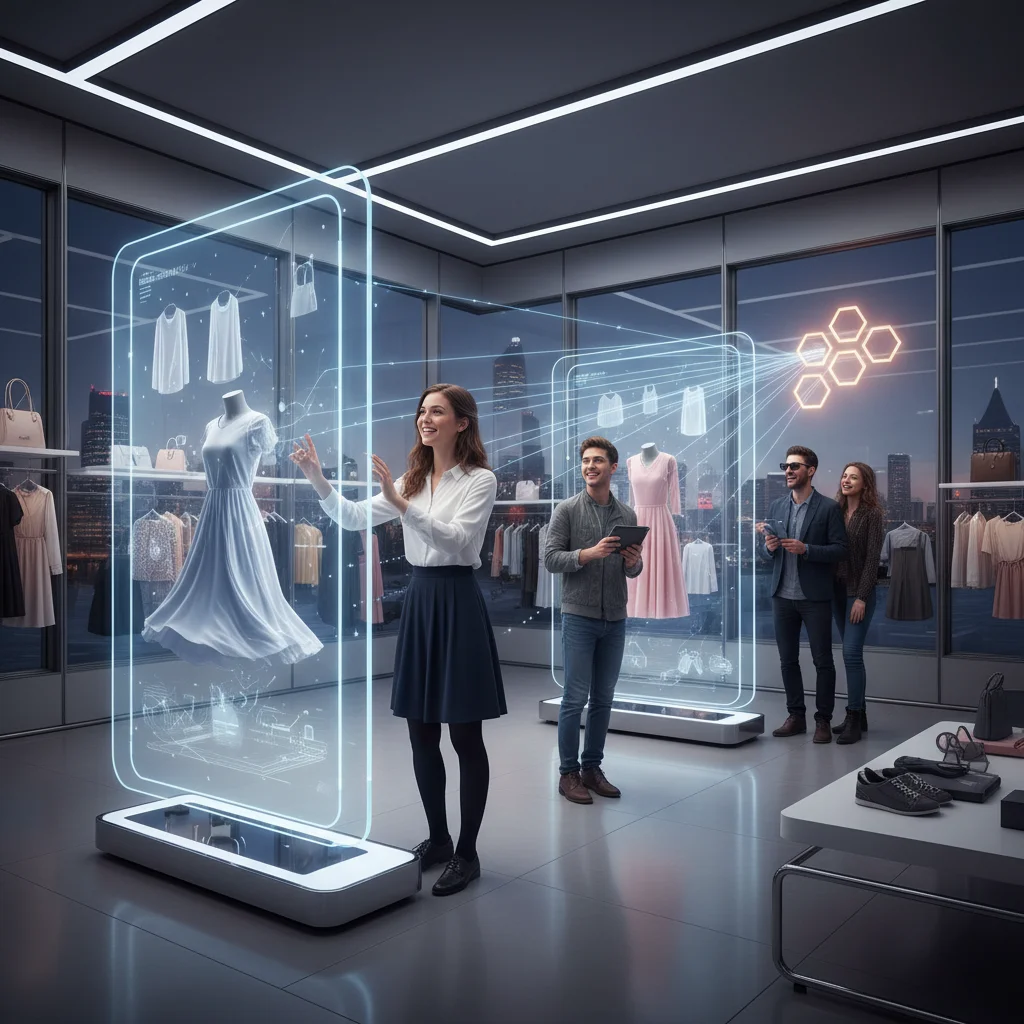
- Behavioral Data: Beyond website clicks, this includes in-store movement tracking via Wi-Fi and Bluetooth beacons, dwell time in specific aisles, interactions with smart mirrors or augmented reality (AR) displays, and even biometric data like facial expressions (anonymized, supposedly) to gauge interest in products. Online, it encompasses scroll depth, mouse movements, time spent on product pages, and abandoned carts.
- Preference Data: This is derived from explicit inputs (wish lists, preferences in loyalty programs) and implicit inferences (products you view, categories you browse, items you’ve added to a cart but not purchased, even your reaction to personalized ads). AI algorithms are highly adept at identifying patterns in your preferences.
- Location Data: GPS data from your mobile device (if permissions are granted), IP addresses, and even public Wi-Fi network connections can pinpoint your physical location, allowing retailers to understand your shopping habits across different stores, analyze foot traffic patterns, and offer location-specific promotions.
- Demographic Data: While often self-reported during sign-ups, this is increasingly inferred from public records, social media profiles (if linked), and aggregated data from third-party data brokers. This includes age, gender, income bracket, marital status, and household size.
- Social Data: If you connect your social media accounts to retailer platforms or engage with their content, retailers can access publicly available information, your likes, shares, comments, and even your network of friends, using this to build a more comprehensive profile.
- Biometric Data (Emerging): While highly regulated and often anonymized, some advanced retailers are experimenting with biometric data for convenience (e.g., facial recognition for faster checkout, fingerprint scans for loyalty programs) or for enhanced personalized recommendations (e.g., analyzing eye movements on digital displays). Strict consent and anonymization protocols are typically in place for such initiatives.
- Psychographic Data: This is perhaps the most advanced and intrusive. AI analyzes your behavior, preferences, and even language patterns to infer your personality traits, values, interests, and lifestyles. This allows for hyper-targeted marketing that appeals to your psychological predispositions.
The ‘Why’ Behind the Data: How Retailers Are Using Your Information
The primary motivation for this extensive data collection is to enhance the customer experience and, ultimately, drive sales. Here’s how retailers are leveraging your data in 2026:
Anúncios
Hyper-Personalized Shopping Experiences
Gone are the days of generic promotions. In 2026, retailers use your data to:
- Tailored Product Recommendations: Websites and apps display products you are most likely to buy, often before you even realize you need them. In-store digital signage can also adapt to recognized customers.
- Dynamic Pricing: Prices for certain items might subtly shift based on your browsing history, location, or even perceived willingness to pay.
- Personalized Marketing Campaigns: Emails, push notifications, and social media ads are crafted specifically for you, featuring products, offers, and messaging that resonate with your inferred interests and purchasing power.
- Optimized Store Layouts: Data on in-store movement helps retailers optimize product placement, aisle design, and even staffing levels to improve the physical shopping experience.
Predictive Analytics and Inventory Management
Retailers use your collective data, alongside broader market trends, to:
- Forecast Demand: Predict which products will be popular, when, and in which locations, minimizing waste and ensuring availability.
- Optimize Supply Chains: Streamline logistics, reduce shipping times, and ensure products reach you efficiently.
- Identify Emerging Trends: Spot new consumer interests and product categories before they become mainstream, allowing them to be first to market.
Enhanced Customer Service and Support
Your data also aids in providing more efficient and personalized support:
- Proactive Support: Identifying potential issues with products or services before you even report them.
- Faster Resolution: Customer service agents have immediate access to your purchase history and interactions, leading to quicker problem-solving.
- Personalized Communication: Engaging with you through your preferred channels and with relevant information.
Navigating the Legal Landscape: Your Rights in 2026
The increased sophistication of data collection has been met with a global push for stronger consumer privacy regulations. In 2026, several key frameworks continue to shape how retailers handle your data:
Key Privacy Regulations
- General Data Protection Regulation (GDPR) (EU/EEA): Remains a gold standard, emphasizing consent, data minimization, and strong consumer rights like the right to access, rectify, and erase data. Its extraterritorial reach means many global retailers adhere to its principles.
- California Consumer Privacy Act (CCPA) / California Privacy Rights Act (CPRA) (USA): Continues to evolve, granting Californians significant rights over their personal information, including the right to know what data is collected, to delete it, and to opt out of its sale or sharing.
- Other Regional Laws: Many countries and regions have implemented their own robust data protection laws (e.g., Brazil’s LGPD, Canada’s PIPEDA, various state-level laws in the US), often mirroring GDPR or CCPA principles.
- Industry-Specific Guidelines: Beyond governmental laws, industry bodies and ethical frameworks also influence how sensitive data is handled, particularly concerning biometrics and health-related information.
Your Evolving Consumer Rights
In 2026, your rights as a consumer are more robust than ever, though exercising them often requires proactivity:
- Right to Know: You have the right to know what personal data retailers collect about you, the sources of that data, the purposes for its collection, and who it’s shared with.
- Right to Access: You can request a copy of the personal data a retailer holds about you.
- Right to Rectification: You can request corrections to inaccurate or incomplete data.
- Right to Deletion (‘Right to be Forgotten’): In many cases, you can request that retailers delete your personal data. This is not absolute and may have exceptions, especially for transactional data required for legal or financial records.
- Right to Opt-Out: You have the right to opt-out of the sale or sharing of your personal data for targeted advertising or other commercial purposes. This often extends to opting out of specific types of processing.
- Right to Limit Use and Disclosure: For sensitive personal information (e.g., precise geolocation, health data), you often have the right to limit its use and disclosure to specific, necessary purposes.
- Right to Non-Discrimination: Retailers cannot treat you differently (e.g., deny goods or services, charge different prices) for exercising your privacy rights.
The Dark Side of Data: Risks and Concerns
While data collection offers benefits to both consumers and retailers, it also presents significant risks and ethical dilemmas:
Data Breaches and Security Risks
The more data retailers collect, the larger the target they become for cybercriminals. A data breach can expose sensitive personal and financial information, leading to identity theft, fraud, and significant emotional distress for consumers. Despite advanced security measures, no system is entirely impervious.
Privacy Erosion and Surveillance
The constant tracking and profiling can lead to a feeling of being constantly watched, eroding personal privacy. When retailers know so much about your habits, preferences, and even potential future needs, it blurs the line between helpful personalization and intrusive surveillance.
Algorithmic Bias and Discrimination
AI algorithms, if not carefully designed and monitored, can perpetuate or even amplify existing societal biases. This could lead to discriminatory practices, such as offering less favorable terms or denying access to certain products or services based on inferred demographics or psychographics.
Manipulation and Behavioral Nudging
With deep insights into your psychology and purchasing patterns, retailers can employ sophisticated techniques to ‘nudge’ you towards certain decisions, potentially exploiting vulnerabilities or creating artificial demand. This raises ethical questions about consumer autonomy.
Data Sharing and Third-Party Ecosystems
Your data rarely stays with a single retailer. It’s often shared with a complex network of marketing partners, analytics firms, and data brokers. Understanding who has access to your data and how they use it becomes incredibly challenging, making it difficult to exercise your rights effectively.
Empowering Yourself: Strategies for Protecting Your Retailer Data Privacy
While complete anonymity in the digital age is increasingly difficult, there’s a lot you can do to manage and protect your personal information.
Review Privacy Policies and Settings
This is your first line of defense. Take the time to:
- Read Privacy Policies: Understand what data a retailer collects, why, and with whom they share it. Look for clear, concise language rather than legalese.
- Adjust Privacy Settings: Most apps and websites have dedicated privacy dashboards. Customize your preferences regarding data collection, personalized ads, and data sharing. Opt-out of as much as you’re comfortable with.
- Manage Cookie Preferences: Utilize browser settings and website cookie banners to reject non-essential cookies.
Smart Online Shopping Practices
- Use Strong, Unique Passwords: A password manager can help you create and store complex passwords for each account.
- Enable Two-Factor Authentication (2FA): This adds an extra layer of security to your accounts.
- Be Mindful of Permissions: When installing apps or visiting websites, review the permissions requested. Does a shopping app truly need access to your microphone or contacts?
- Limit Social Media Connections: Avoid linking your social media profiles to retail accounts unless absolutely necessary.
- Consider Virtual Credit Cards: Some banks offer virtual card numbers for online purchases, adding a layer of protection against fraud.
In-Store Data Management
- Disable Wi-Fi/Bluetooth: When not actively using them, turn off Wi-Fi and Bluetooth on your mobile device to prevent passive tracking by in-store beacons.
- Decline Loyalty Programs (Strategically): While loyalty programs offer discounts, they are also primary data collection tools. Weigh the benefits against the privacy cost. If you join, ensure you understand and manage your data preferences within the program.
- Pay with Cash: For truly anonymous transactions, cash remains king.
Leveraging Privacy Tools and Technologies
- Privacy-Focused Browsers: Browsers like Brave or Firefox (with enhanced tracking protection) offer built-in features to block trackers and ads.
- VPNs (Virtual Private Networks): A VPN encrypts your internet connection and masks your IP address, making it harder for retailers to track your online activity across different sites.
- Ad Blockers: While not a complete privacy solution, ad blockers can prevent many third-party trackers from loading.
- Email Aliases: Use services that provide disposable or alias email addresses to sign up for newsletters or accounts, protecting your primary inbox from spam and tracking.
Exercising Your Data Rights
Don’t just know your rights; use them!
- Submit Data Subject Access Requests (DSARs): Periodically request access to the data retailers hold about you. This helps you understand your data footprint and identify inaccuracies.
- Request Deletion: If you no longer use a service or want your data removed, submit a deletion request.
- Opt-Out of Data Sales: Look for ‘Do Not Sell My Personal Information’ links on websites, especially if you’re in a region covered by CCPA/CPRA.
- Contact Customer Support: If you have difficulty finding privacy settings or exercising your rights, reach out to the retailer’s customer support or privacy officer.

The Future of Retailer Data Privacy
Looking ahead, the landscape of Retailer Data Privacy will continue to evolve rapidly. We can anticipate several key trends:
Increased Regulatory Scrutiny
Governments worldwide are likely to introduce even stricter data protection laws, potentially expanding the scope of consumer rights and imposing heavier penalties for non-compliance. The focus will shift towards greater transparency and accountability from corporations.
Privacy-Enhancing Technologies (PETs)
The development and adoption of PETs, such as homomorphic encryption (allowing data to be processed while encrypted) and federated learning (training AI models on decentralized data without centralizing it), will become more common. These technologies aim to allow data utility without compromising individual privacy.
Ethical AI and Data Governance
There will be a growing emphasis on ethical AI frameworks and robust data governance policies within retail organizations. This includes ensuring algorithms are free from bias, data is collected with clear consent, and its use aligns with societal values.
Consumer Demand for Transparency
As consumers become more aware of their data rights and the implications of data collection, they will increasingly demand greater transparency from retailers about their practices. Retailers who prioritize and clearly communicate their commitment to privacy will gain a competitive advantage.
Decentralized Identity and Data Ownership
Emerging technologies like blockchain could pave the way for decentralized identity solutions, giving individuals more direct control over their digital identities and how their data is shared and used across various platforms. This could fundamentally shift the power dynamic from corporations to individuals.
Conclusion
In 2026, the relationship between consumers and retailers is fundamentally shaped by data. While the sophistication of data collection practices by major retailers can seem overwhelming, it’s crucial to remember that you are not powerless. By understanding the types of data being collected, the reasons behind it, and your legal rights, you can make informed decisions and take proactive steps to protect your Retailer Data Privacy. Engage with privacy settings, be discerning about the information you share, and leverage available tools and technologies. The future of privacy is a shared responsibility, and by staying informed and advocating for your rights, you contribute to a more secure and respectful digital retail environment for everyone.