Scam Watch 2026: Identifying and Avoiding the Top 5 Consumer Scams Circulating in Early 2026
In an increasingly interconnected world, the digital landscape, while offering unparalleled convenience, also presents a fertile ground for malicious actors. As we step into early 2026, scammers are evolving their tactics, becoming more sophisticated and cunning in their attempts to defraud unsuspecting individuals. Understanding these threats is the first and most critical step in protecting yourself and your loved ones. This comprehensive guide serves as your essential ‘Scam Watch’ bulletin, detailing the top 5 consumer scams 2026 that are currently circulating, offering insights into how they operate, and, most importantly, equipping you with the knowledge to identify and avoid them.
The financial and emotional toll of falling victim to a scam can be devastating. From identity theft to significant financial losses, the consequences are far-reaching. Therefore, staying informed about the latest scam trends and adopting proactive protective measures is not just advisable; it’s imperative. Our focus here is on empowering you with practical, actionable advice to navigate the complex world of online and offline interactions safely. Let’s delve into the specifics of the most prevalent consumer scams 2026 and fortify your defenses.
Anúncios
The Ever-Evolving Landscape of Consumer Scams
Scammers are relentless innovators. They constantly adapt their methods, exploiting new technologies, current events, and human psychology to create convincing narratives. The rise of AI-powered tools, deepfake technology, and increasingly sophisticated social engineering techniques means that distinguishing genuine communications from fraudulent ones is becoming more challenging than ever. This section provides an overview of the general trends observed in consumer scams 2026, setting the stage for a deeper dive into specific threats.
One notable trend is the increased personalization of scam attempts. Scammers leverage publicly available information, often gleaned from social media, to tailor their approaches, making their messages appear more legitimate and believable. Another significant development is the cross-platform nature of scams, where initial contact might be made via email, followed by a text message, and culminating in a phone call, all designed to build trust and pressure the victim into action. Understanding these overarching strategies is crucial for comprehensive scam prevention.
Anúncios
Scam 1: Advanced Phishing and Smishing Attacks
What are They?
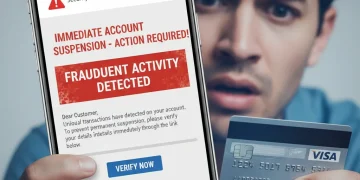
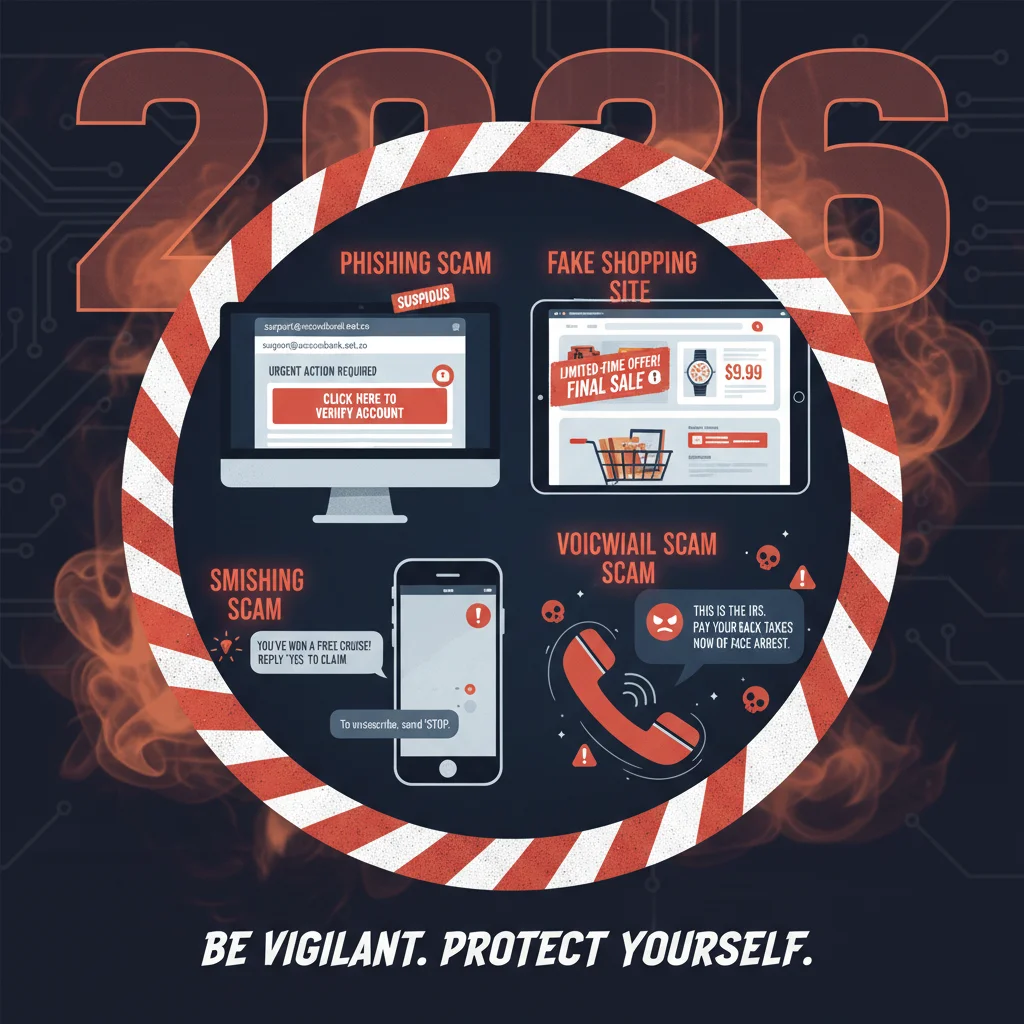
Phishing (email-based) and Smishing (SMS-based) are not new, but their sophistication has reached unprecedented levels in early 2026. These scams involve fraudsters attempting to trick individuals into revealing sensitive information, such as usernames, passwords, credit card details, or bank account numbers, by masquerading as a trustworthy entity. This could be a bank, a government agency, a well-known company, or even a supposed friend or colleague.
How They Operate in 2026:
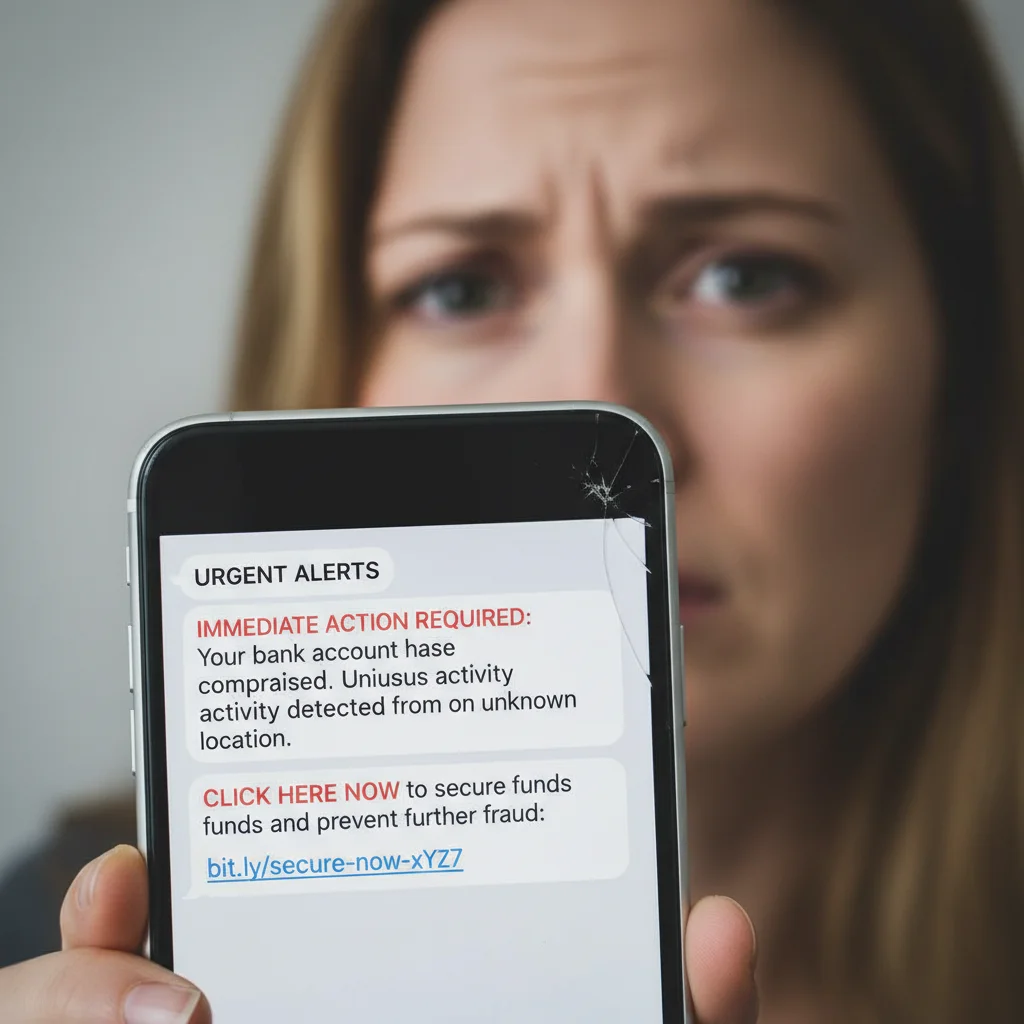
In 2026, these attacks are characterized by highly convincing fake websites that perfectly mimic legitimate ones, complete with secure-looking URLs (though often with subtle misspellings or different domains). The emails and texts themselves are grammatically flawless, often include personalized details (e.g., your name, recent purchase history), and create a sense of urgency or fear. Examples include fake security alerts, overdue invoice notifications, package delivery issues, or even enticing offers that seem too good to be true.
Deepfake technology is also starting to play a role, with some advanced phishing attempts using AI-generated voice messages or even video calls to impersonate authority figures or company representatives, adding a layer of perceived authenticity to the scam. This makes it incredibly difficult for the average user to discern the authenticity of the contact.
How to Identify and Avoid:
- Verify the Sender: Always check the sender’s email address or phone number. Look for inconsistencies, misspellings, or unusual domains. Even if it looks legitimate, be wary if the content is unexpected.
- Hover Before Clicking: On emails, hover your mouse over any links to see the actual URL before clicking. If it doesn’t match the expected website, do not click. For texts, avoid clicking links altogether if unsure.
- Never Provide Information Directly: Legitimate organizations will rarely ask for sensitive personal or financial information via email or text message. If in doubt, contact the organization directly using a verified phone number or website (not one provided in the suspicious message).
- Use Strong, Unique Passwords and Multi-Factor Authentication (MFA): Even if credentials are stolen, MFA can prevent unauthorized access.
- Be Wary of Urgency and Threats: Scammers often use high-pressure tactics. Take a moment to think critically before reacting.
Scam 2: AI-Powered Impersonation Scams (Voice and Video Deepfakes)
What are They?
Perhaps one of the most alarming and rapidly growing consumer scams 2026 is the use of AI to impersonate individuals, often family members, friends, or even high-level executives. Scammers use sophisticated AI voice cloning and deepfake video technology to mimic voices and appearances, making their requests incredibly convincing.
How They Operate in 2026:
These scams often begin with a frantic call or video message from a supposed loved one in distress, claiming to be in an emergency situation (e.g., arrested, stranded, injured) and urgently needing money. The AI-generated voice or video can be eerily accurate, making it incredibly difficult for victims to realize it’s a fraud. In corporate settings, deepfake technology is used to impersonate CEOs or other executives, ordering employees to make urgent wire transfers or share sensitive company data.
The AI models are trained on publicly available audio and video snippets, often from social media, making individuals who share a lot of personal content particularly vulnerable. The emotional manipulation in these scams is potent, preying on people’s natural inclination to help those they care about.
How to Identify and Avoid:
- Establish a Verification Code Word: With close family and friends, agree on a secret code word or phrase that can be used to verify identity during unexpected or urgent requests.
- Ask Personal Questions: If you receive a suspicious call or video from a loved one asking for money, ask a specific personal question that only they would know the answer to, and which isn’t easily found online.
- Verify Through Another Channel: If possible, try to contact the person directly on their known phone number or through another family member to verify the situation.
- Be Skeptical of Urgency: Any request for immediate financial action, especially involving unusual payment methods (e.g., gift cards, cryptocurrency, wire transfers), should raise a red flag.
- Limit Public Information: Be mindful of the audio and video content you share publicly online, as this can be used to train AI models.
Scam 3: Cryptocurrency and Investment Fraud
What are They?
The allure of quick riches in the volatile world of cryptocurrency and high-return investments continues to be a powerful hook for scammers. These consumer scams 2026 promise astronomical returns with little to no risk, often leading victims to invest in non-existent schemes or fraudulent platforms.
How They Operate in 2026:
Scammers create highly professional-looking websites, apps, and social media profiles that mimic legitimate investment firms or cryptocurrency exchanges. They often use compelling marketing materials, fake testimonials, and even fabricated news articles to build credibility. Victims are typically lured through social media ads, dating apps (‘pig butchering’ scams), or unsolicited emails/messages from seemingly knowledgeable ‘financial advisors.’
Initially, victims might see small, fabricated returns, encouraging them to invest more. Once a significant amount is invested, the scammers disappear, or the victim finds they cannot withdraw their funds. Some scams involve convincing victims to download fake trading software that shows impressive (but fictional) gains, further cementing the illusion of a legitimate investment. The anonymity of cryptocurrency transactions often makes these funds irrecoverable.
How to Identify and Avoid:
- If It Sounds Too Good to Be True, It Probably Is: Legitimate investments carry risk, and guaranteed high returns are a major red flag.
- Research Thoroughly: Before investing, conduct extensive independent research on the company, platform, and individuals involved. Check for regulatory registrations and reviews from multiple sources.
- Be Wary of Unsolicited Advice: Never take investment advice from strangers met online, especially on dating apps or social media.
- Understand the Technology: If you’re investing in cryptocurrency, ensure you understand how it works and the risks involved. Don’t invest in something you don’t fully comprehend.
- Seek Professional Financial Advice: Consult with a reputable financial advisor before making significant investment decisions.
- Check for Regulatory Compliance: Verify if the investment platform or advisor is registered with relevant financial authorities in your region.
Scam 4: Tech Support and Remote Access Scams
What are They?
These scams involve fraudsters posing as technical support representatives from well-known companies (e.g., Microsoft, Apple, your internet provider) or even government agencies. Their goal is to gain remote access to your computer or device, install malicious software, or convince you to pay for unnecessary ‘fixes’ or services.
How They Operate in 2026:
In early 2026, tech support scams are increasingly sophisticated. They often start with pop-up messages on browsers claiming your computer is infected with a virus, or an unsolicited phone call. Some even use search engine optimization (SEO) to place fake tech support numbers high in search results. Once they have your attention, they’ll use technical jargon to confuse you, demonstrate ‘problems’ that don’t exist, and pressure you into granting them remote access to your device. Once connected, they can install malware, steal personal data, or even lock you out of your own system.
A new variant involves scammers calling victims, claiming to be from a legitimate service (like a bank or utility company) and stating they need to ‘fix’ a problem with your account, requiring you to download a specific remote access app. This provides them direct access to your financial information or personal data on your device.
How to Identify and Avoid:
- Legitimate Companies Don’t Cold Call for Tech Support: Reputable tech companies will not call you out of the blue to inform you of a problem with your computer.
- Never Grant Remote Access to Strangers: Only grant remote access to your computer to trusted individuals or official support channels you have initiated.
- Be Skeptical of Pop-Up Warnings: Browser pop-ups claiming your computer is infected are almost always scams. Close them immediately, often by using Task Manager (Ctrl+Shift+Esc on Windows) if they are persistent.
- Use Official Channels: If you suspect a technical issue, contact the company directly using the official phone number from their website (not from a pop-up or caller ID).
- Regularly Update Antivirus Software: Keep your security software up-to-date to detect and block malicious programs.
- Educate Yourself: Understand that error messages from your operating system or browser usually don’t include phone numbers to call.
Scam 5: Romance Scams and Catfishing
What are They?
Romance scams, also known as catfishing, involve fraudsters creating fake online identities to establish romantic relationships with victims, with the ultimate goal of extorting money or obtaining personal information. These scams prey on emotional vulnerability and loneliness.
How They Operate in 2026:
While an old scam, the methods used in 2026 are increasingly sophisticated. Scammers use highly convincing fake profiles on dating apps, social media, and online forums, often stealing photos and personal details from unwitting individuals. They invest significant time and effort into building a relationship, showering victims with affection and attention, often over weeks or months, before introducing a ‘crisis’ that requires financial assistance. These crises can range from medical emergencies, business failures, travel problems, or even needing money to visit the victim.
With the advent of AI, some scammers are employing AI-generated conversational agents to maintain consistent communication, making the ‘person’ seem always available and deeply interested. Deepfake video technology is also being used to create brief, convincing video calls to solidify the fake identity before the inevitable request for money. The emotional manipulation is profound, making it incredibly difficult for victims to break free.
How to Identify and Avoid:
- Be Wary of Rapid Declarations of Love: Scammers often express strong feelings very quickly, sometimes within days or weeks of initial contact.
- Never Send Money to Someone You Haven’t Met: This is the golden rule. If an online love interest asks for money, it’s almost certainly a scam.
- Verify Their Identity: Do a reverse image search of their profile pictures. If the images appear elsewhere with different names or contexts, it’s a red flag. Be suspicious if they consistently avoid video calls or in-person meetings.
- Be Skeptical of Sob Stories: Scammers create elaborate tales of woe to elicit sympathy and financial aid.
- Protect Your Personal Information: Be cautious about sharing too much personal or financial information early in a relationship.
- Trust Your Gut: If something feels off or too good to be true, it probably is.

General Best Practices for Scam Prevention in 2026
Beyond understanding specific consumer scams 2026, adopting a few general habits can significantly bolster your defenses against a wide array of fraudulent activities. These practices are fundamental to maintaining digital and financial security in the modern era.
- Stay Informed: Regularly check official consumer protection websites (e.g., FTC, consumer protection agencies in your country) for the latest scam alerts. Knowledge is your best weapon.
- Practice Skepticism: Approach unsolicited communications, especially those demanding urgent action or offering extraordinary gains, with a healthy dose of skepticism. If it triggers strong emotions (fear, excitement), pause and evaluate.
- Secure Your Accounts: Use strong, unique passwords for all your online accounts. Enable multi-factor authentication (MFA) wherever possible. This adds an extra layer of security, making it much harder for scammers to access your accounts even if they have your password.
- Regularly Monitor Financial Statements: Review your bank and credit card statements regularly for any unauthorized transactions. Report suspicious activity immediately to your financial institution.
- Protect Your Personal Information: Be judicious about what you share online, particularly on social media. Scammers use this information to personalize their attacks.
- Use Reputable Security Software: Ensure your computers and mobile devices are protected by up-to-date antivirus and anti-malware software.
- Backup Your Data: Regularly back up important files to an external drive or cloud service. This can be a lifesaver if your device is compromised by ransomware or other malicious software.
- Educate Others: Share your knowledge about scams with friends and family, especially elderly relatives who may be particularly vulnerable.
- Report Scams: If you encounter a scam, report it to the relevant authorities (e.g., local police, FTC, FBI’s Internet Crime Complaint Center – IC3). Reporting helps authorities track trends and protect others.
The Role of Technology in Fighting Scams
While technology fuels the evolution of consumer scams 2026, it also provides powerful tools for combating them. Artificial intelligence and machine learning are increasingly being deployed by financial institutions and cybersecurity firms to detect fraudulent patterns, identify suspicious transactions, and block malicious content before it reaches users. Email providers are enhancing their spam filters, and social media platforms are working to identify and remove fake accounts and scam advertisements.
However, these technological defenses are only part of the solution. The human element remains crucial. Our vigilance, critical thinking, and adherence to security best practices are the ultimate deterrents against the sophisticated tactics employed by today’s scammers. Remember, a moment of caution can save you from a lifetime of regret.
Conclusion: Empowering Yourself Against Consumer Scams 2026
The landscape of consumer scams 2026 is dynamic and challenging, but it is not insurmountable. By understanding the common threads that run through these fraudulent schemes – the manipulation of trust, urgency, and the promise of quick gains – you can build a robust defense. The top 5 scams discussed here – advanced phishing/smishing, AI-powered impersonation, crypto/investment fraud, tech support scams, and romance scams – represent the most significant threats as we navigate early 2026.
Your ability to identify the red flags, verify suspicious requests, and secure your personal and financial information are your strongest assets. Stay informed, remain skeptical, and always err on the side of caution. By doing so, you not only protect yourself but also contribute to a safer online and offline community. Let’s make 2026 a year where consumers are empowered, vigilant, and resilient against the persistent threat of scams.