
Your 2026 Guide to Disputing Unfair Billing Practices: Key Strategies for Resolution
In an increasingly digital and interconnected world, navigating personal and business finances can be complex. While technology often simplifies transactions, it can also lead to new forms of billing errors or even outright unfair practices. The year 2026 brings with it new challenges and updated consumer protection landscapes, making it more crucial than ever to understand how to effectively dispute unfair billing. Whether it’s an erroneous charge from a utility company, an unexpected fee from a service provider, or an inexplicable entry on your credit card statement, knowing your rights and the steps to take is paramount to protecting your financial well-being.
This comprehensive guide is designed to equip you with the knowledge and practical strategies needed to confidently and successfully dispute unfair billing practices in 2026. We’ll delve into identifying common billing discrepancies, the importance of meticulous documentation, effective communication techniques, and leveraging consumer protection agencies. Our goal is to empower you to resolve these issues efficiently, minimize financial stress, and ensure you’re only paying for services and products you legitimately owe.
Anúncios
Understanding Unfair Billing: What Constitutes a Discrepancy?
Before you can effectively dispute unfair billing, you first need to understand what constitutes an unfair or incorrect charge. Not every charge you don’t immediately recognize is necessarily unfair; sometimes it’s a forgotten subscription or a delayed payment. However, many instances are genuine errors or deceptive practices. Here’s a breakdown of common scenarios:
- Clerical Errors: Simple mistakes like incorrect data entry, misapplied payments, or duplicate charges. These are often the easiest to resolve.
- Service Issues: Being charged for services you didn’t receive, services that were inadequate or faulty, or services that were canceled but still billed.
- Contractual Discrepancies: Charges that violate the terms of a service agreement or contract, such as unexpected price increases, hidden fees, or charges for features you opted out of.
- Unauthorized Charges: Charges made without your explicit permission, often linked to fraudulent activity, subscription traps, or ‘cramming’ (adding unauthorized charges to a bill).
- Promotional Offer Failures: Being billed at a regular rate after a promotional period, even if you canceled or were promised an extension.
- Metering or Usage Errors: Incorrect readings from utility meters, or miscalculations of data usage for internet and mobile services.
- Identity Theft/Fraud: Charges resulting from someone else using your account or identity without your consent.
It’s vital to differentiate between an actual unfair charge and a misunderstanding. Always review your statements carefully and cross-reference them with your records. This initial diligence is the first, crucial step in preparing to dispute unfair billing.
Anúncios
Step-by-Step Guide to Disputing Unfair Billing in 2026
Successfully resolving a billing dispute requires a systematic approach. Follow these steps to maximize your chances of a favorable outcome when you dispute unfair billing:
Step 1: Review and Gather Evidence
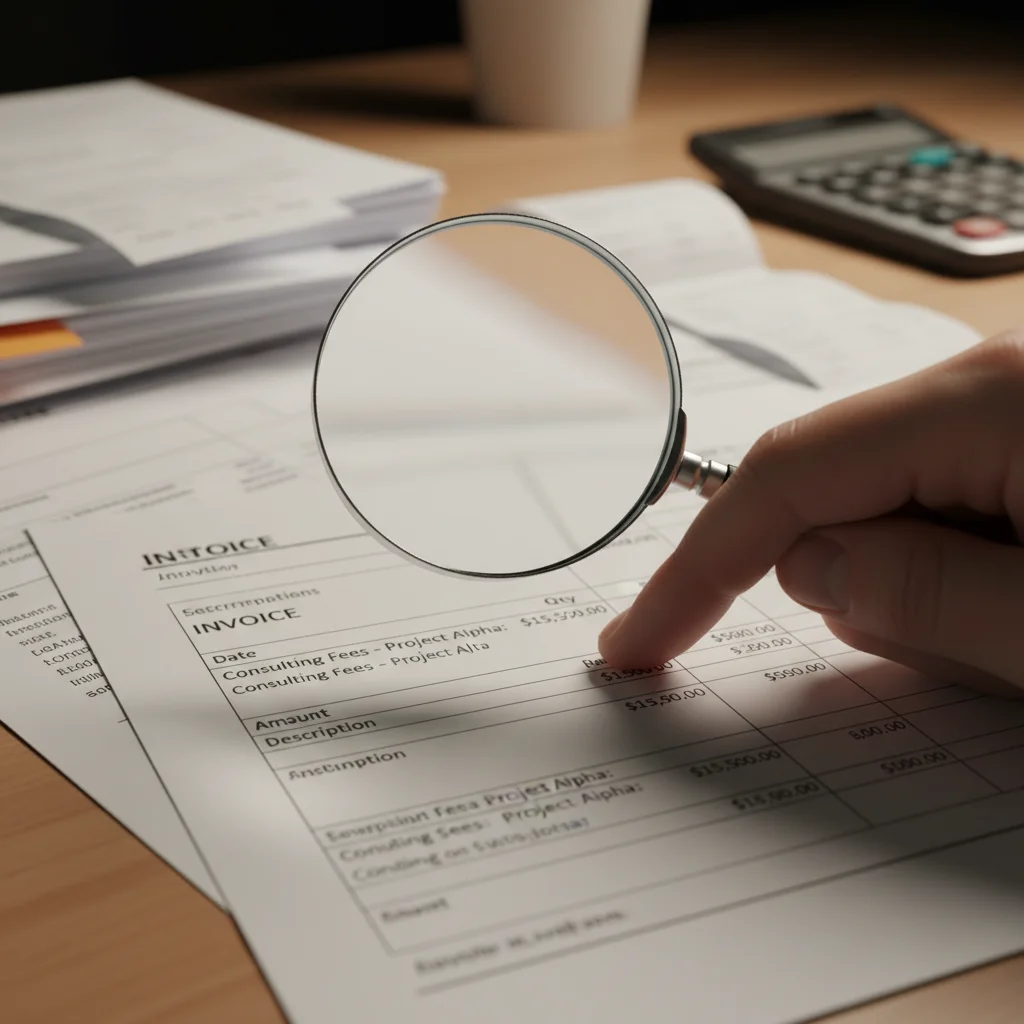
The foundation of any successful dispute is strong evidence. As soon as you identify a suspicious charge, begin collecting all relevant documentation.
- Highlight the Discrepancy: Clearly mark the specific charge(s) on your bill that you are disputing.
- Collect All Bills: Gather past bills, especially those from the period leading up to the disputed charge. This can help establish a pattern or show when a change occurred.
- Contracts and Agreements: Locate any service agreements, contracts, terms and conditions, or promotional offers related to the service. These documents are crucial for proving a breach of contract or unauthorized changes.
- Correspondence: Keep records of all communications (emails, letters, chat transcripts) with the company regarding the service. This includes initial sign-up, service changes, and previous complaints.
- Personal Records: Maintain a log of services received, dates, times, and any issues encountered. If it’s a utility bill, note your meter readings. For services, keep track of usage.
- Payment Records: Bank statements, credit card statements, and payment confirmations can prove when and how much you’ve paid, helping to identify duplicate charges or misapplied payments.
- Photos/Videos: If the dispute relates to a physical service (e.g., installation, repair), photos or videos of the work (or lack thereof) can be powerful evidence.
Organization is key here. Create a dedicated folder, either physical or digital, for all documents related to your attempt to dispute unfair billing. This will streamline the process and allow you to quickly access information when needed.
Step 2: Initiate Contact with the Biller
Once you have your evidence, the next step is to contact the company directly. Start with the most direct and often most effective method:
a. Phone Call:
- Be Prepared: Have all your documentation in front of you.
- Be Clear and Concise: Explain the specific charge you are disputing and why. Refer to your evidence.
- Stay Calm and Polite: While frustrating, maintaining a respectful tone often leads to better outcomes.
- Take Detailed Notes: Record the date, time, name of the representative, their employee ID (if available), a summary of the conversation, and any agreed-upon next steps or reference numbers. This is critical for your records if further action is needed to dispute unfair billing.
- Ask for a Reference Number: Always request a case or reference number for your inquiry.
b. Written Communication (Email or Letter):
Following up a phone call with written communication, or starting with it for complex issues, provides a clear paper trail.
- Formal and Factual: Clearly state your account number, the disputed charge(s), the amount, and the reasons for your dispute.
- Attach Evidence: Include copies (not originals) of all supporting documents.
- State Your Desired Resolution: Clearly articulate what you want the company to do (e.g., remove the charge, issue a credit, provide a refund).
- Set a Deadline: Politely request a response within a reasonable timeframe (e.g., 10-15 business days).
- Send Certified Mail (for letters): If sending a physical letter, use certified mail with a return receipt requested. This provides proof of delivery.
Many companies have specific departments or procedures for billing disputes. Look for information on their website or your bill about how to dispute unfair billing charges.
Step 3: Escalate If Necessary
If your initial contact doesn’t resolve the issue, don’t give up. It’s time to escalate your complaint.
- Speak to a Supervisor: If the first representative can’t help, politely ask to speak to a supervisor or manager. Refer to your notes from previous conversations.
- Formal Complaint Department: Some larger companies have a dedicated formal complaint or executive customer service department. Seek these out.
- Ombudsman or Internal Review: In regulated industries (like banking or utilities), there might be an internal ombudsman or review board.
Remember to reiterate your case, provide your evidence, and remind them of previous attempts to resolve the issue. Persistence, combined with clear documentation, is your strongest asset when you dispute unfair billing.
Leveraging External Resources: When Companies Don’t Cooperate
If direct communication and escalation fail to resolve your dispute, it’s time to turn to external resources. These bodies can provide mediation, investigation, or legal recourse.
1. Credit Card Company Dispute Process (Chargeback)
If the unfair charge is on your credit card, your credit card issuer is a powerful ally. Under the Fair Credit Billing Act (FCBA) in the U.S., you have specific rights to dispute unfair billing errors. This usually involves initiating a ‘chargeback’.
- Notification: You must notify your credit card company in writing within 60 days of the statement date on which the error first appeared.
- Provide Details: Clearly explain the error and provide your supporting documentation.
- Investigation: The credit card company will investigate the claim, which may include contacting the merchant. During the investigation, you are not required to pay the disputed amount (though you must pay the rest of your bill).
- Resolution: The credit card company will inform you of their decision. If they rule in your favor, the charge will be permanently removed.
This process is highly effective for many types of billing disputes, especially unauthorized charges or services not rendered. Be aware that debit card disputes often have fewer protections than credit card disputes, though you should still attempt to dispute them through your bank.
2. Consumer Protection Agencies
Several governmental and non-governmental organizations exist to protect consumers and can assist when you dispute unfair billing.
- Better Business Bureau (BBB): While not a government agency, the BBB mediates disputes between consumers and businesses. Filing a complaint can often prompt a company to respond and resolve the issue to maintain their rating.
- Federal Trade Commission (FTC): The FTC collects complaints about deceptive or unfair business practices. While they don’t typically resolve individual disputes, your complaint helps them identify patterns of misconduct and take enforcement action against companies.
- Consumer Financial Protection Bureau (CFPB): For financial products and services (banks, credit cards, mortgages, etc.), the CFPB accepts complaints and works to get a response from the company. They also publish anonymized complaints, which can put pressure on companies to resolve issues.
- State Attorney General’s Office: Your state’s Attorney General’s office often has a consumer protection division that can investigate complaints against businesses operating within the state.
- Industry-Specific Regulators: For utilities (electricity, gas, water), telecommunications (phone, internet), or insurance, there are often state or federal regulatory bodies (e.g., Public Utilities Commission, Federal Communications Commission) that oversee these industries and handle consumer complaints.
When filing a complaint with any of these agencies, provide all your documentation and a clear, concise narrative of your attempts to resolve the issue directly with the company. This shows you’ve exhausted other avenues.
3. Small Claims Court
If all else fails and the disputed amount is significant, small claims court might be an option. This is designed for individuals to resolve disputes without needing a lawyer, though legal advice is always recommended.
- Jurisdiction: Ensure the amount you are disputing falls within the small claims limit for your state or jurisdiction.
- Preparation: You will need to present all your evidence clearly and concisely to a judge.
- Cost: There are filing fees, but they are generally low.
Small claims court should be considered a last resort, as it can be time-consuming, but it can be effective when you need to dispute unfair billing and other methods have failed.

Preventative Measures: Avoiding Future Unfair Billing
An ounce of prevention is worth a pound of cure. While you now know how to dispute unfair billing, it’s even better to avoid it in the first place. Here are some proactive steps:
- Read the Fine Print: Always review contracts, terms of service, and privacy policies carefully before agreeing to anything. Pay close attention to automatic renewals, cancellation policies, and potential fees.
- Monitor Your Statements Regularly: Make it a habit to review all your bank, credit card, and utility statements as soon as they arrive. Don’t wait until the due date.
- Keep Meticulous Records: Store all receipts, contracts, and correspondence related to your accounts. Digital copies are great for easy access and backup.
- Understand Promotional Offers: Be clear about the terms of any promotional deals, including when they end and what the regular rate will be afterward. Set reminders to cancel or renegotiate before promotions expire.
- Be Wary of Auto-Renewals: Many services auto-renew. Keep track of these and cancel them if you no longer need the service before you are billed again.
- Use Strong Passwords and Two-Factor Authentication: Protect your accounts from unauthorized access that could lead to fraudulent charges.
- Check Your Credit Report: Periodically review your credit report for any unfamiliar accounts or inquiries that could indicate identity theft.
- Communicate Clearly: When making changes to services, always get confirmation in writing.
Specific Scenarios for Disputing Unfair Billing in 2026
While the general steps apply broadly, some industries have specific nuances when you need to dispute unfair billing.
Utility Bills (Electricity, Gas, Water)
Often involve meter readings. If you suspect an error:
- Take photos of your meter readings on the same day the bill is issued.
- Compare current usage to historical usage. Significant spikes without explanation warrant investigation.
- Contact your utility provider’s billing department and potentially your state’s Public Utilities Commission (PUC) if unresolved.
Telecommunications (Internet, Phone, Cable)
Common issues include unexpected data overage charges, charges for equipment not returned, or services you didn’t order.
- Review your contract for data caps, equipment return instructions, and service bundles.
- Keep records of all service changes or cancellations.
- The Federal Communications Commission (FCC) can be a resource for unresolved complaints.
Healthcare Bills
These are notoriously complex. Errors can arise from coding mistakes, duplicate billing, or services not covered by insurance.
- Obtain an Itemized Bill: Always ask for a detailed, itemized bill from the provider.
- Cross-Reference with Explanation of Benefits (EOB): Compare the provider’s bill with your insurance company’s EOB to identify discrepancies in coverage or charges.
- Contact Provider and Insurer: You may need to dispute with both parties.
- State Department of Insurance: For insurance-related billing issues, your state’s Department of Insurance can be helpful.
Subscription Services
Often involve forgotten free trials turning into paid subscriptions or difficulty canceling.
- Track all your subscriptions and their renewal dates.
- Use virtual credit card numbers with spending limits for trials if available.
- If a company makes cancellation difficult, document every attempt (screenshots, call logs).
The Importance of Timeliness
When you decide to dispute unfair billing, time is often of the essence. Many consumer protection laws and company policies have strict deadlines for reporting errors. For instance, the FCBA typically gives you 60 days to dispute a credit card charge from the statement date. Waiting too long can significantly reduce your chances of a successful resolution. As soon as you spot an issue, act on it.
Conclusion: Empowering Yourself Against Unfair Billing
Encountering an unfair bill can be frustrating and daunting, but it doesn’t have to be a battle you lose. By understanding what constitutes an unfair charge, meticulously documenting your evidence, communicating effectively, and knowing when to escalate, you can successfully dispute unfair billing practices in 2026 and beyond. Remember, you have rights as a consumer, and there are resources available to help you. Stay vigilant, stay organized, and don’t hesitate to advocate for your financial fairness. With the strategies outlined in this guide, you are well-equipped to tackle any billing discrepancy that comes your way.