U.S. Labor Market 2026: 3% Unemployment and Wage Impact

Anúncios
The United States economy is a dynamic and ever-evolving entity, constantly influenced by global events, technological advancements, and domestic policy decisions. As we look ahead to 2026, one of the most compelling scenarios economists and policymakers are contemplating is the possibility of a 3% unemployment rate. Such a low figure, while seemingly beneficial, presents a complex web of opportunities and challenges, particularly concerning wage growth, inflation, and overall economic stability. This comprehensive analysis delves into the intricate dynamics of the US labor market 2026, exploring the ramifications of a 3% unemployment rate and its profound impact on wages, businesses, and the broader economic landscape.
Understanding the 3% Unemployment Rate in the US Labor Market 2026
A 3% unemployment rate signifies a remarkably tight labor market, often considered to be below the natural rate of unemployment (NAIRU – Non-Accelerating Inflation Rate of Unemployment). Historically, such low levels of unemployment have been associated with periods of robust economic growth and increased labor demand. However, maintaining such a low rate without triggering significant inflationary pressures is a delicate balancing act. In 2026, achieving and sustaining a 3% unemployment rate would imply several underlying economic conditions.
Anúncios
Firstly, it would suggest a strong and consistent demand for goods and services, driving businesses to expand and hire more workers. This demand could stem from various factors, including robust consumer spending, increased business investment, and potentially a favorable international trade environment. Secondly, it would indicate a high degree of labor force participation, meaning a larger proportion of the working-age population is either employed or actively seeking employment. This could be influenced by demographic shifts, policy incentives, or a generally optimistic economic outlook.
However, a 3% unemployment rate also implies a scarcity of available labor, making it challenging for employers to find qualified candidates. This scarcity is the primary driver behind the anticipated impact on wages. When demand for labor outstrips supply, the price of labor – wages – tends to rise. This phenomenon is a cornerstone of basic economic principles and is expected to play a significant role in shaping the US labor market 2026.
Historical Context and Precedents
To fully appreciate the implications of a 3% unemployment rate in 2026, it’s useful to look at historical precedents. The U.S. has experienced unemployment rates this low only a handful of times in recent history, notably during the late 1960s and briefly in the late 1990s. These periods were characterized by significant wage growth, but also, at times, by escalating inflation. The lessons learned from these eras provide valuable insights into the potential challenges and opportunities that could arise in 2026.
Anúncios
For instance, the late 1960s saw a tight labor market fuel a wage-price spiral, contributing to the inflationary pressures of the 1970s. In contrast, the late 1990s, despite a very low unemployment rate, experienced relatively contained inflation, partly due to productivity gains from technological advancements and globalization. These historical examples underscore that while a low unemployment rate is generally positive, its broader economic impact depends heavily on other concurrent factors, such as productivity growth, global supply chains, and monetary policy responses.
The Direct Impact on Wages: A Worker’s Market
The most immediate and discernible effect of a 3% unemployment rate in the US labor market 2026 would undoubtedly be on wages. In a labor-scarce environment, employers are forced to compete more aggressively for talent, leading to upward pressure on salaries and benefits. This scenario transforms the labor market into a ‘worker’s market,’ where employees have greater bargaining power and can demand better compensation packages.
We would likely see across-the-board wage increases, but with particular intensity in sectors facing acute labor shortages. High-skill industries, such as technology, healthcare, and specialized manufacturing, would probably experience the most significant wage hikes. However, even entry-level and service-sector jobs, which traditionally have lower wages, would likely see substantial increases as businesses struggle to attract and retain staff. This could lead to a narrowing of the wage gap between different skill levels, at least to some extent.
Beyond base salaries, businesses would also be compelled to enhance other aspects of their compensation and benefits packages. This could include improved health insurance, more generous retirement plans, flexible work arrangements, professional development opportunities, and signing bonuses. Companies would need to be innovative in their recruitment and retention strategies to stand out in a highly competitive landscape. This shift could fundamentally alter the employer-employee relationship, placing a greater emphasis on employee well-being and satisfaction.
Sector-Specific Wage Dynamics
While overall wages would rise, the specific impact would vary by sector. Consider the technology sector, already grappling with a talent crunch. A 3% national unemployment rate would exacerbate this, leading to even higher salaries for software engineers, data scientists, and cybersecurity experts. Similarly, the healthcare sector, facing an aging population and increasing demand for services, would see significant wage growth for nurses, doctors, and allied health professionals.
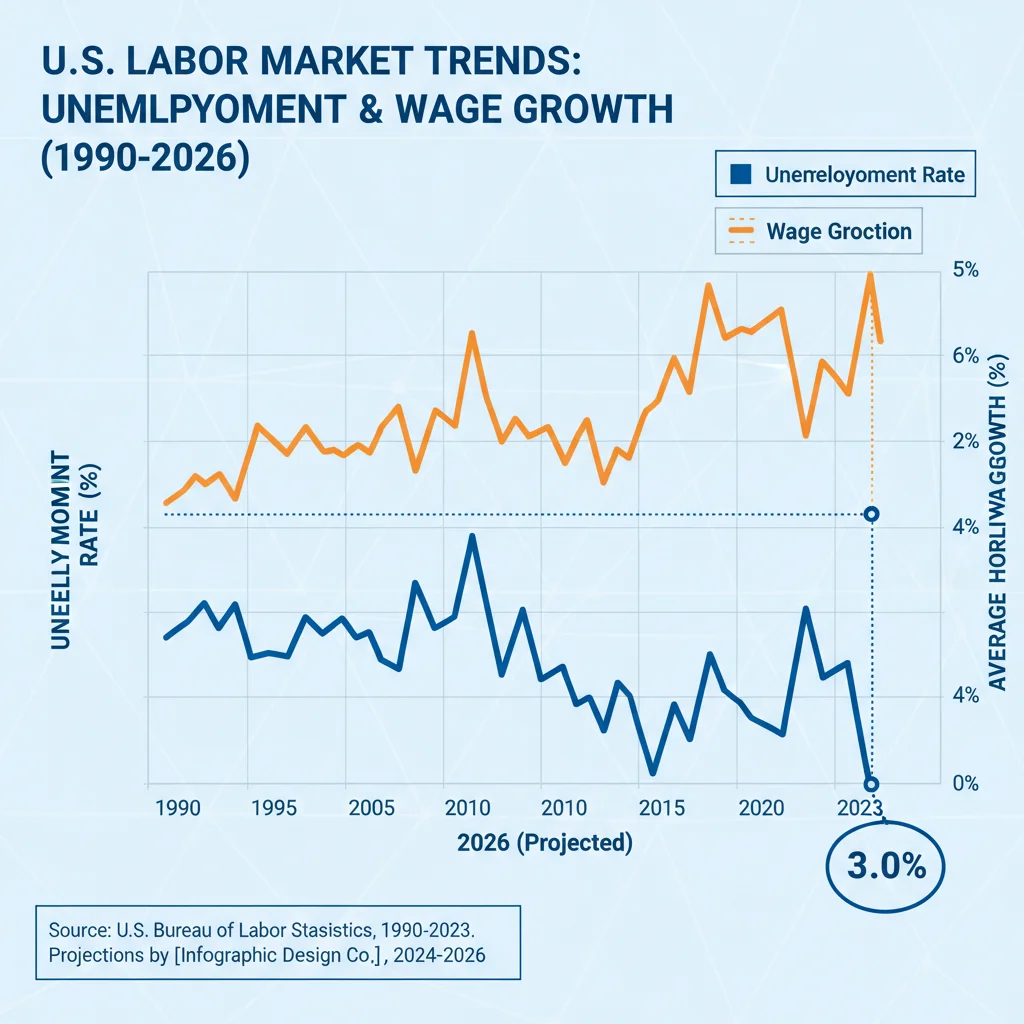
Manufacturing, especially advanced manufacturing, would also feel the pinch, requiring higher wages to attract skilled technicians and operators. Even in sectors like retail and hospitality, where wages have historically been lower, a tight labor market would force employers to increase compensation to fill positions. This could lead to a significant boost in the living standards for many low-wage workers, potentially reducing income inequality.
Inflationary Pressures: The Double-Edged Sword
While rising wages are beneficial for workers, they can also contribute to inflationary pressures, a critical consideration for the US labor market 2026. When businesses face higher labor costs, they often pass these costs on to consumers in the form of higher prices for goods and services. This is known as cost-push inflation. If wages rise faster than productivity, the unit labor cost increases, leading to higher prices.
Moreover, increased wages mean consumers have more disposable income, which can fuel demand-pull inflation. As demand for goods and services outstrips supply, prices tend to rise. The challenge for policymakers in 2026 would be to manage these inflationary pressures without stifling economic growth or triggering a recession. The Federal Reserve, in particular, would be under immense pressure to calibrate its monetary policy effectively.
The Role of the Federal Reserve
The Federal Reserve’s mandate includes maintaining maximum employment and stable prices. In a 3% unemployment environment, the focus would likely shift heavily towards price stability. The Fed might consider interest rate hikes to cool down the economy and curb inflation. However, raising interest rates too aggressively could slow down economic activity, potentially increasing unemployment and risking a recession. This delicate balance highlights the complexity of managing a super-tight labor market.
The Fed would closely monitor various economic indicators, including the Consumer Price Index (CPI), Personal Consumption Expenditures (PCE) price index, and wage growth data. Their decisions would be crucial in shaping the trajectory of the US labor market 2026 and the broader economy. Transparency and clear communication from the Fed would be essential to manage market expectations and maintain confidence.
Productivity and Automation: Mitigating Factors?
One potential mitigating factor against excessive inflation in a tight labor market is productivity growth. If workers become more productive, businesses can absorb higher wage costs without necessarily raising prices proportionally. Technological advancements, automation, and improved business processes can all contribute to increased productivity. In 2026, the continued adoption of artificial intelligence, robotics, and other advanced technologies could play a significant role in this regard.
Automation, in particular, presents a dual challenge and opportunity. While it can displace some workers, it can also enhance the productivity of others, allowing businesses to produce more with fewer human inputs. In a labor-scarce environment, businesses would have a stronger incentive to invest in automation to reduce their reliance on human labor and manage rising wage costs. This could accelerate the pace of technological adoption across various industries.
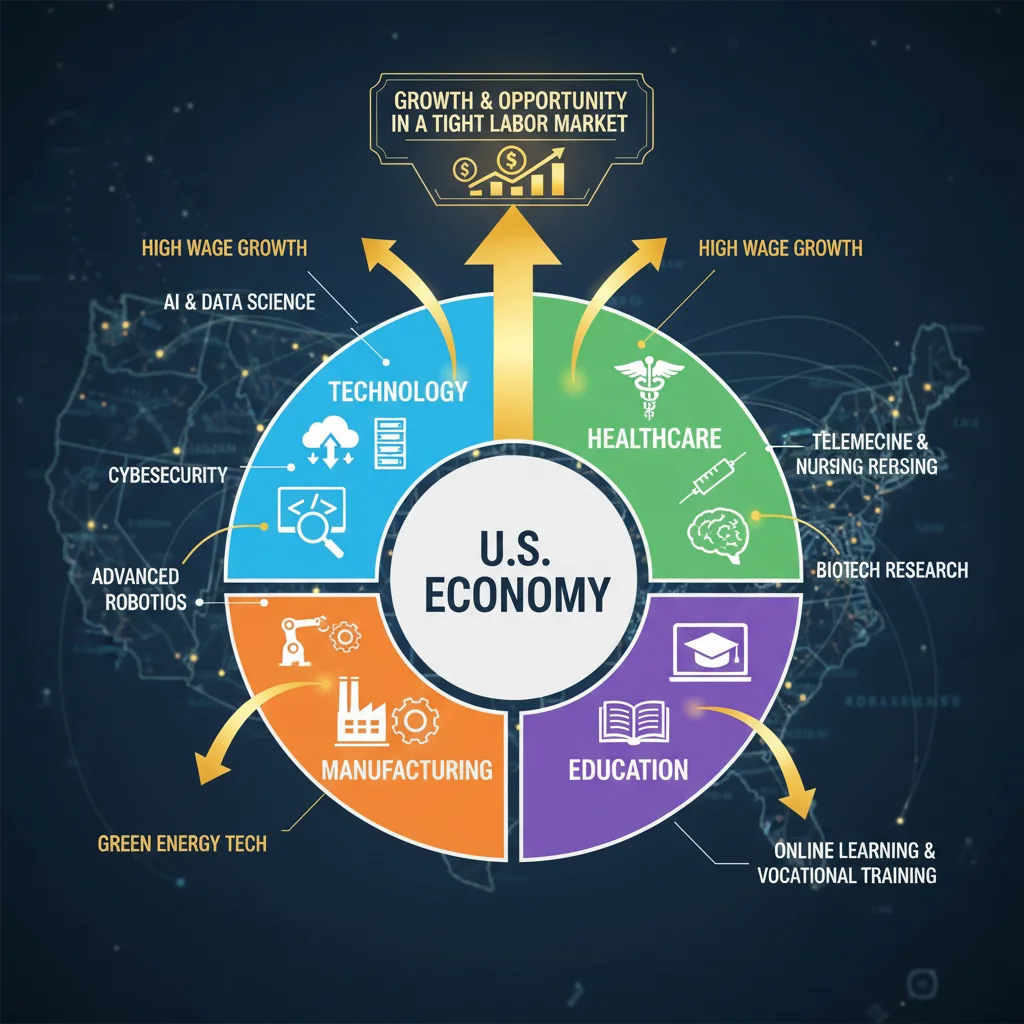
However, the transition to a more automated economy also brings challenges, such as the need for reskilling and upskilling the workforce to meet the demands of new jobs created by these technologies. Education and training programs would become even more critical to ensure that the labor force can adapt to evolving job requirements in the US labor market 2026.
Business Strategies in a Tight Labor Market
For businesses, a 3% unemployment rate would necessitate a significant re-evaluation of their talent acquisition, retention, and operational strategies. The days of abundant, readily available labor would be over, requiring companies to become more agile and employee-centric.
Recruitment and Retention
Companies would need to invest heavily in employer branding, showcasing their unique value proposition to potential employees. This goes beyond just competitive salaries and includes fostering a positive work culture, offering opportunities for career advancement, and demonstrating a commitment to diversity and inclusion. Recruitment efforts would need to be more proactive and creative, potentially involving partnerships with educational institutions, apprenticeship programs, and targeted outreach to underrepresented groups.
Retention would become equally, if not more, important than recruitment. High employee turnover would be costly, forcing businesses to continuously compete for new talent in an already tight market. Companies would focus on strategies such as competitive benefits, regular performance reviews with clear pathways for promotion, employee recognition programs, and flexible work options to keep their existing workforce satisfied and engaged.
Operational Adjustments
Beyond human resources, businesses would also need to make operational adjustments. This could include investing in labor-saving technologies, optimizing workflows to improve efficiency, and potentially redesigning products or services to require less labor input. Supply chain management would also become crucial, as disruptions could exacerbate labor shortages and further drive up costs.
Small and medium-sized enterprises (SMEs) might face particular challenges in competing with larger corporations for talent. They would need to leverage their agility and unique culture to attract and retain workers, possibly by offering more personalized growth opportunities or a stronger sense of community.
Policy Implications and Government Response
The government would play a critical role in navigating the complexities of a 3% unemployment rate in the US labor market 2026. Beyond monetary policy, fiscal policy, and labor market policies would be instrumental.
Fiscal Policy
Fiscal policy, involving government spending and taxation, could be used to manage aggregate demand. In an inflationary environment, the government might consider reducing spending or increasing taxes to cool the economy. Conversely, if there are concerns about slowing growth, targeted spending on infrastructure or education could boost productivity and long-term economic potential without immediately exacerbating inflation.
Labor Market Policies
Policies aimed at increasing labor supply and improving labor market efficiency would be crucial. This could include:
- Investment in Education and Training: Funding for vocational training, community colleges, and STEM education to equip workers with in-demand skills.
- Immigration Reform: Policies that allow for controlled immigration to fill critical labor shortages, particularly in high-skill sectors.
- Childcare and Family Leave: Policies that make it easier for parents, especially mothers, to participate in the workforce by providing affordable childcare and paid family leave.
- Addressing Barriers to Employment: Initiatives to help marginalized groups, such as individuals with disabilities or those with criminal records, enter or re-enter the workforce.
- Promoting Remote Work: Encouraging remote work policies could expand the talent pool beyond geographical limitations, making it easier for businesses to find employees.
These policies would aim to increase the effective labor supply, thereby alleviating some of the wage pressures and allowing the economy to sustain a low unemployment rate without overheating.
Social and Economic Equity Considerations
A tight labor market with rising wages can have significant positive implications for social and economic equity. Historically, periods of low unemployment have been associated with greater gains for workers at the lower end of the income spectrum. As companies compete for every available worker, they often have to raise wages and improve conditions for jobs that were previously less attractive.
This could lead to a reduction in income inequality and an improvement in the living standards for a broader segment of the population. It could also empower workers, giving them more leverage to advocate for better working conditions, fair pay, and opportunities for advancement. The US labor market 2026, under a 3% unemployment scenario, could represent a period of significant upward mobility for many.
However, it’s also important to consider potential downsides. If inflation outpaces wage growth, the real purchasing power of workers could erode. Furthermore, some businesses, particularly those with thin margins or limited ability to automate, might struggle to absorb higher labor costs, potentially leading to business closures or reduced services. Policymakers would need to be mindful of these disparities and implement targeted support where necessary.
The Global Context of the US Labor Market 2026
The U.S. labor market does not exist in a vacuum. Global economic conditions, geopolitical stability, and international trade relationships will all play a role in shaping the US labor market 2026. A robust global economy could increase demand for U.S. exports, further stimulating domestic job growth. Conversely, global slowdowns or trade conflicts could dampen demand and impact the U.S. labor market.
Furthermore, global supply chains are intricately linked to domestic production and employment. Disruptions in these chains, whether due to geopolitical events, natural disasters, or pandemics, can create bottlenecks and impact the ability of businesses to operate efficiently, potentially affecting employment levels and wage dynamics. The ability of the U.S. economy to adapt to these global forces will be crucial in sustaining a 3% unemployment rate.
Conclusion: Navigating a New Economic Frontier
The prospect of a 3% unemployment rate in the US labor market 2026 presents a fascinating and complex economic scenario. While it promises significant benefits for workers in the form of higher wages and increased bargaining power, it also brings the challenge of managing inflationary pressures and ensuring sustainable economic growth. The interplay between wage growth, productivity, automation, and monetary and fiscal policies will determine the ultimate outcome.
For businesses, adaptability, strategic talent management, and investment in technology will be paramount. For policymakers, a delicate balance will be required to foster a vibrant labor market while maintaining price stability. The journey to 2026 will undoubtedly be marked by continuous adjustments and strategic decisions, as the U.S. economy navigates this new frontier of low unemployment and its profound implications. The ultimate goal will be to harness the benefits of a tight labor market to improve living standards and foster inclusive economic prosperity for all Americans.