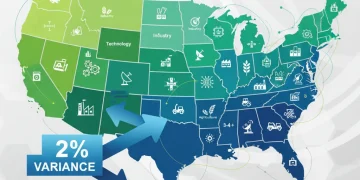
The global economic landscape is a constantly shifting panorama, influenced by a myriad of factors ranging from geopolitical developments and technological advancements to consumer behavior and environmental concerns. As we look ahead to 2026, experts are coalescing around a generally optimistic Economic Outlook 2026, with a consensus forecast predicting a robust 2.8% GDP growth. This anticipated national expansion is not just a statistical projection; it represents a significant wave of opportunity, reshaping industries and creating new avenues for prosperity. For businesses, investors, and policymakers alike, understanding the nuances of this forecast – particularly which sectors are primed to benefit most – is paramount for strategic planning and capitalizing on the impending economic upswing.
This comprehensive analysis delves deep into the expected drivers of this growth, examining the underlying trends, potential challenges, and, critically, identifying the key sectors poised for substantial expansion. From the ever-evolving tech industry to the burgeoning green economy and the resilient healthcare sector, we will explore the forces at play and provide insights into how various industries can leverage this positive Economic Outlook 2026. Our aim is to equip you with the knowledge needed to navigate the future economic landscape effectively, ensuring you are well-prepared to seize the opportunities that 2026 promises.
Anúncios
Understanding the 2.8% GDP Growth Projection: A Deeper Dive into the Economic Outlook 2026
The forecast of a 2.8% GDP growth for 2026 is a significant indicator, suggesting a healthy, albeit potentially moderate, pace of national economic expansion. This figure is often a composite of various macroeconomic models, expert consensus from leading financial institutions, and analysis of current global and domestic trends. To truly grasp the implications of this Economic Outlook 2026, it’s essential to dissect the factors contributing to this projection.
Key Drivers of Growth:
Anúncios
- Stabilization of Global Supply Chains: Following years of disruptions, a gradual normalization of global supply chains is expected to reduce inflationary pressures and improve manufacturing efficiency, fostering greater trade and economic activity.
- Technological Innovation and Adoption: Continuous advancements in artificial intelligence, automation, biotechnology, and digital transformation are not only creating new industries but also enhancing productivity across existing sectors. The widespread adoption of these technologies acts as a powerful catalyst for economic expansion.
- Consumer Resilience and Spending: Despite periods of inflation and uncertainty, consumer spending has shown remarkable resilience. As economic stability improves and real wages potentially rise, consumer confidence is expected to bolster, leading to increased demand for goods and services.
- Government Spending and Infrastructure Projects: Many nations are investing heavily in infrastructure, green energy initiatives, and digital infrastructure. These government-backed projects create jobs, stimulate demand for materials and services, and lay the groundwork for long-term economic productivity.
- Monetary Policy Normalization: As central banks globally bring inflation under control, the expectation is for a more stable interest rate environment, which can encourage investment and borrowing, further fueling economic activity.
Potential Headwinds and Risks:
While the Economic Outlook 2026 is largely positive, it’s crucial to acknowledge potential challenges that could temper this growth. Geopolitical tensions, persistent inflationary pressures in specific sectors, unexpected economic shocks, or a slower-than-anticipated recovery in major global economies could all impact the projected GDP growth. Therefore, continuous monitoring of these factors will be critical for businesses and policymakers.
The 2.8% GDP growth isn’t just a number; it represents a dynamic interplay of global forces and domestic policies. Understanding these undercurrents is the first step in identifying where the most significant opportunities will lie and how different sectors will fare in this evolving economic landscape. This positive Economic Outlook 2026 provides a fertile ground for strategic investment and innovation.
Technology and Digital Transformation: Leading the Charge in the Economic Outlook 2026
Unsurprisingly, the technology sector is anticipated to be a primary beneficiary and driver of the positive Economic Outlook 2026. Its pervasive influence on almost every aspect of modern life ensures its continued expansion and innovation. The growth here isn’t monolithic; it’s multifaceted, driven by several key sub-sectors.
Artificial Intelligence (AI) and Machine Learning (ML): AI and ML are no longer nascent technologies; they are becoming indispensable tools across industries. From optimizing supply chains and personalizing customer experiences to accelerating drug discovery and automating complex tasks, AI’s applications are boundless. Companies investing in AI research, development, and integration will see significant returns. The demand for AI specialists, data scientists, and ethical AI frameworks will skyrocket.
Cloud Computing and Edge Computing: The migration to cloud platforms continues unabated, offering scalability, flexibility, and cost efficiencies. As data generation explodes, edge computing – processing data closer to its source – is gaining traction, promising lower latency and enhanced real-time decision-making. Both areas represent substantial investment and growth opportunities for infrastructure providers, software developers, and managed service providers.
Cybersecurity: With increasing digitalization comes an escalating threat landscape. Cybersecurity is no longer an optional add-on but a critical foundational element for businesses and governments. The demand for robust security solutions, threat intelligence, and skilled cybersecurity professionals will continue its upward trajectory, making it a consistently strong performer within the Economic Outlook 2026.
5G and Advanced Connectivity: The rollout and refinement of 5G networks are unlocking new possibilities for IoT (Internet of Things), smart cities, autonomous vehicles, and enhanced mobile experiences. The infrastructure build-out, coupled with the development of applications that leverage 5G’s capabilities, will be a significant growth area.
Software as a Service (SaaS): The SaaS model remains highly attractive due to its subscription-based flexibility and continuous innovation. Businesses across all sectors are increasingly relying on specialized SaaS solutions for everything from customer relationship management (CRM) and enterprise resource planning (ERP) to marketing automation and project management. This trend will continue to fuel the growth of software companies in 2026.
The technology sector’s dynamism means constant evolution. Companies that remain agile, invest in research and development, and focus on solving real-world problems with innovative solutions will be at the forefront of benefiting from the positive Economic Outlook 2026.
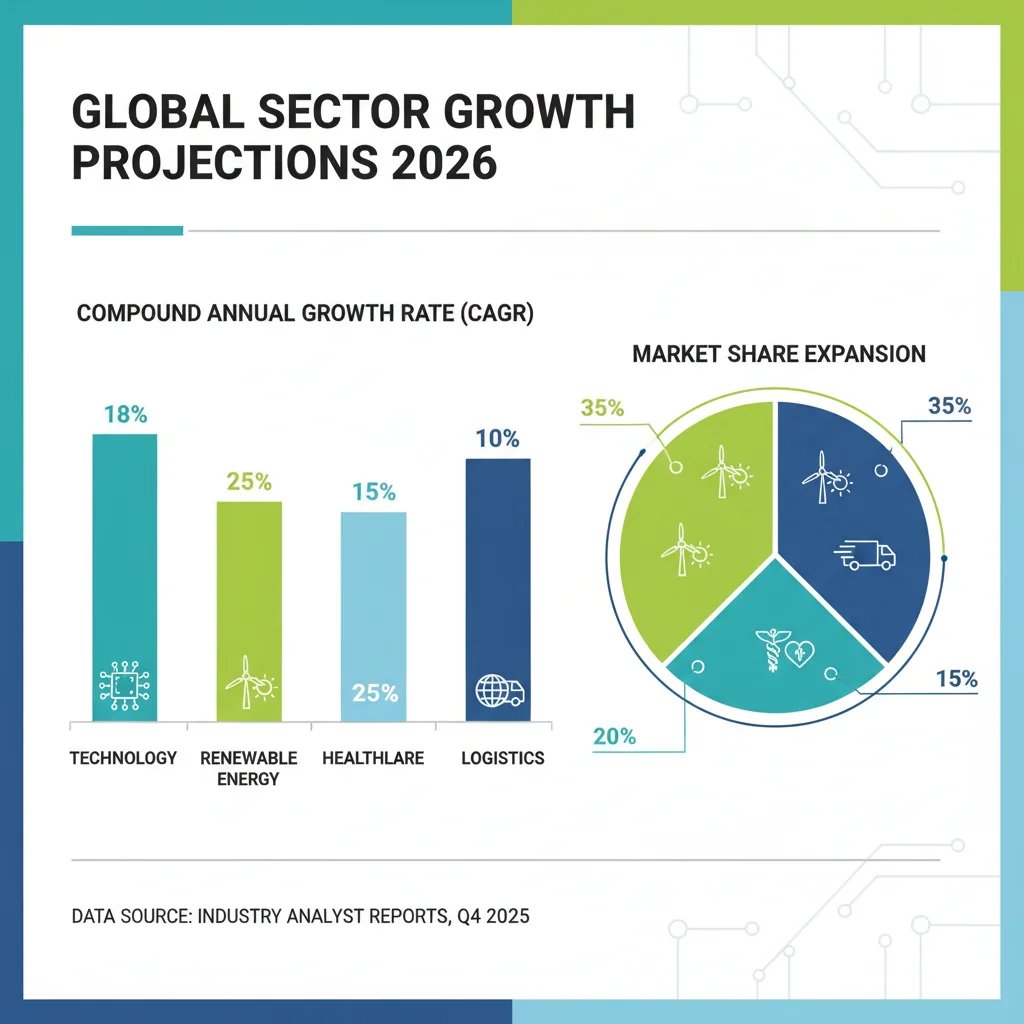
The Green Economy: A Pillar of Sustainable Growth in 2026
The global imperative to address climate change and transition to sustainable practices positions the green economy as a cornerstone of the Economic Outlook 2026. This sector encompasses a wide array of industries focused on environmental protection, resource efficiency, and renewable energy. Government policies, corporate commitments, and increasing consumer awareness are all driving substantial investment and innovation in this space.
Renewable Energy: Solar, wind, geothermal, and hydropower continue to be at the forefront of the energy transition. Significant investments in utility-scale projects, decentralized energy solutions, and energy storage technologies (like advanced batteries) are expected. The development of smart grids and infrastructure to support renewable integration will also see considerable growth. This sub-sector is a critical component of the positive Economic Outlook 2026.
Electric Vehicles (EVs) and Charging Infrastructure: The adoption of EVs is accelerating globally, driven by technological advancements, decreasing costs, and regulatory support. This trend extends beyond passenger cars to commercial fleets and public transport. Consequently, the demand for EV manufacturing, battery production, and, crucially, robust charging infrastructure will experience exponential growth.
Sustainable Agriculture and Food Technology: Innovations in sustainable farming practices, alternative proteins, vertical farming, and precision agriculture are addressing food security and environmental concerns. Companies developing solutions for reduced water usage, organic farming, and sustainable packaging will find fertile ground for expansion.
Waste Management and Circular Economy: Moving away from linear ‘take-make-dispose’ models, the circular economy emphasizes reducing waste, reusing materials, and recycling. Industries focused on advanced recycling technologies, waste-to-energy solutions, and product lifecycle management will be key players. This shift creates new business models and supply chain opportunities.
Green Building and Sustainable Infrastructure: The construction sector is increasingly adopting green building standards, focusing on energy efficiency, sustainable materials, and reduced environmental impact. Investment in resilient infrastructure that can withstand climate change impacts also falls under this umbrella.
The green economy is not just about environmental responsibility; it’s a powerful engine for economic growth, job creation, and technological innovation. Businesses that align with sustainability principles and offer environmentally friendly solutions will be exceptionally well-positioned to thrive in the 2026 economic landscape. The Economic Outlook 2026 for this sector is bright, fueled by both necessity and opportunity.
Healthcare and Biotechnology: Enduring Growth and Innovation
The healthcare and biotechnology sectors consistently demonstrate resilience and growth, driven by an aging global population, increasing demand for personalized medicine, and continuous scientific breakthroughs. The Economic Outlook 2026 for these sectors remains robust, with several areas poised for significant expansion.
Biotechnology and Pharmaceuticals: Research and development in areas like gene therapy, CRISPR technology, mRNA vaccines, and personalized medicine are revolutionizing treatments for various diseases. Companies at the forefront of these innovations, particularly those with strong R&D pipelines, will see substantial growth. The focus on rare diseases and precision oncology also presents lucrative opportunities.
Digital Health and Telemedicine: The pandemic accelerated the adoption of digital health solutions, including telemedicine, remote patient monitoring, and AI-powered diagnostics. This trend is here to stay, offering greater accessibility, efficiency, and personalized care. Investment in health tech platforms, wearable devices, and data analytics for healthcare will continue to surge.
Medical Devices and Diagnostics: Advancements in medical imaging, robotic surgery, minimally invasive procedures, and point-of-care diagnostics are improving patient outcomes and healthcare efficiency. The demand for innovative medical devices and accurate diagnostic tools will remain high, driven by both technological progress and an increasing global health consciousness.
Elder Care and Gerontology: As populations age, the demand for specialized elder care services, assisted living facilities, and geriatric healthcare solutions will grow significantly. This includes innovations in home care technology, age-friendly urban planning, and services tailored to the needs of seniors.
Mental Health Services: There’s a growing recognition of the importance of mental health, leading to increased demand for accessible and effective mental healthcare services. This includes digital therapy platforms, counseling services, and integrated mental health solutions within primary care. This area is seeing considerable investment and innovation.
The healthcare and biotechnology sectors are characterized by high barriers to entry but also by immense potential for impact and profitability. Companies that focus on patient-centric innovation, regulatory compliance, and strategic partnerships will be well-positioned to capitalize on the strong Economic Outlook 2026 in these vital industries.
Advanced Manufacturing and Resilient Supply Chains: A New Era
The manufacturing sector, traditionally a bedrock of national economies, is undergoing a profound transformation. The Economic Outlook 2026 suggests a shift towards advanced manufacturing techniques and a renewed focus on building resilient, diversified supply chains. This evolution is driven by lessons learned from recent global disruptions and the accelerating pace of technological integration.
Industry 4.0 and Smart Factories: The integration of IoT, AI, robotics, and cloud computing is leading to the development of smart factories. These facilities are highly automated, data-driven, and capable of optimizing production, predicting maintenance needs, and adapting to changing demands. Investment in these technologies will be crucial for manufacturers seeking to enhance efficiency and competitiveness.
Additive Manufacturing (3D Printing): 3D printing is moving beyond prototyping to become a viable method for producing end-use parts, especially in specialized industries like aerospace, medical devices, and automotive. Its ability to create complex geometries and enable on-demand production contributes to more agile supply chains and reduced waste.
Reshoring and Nearshoring: To mitigate risks associated with long and complex global supply chains, many companies are considering reshoring (bringing manufacturing back home) or nearshoring (relocating to nearby countries). This trend creates opportunities for domestic manufacturing growth and investment in local industrial infrastructure.
Supply Chain Digitization and Analytics: The need for greater visibility and control over supply chains is driving the adoption of digital tools, including blockchain for traceability, AI for demand forecasting, and advanced analytics for risk management. Companies offering these solutions will be vital in creating more resilient and efficient logistics networks. The Economic Outlook 2026 for logistics and supply chain technology providers is particularly strong.

Robotics and Automation: The deployment of robots and automated systems in manufacturing is increasing, driven by labor shortages, the need for precision, and enhanced safety. Collaborative robots (cobots) that work alongside humans are also gaining traction, improving productivity without fully replacing human labor.
The manufacturing sector in 2026 will be characterized by intelligence, agility, and a strategic balance between global reach and local resilience. Businesses that embrace technological advancements and adapt their supply chain strategies will be best positioned to thrive in this evolving landscape and benefit from the projected Economic Outlook 2026.
Financial Services and FinTech: Adapting to a Digital Future
The financial services sector, while traditionally stable, is undergoing a rapid transformation driven by technological innovation and changing consumer expectations. The Economic Outlook 2026 for this sector is defined by continued digitalization, the rise of FinTech, and an increasing focus on personalized and accessible financial solutions.
Digital Banking and Payments: The shift towards digital-first banking experiences continues, with consumers demanding seamless online and mobile banking services. The proliferation of digital payment solutions, including mobile wallets and real-time payment systems, will further reshape the industry. Companies that can provide secure, efficient, and user-friendly digital financial platforms will excel.
FinTech Innovation: Financial technology (FinTech) startups and established players are leveraging AI, blockchain, and big data to offer innovative solutions in areas like lending, wealth management, insurance (InsurTech), and regulatory compliance (RegTech). These innovations are democratizing access to financial services and driving competition within the sector.
Blockchain and Digital Assets: While the regulatory landscape for cryptocurrencies and blockchain-based assets is still evolving, the underlying blockchain technology offers significant potential for enhancing security, transparency, and efficiency in financial transactions, record-keeping, and smart contracts. Financial institutions exploring these applications will be at an advantage.
Personalized Financial Advice (Robo-Advisors): AI-powered robo-advisors are making personalized investment and financial planning more accessible and affordable. This trend will continue to grow, catering to a broader demographic and complementing traditional financial advisory services.
Embedded Finance: The integration of financial services directly into non-financial platforms (e.g., e-commerce sites offering ‘buy now, pay later’ options) is a significant trend. This seamless integration enhances customer experience and creates new revenue streams, making it a key area to watch in the Economic Outlook 2026.
The financial services sector in 2026 will be characterized by a blend of traditional robustness and technological agility. Institutions and FinTech companies that embrace innovation, prioritize data security, and focus on customer-centric solutions will be the primary beneficiaries of this evolving economic landscape.
Real Estate and Infrastructure: Adapting to New Demands
The real estate and infrastructure sectors, often considered bellwethers of economic health, are set for significant adjustments and targeted growth in the Economic Outlook 2026. While some segments may face headwinds, others are poised for expansion driven by demographic shifts, sustainability imperatives, and evolving work patterns.
Sustainable and Smart Cities Development: Investment in urban infrastructure that prioritizes sustainability, energy efficiency, and smart technologies (e.g., intelligent transportation systems, smart grids) will be a major driver. This includes retrofitting existing buildings and developing new eco-friendly urban centers.
Logistics and Industrial Real Estate: The surge in e-commerce and the need for more resilient supply chains continue to fuel demand for warehouses, distribution centers, and industrial parks. Properties equipped with advanced automation and strategically located near transportation hubs will be particularly valuable.
Residential Housing: While affordability remains a challenge in many markets, demographic trends and evolving lifestyle preferences will continue to drive demand for diverse housing types, including multi-family units, affordable housing initiatives, and suburban developments that offer a balance of amenities and green spaces. The housing market will remain a crucial part of the Economic Outlook 2026.
Data Centers: The exponential growth of data and cloud computing necessitates continuous expansion of data center infrastructure. These specialized facilities, requiring significant investment in power, cooling, and security, represent a high-growth niche within commercial real estate.
Adaptive Reuse and Repurposing: With changing office space dynamics, there will be increased opportunities for adaptive reuse of commercial properties, converting them into residential units, mixed-use developments, or specialized facilities. This trend addresses urban revitalization and maximizes existing infrastructure.
The real estate and infrastructure sectors in 2026 will require adaptability and foresight. Players who can identify and invest in properties that align with future demographic, technological, and environmental demands will be best positioned to capitalize on the opportunities presented by the overall Economic Outlook 2026.
Conclusion: Navigating the 2026 Economic Landscape
The Economic Outlook 2026, with its projected 2.8% GDP growth, paints a picture of cautious optimism and significant opportunity. The national expansion is not a uniform tide lifting all boats equally; rather, it’s a dynamic landscape where specific sectors are poised for disproportionate growth due to underlying technological, demographic, and environmental shifts. Technology and digital transformation, the burgeoning green economy, the ever-resilient healthcare and biotechnology sectors, advanced manufacturing with its focus on resilient supply chains, and an evolving financial services sector driven by FinTech are all set to be the primary beneficiaries.
For businesses and investors, the imperative is clear: strategic alignment with these high-growth sectors is key. This means not only understanding the broad trends but also delving into the specific sub-sectors and innovations that are driving progress. Investing in research and development, fostering innovation, embracing digital transformation, and prioritizing sustainability will be crucial for competitive advantage. Furthermore, talent development and workforce reskilling will be vital to meet the demands of these expanding industries.
While challenges such as geopolitical uncertainties, inflationary pressures, and regulatory complexities will persist, a proactive and adaptive approach will allow enterprises to navigate these headwinds effectively. The 2026 economic landscape offers a fertile ground for those prepared to innovate, adapt, and invest wisely. By focusing on the sectors highlighted in this Economic Outlook 2026, stakeholders can position themselves to not only survive but thrive in the years to come, contributing to and benefiting from the anticipated national prosperity.
The journey to 2026 will undoubtedly present its share of twists and turns, but with a clear understanding of the overarching economic trends and the specific sectors poised for growth, businesses and individuals can chart a course towards success. The future is bright for those who are prepared to embrace the opportunities that this positive economic outlook brings.