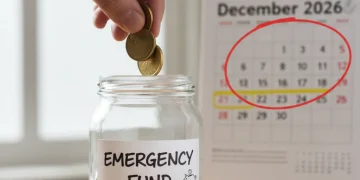
Emergency Fund 2026: Your Guide to 6 Months of Savings

Anúncios
In an unpredictable world, financial security is not just a luxury; it’s a necessity. The year 2026 might seem distant, but it’s the perfect horizon to set a significant financial goal: building a robust Emergency Fund 2026. This isn’t merely about having some extra cash; it’s about establishing a safety net capable of covering six months of your essential living expenses. Imagine the peace of mind knowing that unexpected job loss, medical emergencies, or unforeseen home repairs won’t derail your financial stability. This comprehensive guide will walk you through every step, from understanding the ‘why’ to implementing actionable strategies, ensuring you achieve your Emergency Fund 2026 goal.
The Indispensable Role of an Emergency Fund in 2026
Before diving into the ‘how,’ let’s solidify the ‘why.’ An emergency fund serves as your financial shield, protecting you from life’s inevitable curveballs. Without one, a single unforeseen event can spiral into debt, jeopardizing your long-term financial goals, such as retirement or a down payment on a home. The target of saving six months of expenses is not arbitrary; it’s a widely recommended benchmark that provides substantial breathing room during extended periods of income disruption or significant unexpected costs. With global economic shifts and personal uncertainties, having a strong Emergency Fund 2026 is more critical than ever.
Anúncios
Why Six Months? Understanding the Benchmark
The six-month benchmark for an emergency fund is a golden rule in personal finance. It’s designed to cover essential expenses for a significant period, allowing you time to recover from a job loss, manage a prolonged illness, or handle a major repair without resorting to high-interest credit cards or liquidating long-term investments. This duration offers flexibility and reduces stress, enabling you to make rational decisions during crises rather than panicked ones. For some, especially those with unstable income or high-risk jobs, even more might be advisable. Conversely, if you have robust insurance coverage and a very stable job, you might feel comfortable with slightly less, though six months remains the ideal.
The Cost of Not Having an Emergency Fund
The absence of an emergency fund can be financially devastating. Consider these potential pitfalls:
- Accumulating High-Interest Debt: Without savings, an unexpected expense often leads to credit card debt, which can quickly become a heavy burden due to high interest rates.
- Derailing Long-Term Goals: Money earmarked for retirement or education might need to be diverted to cover emergencies, setting back your progress by years.
- Increased Stress and Anxiety: Financial insecurity takes a significant toll on mental and emotional well-being, affecting all aspects of your life.
- Forced Asset Sales: You might be forced to sell valuable assets, such as investments or even your home, at an inopportune time, resulting in losses.
- Damaged Credit Score: Missing payments due to financial hardship can severely impact your credit score, making it harder to secure loans or favorable interest rates in the future.
Building your Emergency Fund 2026 is an investment in your future self, protecting you from these costly scenarios.
Anúncios
Phase 1: Assessing Your Financial Landscape for Your Emergency Fund 2026
The journey to building your Emergency Fund 2026 begins with a clear understanding of your current financial situation. This involves a thorough assessment of your income, expenses, and existing debts. Honesty and meticulousness here will lay a solid foundation for your saving strategy.
Step 1: Calculate Your Essential Monthly Expenses
This is the cornerstone of your emergency fund goal. You need to know precisely how much money you need to survive each month. This isn’t about your total spending; it’s about identifying your absolute necessities. Go through your bank statements, credit card bills, and receipts for the last 3-6 months. Categorize every expense. Essential expenses typically include:
- Housing (rent/mortgage)
- Utilities (electricity, water, gas, internet)
- Groceries (not dining out)
- Transportation (car payments, fuel, public transport)
- Insurance (health, car, home)
- Minimum debt payments (student loans, credit cards)
- Essential personal care (toiletries, medication)
Exclude discretionary spending like entertainment, dining out, subscriptions you don’t use, and impulse purchases. Sum these essential expenses to get your monthly survival cost. Multiply this number by six to determine your target Emergency Fund 2026 amount.
Step 2: Evaluate Your Current Income and Savings Capacity
Once you know your target, assess your income. What is your reliable, consistent take-home pay? Are there any irregular income sources you can tap into? Next, look at your current savings. Do you have any existing funds that could be repurposed? Be realistic about how much you can comfortably save each month without feeling deprived. This might involve some initial budgeting adjustments, which we’ll discuss next.
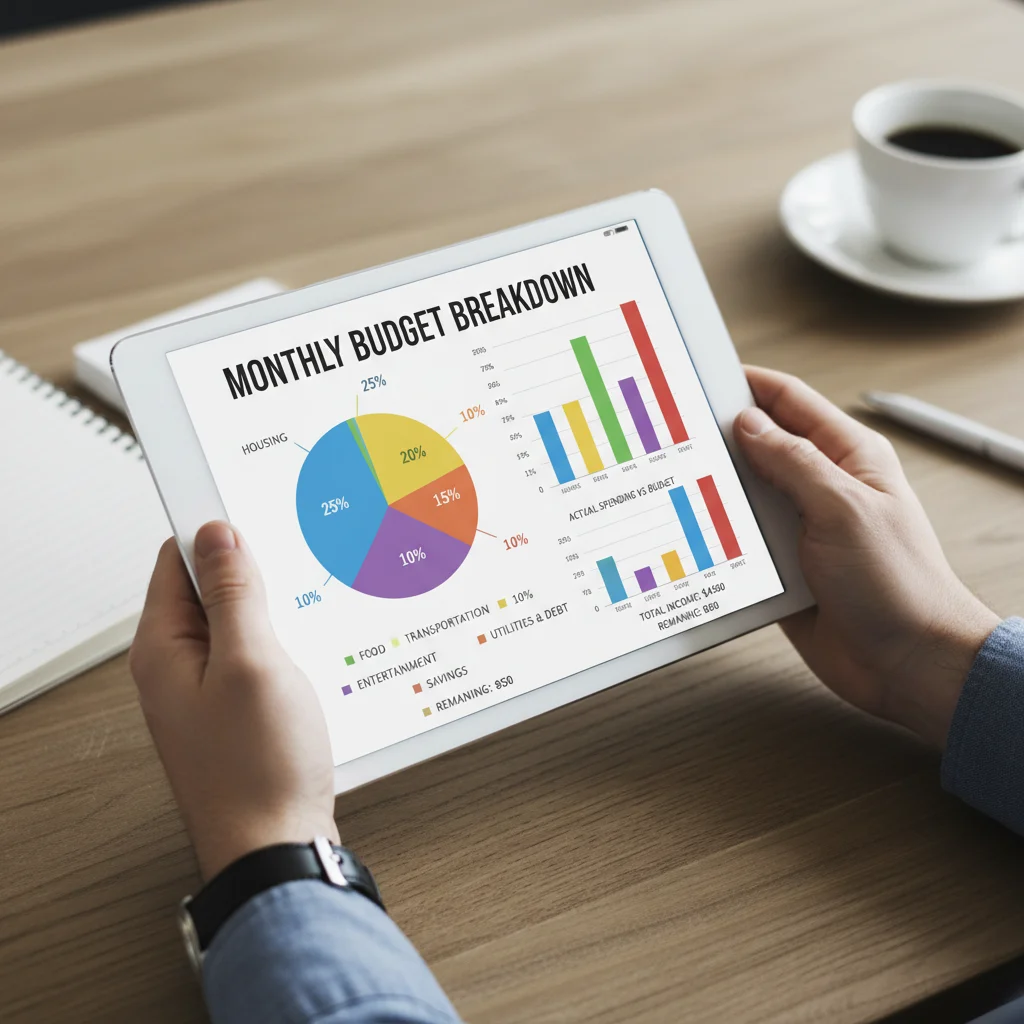
Step 3: Create a Detailed Budget (and Stick to It!)
Budgeting is not about restricting yourself; it’s about gaining control over your money. A detailed budget will show you exactly where your money is going and where you can cut back to free up funds for your Emergency Fund 2026. There are many budgeting methods:
- 50/30/20 Rule: 50% for needs, 30% for wants, 20% for savings and debt repayment.
- Zero-Based Budgeting: Every dollar has a job; allocate all income to expenses or savings.
- Envelope System: Physically divide cash into categories.
Choose a method that suits your lifestyle and stick with it. Review your budget regularly and adjust as needed. The goal is to identify a consistent amount you can allocate to your emergency fund each month.
Phase 2: Implementing Your Saving Strategy for Emergency Fund 2026
With your financial assessment complete, it’s time to put your plan into action. Consistency and smart saving habits are key to reaching your Emergency Fund 2026 goal.
Step 4: Automate Your Savings
This is arguably the most powerful strategy. Set up an automatic transfer from your checking account to a dedicated savings account on payday. Treat this transfer like any other bill – non-negotiable. Even if it’s a small amount initially, consistency builds momentum. Automating removes the temptation to spend the money and ensures your emergency fund grows steadily without you having to think about it.
Step 5: Choose the Right Savings Vehicle
Where should you keep your Emergency Fund 2026? The primary criteria are safety, accessibility, and liquidity. You want your money to be easily accessible in an emergency but not so easy that you’re tempted to dip into it for non-emergencies. High-yield savings accounts (HYSAs) are often the best choice. They offer better interest rates than traditional savings accounts, helping your money grow slightly, while still allowing instant access. Avoid investments like stocks or mutual funds for your emergency fund, as their value can fluctuate, and you might need the money when the market is down.
Step 6: Cut Unnecessary Expenses and Boost Income
To accelerate your Emergency Fund 2026 growth, look for ways to cut back on non-essential spending. This could involve:
- Reviewing Subscriptions: Cancel unused streaming services, gym memberships, or apps.
- Reducing Dining Out: Cook more meals at home.
- Finding Cheaper Alternatives: Shop for generic brands, carpool, or look for free entertainment options.
- Negotiating Bills: Call your internet, cable, or insurance providers to see if you can get a better rate.
Beyond cutting expenses, consider ways to increase your income:
- Side Hustles: Freelancing, ride-sharing, dog walking, or selling crafts online.
- Selling Unused Items: Declutter your home and sell items on marketplaces.
- Overtime or Bonuses: If available, direct these extra funds straight to your emergency fund.
- Asking for a Raise: If you’re due, negotiate for higher pay.
Every extra dollar you can direct towards your emergency fund brings you closer to your Emergency Fund 2026 goal.
Phase 3: Maintaining and Protecting Your Emergency Fund 2026
Building the fund is one thing; maintaining and protecting it is another. Your Emergency Fund 2026 is a living, breathing part of your financial plan that requires ongoing attention.
Step 7: Distinguish Between an Emergency and a Want
This is crucial. An emergency fund is for true emergencies. A flat tire is an emergency; a new pair of shoes is a want. A sudden medical bill is an emergency; a vacation is a want. Before dipping into your fund, ask yourself: Is this expense:
- Unexpected?
- Necessary?
- Urgent?
- Unavoidable?
If the answer to all four is yes, then it’s likely a legitimate use. If you use the fund, make it a priority to replenish it as quickly as possible.
Step 8: Regularly Review and Adjust Your Fund
Life changes, and so should your emergency fund. Review your essential expenses annually, or whenever a major life event occurs (marriage, divorce, new baby, job change, moving). Has your cost of living increased? Do you have new dependents? Your target Emergency Fund 2026 amount might need to be adjusted upwards. Similarly, if your income significantly increases, you might choose to build an even larger buffer.

Step 9: Keep Your Emergency Fund Separate
To avoid accidental spending, ensure your emergency fund is in a separate account from your regular checking and savings accounts. This physical separation creates a psychological barrier, making it less tempting to spend. Label the account clearly as ‘Emergency Fund’ to reinforce its purpose.
Common Obstacles and How to Overcome Them on Your Path to Emergency Fund 2026
The journey to building a substantial Emergency Fund 2026 isn’t always smooth. You might encounter challenges, but with the right strategies, you can overcome them.
Low Income
If your income is low, saving six months of expenses can feel like an impossible task. Start small. Even $10 or $20 a week adds up. Focus intensely on cutting every non-essential expense. Explore opportunities for increasing your income through side hustles, skill development, or seeking higher-paying employment. Remember, any amount saved is better than none.
High Debt Load
When you have significant debt, especially high-interest credit card debt, it’s a common dilemma: pay off debt or build an emergency fund? A hybrid approach often works best. Aim for a small starter emergency fund (e.g., $1,000 or one month’s expenses) first. This protects you from new debt if an emergency strikes. Once you have this initial buffer, focus aggressively on paying down high-interest debt, then return to building your full Emergency Fund 2026. The interest saved on debt repayment can free up more money for savings in the long run.
Lack of Motivation or Consistency
Saving can feel like a slow grind, especially when immediate gratification is tempting. To stay motivated:
- Set Mini-Goals: Break down your large Emergency Fund 2026 goal into smaller, achievable milestones (e.g., save $1,000, then $2,000, etc.). Celebrate each milestone.
- Track Your Progress: Use spreadsheets, apps, or even a simple chart to visualize your growth. Seeing your fund grow is incredibly motivating.
- Remind Yourself of the ‘Why’: Keep a tangible reminder of why you’re saving – a picture of your family, a note about peace of mind, or a list of potential emergencies you’re preparing for.
- Find an Accountability Partner: Share your goal with a trusted friend or family member who can offer support and encouragement.
Unexpected Expenses While Saving
It’s ironic: you’re building an emergency fund, and an emergency happens. If this occurs, use your fund for its intended purpose. Don’t feel guilty. That’s why it’s there! The key is to immediately reprioritize replenishing it. Treat it as your most urgent financial goal until it’s back to your target level.
The Psychological Benefits of a Robust Emergency Fund 2026
Beyond the tangible financial benefits, having a fully funded Emergency Fund 2026 offers profound psychological advantages that cannot be overstated.
Reduced Stress and Anxiety
Financial worries are a leading cause of stress. Knowing you have a safety net provides immense peace of mind. It allows you to sleep better at night, knowing that you’re prepared for whatever life throws your way. This reduction in stress positively impacts your overall health and well-being.
Increased Freedom and Flexibility
An emergency fund gives you options. If you dislike your job, you have the freedom to look for a new one without the immediate pressure of income. If a family member needs help, you have the flexibility to assist without jeopardizing your own financial health. It empowers you to make choices based on your values, not out of desperation.
Enhanced Decision-Making
When faced with a crisis, having an emergency fund allows you to make calm, rational decisions. You won’t be forced into hasty choices, like taking on a high-interest loan or selling investments at a loss, simply because you need cash immediately. This leads to better long-term outcomes.
Greater Financial Resilience
Your Emergency Fund 2026 builds a foundation of financial resilience. It means you can weather economic downturns, personal setbacks, and unforeseen events without completely derailing your financial future. It’s a testament to your proactive planning and commitment to financial stability.
Conclusion: Your Path to Financial Security by 2026
Building an Emergency Fund 2026 of six months’ expenses is a significant undertaking, but it is one of the most impactful financial goals you can set. It’s not just about accumulating money; it’s about building resilience, reducing stress, and gaining true financial freedom. By meticulously calculating your essential expenses, creating a disciplined budget, automating your savings, and staying vigilant against common obstacles, you can absolutely achieve this goal.
Start today. Take that first step, no matter how small. Every dollar saved is a step closer to a more secure and peaceful future. Imagine the feeling of accomplishment and the profound sense of security when you reach your Emergency Fund 2026 target. Your future self will thank you for the foresight and discipline you cultivated today. Embrace the journey, stay consistent, and unlock the unparalleled peace of mind that comes with true financial preparedness.