Identity Theft Protection: Essential Steps for US Consumers in 2026

Anúncios
Identity Theft Protection: Essential Steps for US Consumers in 2026
In an increasingly digital world, the threat of identity theft looms larger than ever. For US consumers, understanding and implementing robust identity theft protection strategies is not just advisable, it’s absolutely essential. As we navigate 2026, cybercriminals are employing more sophisticated tactics, making proactive measures crucial. This comprehensive guide will equip you with the knowledge and tools to safeguard your personal information, recognize potential threats, and respond effectively should you become a victim. Our focus on identity theft protection aims to provide actionable advice tailored for the current digital landscape.
Anúncios
The landscape of identity theft is constantly evolving. What worked for identity theft protection a few years ago might not be sufficient today. Data breaches are commonplace, phishing scams are more convincing, and new technologies like AI are being weaponized by fraudsters. This article delves into the core principles of protecting your digital and physical identity, highlighting best practices for securing your sensitive data, monitoring your financial health, and understanding your rights as a consumer. By prioritizing robust identity theft protection, you can significantly reduce your risk and maintain peace of mind.
Understanding the Modern Threat Landscape for Identity Theft Protection
Before diving into specific identity theft protection measures, it’s vital to grasp the current threats. Identity theft isn’t a monolithic crime; it encompasses various forms, each with unique characteristics and consequences. Common types include financial identity theft (credit card fraud, loan fraud), medical identity theft (using your insurance for services), child identity theft (often goes undetected for years), and tax identity theft (filing fraudulent tax returns in your name). The methods criminals use are equally diverse, ranging from low-tech dumpster diving to highly sophisticated cyberattacks.
The Rise of Data Breaches and Their Impact on Identity Theft Protection
Data breaches continue to be a primary source of compromised personal information. Major corporations, healthcare providers, and even government agencies can fall prey to cyberattacks, exposing millions of records containing names, addresses, Social Security numbers, dates of birth, and more. Once this data is leaked, it can be bought and sold on the dark web, forming the foundation for future identity theft. Effective identity theft protection must acknowledge that some of your data may already be out there, making continuous monitoring and rapid response critical.
Anúncios
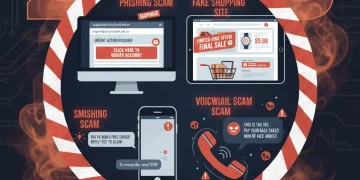
Phishing, Smishing, and Vishing: Social Engineering Tactics
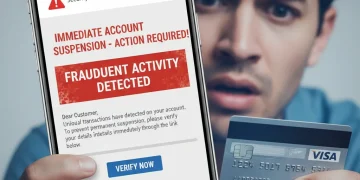
Social engineering remains a powerful weapon for identity thieves. Phishing (email), smishing (SMS), and vishing (voice calls) are designed to trick you into revealing sensitive information. These attacks are becoming increasingly personalized and sophisticated, making them harder to detect. They often mimic legitimate organizations, creating a sense of urgency or fear to bypass your judgment. A key component of identity theft protection is developing a critical eye for unsolicited communications and verifying requests independently.
Emerging Threats: AI and Deepfakes
As technology advances, so do the tools available to criminals. Artificial intelligence (AI) can be used to generate highly convincing phishing emails, create realistic deepfake audio or video to impersonate individuals, or even automate credential stuffing attacks. These emerging threats underscore the need for advanced identity theft protection strategies that go beyond traditional password hygiene and embrace multi-layered security.
Foundational Pillars of Robust Identity Theft Protection
Building a strong defense against identity theft requires a multi-faceted approach. These foundational pillars are the bedrock of effective identity theft protection for US consumers in 2026.
1. Strengthen Your Digital Defenses
Your online presence is often the first line of defense. Strong digital security habits are paramount for identity theft protection.
- Strong, Unique Passwords: This cannot be overstated. Use long, complex passwords that combine letters, numbers, and symbols for every account. Never reuse passwords across different services. A password manager is an invaluable tool for generating and storing these securely.
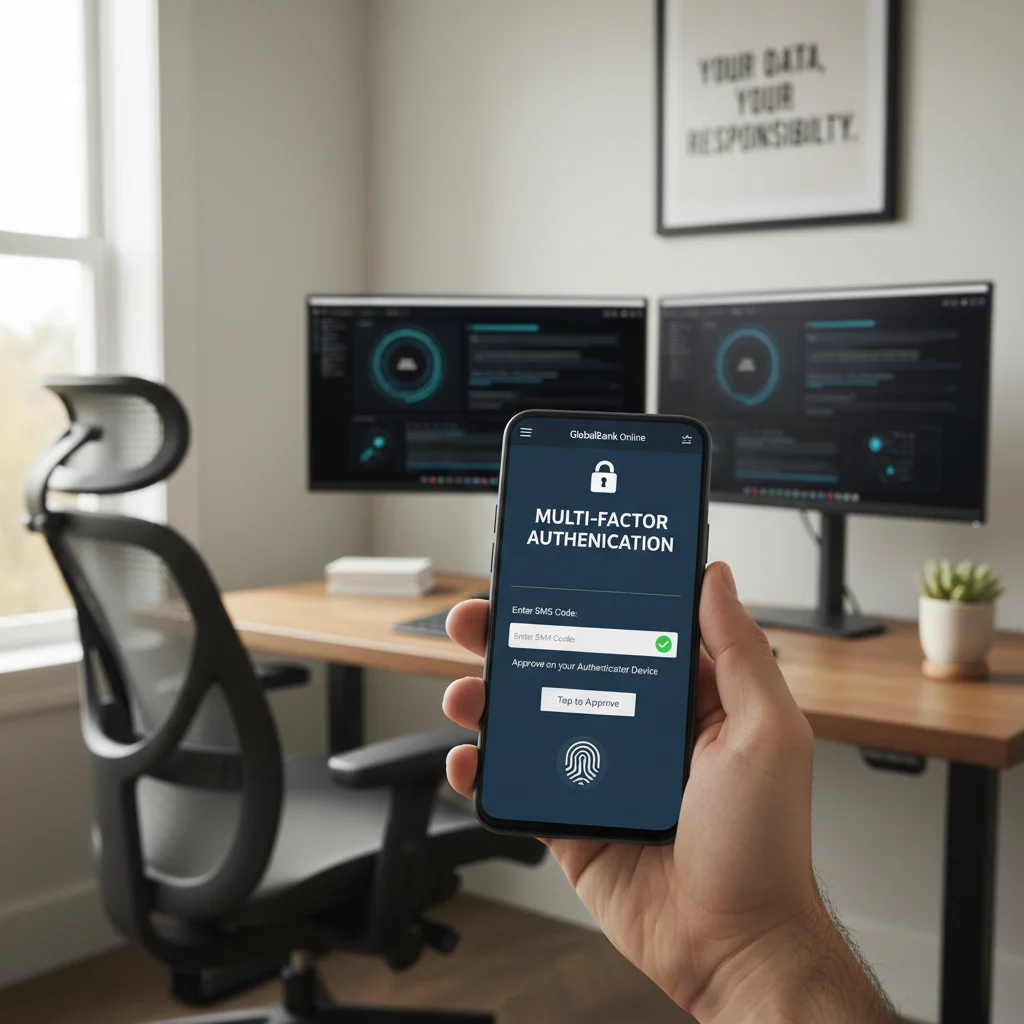
- Multi-Factor Authentication (MFA): Enable MFA on all accounts that offer it. This adds an extra layer of security, typically requiring a code from your phone or a biometric scan in addition to your password. Even if a criminal obtains your password, they can’t access your account without the second factor. This is a critical step for comprehensive identity theft protection.
- Software Updates: Keep your operating system, web browsers, antivirus software, and all applications updated. Software updates often include security patches that fix vulnerabilities exploited by cybercriminals.
- Secure Wi-Fi: Always use a secure, password-protected Wi-Fi network. Avoid public Wi-Fi for sensitive transactions unless you are using a Virtual Private Network (VPN).
- Cautious Clicking: Be extremely wary of suspicious links or attachments in emails, texts, or social media messages. If in doubt, don’t click.
2. Proactive Monitoring of Your Financial Health
Vigilance over your financial accounts is a cornerstone of identity theft protection. Early detection of fraudulent activity can minimize damage.
- Regularly Review Bank and Credit Card Statements: Scrutinize all transactions for anything unfamiliar. Report suspicious activity immediately to your bank or credit card company.
- Monitor Your Credit Reports: You are entitled to a free credit report from each of the three major credit bureaus (Equifax, Experian, and TransUnion) annually via AnnualCreditReport.com. Stagger your requests to review one report every four months, providing year-round oversight. Look for new accounts opened in your name, incorrect personal information, or unfamiliar inquiries. This is a crucial element of effective identity theft protection.
- Consider Credit Freezes or Fraud Alerts:
- Credit Freeze: This is the strongest form of protection. It restricts access to your credit report, preventing new credit accounts from being opened in your name. You can temporarily lift the freeze when applying for new credit. Freezing your credit is free and highly recommended for robust identity theft protection.
- Fraud Alert: If you suspect you’re a victim, you can place a fraud alert on your credit report. This requires businesses to take extra steps to verify your identity before extending credit. An initial fraud alert lasts one year, while an extended alert lasts seven years.
- Review Explanation of Benefits (EOB) from Insurers: For medical identity theft protection, check your EOB statements carefully for services or prescriptions you didn’t receive.
3. Safeguarding Your Personal Information
Your personal data is valuable. Treat it as such.
- Be Discerning with Sharing Personal Data: Think twice before giving out your Social Security number (SSN), date of birth, or other sensitive information, especially online or over the phone. Ask why it’s needed and how it will be protected.
- Secure Physical Documents: Shred documents containing personal information before discarding them. Lock up sensitive physical documents at home.
- Mail Security: Collect your mail promptly. If you’re going away, have your mail held by the post office or ask a trusted neighbor to collect it.
- Social Media Privacy: Adjust your privacy settings on social media platforms to limit who can see your personal information. Be mindful of what you share publicly, as seemingly innocuous details (like your pet’s name or birth city) can be used to answer security questions.
Responding to Identity Theft: The Recovery Process
Even with the best identity theft protection, becoming a victim is a possibility. Knowing how to react quickly and effectively is crucial for minimizing damage and restoring your identity.
1. Act Immediately
Time is of the essence. The sooner you act, the better your chances of a successful recovery. This is a critical phase of identity theft protection.
- Contact Companies Where Fraud Occurred: Call the fraud department of the affected bank, credit card company, or other institution. Explain that you’re a victim of identity theft. Close fraudulent accounts and change passwords for any compromised accounts.
- Place a Fraud Alert or Credit Freeze: If you haven’t already, place a fraud alert on your credit reports with one of the three major credit bureaus. That bureau will notify the other two. Consider a credit freeze for long-term protection.
2. Report the Identity Theft
Official reporting is vital for documenting the crime and aiding your recovery process.
- File a Report with the FTC: Go to IdentityTheft.gov to report the theft. The Federal Trade Commission (FTC) will help you create a personalized recovery plan and provide an official Identity Theft Report. This report is essential for disputing fraudulent charges and dealing with creditors.
- File a Police Report: In some cases, you may need to file a police report, especially if creditors or businesses require it, or if you know the identity of the thief. Bring your FTC Identity Theft Report and any supporting documentation.
3. Clean Up Your Credit and Other Records
This is often the most time-consuming part of the recovery, but it’s essential for complete identity theft protection and restoration.
- Dispute Fraudulent Information: Use your FTC Identity Theft Report to dispute fraudulent accounts and charges with the credit bureaus and directly with the businesses involved. Send letters via certified mail with return receipts requested to maintain a paper trail.
- Remove Your Name from Fraudulent Accounts: Contact the businesses where fraudulent accounts were opened and request that your name be removed from those accounts.
- Address Government ID Theft: If your SSN was used, contact the Social Security Administration. If your driver’s license was compromised, contact your state’s Department of Motor Vehicles.
- Consider Identity Theft Recovery Services: Some services offer assistance with the complex recovery process, though many steps can be managed independently with the FTC’s guidance.

Advanced Identity Theft Protection Strategies for 2026
Beyond the foundational steps, consider these advanced strategies to bolster your identity theft protection in the coming years.
Identity Theft Protection Services
While not a substitute for personal vigilance, dedicated identity theft protection services can offer an additional layer of security. These services typically provide:
- Credit Monitoring: Alerts you to significant changes on your credit reports.
- Dark Web Monitoring: Scans the dark web for your personal information (SSN, email addresses, credit card numbers).
- Identity Restoration Services: Provides case managers to help with the recovery process if your identity is stolen.
- Identity Theft Insurance: Covers expenses related to identity theft recovery, such as legal fees or lost wages.
When choosing a service, research their features, reputation, and cost to ensure it aligns with your specific identity theft protection needs.
Understanding and Managing Your Digital Footprint
Your digital footprint – the trail of data you leave online – can be a goldmine for identity thieves. Minimizing and managing it is a proactive identity theft protection measure.
- Review and Delete Old Accounts: Deactivate or delete accounts you no longer use, especially those from years ago that might have weaker security.
- Opt-Out of Data Brokers: Many data brokers collect and sell your personal information. Research how to opt-out of these services to reduce your online exposure.
- Be Mindful of IoT Devices: Smart home devices (IoT) can be vulnerable. Ensure they are secured with strong passwords and updated firmware.
Educating Yourself and Your Family
Knowledge is power in the fight against identity theft. Regularly educating yourself and your family about new threats and best practices is an ongoing aspect of identity theft protection.
- Stay Informed: Follow reputable cybersecurity news sources and consumer protection agencies (like the FTC) for updates on new scams and security vulnerabilities.
- Teach Children About Online Safety: Child identity theft is a growing concern. Teach children about strong passwords, privacy settings, and the dangers of sharing personal information online.
The Future of Identity Theft Protection: What to Expect Beyond 2026
As technology continues its rapid advancement, the landscape of identity theft protection will undoubtedly evolve further. We can anticipate greater reliance on biometric authentication, such as fingerprint and facial recognition, becoming standard across more platforms. Decentralized identity systems, leveraging blockchain technology, may offer new paradigms for controlling personal data, giving individuals more agency over who accesses their information and when. Furthermore, AI-powered threat detection systems will become more sophisticated, able to identify anomalies and potential fraud in real-time with greater accuracy. However, these advancements will likely be met with equally sophisticated attempts by criminals to bypass them. Therefore, the core principles of vigilance, education, and proactive security measures will remain paramount for effective identity theft protection, regardless of technological shifts.
The role of government and industry will also be crucial. We may see new legislative frameworks designed to enhance data privacy and strengthen penalties for cybercrimes, further supporting consumer identity theft protection efforts. Collaboration between tech companies, financial institutions, and law enforcement agencies will be essential to share threat intelligence and develop collective defenses against increasingly organized cybercriminal networks. As individuals, our responsibility will be to stay informed about these changes, adapt our security practices, and leverage the tools available to us to maintain a strong posture against identity theft. The future of identity theft protection isn’t just about technology; it’s about a continuous, informed effort from everyone involved.
Conclusion: Your Ongoing Commitment to Identity Theft Protection
Identity theft protection is not a one-time task but an ongoing commitment. In 2026, and beyond, US consumers must remain vigilant and proactive in safeguarding their personal information. By implementing strong digital hygiene, consistently monitoring financial and credit reports, being cautious about sharing sensitive data, and knowing how to respond if a breach occurs, you can significantly reduce your vulnerability.
Remember, your personal information is a valuable asset, and protecting it requires diligence. Embrace the strategies outlined in this guide, stay informed about evolving threats, and empower yourself with the knowledge to defend against identity theft. Your peace of mind and financial well-being depend on a robust approach to identity theft protection.