Digital Identity Theft 2026: Your Ultimate Guide to Online Protection
Anúncios
Digital Identity Theft: A 2026 Guide to Protecting Your Personal Information Online
In an age where our lives are inextricably linked to the digital realm, the concept of identity has expanded far beyond physical presence. Your digital identity, a complex tapestry woven from your online accounts, personal data, browsing habits, and financial information, has become an incredibly valuable asset. Unfortunately, this increased value has also made it a prime target for malicious actors. As we navigate 2026, the threats of digital identity theft are more sophisticated and pervasive than ever before. This comprehensive guide is designed to empower you with the knowledge and tools necessary to protect your personal information online, offering a proactive approach to cybersecurity in an ever-evolving threat landscape.
The consequences of digital identity theft can be devastating, ranging from financial ruin and damaged credit scores to reputational harm and immense emotional distress. Imagine waking up to discover your bank accounts drained, new credit cards opened in your name, or even a criminal record attributed to you. These are not far-fetched scenarios but grim realities for countless victims each year. The digital world offers efficiency and convenience, but it also demands vigilance. Understanding the nature of these threats and implementing robust protective measures is no longer optional; it’s a fundamental necessity for anyone with an online presence.
Anúncios
This article will delve into the current state of digital identity theft in 2026, exploring the latest tactics employed by cybercriminals. We will then provide a detailed roadmap for safeguarding your digital footprint, covering everything from strong authentication practices to proactive monitoring and secure online habits. Finally, we will equip you with essential steps to take if you suspect your identity has been compromised, ensuring a swift and effective recovery process. Your digital life is worth protecting, and with the right strategies, you can significantly reduce your vulnerability to this insidious crime.
The Evolving Landscape of Digital Identity Theft in 2026
The year 2026 presents a unique set of challenges in the fight against digital identity theft. Cybercriminals are continually refining their methods, leveraging advancements in technology to exploit vulnerabilities. Understanding these evolving threats is the first step towards effective protection.
Anúncios
AI-Powered Phishing and Social Engineering
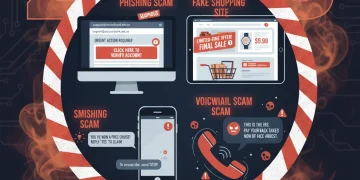
Gone are the days of easily identifiable, grammatically incorrect phishing emails. In 2026, artificial intelligence (AI) is being extensively used to craft highly convincing phishing attempts. AI-powered tools can analyze vast amounts of data to create personalized, context-aware messages that mimic legitimate communications from banks, government agencies, or even your colleagues. These sophisticated attacks, often referred to as ‘spear phishing’ or ‘whaling’ when targeting high-value individuals, are designed to trick you into revealing sensitive information or clicking on malicious links. Social engineering, the art of manipulating individuals into performing actions or divulging confidential information, is also being supercharged by AI, making it harder to discern genuine requests from malicious ones.
Deepfakes and Voice Mimicry
The rise of deepfake technology poses a significant threat to identity verification. In 2026, criminals can generate highly realistic fake videos and audio recordings of individuals. This technology can be used to bypass biometric authentication systems, impersonate individuals in video calls for fraudulent transactions, or even create fake evidence to tarnish reputations. Imagine receiving a video call from your CEO asking for urgent financial transfers, only for it to be an AI-generated deepfake. The implications for trust and security are profound.
Supply Chain Attacks and Data Breaches
While direct attacks on individuals remain prevalent, cybercriminals are increasingly targeting the weakest links in the digital supply chain. A breach in one vendor or service provider can expose the data of millions of users. In 2026, organizations are under immense pressure to secure their entire ecosystem, but vulnerabilities persist. When a major data breach occurs, your personal information – including names, addresses, email addresses, phone numbers, and even partial financial details – can end up for sale on the dark web, serving as a goldmine for identity thieves.
IoT Vulnerabilities
The proliferation of Internet of Things (IoT) devices, from smart home appliances to connected vehicles, creates new entry points for cybercriminals. Many IoT devices lack robust security features, making them susceptible to hacking. Once compromised, these devices can be used to launch further attacks, monitor your activities, or even gain access to your home network, potentially exposing other sensitive data. The interconnectedness that defines modern living also expands the attack surface for digital identity theft.
Ransomware and Extortionware
Beyond simply stealing data, criminals are increasingly using ransomware and extortionware to hold personal information hostage. If your devices or data are encrypted, and you’re forced to pay a ransom, your information has already been compromised. Furthermore, some ransomware gangs are now exfiltrating data before encryption, threatening to release it publicly if the ransom isn’t paid, adding another layer of pressure and potential for identity theft.
Proactive Measures: Building Your Digital Fortress Against Identity Theft
Protecting yourself from digital identity theft in 2026 requires a multi-layered approach. No single solution offers complete immunity, but by combining several security practices, you can significantly reduce your risk.
1. Master Strong Password Hygiene and Multi-Factor Authentication (MFA)
This is the bedrock of online security. In 2026, weak or reused passwords are an open invitation for identity thieves. Your passwords should be:
- Long and Complex: Aim for at least 12-16 characters, combining uppercase and lowercase letters, numbers, and symbols.
- Unique for Every Account: Never reuse passwords. If one account is compromised, the others remain secure.
- Managed with a Password Manager: Use a reputable password manager (e.g., LastPass, 1Password, Bitwarden) to generate, store, and auto-fill complex, unique passwords securely. This eliminates the need to remember dozens of intricate combinations.
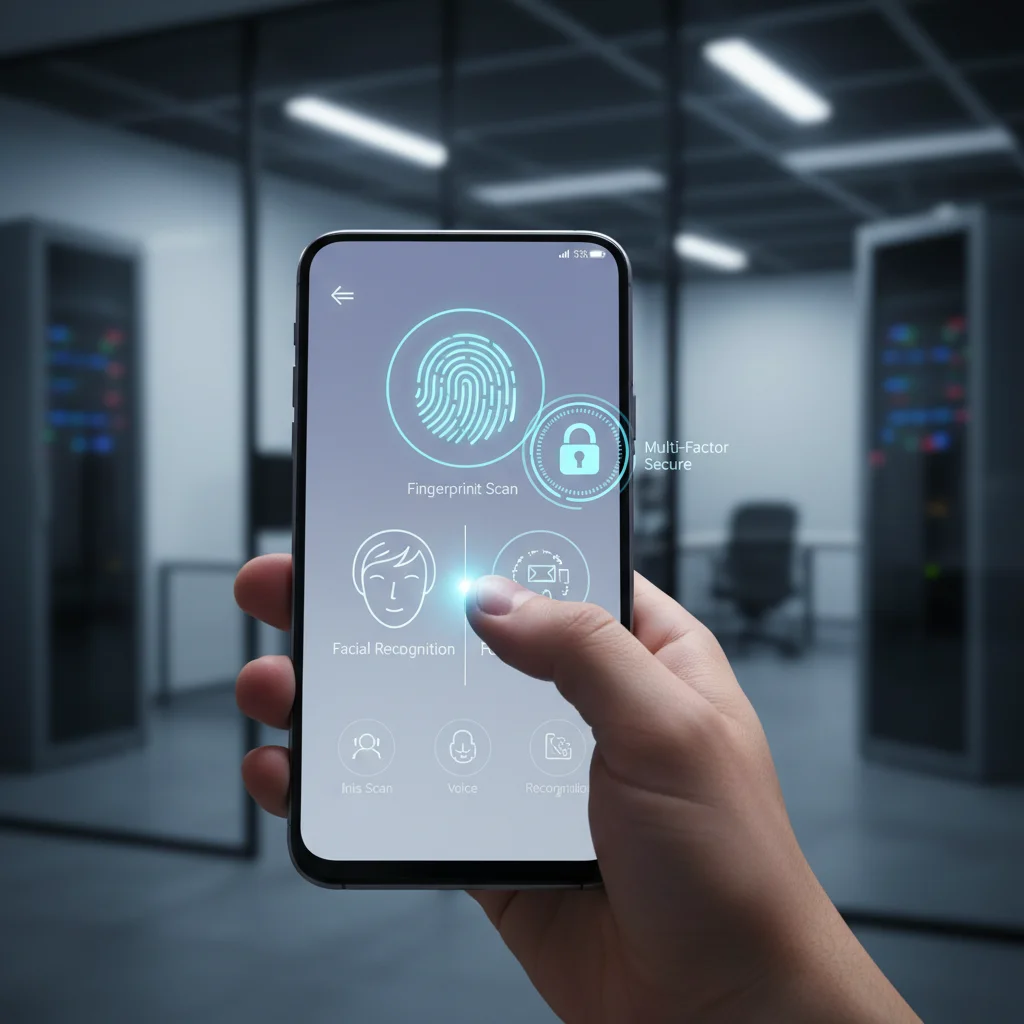
Beyond strong passwords, Multi-Factor Authentication (MFA) is non-negotiable. MFA adds an extra layer of security by requiring two or more verification factors to gain access to an account. This could be something you know (password), something you have (a phone or hardware token), or something you are (biometrics like a fingerprint or face scan). Even if a thief steals your password, they won’t be able to access your account without the second factor. Prioritize enabling MFA on all critical accounts: email, banking, social media, cloud storage, and any service containing sensitive personal information.
2. Be Wary of Phishing and Social Engineering Tactics
As mentioned, these attacks are becoming increasingly sophisticated. Always exercise extreme caution when encountering unsolicited communications:
- Verify the Sender: Double-check email addresses and sender names. Look for subtle misspellings or unusual domains.
- Hover Before You Click: Before clicking on any link, hover your mouse over it (on desktop) or long-press (on mobile) to preview the URL. Ensure it leads to a legitimate domain.
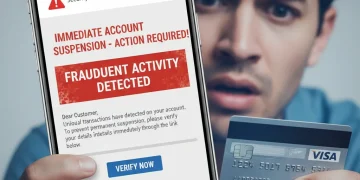
- Be Skeptical of Urgency: Phishing attempts often create a sense of urgency or fear to bypass your critical thinking. Legitimate organizations rarely demand immediate action without prior warning.
- Don’t Share Sensitive Information: Never provide passwords, PINs, or other sensitive data via email, text, or unverified phone calls.
- Use Official Channels: If in doubt, contact the organization directly using official contact information (from their website, not from the suspicious message).
3. Secure Your Devices and Networks
Your devices are gateways to your digital identity. Keep them secure:
- Keep Software Updated: Regularly update your operating systems, web browsers, antivirus software, and all applications. Updates often include critical security patches that fix known vulnerabilities.
- Use Reputable Antivirus/Anti-malware: Invest in and maintain a robust antivirus and anti-malware solution on all your devices.
- Enable Firewalls: Ensure your personal and network firewalls are active.
- Secure Your Wi-Fi: Use strong, unique passwords for your home Wi-Fi network and enable WPA3 encryption if available. Avoid public Wi-Fi for sensitive transactions; if you must use it, use a Virtual Private Network (VPN).
- Encrypt Your Data: Encrypt your hard drives and cloud storage whenever possible, especially for sensitive files.
4. Practice Smart Online Habits and Data Minimization
The less data you expose, the less there is for thieves to steal:
- Limit Personal Information Sharing: Be mindful of what you share on social media and online forums. Every piece of information, from your pet’s name to your birthdate, can be used by identity thieves.
- Review Privacy Settings: Regularly check and adjust the privacy settings on all your social media accounts and online services to limit who can see your information.
- Be Cautious with Online Quizzes and Surveys: Many seemingly innocuous quizzes ask for personal details that can be used to answer security questions or build a profile for identity theft.
- Secure Online Shopping: Only shop on reputable websites that use HTTPS (look for the padlock icon in the URL bar). Use strong, unique passwords for all e-commerce sites.
- Shred Documents: Physically shred any documents containing personal information before discarding them.
5. Monitor Your Digital Footprint and Financial Accounts
Proactive monitoring is crucial for early detection of digital identity theft:
- Regularly Check Bank and Credit Card Statements: Scrutinize all transactions for any unfamiliar activity. Report suspicious charges immediately.
- Review Credit Reports: Obtain free copies of your credit report from the three major credit bureaus (Equifax, Experian, TransUnion) annually. Look for accounts you didn’t open or inquiries you didn’t authorize.
- Set Up Fraud Alerts: Many banks and credit card companies offer free fraud alerts that notify you of suspicious activity.
- Consider Identity Theft Protection Services: These services often include credit monitoring, dark web scanning, and assistance with recovery if your identity is stolen.
- Enable Account Activity Notifications: Many online services offer email or text alerts for login attempts from new devices or unusual activity.
What to Do If Your Digital Identity is Compromised
Even with the best precautions, digital identity theft can still occur. Knowing the immediate steps to take can significantly mitigate the damage and expedite recovery.
1. Act Immediately
Time is of the essence. The sooner you act, the better your chances of limiting the damage.
2. Secure Your Accounts
- Change Passwords: Immediately change passwords for all compromised accounts, and any other accounts that share the same password. Use strong, unique passwords.
- Enable MFA: If not already enabled, turn on Multi-Factor Authentication for all accounts.
- Freeze or Lock Credit: Contact all three major credit bureaus (Equifax, Experian, TransUnion) to place a fraud alert or freeze your credit. A fraud alert requires businesses to verify your identity before opening new credit. A credit freeze prevents anyone, including you, from opening new credit in your name without lifting the freeze.
3. Contact Relevant Institutions
- Banks and Credit Card Companies: Notify your financial institutions of any fraudulent activity. They can close compromised accounts, reverse fraudulent charges, and issue new cards.
- Law Enforcement: File a police report. This report can be crucial for disputing fraudulent transactions and for resolving issues with credit bureaus.
- Government Agencies: If your Social Security Number (SSN) is compromised, contact the Social Security Administration (SSA). If your driver’s license was stolen, contact your local DMV.
- FTC (Federal Trade Commission): Report the identity theft to the FTC at IdentityTheft.gov. They provide a personalized recovery plan and can help you create an Identity Theft Report, which is often required by creditors.
4. Monitor and Document Everything
- Keep Detailed Records: Document every phone call, email, and letter related to the identity theft. Include dates, times, names of people you spoke with, and what was discussed.
- Check Your Credit Reports Regularly: Continue to monitor your credit reports for any new fraudulent activity.
- Review Account Statements: Keep a close eye on all your financial statements for months following the incident.
5. Clean Your Devices
If you suspect your devices were compromised, run thorough scans with your antivirus and anti-malware software. Consider a factory reset for severely infected devices, but only after backing up important data.
Future-Proofing Your Digital Identity: Beyond 2026
The fight against digital identity theft is ongoing. As technology advances, so too will the methods of cybercriminals. To stay ahead, consider these forward-looking strategies:
Embrace Decentralized Identity Solutions
Emerging technologies like blockchain and decentralized identity (DID) promise a future where individuals have greater control over their personal data. Instead of relying on centralized entities to store and verify your identity, DID allows you to hold your verifiable credentials securely and selectively share them without exposing unnecessary information. While still in early stages of adoption, these technologies could fundamentally change how we manage our digital identities, reducing the risk of large-scale data breaches.
Stay Informed About Emerging Threats
Make it a habit to stay updated on the latest cybersecurity news and trends. Follow reputable cybersecurity blogs, news outlets, and expert advice. Understanding new attack vectors and vulnerabilities will enable you to adapt your protective measures proactively.
Regularly Audit Your Digital Footprint
Periodically conduct a ‘digital clean-up.’ Review all your online accounts, close those you no longer use, and assess the privacy settings of active ones. Search for your name online to see what information is publicly available about you. Request removal of outdated or sensitive information where possible.
Educate Yourself and Others
Share your knowledge with family, friends, and colleagues. A strong collective awareness is a powerful defense against digital identity theft. Encourage best practices like strong passwords, MFA, and vigilance against phishing.
Conclusion: Your Vigilance is Your Strongest Defense
The digital landscape of 2026, while offering unparalleled convenience and connectivity, also presents significant challenges in protecting your personal information. Digital identity theft is a persistent and evolving threat that demands constant vigilance. By understanding the sophisticated tactics employed by cybercriminals, implementing robust proactive measures, and knowing how to respond effectively if your identity is compromised, you can significantly fortify your digital fortress.
Remember, securing your digital identity is not a one-time task but an ongoing commitment. It requires a combination of technological safeguards, disciplined online habits, and continuous education. Empower yourself with knowledge, act decisively, and make cybersecurity an integral part of your digital life. Your peace of mind and financial well-being depend on it. Stay safe, stay secure, and navigate the digital world of 2026 with confidence.